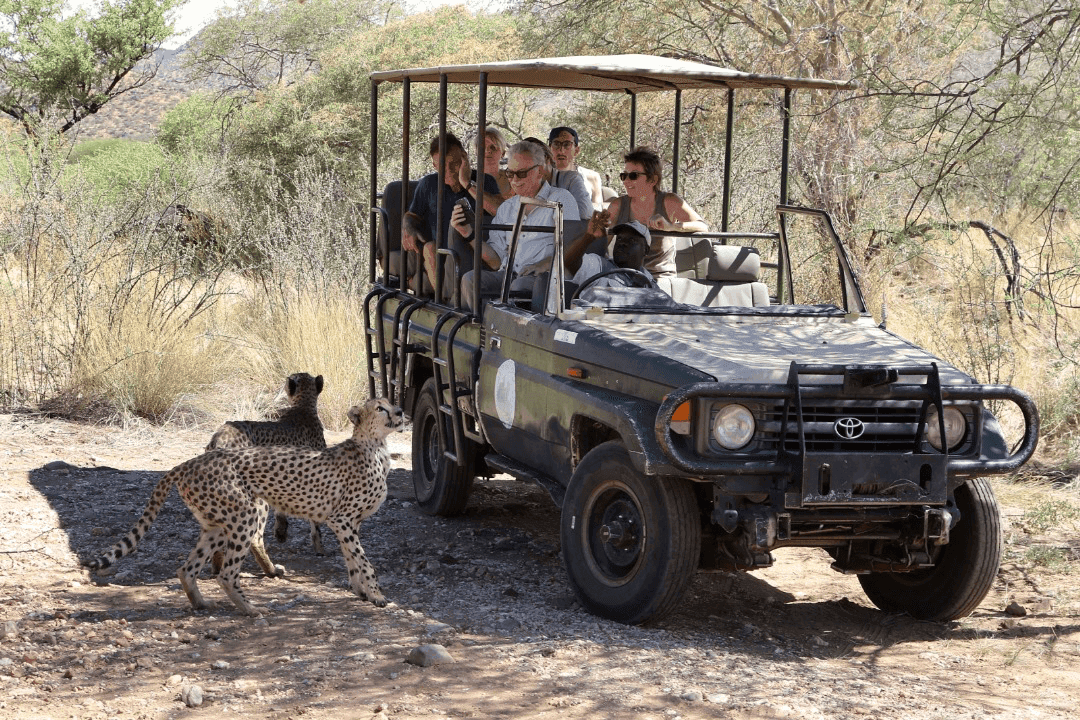
Etosha is Namibia's greatest wildlife park and one of Africa's most unique safari destinations. Unlike the guided-safari model of East Africa, Etosha is designed for self-drive — you navigate the park's well-maintained gravel roads in your own vehicle, stopping at waterholes where animals gather in extraordinary numbers. It's wildlife viewing at your own pace, on your own terms.
The park centers around the Etosha Pan — a vast, shimmering salt flat visible from space that stretches 130 kilometers across the landscape. During the dry season, animals migrate to the permanent and semi-permanent waterholes surrounding the pan, creating some of the most predictable and spectacular wildlife viewing in Africa.
What You'll See
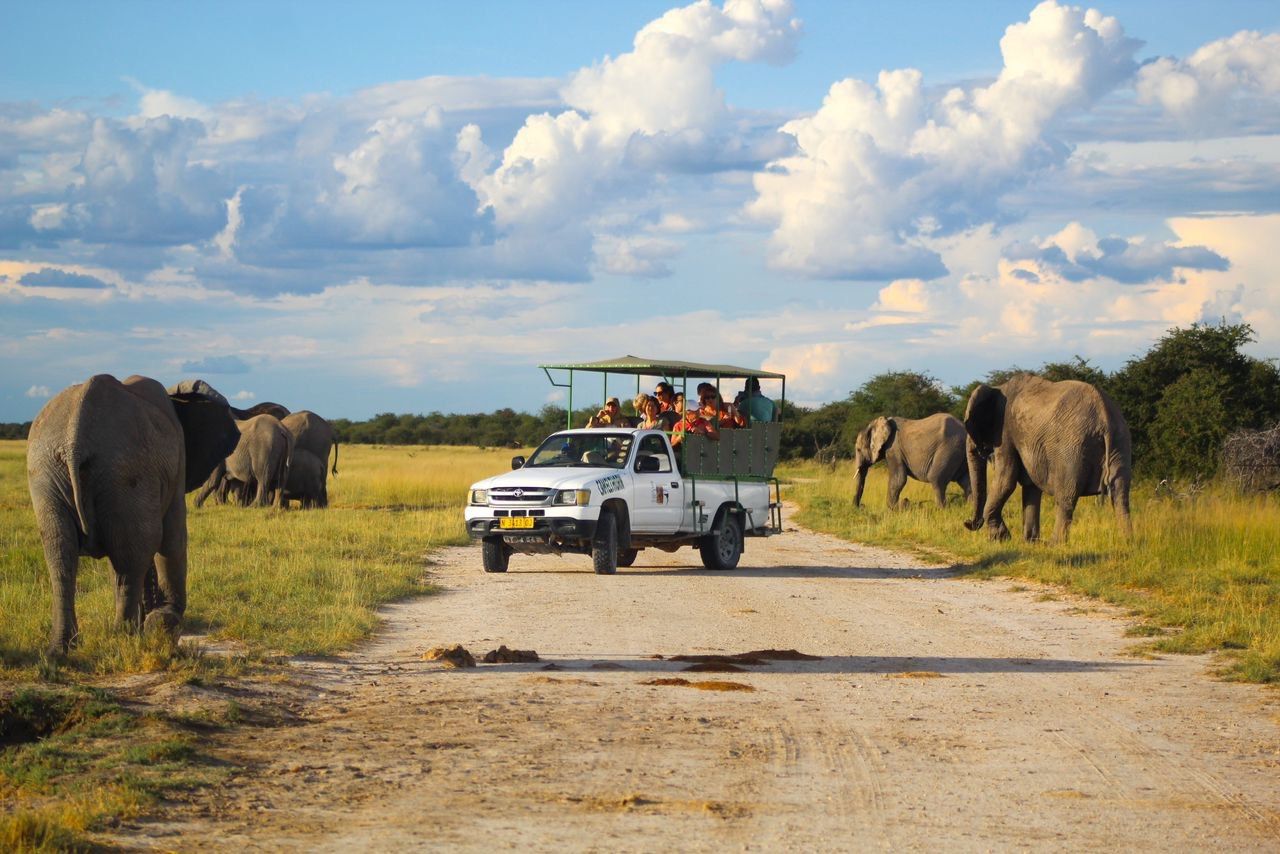
Etosha supports four of the Big Five: lion, leopard, elephant, and rhino (both black and white). Buffalo are absent — the park's arid environment doesn't suit them.
Beyond the Big Five, expect: large herds of springbok, gemsbok (oryx), wildebeest, zebra, kudu, eland, and Hartmann's mountain zebra. Cheetah sightings are good, particularly on the open plains. Giraffe are common. Hyena, jackal, and honey badger appear frequently. Birdlife is prolific — over 340 species, including flamingos on the pan during wet years.
The waterhole advantage: Because animals must come to waterholes to drink, you don't need to drive endlessly searching for wildlife. Park at a waterhole, wait, and the animals come to you. This creates a fundamentally different safari dynamic — patient, observational, and often producing prolonged encounters as herds take their time drinking.
The Three Main Rest Camps
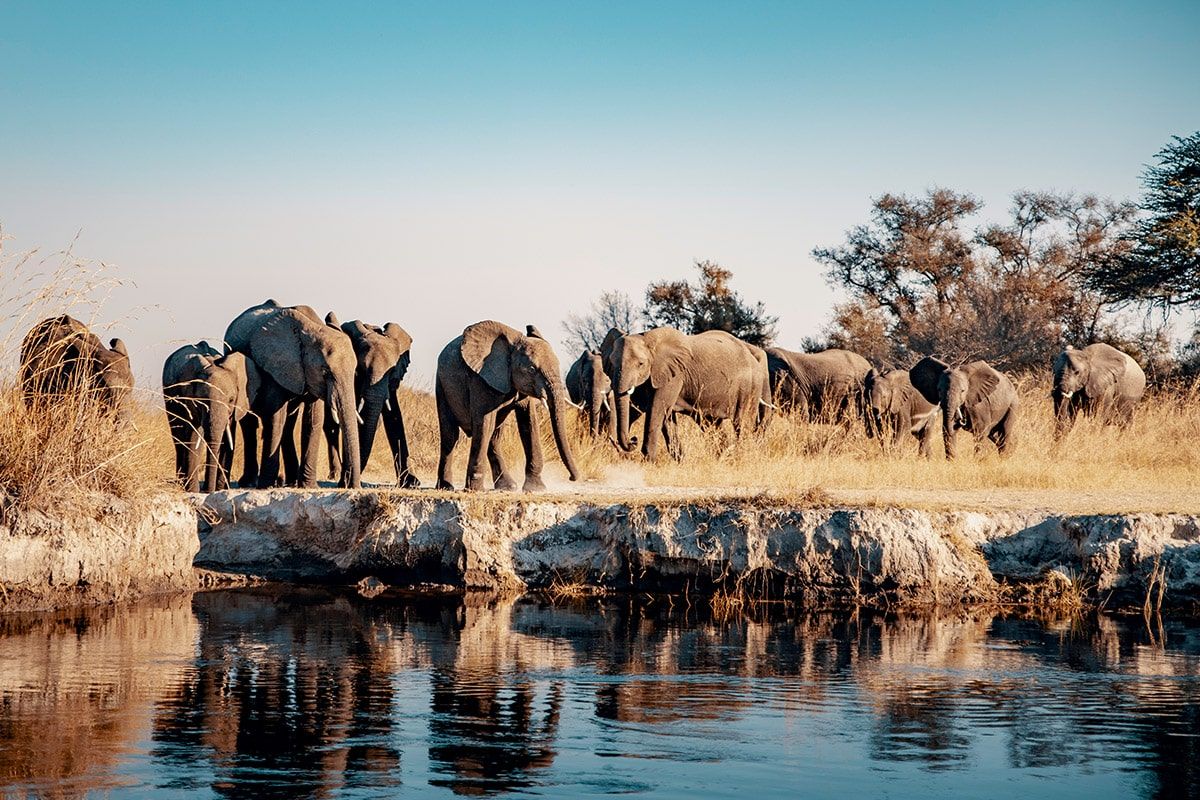
Etosha has three main NWR (Namibia Wildlife Resorts) rest camps, each positioned to give access to different sections of the park. Staying at multiple camps lets you cover the park thoroughly.
Okaukuejo (West)
The most famous camp, primarily because of its floodlit waterhole — arguably the best single wildlife-viewing spot in Etosha. Animals visit the waterhole throughout the night, and the camp's stone wall allows you to watch from just meters away.
What to expect at the waterhole: Elephants are near-nightly visitors. Black rhino come to drink regularly (this is one of the most reliable black rhino viewing locations in Africa). Lions appear periodically — watching a pride drink while other animals scatter is unforgettable. Hyena, jackal, springbok, and various antelope are constants.
Accommodation: Chalets (from approximately $100/night double), bush chalets (slightly cheaper), and camping ($25-$35/site).
Book well ahead. Okaukuejo's waterhole chalets — the ones directly overlooking the waterhole — sell out 6-12 months in advance during peak season.
Halali (Central)
The middle camp, smaller and quieter than Okaukuejo. Halali also has a floodlit waterhole (good for rhino and elephant sightings, though less famous than Okaukuejo's). The surrounding dolomite hills create a different landscape from the flat western section.
Best for: Travelers who want a quieter camp atmosphere and access to the central pan area. Good for birding.
Accommodation: Chalets and camping available. Easier to book than Okaukuejo.
Namutoni (East)
A restored German colonial fort (originally built in 1903) converted into a rest camp. Namutoni has a more upmarket feel than the other camps, with a restaurant in the fort and accommodation in chalets surrounding it. The nearby Fischer's Pan attracts large numbers of flamingos and other waterbirds during the wet season.
Best for: Birders, travelers who appreciate historical architecture, and those arriving from or departing toward the Caprivi Strip.
Accommodation: Chalets inside and around the fort. Camping available. The fort restaurant is the best dining option in the park.
Other Accommodation
Onkoshi Camp — a luxury tented camp on the edge of the pan itself. Dramatic location, upmarket accommodation, and included game drives. Significantly more expensive than the rest camps.
Dolomite Camp — in the western section of the park, recently opened to self-drive visitors. Access to different wildlife areas including the rare black-faced impala.
Onguma Private Reserve — a private reserve bordering Etosha's eastern boundary, with several lodge options. Offers guided game drives, night drives (not allowed inside Etosha), and walking safaris — activities that complement the self-drive Etosha experience.
Self-Drive Safari Tips
Speed and Timing
Maximum speed limit in Etosha is 60 km/h on main roads, lower on secondary tracks. This isn't just a rule — it's the best strategy. Driving slowly means you spot more wildlife, react safely to animals crossing the road, and enjoy the landscape.
Gate hours: Camps and park gates open at sunrise and close at sunset (exact times posted daily and vary by season). You must be back at a rest camp by sunset — driving after dark is prohibited. Plan your routes to allow plenty of time.
Best game-viewing hours: Dawn (6:00-9:00 AM) and late afternoon (3:00-6:00 PM). Midday is hot and wildlife retreats to shade. Use midday for lunch at camp and resting — then head out again in the afternoon.
Waterhole Strategy
Etosha's waterholes are the key to productive game viewing. The park has approximately 30 waterholes accessible by road, each named and marked on the park map.
Strategy: Drive slowly between waterholes, stopping at each one for at least 20-30 minutes. If nothing is present, move on — but return later, as waterhole activity changes throughout the day. The most productive waterholes often have animals present most of the day, with different species arriving at different times.
Top waterholes beyond Okaukuejo: Salvadora (excellent for lions), Rietfontein (elephant herds), Chudop (large gatherings at dusk), Kalkheuvel (gemsbok and springbok), and Aus (black rhino).
Pro tip: Ask camp staff which waterholes have been active recently. They track daily sightings and can point you toward the best locations.
Navigation
The park provides a good road map at the gate. Main roads are well-graded gravel; secondary roads vary in condition. A GPS or offline maps help but aren't essential — signage at intersections is clear.
Download the Etosha Map app (available offline) which marks waterholes, roads, and camp locations.
Vehicle Requirements
A 2WD vehicle can handle all main routes within Etosha during dry season. A 4x4 is helpful for secondary roads and essential if visiting the western (Dolomite) section or during/after rain.
Fuel: Available at Okaukuejo, Halali, and Namutoni. Fill up whenever you can — distances between waterholes add up.
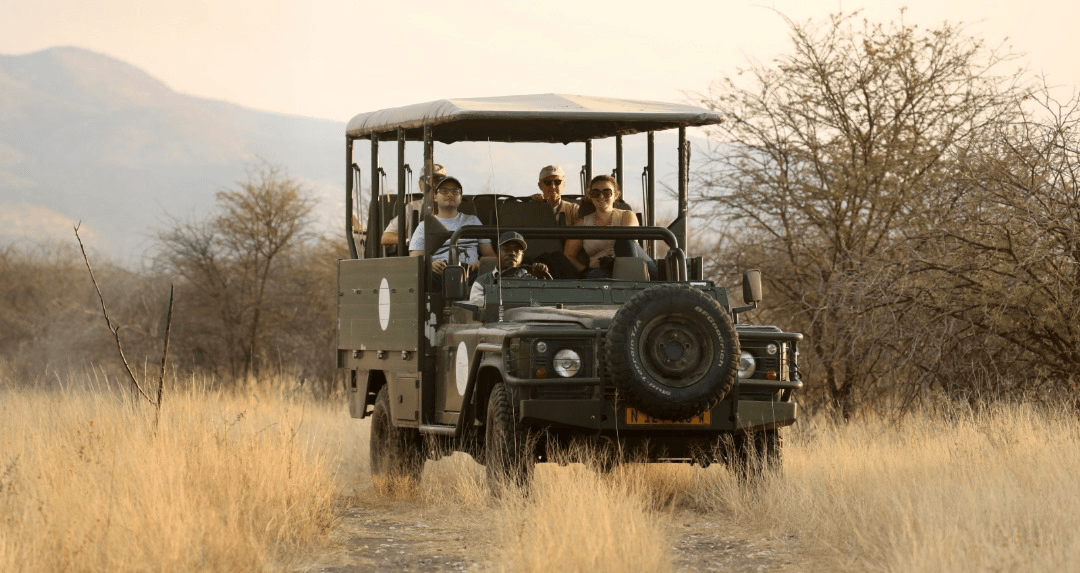
Explore the guided Etosha National Park Game Drives in open safari vehicles with expert local guides — an excellent option if you want the waterhole expertise of a professional spotter while still staying in a self-drive-friendly camp. The Safari Soul: Etosha's Untamed Heart experience offers dawn safaris, birdwatching, and guided insights into the park's ecology.
When to Visit
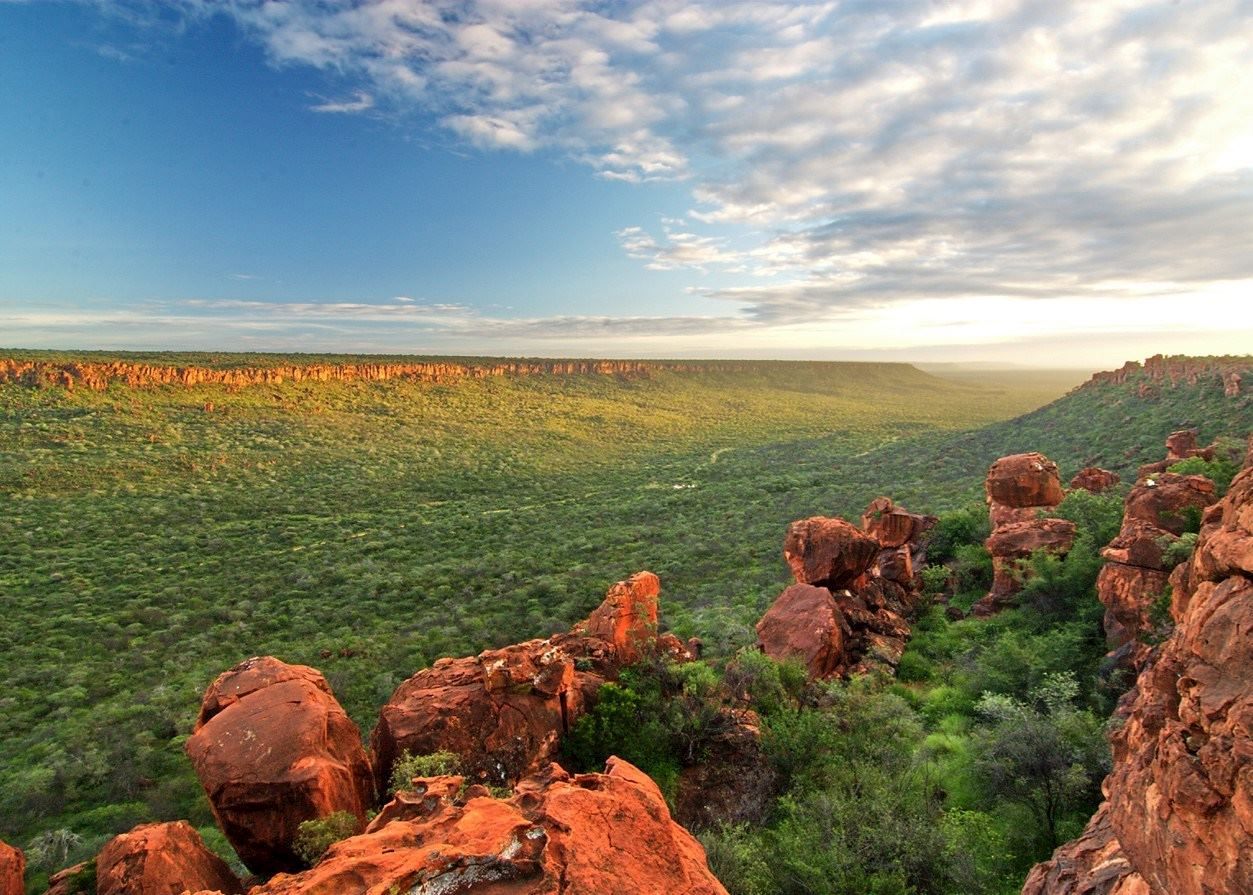
Peak season: June-November (dry season). Animals concentrate at waterholes, vegetation is thin (easier spotting), and the weather is pleasant (15-30°C). July-August is the busiest period.
Shoulder: May and December. Good wildlife viewing with fewer visitors.
Green season: January-April. The pan may partially fill with water, attracting flamingos and other waterbirds. Migratory species arrive. Wildlife disperses across the park (harder to find at waterholes). The landscape transforms from brown to green. Roads can become muddy.
Best single month: September or October. The park is at its driest, waterholes are at maximum activity, and the heat hasn't yet reached its October-November peak.
Sample 3-Night Itinerary
Night 1: Okaukuejo. Arrive by midday. Afternoon game drive along the Okaukuejo-Halali road, stopping at waterholes. Evening at the Okaukuejo floodlit waterhole (bring a jacket — it gets cold at night).
Night 2: Halali. Morning game drive toward Halali via alternative routes (check map for secondary roads). Midday break at Halali. Afternoon drive toward the Etosha Pan lookout. Evening at Halali's waterhole.
Night 3: Namutoni. Morning drive east to Namutoni via Fischer's Pan (birding stop). Afternoon game drive around the eastern waterholes. Dinner at the fort restaurant. Final morning game drive before departing through the Von Lindequist Gate.
Practical Information
Park entry fee: N$150/person/day ($8) + N$50/vehicle/day ($3).
Booking camps: Book through Namibia Wildlife Resorts (NWR) website. Peak season (June-October) camps sell out months ahead — book 3-6 months in advance, especially for Okaukuejo waterhole chalets.
Supplies: Each rest camp has a shop selling basic supplies, firewood, and ice. Okaukuejo and Namutoni have restaurants. Bring your own food and braai (BBQ) supplies for more flexibility and lower cost.
Malaria: Etosha is in a low-risk malaria zone, but prophylaxis is recommended, especially during the wet season. Use insect repellent in the evenings.
Browse all Namibia experiences, including Etosha guided game drives and the broader Namibia itinerary guide.
Frequently Asked Questions
Can I see the Big Five in Etosha?
Four of the Big Five — lion, leopard, elephant, and rhino (both black and white). Buffalo are absent from Etosha. Black rhino sightings are particularly good at Okaukuejo waterhole at night.
Is Etosha good for self-drive beginners?
Excellent. The roads are well-maintained, signage is clear, waterholes are marked on the map, and the rest camps provide all necessary services. Etosha is one of the most beginner-friendly self-drive safari parks in Africa.
How many days do I need?
Minimum 2 nights to see the highlights. 3 nights (one at each main camp) gives thorough coverage. 4-5 nights allows a relaxed pace with time at secondary waterholes and repeated visits to productive spots.
Can I combine Etosha with Sossusvlei?
Yes — and most Namibia itineraries do. Etosha and Sossusvlei are approximately 700 km apart (a full day's drive), typically with stops at Damaraland and/or Swakopmund along the way. See our Namibia Self-Drive Guide