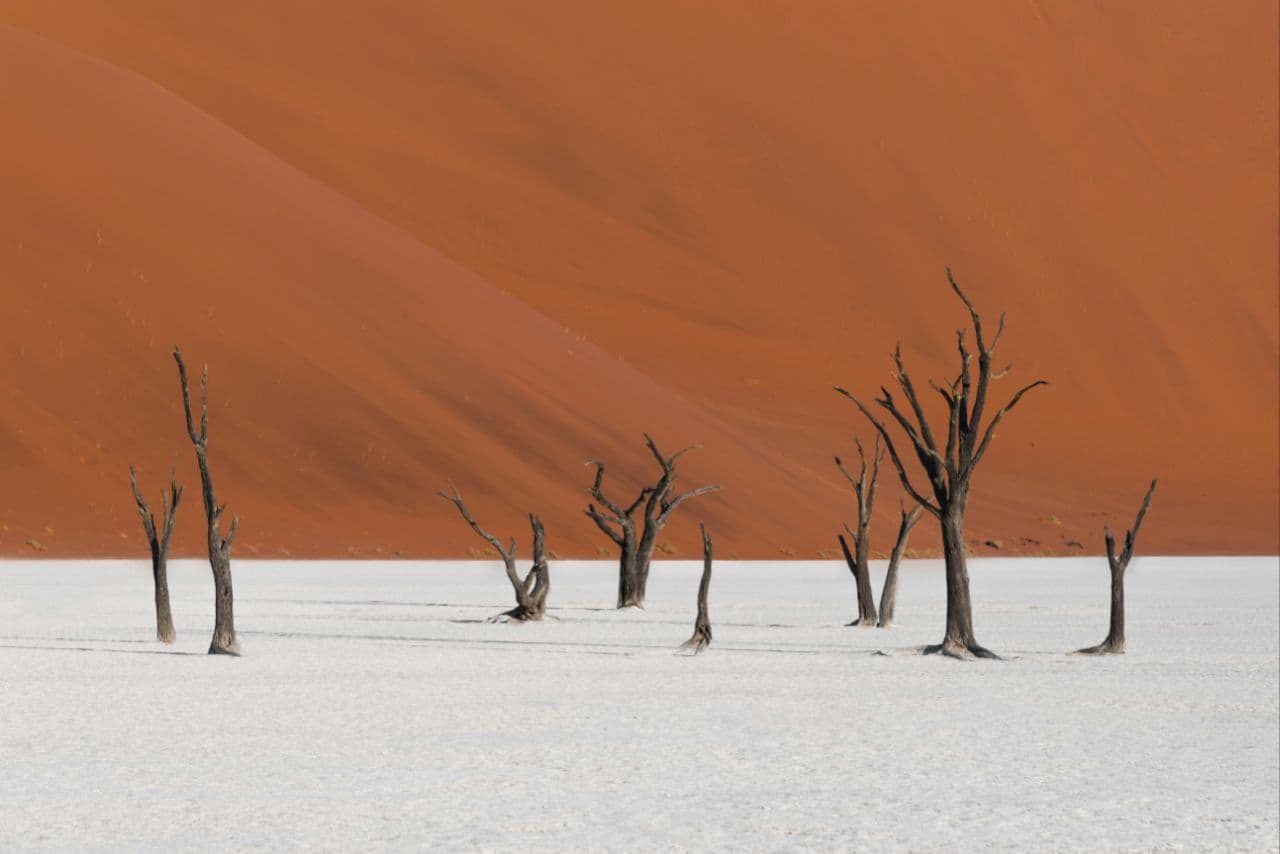
Namibia is a country of vast landscapes, surreal beauty, and unforgettable adventure. This Southern African gem, known for its towering red dunes, rugged mountains, endless savannas, and diverse wildlife, offers a travel experience like no other. Whether you dream of climbing the world’s tallest sand dunes, tracking desert-adapted elephants, or witnessing a safari scene straight out of National Geographic, Namibia delivers in every way.
But there’s one crucial thing to understand about Namibia: it’s huge. The country spans over 825,000 square kilometers—making it twice the size of Germany but with a population of just 2.5 million people. That means wide, open roads stretching into the horizon, remote destinations where you won’t see another soul for miles, and a sense of freedom that few places on Earth can match. However, it also means that planning a trip requires careful thought. How long do you need? How do you get from one place to another? Should you self-drive or take a guided tour?
This 10-day itinerary is designed to showcase the best of Namibia while balancing adventure and relaxation. For those with extra time, we’ve included options to extend it to two weeks. You’ll explore iconic destinations like Sossusvlei, Etosha National Park, and the Skeleton Coast, while also discovering lesser-known gems like Damaraland and Spitzkoppe. Whether you’re a first-time visitor or a seasoned traveler, this guide ensures you make the most of your time in Namibia.
Day 1-2: Windhoek – Your Gateway to Namibia
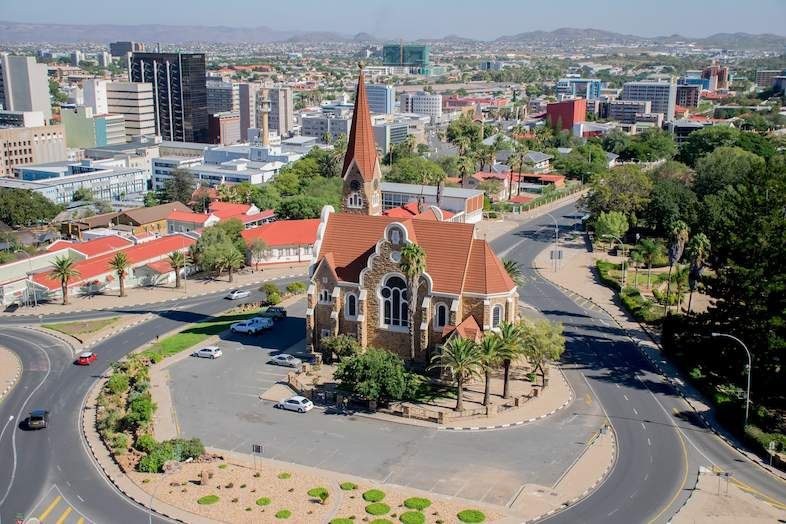
Your Namibian adventure starts in Windhoek, the capital and main entry point into the country. Most international travelers arrive via Hosea Kutako International Airport (WDH), located about 45 km (30 minutes) east of the city center. While some visitors immediately hit the road toward Namibia’s famous landscapes, it’s worth spending a night in Windhoek to recover from long flights, pick up supplies, and get a feel for Namibia’s unique blend of African and German influences.
Windhoek sits at an altitude of 1,650 meters (5,413 feet) and enjoys a dry, pleasant climate year-round. The city itself is relatively small but offers a mix of colonial-era landmarks, vibrant markets, and fantastic restaurants serving everything from traditional Namibian game meats to German bratwurst. While you won’t need more than a day or two here, it’s a great place to start your journey.
What to See & Do
- Explore the city’s historic landmarks: Walk around Christuskirche, the iconic Lutheran church built in 1910, and visit the Independence Memorial Museum to learn about Namibia’s journey to independence.
- Experience Katutura Township: For a deeper cultural experience, take a guided tour of Katutura, a vibrant neighborhood filled with street markets, shebeens (local bars), and Namibian crafts.
- Visit the Namibia Craft Centre: A perfect stop for souvenirs, this center showcases handmade goods from local artisans.
- Dine at Joe’s Beerhouse: A Windhoek institution, famous for its game meat platters featuring kudu, zebra, and oryx steak.
Where to Stay
- Luxury: The Weinberg Windhoek
- Mid-range: Avani Windhoek Hotel
- Budget: Chameleon Backpackers
Best Time to Visit
Windhoek is a year-round destination, but the best weather is between May and September, when temperatures are mild.
Day 3-4: Sossusvlei – Namibia’s Iconic Red Dunes
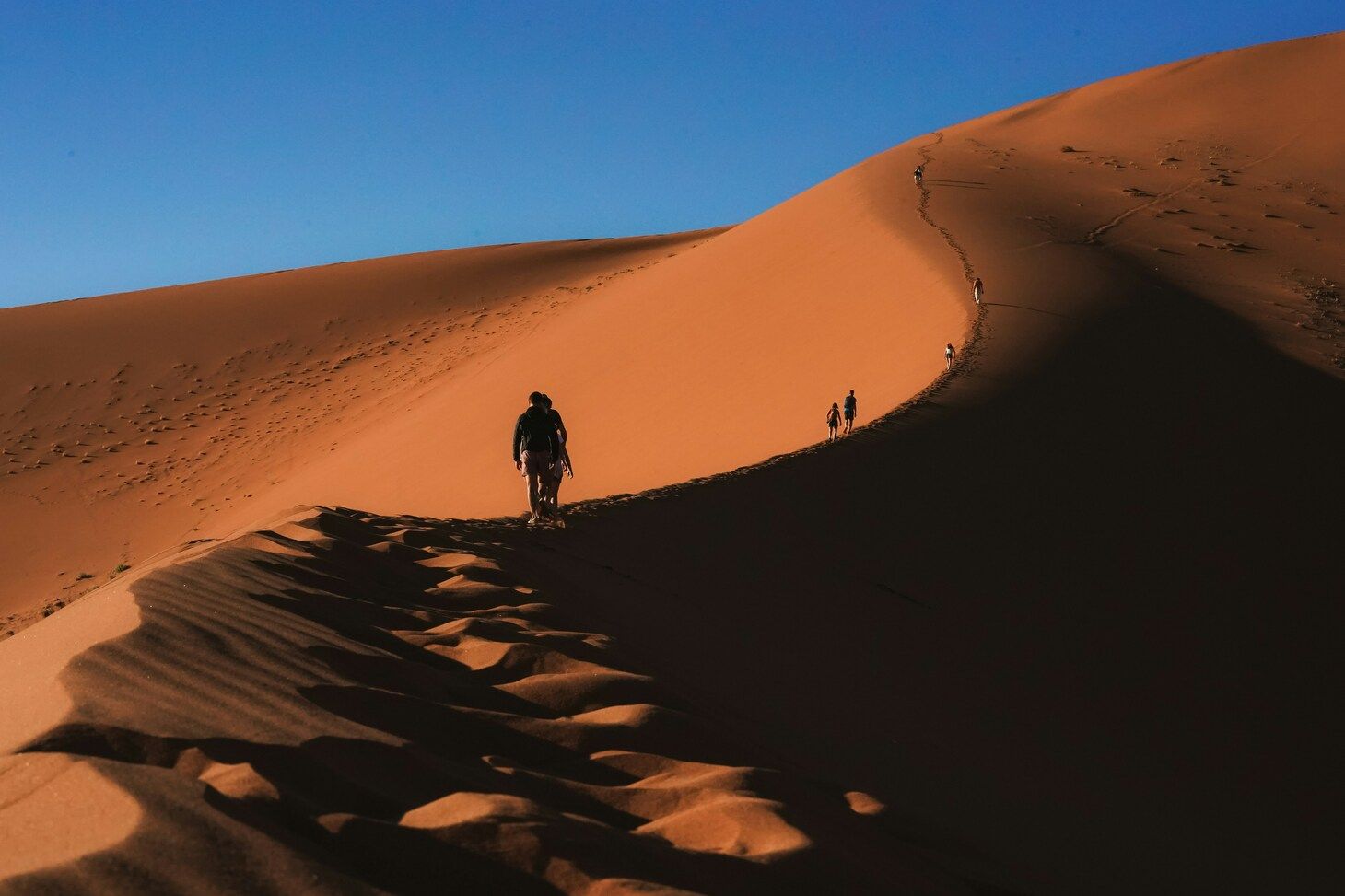
From Windhoek, your next stop is Sossusvlei, home to some of the tallest and most dramatic sand dunes in the world. The journey covers approximately 350 km (5-6 hours) southwest, with the last stretch being a scenic gravel road through the Namib-Naukluft National Park. If you’re self-driving, a 4x4 is highly recommended due to the sandy terrain near the dunes. Alternatively, you can take a scenic charter flight from Windhoek to the Sossusvlei airstrip.
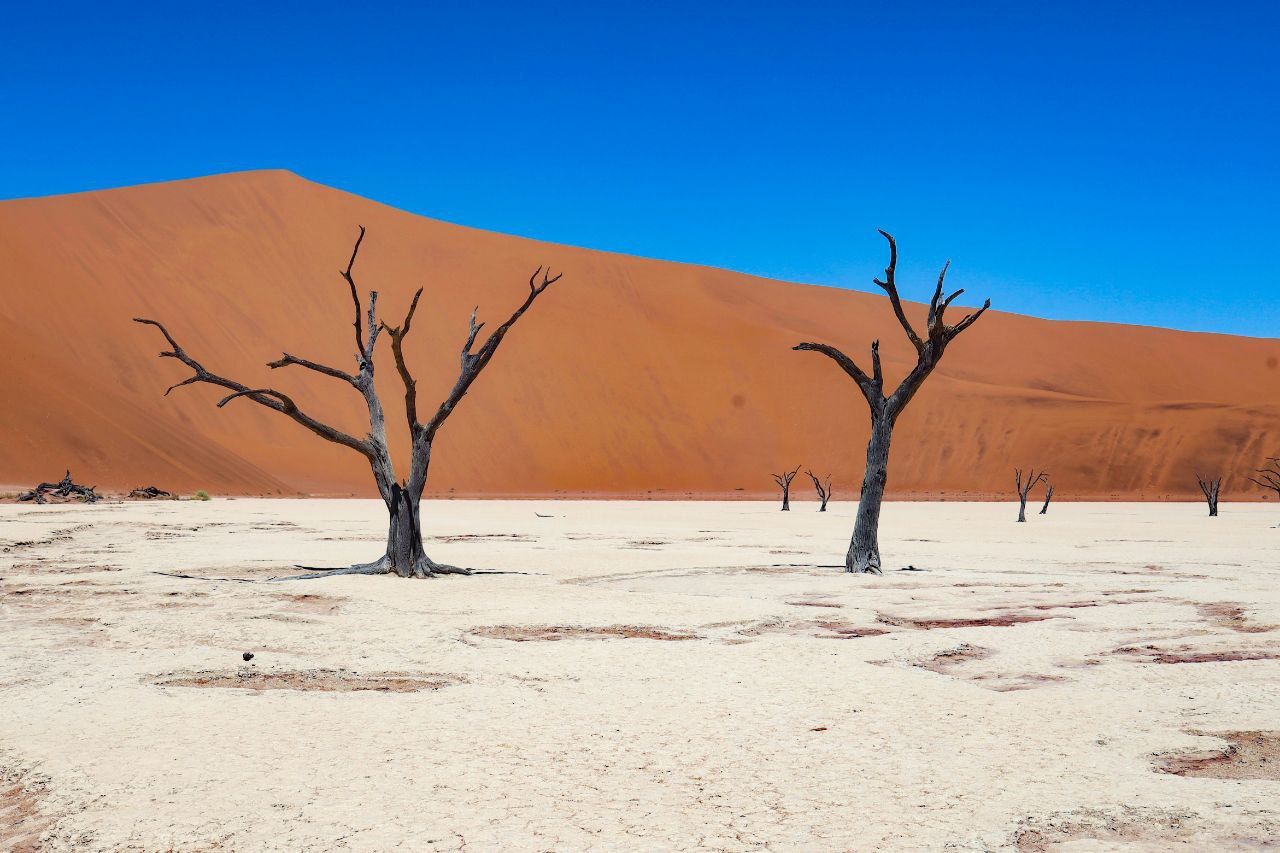
Sossusvlei is part of the Namib Desert, considered the oldest desert on Earth at around 55 million years old. The landscape here is simply otherworldly—towering red dunes, stark white salt pans, and 900-year-old fossilized trees create a photographer’s paradise.
What to See & Do
- Climb Dune 45 at sunrise: Watching the dunes glow with shifting colors as the sun rises is an unforgettable experience.
- Explore Deadvlei: A surreal white clay pan with ancient, dead acacia trees set against deep red dunes—one of the most photographed locations in Namibia.
- Hike Big Daddy: At 325 meters (1,066 feet), it’s one of the tallest dunes in the world! The descent into Deadvlei is pure fun.
- Visit Sesriem Canyon: A deep gorge carved over millions of years, offering a refreshing hike.
Where to Stay
- Luxury: Sossusvlei Desert Lodge
- Mid-range: Desert Quiver Camp
- Budget: Sesriem Campsite (great for self-drivers)
Best Time to Visit
May to October offers cooler temperatures and clear skies. Summers (December-February) can be scorching hot.
Day 5-6: Swakopmund & The Skeleton Coast – Where Desert Meets the Ocean
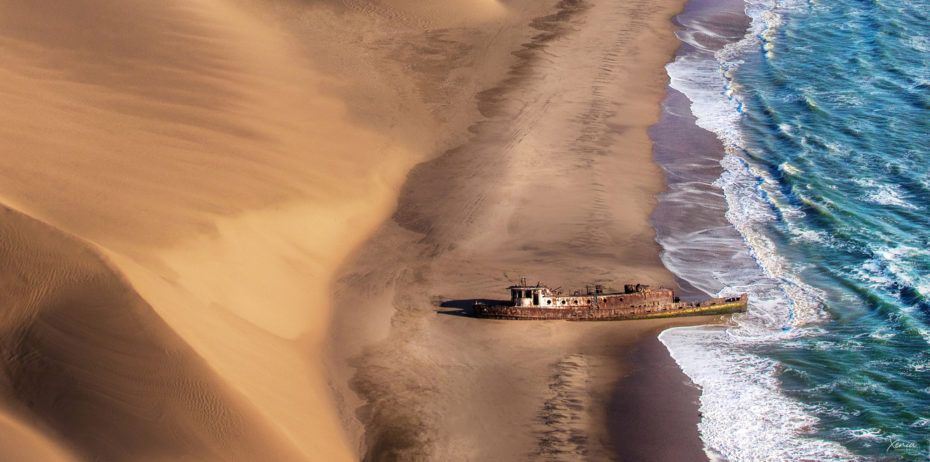
After experiencing the vast desert landscapes of Sossusvlei, it’s time to head to the coastal town of Swakopmund, located 350 km (5-6 hours) northwest. The drive takes you through Namibia’s scenic desert interior before reaching the windswept coastline where the Namib Desert meets the Atlantic Ocean. Swakopmund is Namibia’s adventure capital, offering thrilling outdoor activities, a rich colonial history, and a unique mix of German and African cultures.
Just north of Swakopmund lies the Skeleton Coast, one of the most remote and hauntingly beautiful coastal areas in the world, famous for its shipwrecks, roaring dunes, and eerie landscapes. Exploring this region provides a stark contrast to Namibia’s inland terrain and is a must for adventurous travelers.
What to See & Do
- Sandboard or quad bike in the dunes: Swakopmund’s massive coastal dunes provide the perfect playground for adrenaline junkies.
- Kayak with seals at Walvis Bay: Just 30 minutes south, Walvis Bay’s lagoon is home to thousands of playful Cape fur seals and flamingos.
- Take a scenic flight over the Skeleton Coast: See shipwrecks, sand dunes, and rugged coastline from the air.
- Explore Cape Cross Seal Reserve: Witness one of the largest seal colonies in the world.
- Enjoy German-inspired cuisine: Try local delicacies like bratwurst, apple strudel, or Swakopmund’s famous seafood.
Where to Stay
- Luxury: Strand Hotel Swakopmund
- Mid-range: The Delight Swakopmund
- Budget: Skeleton Beach Backpackers
Best Time to Visit
Swakopmund’s coastal climate is cooler year-round. April to October offers pleasant weather, while December-January can be misty but still great for adventure activities.
Day 7-8: Damaraland – Namibia’s Wild, Rugged Heart
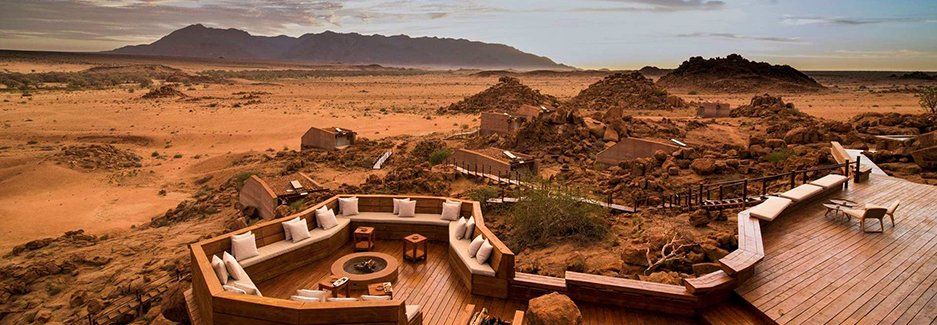
Leaving Swakopmund, your journey continues north into Damaraland, one of Namibia’s most dramatic and remote landscapes. The drive to Twyfelfontein—Damaraland’s main attraction—is around 340 km (5-6 hours) on gravel roads through epic mountain ranges, rocky plains, and hidden valleys. This region is famous for its prehistoric rock art, desert-adapted wildlife, and raw, untouched beauty.
Damaraland is also home to the rare desert-adapted elephants and black rhinos, which have learned to survive in this arid wilderness. Exploring here feels like stepping into a different world, where time slows down and nature takes center stage.
What to See & Do
- Visit Twyfelfontein Rock Engravings: Namibia’s first UNESCO World Heritage Site, featuring over 2,500 ancient petroglyphs.
- Search for desert-adapted elephants: Take a guided safari to spot these unique creatures along the dry riverbeds.
- Explore the Organ Pipes & Burnt Mountain: A fascinating rock formation resembling organ pipes.
- Hike to the White Lady Rock Painting: One of Namibia’s most famous rock art sites in the Brandberg Mountains.
Where to Stay
- Luxury: Mowani Mountain Camp
- Mid-range: Twyfelfontein Country Lodge
- Budget: Madisa Camp
Best Time to Visit
May to October is ideal for wildlife spotting and comfortable temperatures. The wet season (November-March) can be beautiful but harder for driving.
Day 9-10: – Namibia’s Ultimate Safari Destination
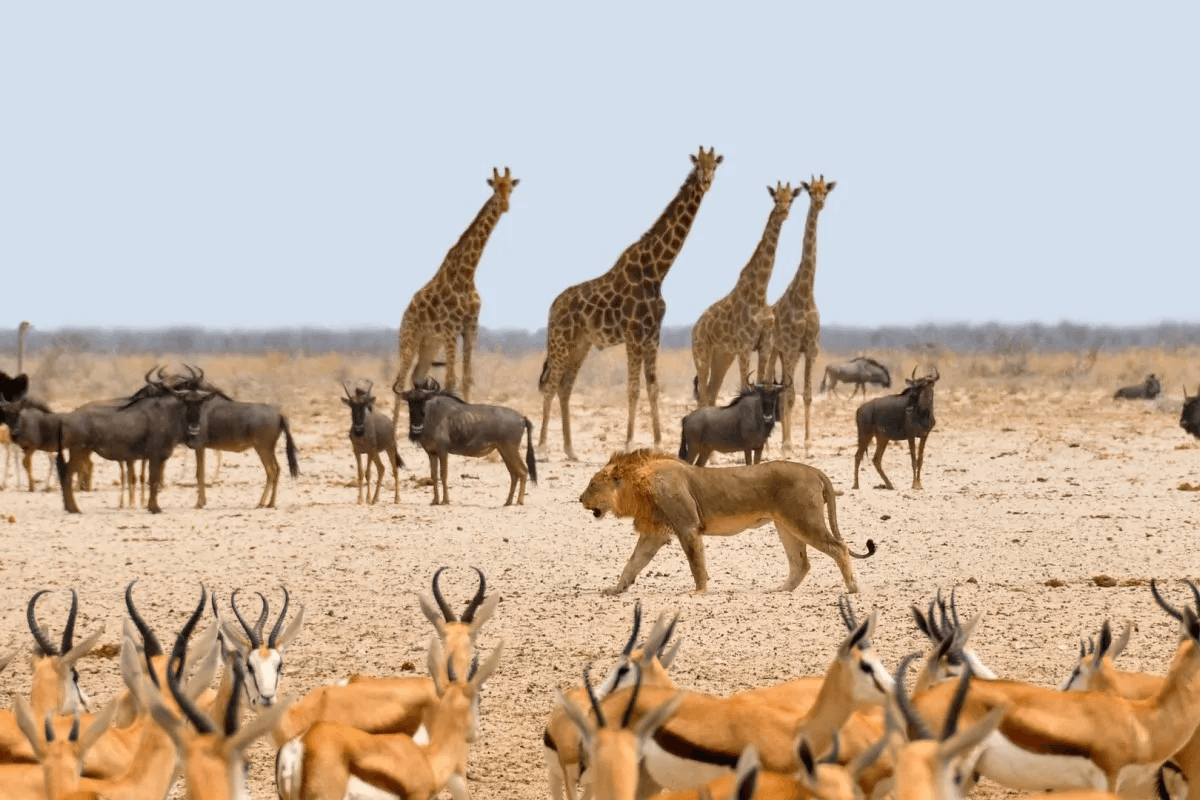
A trip to Namibia wouldn’t be complete without a classic safari. From Damaraland, drive 350 km (5-6 hours) east to Etosha National Park, one of Africa’s best wildlife reserves. Covering over 22,000 square kilometers, Etosha is home to the Big Five (except buffalo), as well as cheetahs, giraffes, zebras, wildebeest, and hundreds of bird species.
Unlike other safari destinations, Etosha’s vast salt pan and waterholes create an easy-to-navigate, self-drive safari experience, making it one of the best places in Africa to spot wildlife with minimal effort.
What to See & Do
- Go on game drives: Visit waterholes where large herds of animals gather, especially in the dry season.
- Watch lions hunt at Okaukuejo Waterhole: One of the most famous spots in the park for nighttime predator sightings.
- Explore Halali & Namutoni camps: Each offers unique landscapes and wildlife experiences.
- Visit the Etosha Pan: A massive dry lakebed that turns into a shimmering mirage.
Where to Stay
- Luxury: Ongava Lodge (private reserve bordering the park)
- Mid-range: Okaukuejo Camp (inside the park)
- Budget: Etosha Safari Camp
Best Time to Visit
June to October is the best time for wildlife spotting as animals gather at waterholes. The wet season (November-April) offers lush scenery and baby animals but can make wildlife harder to see.
Optional Extensions for a 14-Day Itinerary
If you have more time, consider adding:
Day 11-12: Waterberg Plateau
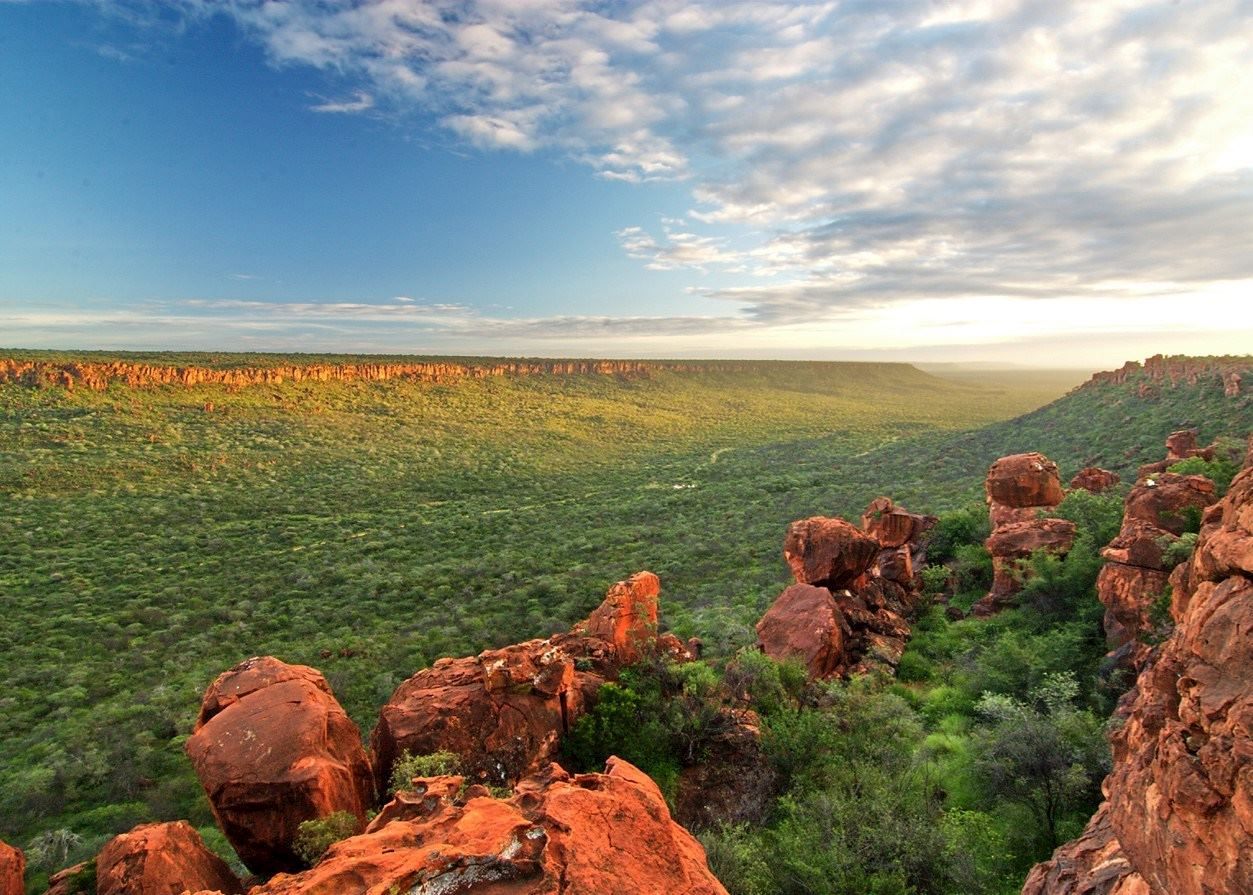
A stunning red sandstone plateau 3 hours south of Etosha, perfect for hiking and spotting rare antelope like the roan and sable.
Day 13-14: The Caprivi Strip
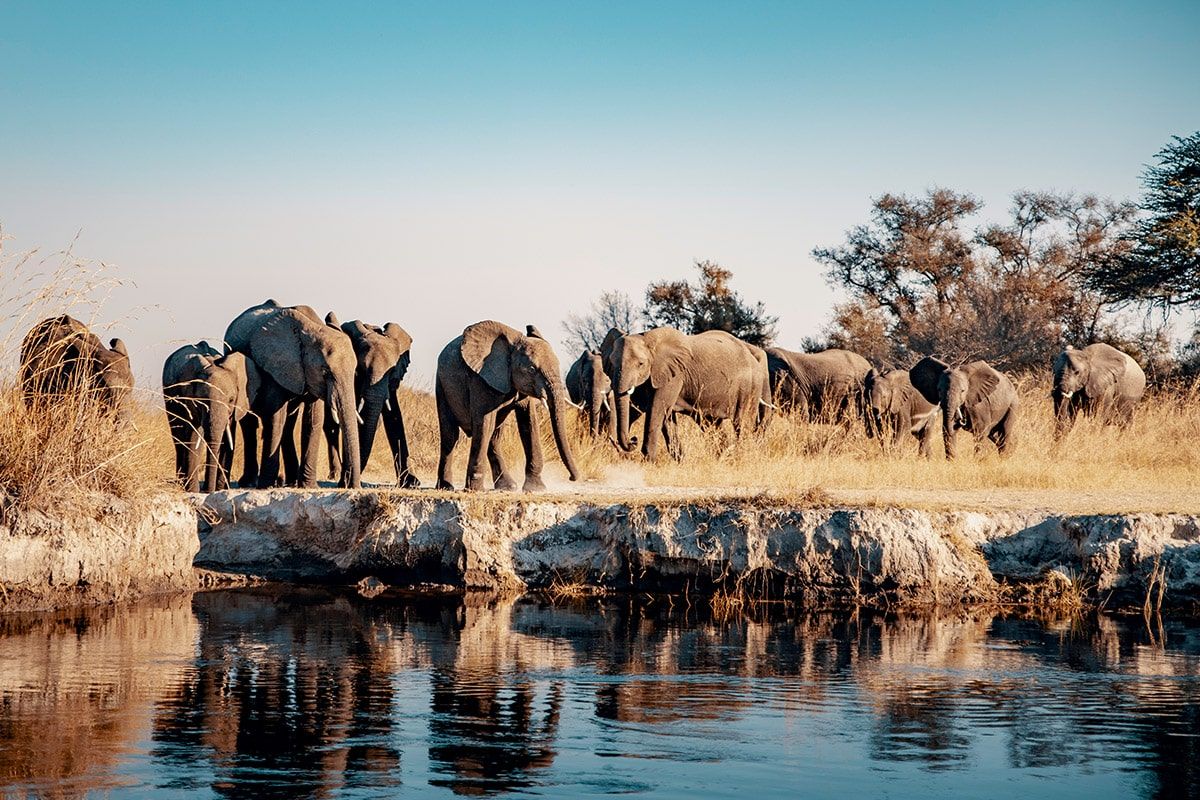
A lush, river-filled region in Namibia’s northeast, offering boat safaris and unique wildlife experiences. Great for seeing hippos and crocs.
How to Plan Your Namibia Trip
Self-Drive vs. Guided Tour
- Self-Drive: Best for adventure seekers. Rent a 4x4 and follow this itinerary at your own pace.
- Guided Tour: Great for those who prefer comfort, storytelling, and local expertise.
Best Time to Visit Namibia
- Dry Season (May-Oct): Best for safaris and clear skies.
- Green Season (Nov-April): Fewer tourists, lush landscapes, but some areas get very hot.
Namibia isn’t just a destination; it’s an epic journey through surreal landscapes, breathtaking wildlife, and exhilarating adventures. Whether you choose to self-drive across the country’s vast terrain or book a guided tour, this itinerary ensures you experience Namibia’s highlights at a comfortable pace.
With its stunning desert vistas, abundant wildlife, and welcoming culture, Namibia is one of Africa’s most rewarding travel destinations. So pack your bags, hit the open road, and get ready for an adventure of a lifetime.
Your ultimate Namibian experience awaits! 🚗🏜️🌅