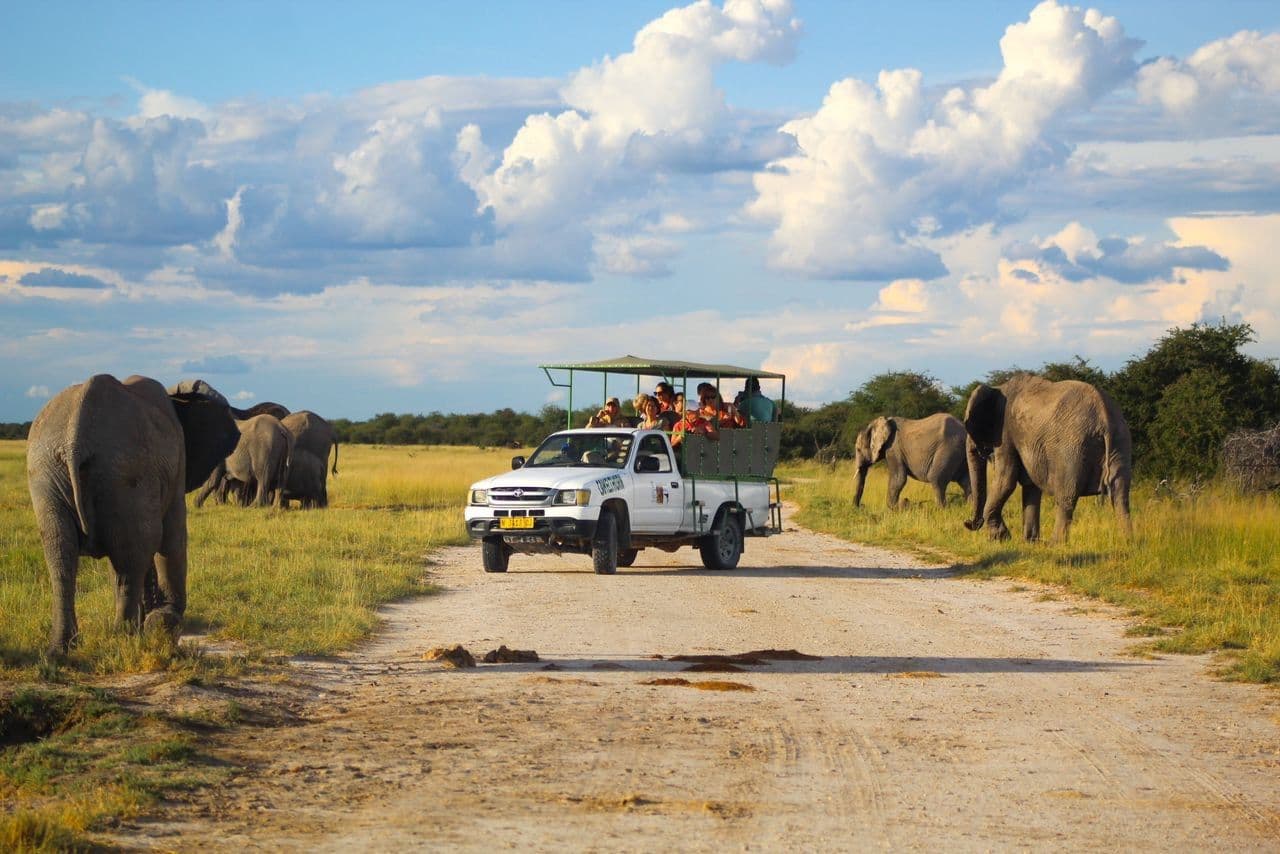
Namibia is one of the few African countries where self-driving is not only possible but recommended. The roads are well-maintained, traffic is minimal, distances are vast, and the landscapes are so extraordinary that the drive itself becomes the experience. From the rust-red dunes of Sossusvlei to the wildlife-rich pans of Etosha, Namibia was built for road trips.
This guide covers everything you need to plan a self-drive safari in Namibia: routes, vehicle choices, camp recommendations, costs, and the practical details that make the difference between a good trip and an unforgettable one.
Why Self-Drive in Namibia?
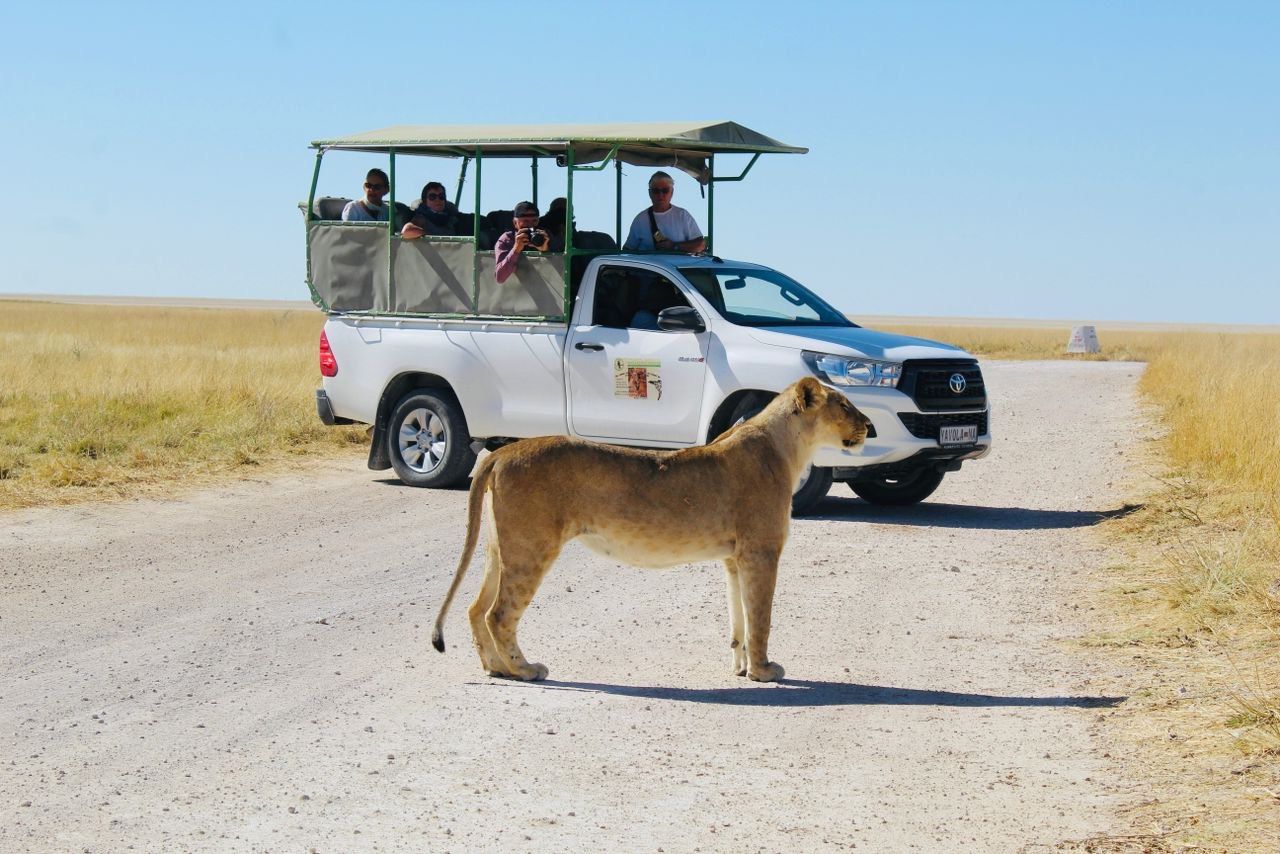
Namibia is Africa's self-drive destination for several reasons. The country is one of the least densely populated on Earth — 2.5 million people across 825,000 square kilometers. That means open roads stretching to the horizon with virtually no traffic. Driving is on the left (like the UK and South Africa), signage is clear, and main routes are well-mapped.
Self-driving gives you complete flexibility: stop when you see something extraordinary (you will, constantly), linger at a waterhole in Etosha until the elephants finish drinking, and set your own pace across the country.
The alternative — guided tours — costs significantly more and limits spontaneity. For independent-minded travelers with some driving confidence, self-drive is the way to experience Namibia.
The Classic Route: 10-14 Day Circuit
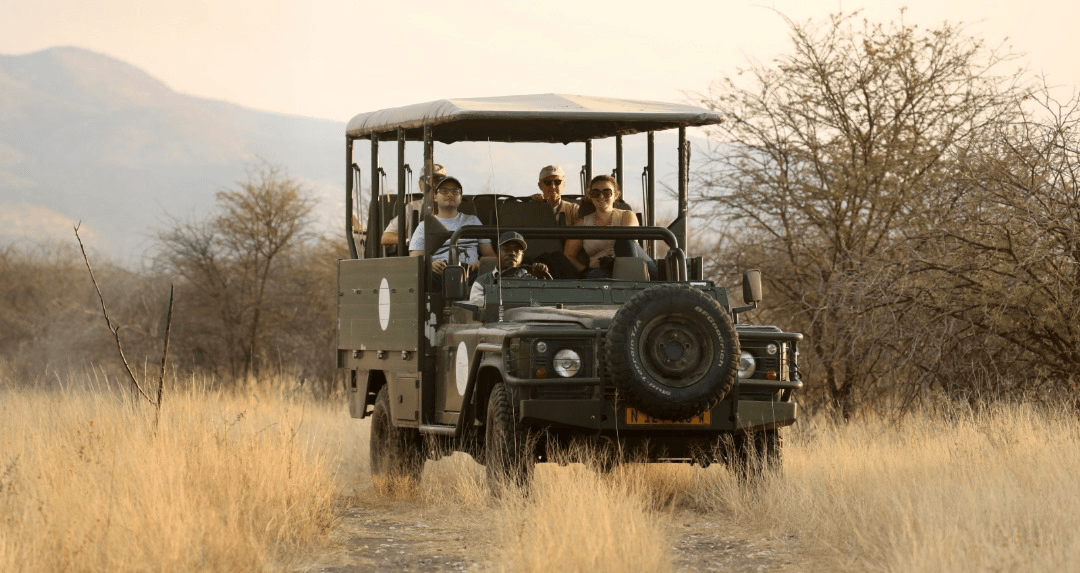
The most popular self-drive itinerary covers Namibia's highlights in a clockwise or counter-clockwise loop from Windhoek.
Route Overview
Windhoek → Sossusvlei (4-5 hrs) → Swakopmund (4-5 hrs) → Damaraland (4-5 hrs) → Etosha National Park (3-4 hrs) → Windhoek (4-5 hrs)
Total driving distance: approximately 2,500-3,000 kilometers depending on detours.
Day-by-Day Breakdown (10-Day Version)
Days 1-2: Windhoek → Sossusvlei/Namib DesertCollect your rental vehicle at Windhoek airport and drive south through the dramatic Spreetshoogte Pass (or via Rehoboth) to the Namib Desert. The landscape transitions from scrubby savannah to vast desert plains — your first taste of Namibia's scale.
Sossusvlei is the highlight: towering red dunes rising 300+ meters from the desert floor. Dune 45 is the most popular sunrise climb (arrive at the park gate before dawn). Deadvlei — a clay pan dotted with 900-year-old dead camelthorn trees against a backdrop of orange dunes — is one of the most photographed landscapes in Africa.
Important: The last 5 kilometers to Deadvlei require 4x4 (deep sand). If you don't have a 4x4, park at the 2x4 parking area and take the shuttle ($5 round trip).
Days 3-4: Sossusvlei → SwakopmundDrive through the Namib Desert toward the Atlantic coast. The landscape shifts from dunes to gravel plains to the surreal Skeleton Coast. Swakopmund is a quirky German colonial town on the ocean — think Bavarian architecture beside African sand dunes.
Swakopmund is the adventure capital of Namibia: sandboarding, quad biking, skydiving, dolphin cruises from Walvis Bay, and kayaking with seals. Spend two nights here to recover from driving and enjoy the activities and restaurants.
Days 5-6: Swakopmund → DamaralandDrive north through increasingly dramatic terrain to Damaraland — a region of volcanic mountains, ancient rock engravings (Twyfelfontein, a UNESCO site), and desert-adapted elephants. This area feels genuinely remote and is one of Namibia's most visually striking regions.
Spitzkoppe (along the route) is a granite inselberg rising from the desert floor — spectacular at sunset and excellent for camping.
Days 7-9: Damaraland → Etosha National ParkEtosha is Namibia's premier wildlife destination and one of Africa's best self-drive safari parks. The park centers around a massive salt pan (visible from space) surrounded by waterholes where animals gather — creating predictable, spectacular wildlife viewing.
Unlike East African parks where a guide drives you, Etosha is designed for self-drive. A network of well-maintained gravel roads connects the park's camps and waterholes. Drive slowly between waterholes (40 km/h max), park at the waterhole viewing areas, and wait. Elephants, lions, rhinos, giraffes, zebras, springbok, and gemsbok come to you.
Top waterholes: Okaukuejo (famous for nocturnal lion and rhino sightings — the floodlit waterhole is visible from camp), Halali, and the waterholes along the Fischer Pan route.
Three nights in Etosha allows for thorough coverage. Stay at different rest camps (Okaukuejo, Halali, Namutoni) to access different sections of the park.
Day 10: Etosha → WindhoekDrive south back to Windhoek (approximately 4-5 hours). Optional stop at Okonjima (AfriCat Foundation) for cheetah and leopard conservation encounters — a worthy detour if time allows.
Vehicle Choice: The Big Decision
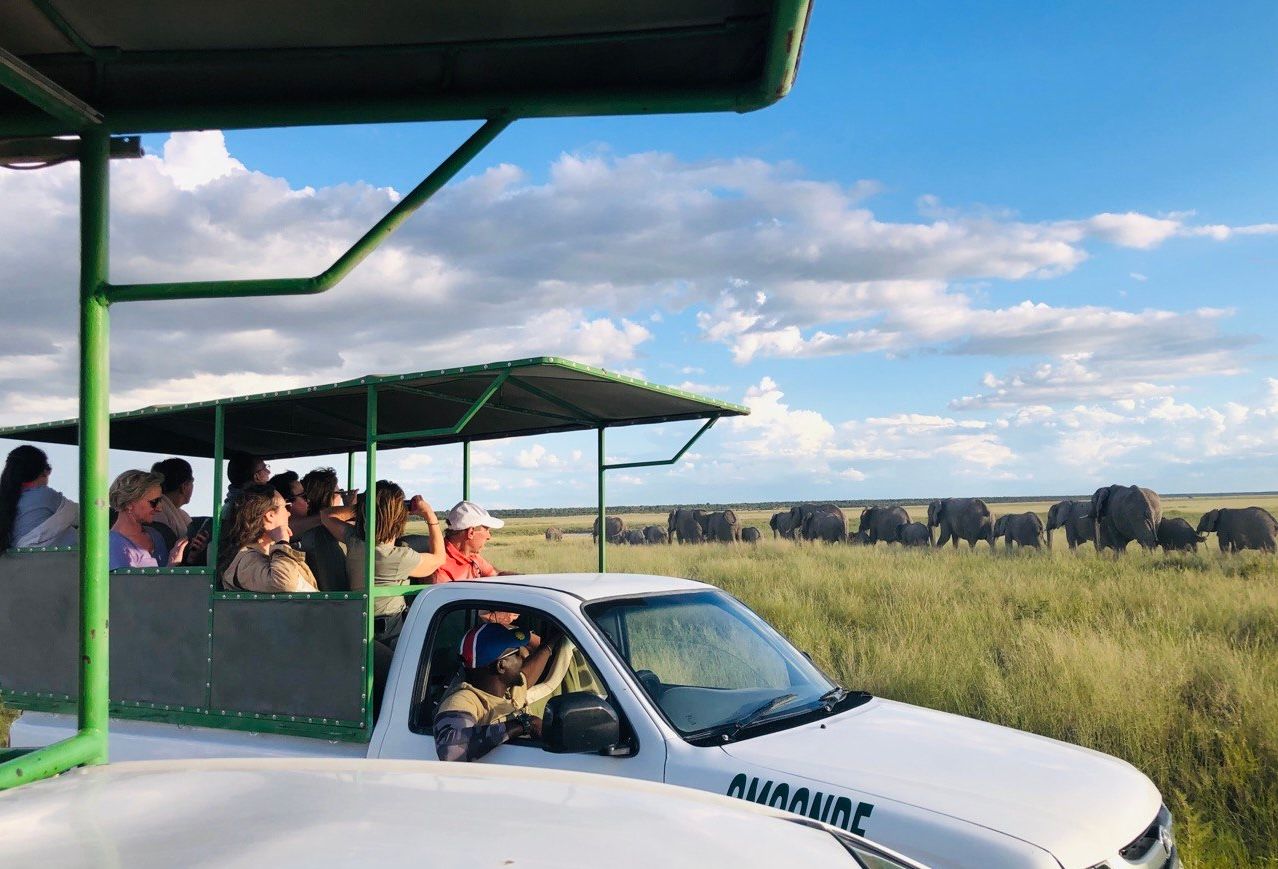
4x4 with Rooftop Tent
The most popular choice for adventurous travelers. A Toyota Hilux or Land Cruiser with a rooftop tent (RTT) gives you a 4x4-capable vehicle with built-in sleeping, cooking equipment, and camping gear. You camp at designated campsites throughout the country.
Cost: Approximately $100-$180/day including basic camping equipment, unlimited mileage, and insurance.
Pros: Maximum flexibility, cheapest accommodation (campsite fees are $10-30/night), and an unforgettable experience of sleeping under African skies.
Cons: Camping is basic (no hot showers at some sites), setting up camp daily is an effort, and the rooftop tent is exposed to cold nights and early mornings.
4x4 SUV (Lodge-Based)
If you prefer beds, hot showers, and someone else cooking breakfast, rent a standard 4x4 SUV and stay in lodges and guesthouses along the route.
Cost: Vehicle rental approximately $80-$150/day. Lodge accommodation $80-$300/night.
Pros: More comfortable, no camping setup/teardown, and Namibia's lodges are often in spectacular locations.
Cons: Higher total cost, less flexibility (must book lodges in advance, especially in peak season), and you miss the immersive camping experience.
2WD Sedan
Possible for the main circuit but with limitations. Most major roads (B1, B2, B4) are paved, and key gravel roads (to Sossusvlei, through Etosha) are accessible to 2WD vehicles in dry conditions. However, you'll need the shuttle to Deadvlei, and some scenic detours require 4x4.
Cost: $50-$80/day.
Best for: Budget travelers staying in lodges who are comfortable with the limitation that some routes are off-limits.
Cost Breakdown (10-Day Self-Drive)
| Item | Budget (Camping) | Mid-Range (Lodges) | Luxury |
|---|---|---|---|
| Vehicle rental (10 days) | $1,000-$1,500 | $800-$1,200 | $1,200-$1,800 |
| Fuel | $200-$300 | $200-$300 | $200-$300 |
| Accommodation | $100-$300 (campsites) | $800-$2,000 (lodges) | $3,000-$8,000 |
| Park fees (Etosha, Sossusvlei) | $50-$80/person | $50-$80/person | $50-$80/person |
| Food/supplies | $150-$250 | $300-$600 | Included in lodges |
| Activities | $100-$200 | $200-$500 | $500-$1,500 |
| Per-Person Total | $800-$1,300 | $1,500-$2,800 | $3,500-$8,000+ |
Prices per person based on two travelers sharing a vehicle.
Practical Self-Drive Tips
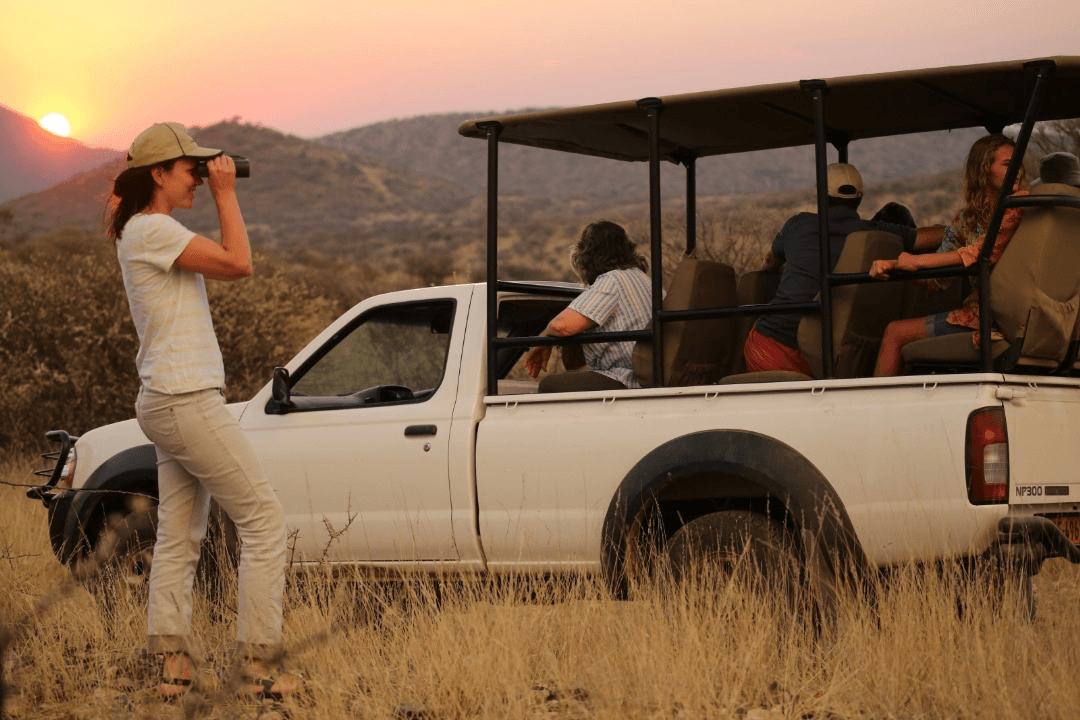
Fuel
Fuel stations are available in all towns and at major road junctions, but distances between them can be 200-300 kilometers. Never pass a fuel station with less than half a tank. Most stations accept credit cards, but carry cash (Namibian dollars) as backup.
Roads
B-roads (tarred): Excellent condition, similar to European highways. Speed limit 120 km/h.
C-roads and D-roads (gravel): Well-graded but bumpy. Drive at 60-80 km/h maximum. Reduce speed when approaching oncoming vehicles (flying gravel can crack windshields). Road conditions vary seasonally — after rains, some gravel roads become muddy and slippery.
Driving Rules
Drive on the left side of the road. Seatbelts are mandatory. Speed cameras are common on tarred roads. Do not drive at night — animals on the road (including large game) are invisible until your headlights hit them, and collisions are often fatal for both parties.
Animals on Roads
This is Namibia's most distinctive driving challenge. Warthogs, springbok, kudu, and even elephants cross roads with little warning. Kudu are the most dangerous — they freeze in headlights and can weigh 300+ kilograms. Drive at reduced speed, especially at dawn and dusk.
Check out this detailed Namibia itinerary guide covering where to go, what to see, and self-drive vs. guided options. Browse all Namibia experiences for additional activities along your route.
When to Go
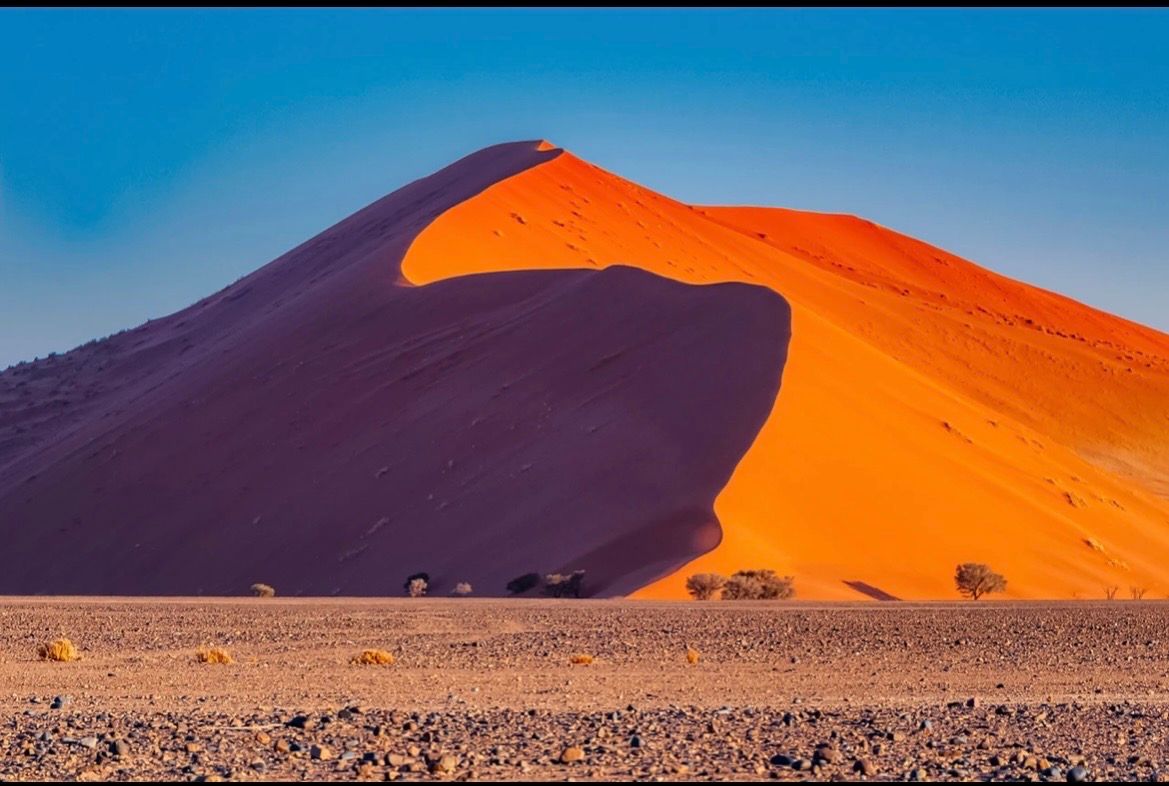
Best months: May through October (dry season). Clear skies, comfortable temperatures, and the best wildlife viewing in Etosha (animals concentrate at waterholes). July-August is peak tourist season — book accommodation and vehicle rental well in advance.
Green season (November-April): Dramatic thunderstorms, lush landscapes, and fewer tourists. Some gravel roads become impassable after heavy rains. Sossusvlei dunes contrast beautifully against green vegetation. Lower prices on everything.
Avoid driving the Caprivi Strip in the wet season — some roads flood and become impassable.
Frequently Asked Questions
Do I need a 4x4?
Not strictly, but it's strongly recommended. A 2WD handles the main highways and most gravel roads, but you'll be limited at Sossusvlei (last section to Deadvlei), some Damaraland routes, and any off-road detours. For peace of mind and full access, a 4x4 is worth the extra cost.
Is it safe to self-drive in Namibia?
Yes. Namibia is one of the safest countries in Africa. The main risk is road-related: gravel road driving at inappropriate speeds and animal collisions at night. Drive conservatively, don't drive after dark, and carry a spare tire and basic tools.
How far in advance should I book?
Peak season (July-October): Book your vehicle 3-6 months ahead. Etosha NWR (national park) camps: 6-12 months ahead (they sell out fast). Popular lodges: 2-4 months ahead.
Green season: 2-4 weeks ahead is usually sufficient.
Can I cross into Botswana or South Africa?
Yes, but most rental agreements require advance notification for cross-border travel, and additional fees and insurance may apply. The Kasane/Kazungula border crossing into Botswana (for Chobe National Park) is commonly used.