Planning a group trip to Africa is one of the most rewarding things you can organize — and one of the most complex. Whether it's a family reunion, a birthday celebration, a wedding party, a university alumni trip, or a friends' adventure, Africa delivers group experiences that bond people in ways few other destinations can.
Group travel in Africa works best when you have the right local hosts and a platform that handles the logistics.
Here's how to plan it right.
Step 1: Choose Your Destination
The right destination depends on your group's priorities, budget, and physical abilities.
For Culture & Heritage Groups
Ghana (Accra + Cape Coast) — ideal for African American heritage trips, Year of Return journeys, and cultural immersion. Cape Coast Castle and Elmina Castle provide powerful shared experiences. Our Detty December package offers curated group itineraries combining festivals, heritage, and nightlife. Accra's food scene and art galleries add depth.
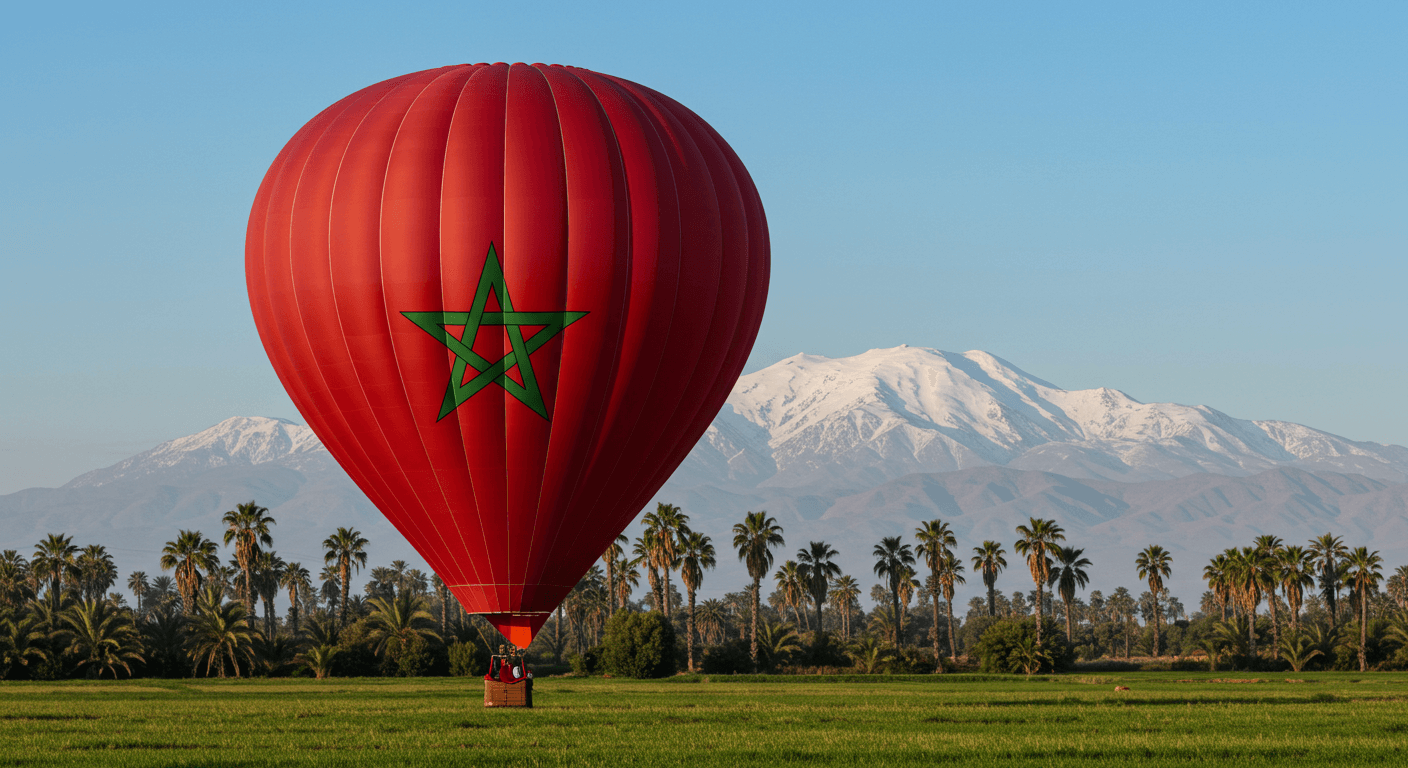
Morocco (Marrakech + Desert) — universally appealing. The medina, Sahara desert camping, and food culture create strong shared experiences across all age groups. Our 5-Day Chefchaouen & Merzouga tour works well for groups wanting a single organized itinerary.
For Safari Groups
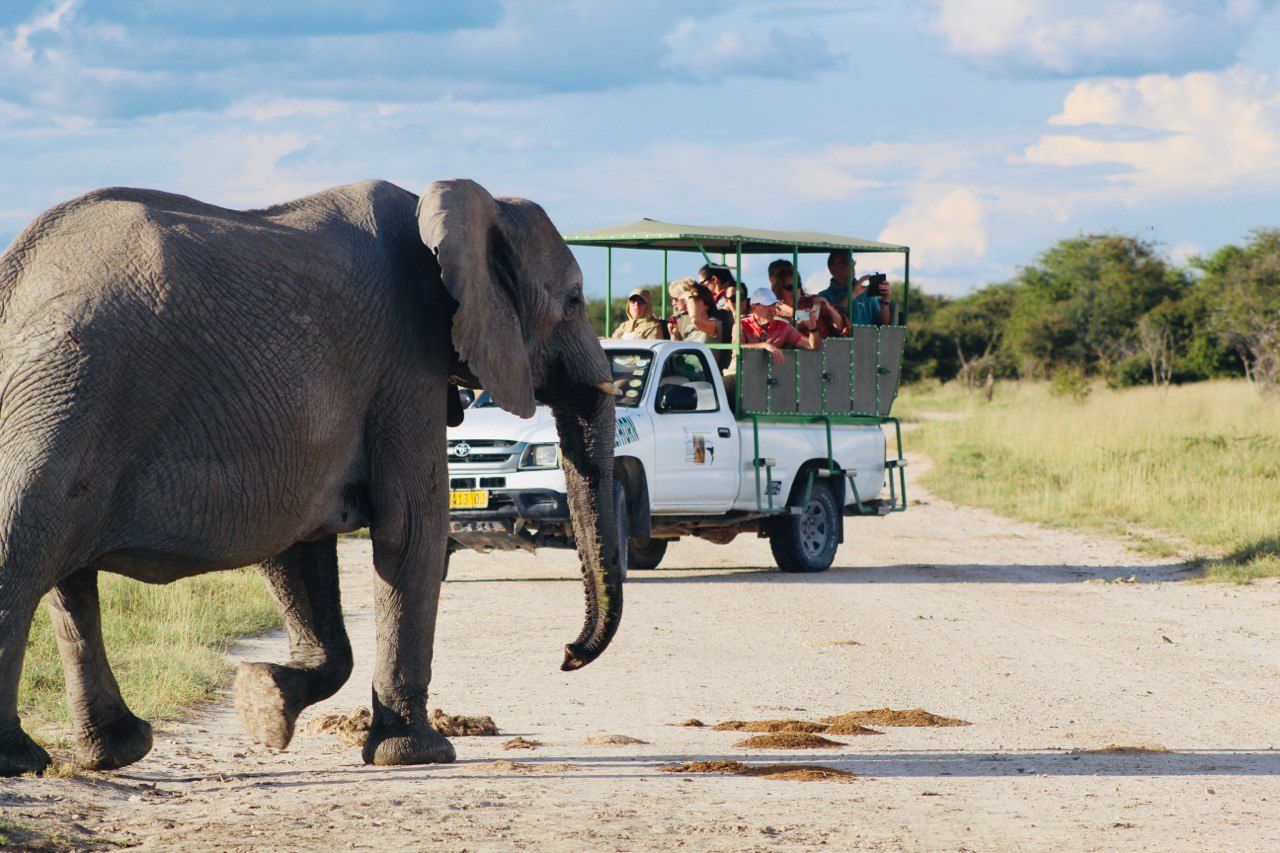
Kenya — the most accessible safari destination for groups. Our 7-Day Masai Mara Multi-Park Safari handles all logistics, and Nairobi's international airport makes gathering easy. Suitable for mixed-fitness groups.
Tanzania (Serengeti + Zanzibar) — premium option combining safari with beach. More expensive than Kenya but the Zanzibar add-on gives the group both adventure and relaxation.
For Adventure Groups
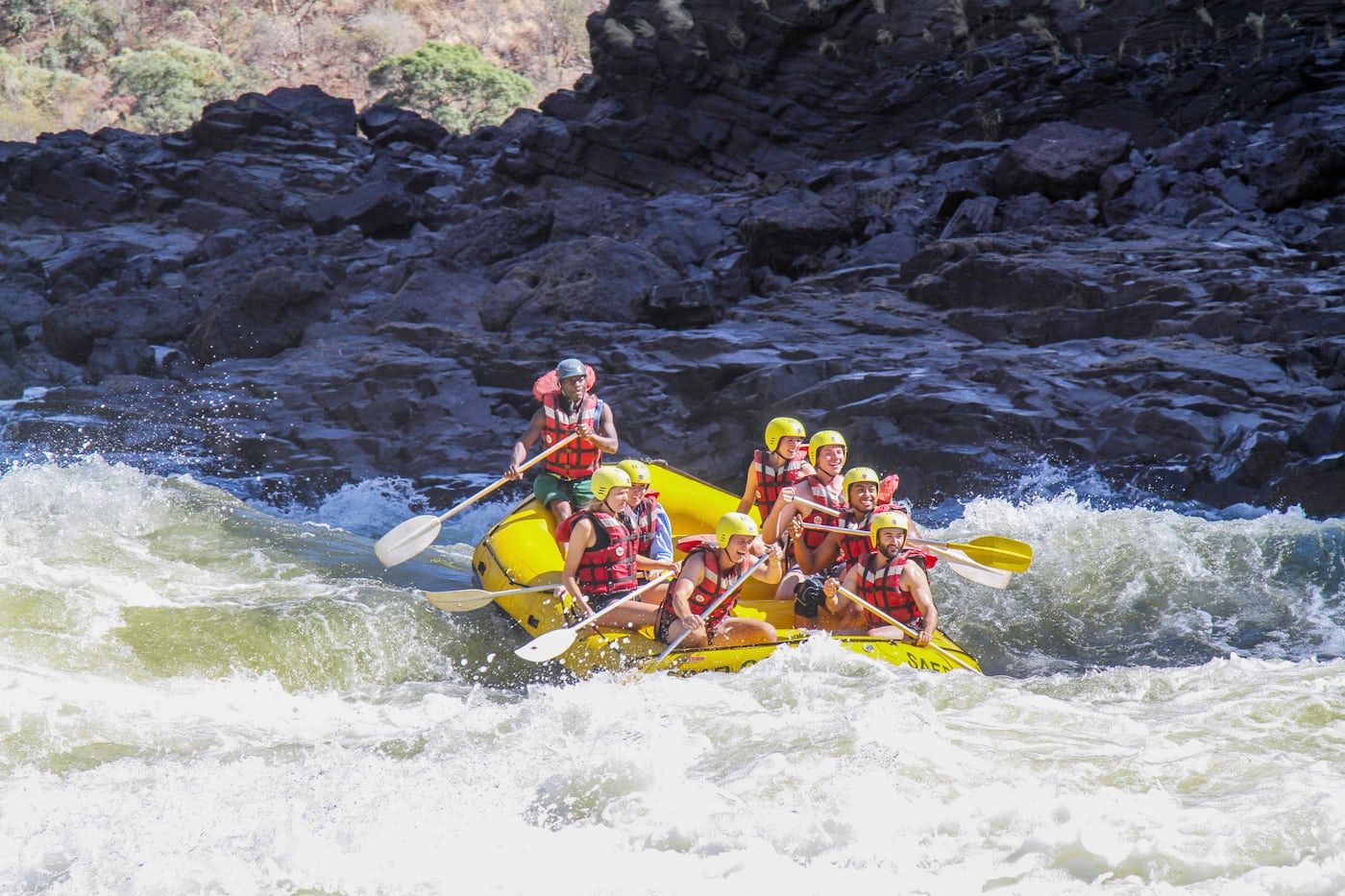
Zambia (Victoria Falls + Livingstone) — adrenaline meets beauty. Rafting, bungee, Devil's Pool, sunset cruises. Our 4-Day Victoria Falls Adventure create natural group bonding. Add a Chobe National Park day trip for safari.
Uganda (Gorilla Trekking) — for groups of 4-8 people. Gorilla permits allow 8 people per gorilla family per day, making it a naturally group-sized experience. Our Kampala City Walk adds a city experience before heading to Bwindi.
For Beach & Relaxation Groups
Cape Verde — emerging destination with excellent island-hopping potential. See our Cape Verde travel guide for island selection.
Zanzibar — proven beach destination with Stone Town cultural add-on. Works well as a post-safari wind-down for larger groups.
Step 2: Set Your Budget — Honestly
Group budgets are where most Africa trip planning falls apart. Different members have different financial capacities, and Africa's pricing varies dramatically between budget and luxury.
Have the Money Conversation Early
Before researching destinations, survey your group on realistic daily budgets. Use these benchmarks:
| Budget Level | Per Person Per Day (Approx.) | Includes |
|---|---|---|
| Budget | $80–$150 | Basic accommodation, 1-2 activities, local food |
| Mid-range | $200–$400 | Comfortable lodges, 2-3 activities, good restaurants |
| Luxury | $500–$1,500+ | Premium camps/hotels, exclusive experiences, fine dining |
Important: These are per-person costs and don't include international flights. For a 7-day trip, multiply by 7 and add flights ($500–$1,500 from the US/UK depending on destination and timing).
Group Pricing Advantages
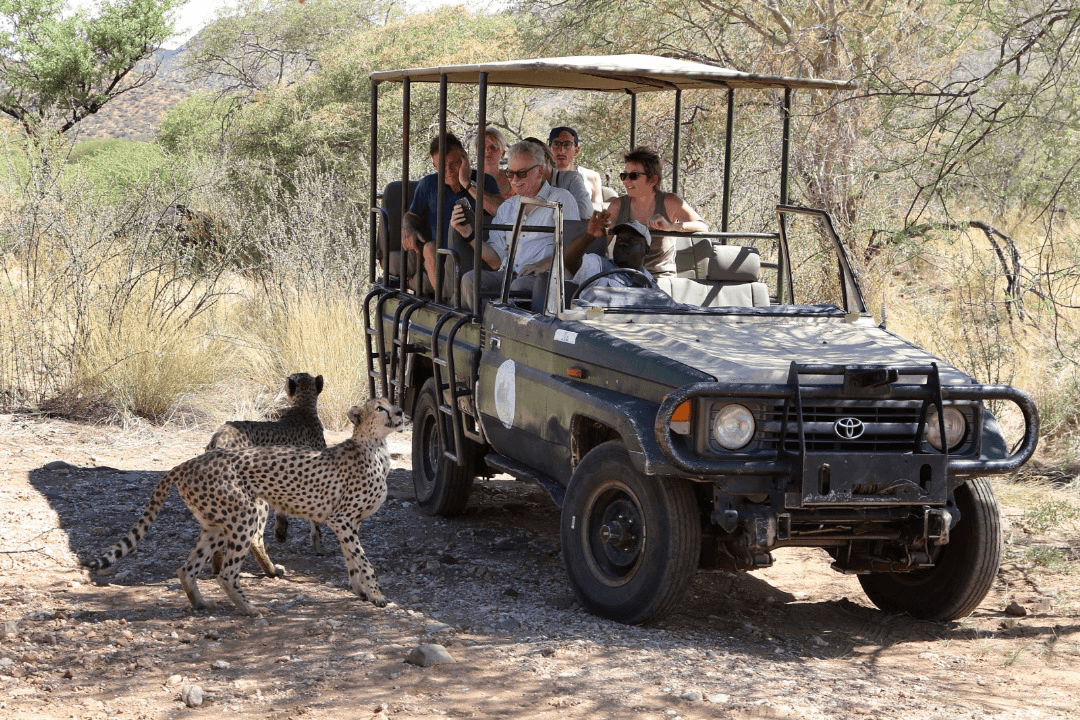
Africa travel has genuine economies of scale for groups. Private safari vehicles typically seat 6-8 people — the per-person cost of a private vehicle drops significantly as your group fills it. Private tours, cooking classes, and cultural experiences often have flat rates that become cheaper per person with larger groups. Some TripZapp hosts offer group discounts for parties of 10+.
Step 3: Handle Logistics
Flights
Book individually but coordinate arrivals. Group flight bookings are rarely cheaper than individual bookings. Instead, agree on a target arrival window (e.g., "arrive in Nairobi on March 15, afternoon") and let each person book their own optimal route.
Tip: Set a deadline for flight booking (at least 3 months before departure). Stragglers who book late pay more, which creates resentment.
Visas
Visa requirements vary by destination and passport. For multi-nationality groups, check each person's requirements early. Key visa shortcuts: the East Africa Tourist Visa ($100) covers Kenya, Uganda, and Rwanda. The KAZA UniVisa ($50) covers Zambia and Zimbabwe.
Assign a visa coordinator — one person who collects everyone's passport details and ensures applications are submitted on time.
Travel Insurance
Non-negotiable for Africa group trips. Medical evacuation coverage is essential — hospitals in remote safari areas are basic. Require every group member to have travel insurance before the trip. Many group organizers make proof of insurance a condition of participation.
Communication
Create a WhatsApp group or similar chat for pre-trip coordination and on-the-ground communication. Wi-Fi availability varies — download offline maps, save confirmation emails, and have key contact numbers accessible without internet.
Step 4: Book Experiences Through a Platform
This is where group trips to Africa succeed or fail. Coordinating multiple activities, transfers, and accommodations across unfamiliar destinations is complex. Individual booking creates logistical chaos — missed pickups, double bookings, miscommunication.
Use a centralized platform for bookings. Benefits for groups:
Vetted local hosts — every experience provider is verified, reducing the "who do we trust?" anxiety that dominates group planning in unfamiliar destinations.
Transparent pricing — everyone sees the same prices. No hidden fees, no currency confusion at point of sale.
Single point of contact — instead of coordinating with 8 different operators via WhatsApp, the platform handles communication and logistics.
Reviews from real travelers — group organizers can share experience pages with members so everyone knows what they're signing up for.
Step 5: Build Your Itinerary
The Golden Rules for Group Itineraries
Don't overschedule. The biggest group trip mistake is cramming too many activities into each day. Africa's pace is different — long drives, hot afternoons, and the simple pleasure of watching a sunset should have space in the schedule. Plan 1-2 activities per day maximum.
Include free time. Not everyone wants to do everything. Build in afternoons where people can choose their own adventure — some will want a nap, others will want to explore the market, others will want to book an extra activity. Forced togetherness for 7 days straight creates tension.
Anchor shared experiences. Identify 2-3 "everyone does this" moments — the safari game drive, the Cape Coast Castle visit, the sunset cruise. These become the shared memories that define the trip. Everything else can be optional.
Mix active and restful days. After a 5 AM safari wake-up, follow with a relaxed day. After a long travel day, plan something low-key. Group energy management is as important as the itinerary itself.
Sample Group Itinerary: 7 Days in Kenya
Day 1: Arrive Nairobi. Group dinner at a local restaurant. Overnight in Nairobi.Day 2: Morning city experience (Karen Blixen Museum, Giraffe Centre). Afternoon depart for Masai Mara. Overnight at lodge.Day 3: Full-day Masai Mara game drives. Optional Maasai village visit. Overnight at lodge.Day 4: Morning game drive. Afternoon free (pool, spa, optional hot air balloon). Overnight at lodge.Day 5: Depart Masai Mara. Drive to Lake Naivasha. Afternoon boat safari for hippos. Overnight at lakeside lodge.Day 6: Drive to Amboseli National Park. Afternoon game drive with Kilimanjaro views. Overnight at camp.Day 7: Sunrise game drive. Depart for Nairobi airport. Farewell lunch en route.
Browse Kenya group experiences or explore all destinations to build your itinerary.
Step 6: Manage Group Dynamics
Assign Roles
Trip organizer: One person owns the overall plan, timeline, and communication. This should be someone who enjoys logistics and doesn't mind being the point of contact.
Treasurer: One person manages the shared fund (if applicable) and tracks group expenses. Use a shared spreadsheet or app (Splitwise works well).
Vibes coordinator: Sounds silly, but someone who keeps energy positive, mediates minor disagreements, and ensures quieter members are included makes a real difference.
Money Management
Shared fund approach: Each person contributes a fixed amount to a group fund that covers shared expenses (accommodation, transport, group meals, shared activities). Personal expenses (drinks, souvenirs, individual activities) come from personal budgets.
Individual booking approach: Each person books and pays for their own experiences to avoid the complexity of collecting and managing money. This requires everyone to book promptly.
Handling Different Budgets
This is the most common source of group conflict. Two approaches that work:
Two-tier planning: Offer a "core itinerary" that everyone joins (set at the budget level the whole group can afford) and "optional upgrades" for members who want to spend more (e.g., helicopter flight, luxury room upgrade, premium experience).
Activity menu: Present a menu of experiences at different price points and let people choose. Some will do rafting ($150), others will do a sunset cruise ($50), others will take the afternoon off (free). Everyone reunites for dinner.
Frequently Asked Questions
What's the ideal group size for Africa?
Four to twelve people is the sweet spot. This fills 1-2 safari vehicles, qualifies for group pricing on many experiences, and is small enough that decisions can be made without endless debate. Groups of 15+ work but require more structured planning and professional coordination.
How far in advance should we plan?
Six to twelve months for peak season (July-October for safari, December for Ghana/Nigeria). Three to six months for shoulder season. Gorilla trekking permits specifically need 3-6 months advance booking due to limited daily permits.
Should we hire a tour operator or plan ourselves?
For first-time Africa groups, a centralized platform offers the best middle ground — you get the flexibility of self-planning with the safety net of vetted local hosts and platform support. Full-service tour operators cost more but handle everything. Pure DIY planning is risky for groups unfamiliar with African logistics.
What about dietary requirements in the group?
Communicate all dietary needs to hosts at least 48 hours before each experience. African cuisine naturally accommodates many diets — vegetarian options are widely available in most countries. Vegan, gluten-free, and halal requests require advance notice but are generally manageable at mid-range and luxury establishments.