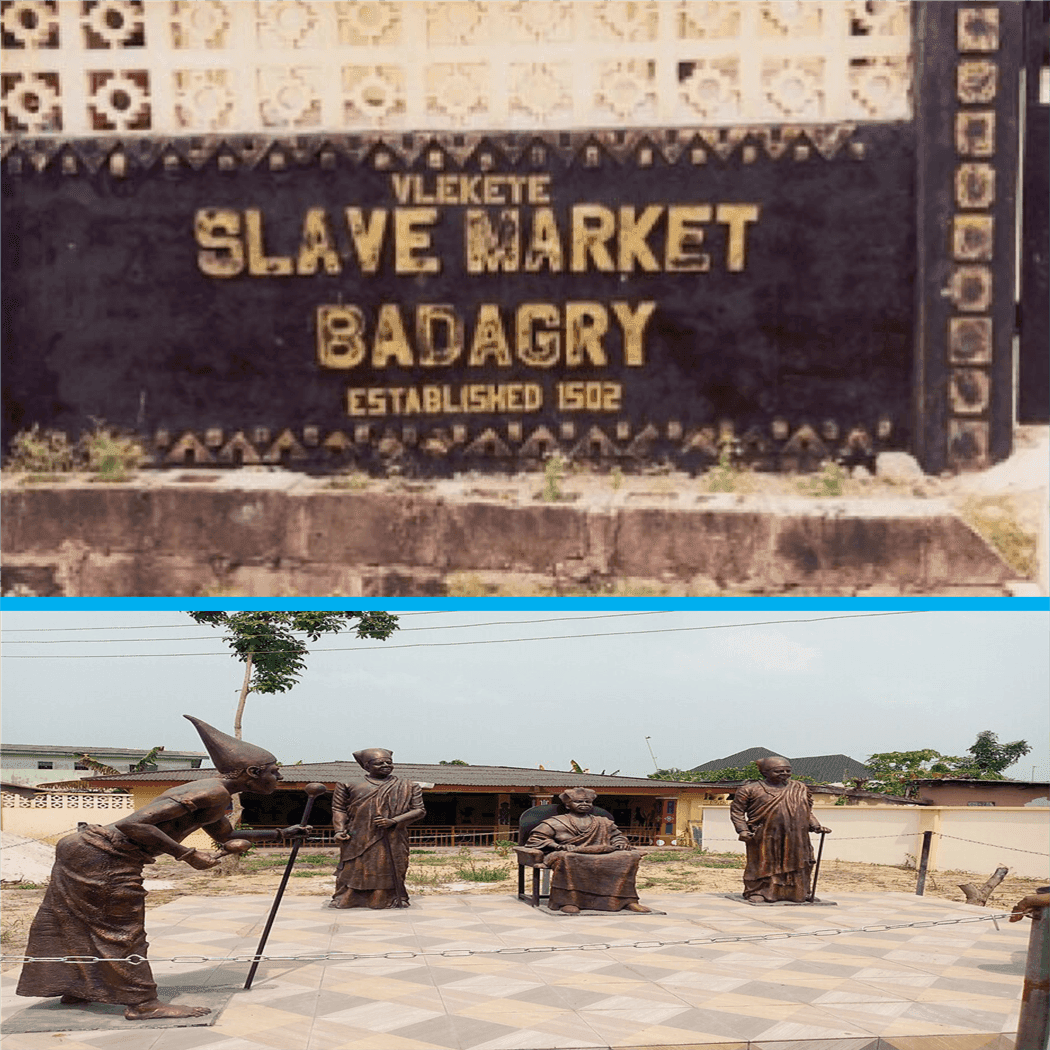
Badagry is a small coastal town one hour west of Lagos that holds one of Africa's most important — and least visited — slave trade heritage sites. For over 300 years, Badagry was a major departure point for enslaved Africans shipped across the Atlantic. The town's slave barracoons, colonial relics, and the "Point of No Return" on Gberefu Island tell a story that's as historically significant as Cape Coast Castle in Ghana or Gorée Island in Senegal, yet receives a fraction of the attention.
For heritage travelers, diaspora visitors tracing ancestral routes, and anyone seeking to understand the full geographic scope of the transatlantic slave trade, Badagry is essential — and its relative obscurity makes the experience more intimate and less commercialized than its better-known counterparts.
What Happened in Badagry
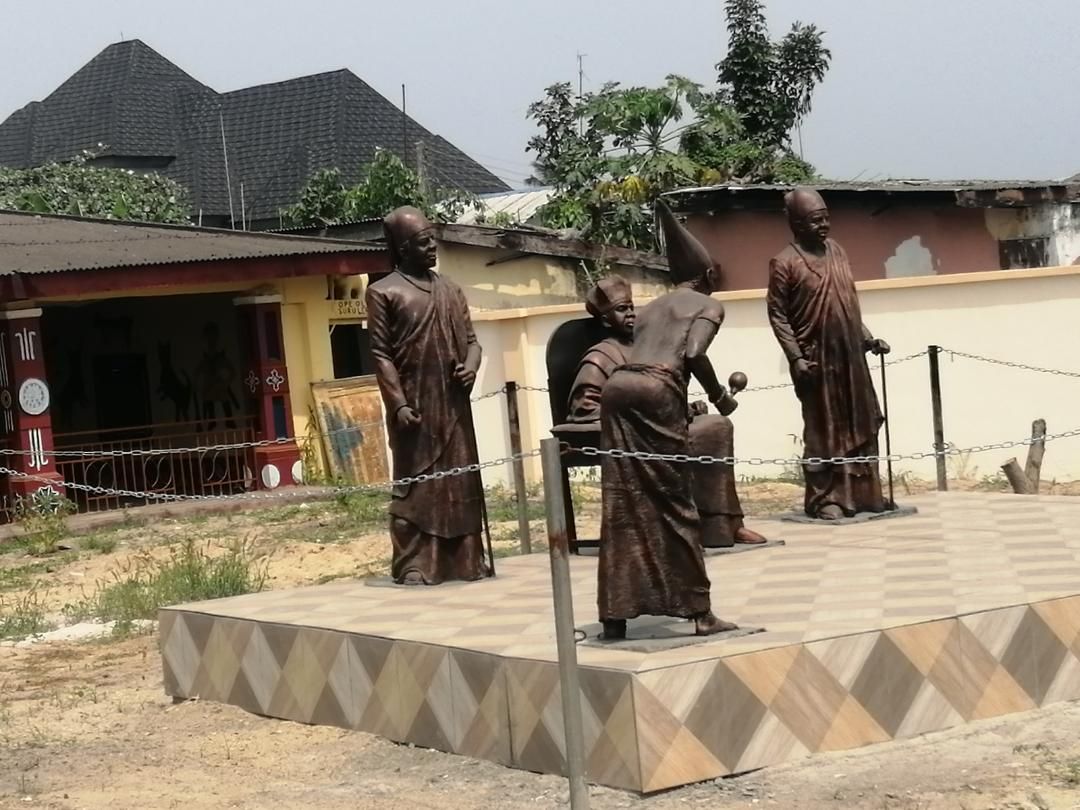
Badagry's involvement in the slave trade began in the early 16th century and continued for over 300 years. Portuguese, Dutch, French, and British traders established operations along this stretch of the Nigerian coast, working with local intermediaries to capture, hold, and transport enslaved people.
At its peak, Badagry was one of the busiest slave ports in West Africa. Enslaved men, women, and children were held in barracoons (slave holding pens) before being marched to the beach, loaded into canoes, paddled to Gberefu Island, and transferred to waiting ships for the Middle Passage across the Atlantic.
The town's location — on a network of creeks and lagoons connecting to the Atlantic — made it strategically ideal for the trade. The waterways provided transport routes while the lagoon system offered protection from the open sea.
What to See
Seriki Abass Slave Barracoon (Slave Museum)
The most important heritage site in Badagry. This compound was owned by Chief Seriki Faremi Abass, a prominent slave trader in the 19th century. The barracoon — the building where enslaved people were held before shipment — has been preserved and converted into a museum.
Inside, you'll see the original shackles, chains, and holding cells. The cramped conditions are visceral — the rooms where dozens of people were confined are shockingly small. The museum also displays photographs, documents, and artifacts relating to the trade.
What to expect emotionally: This is a raw, unpolished heritage site — not a sleek modern museum. The power comes from the authenticity of the space itself. The guide's narration brings the history to life in a way that textbooks cannot.
Entry: Approximately ₦500-1,000 (~$1-2). Guided tour included.
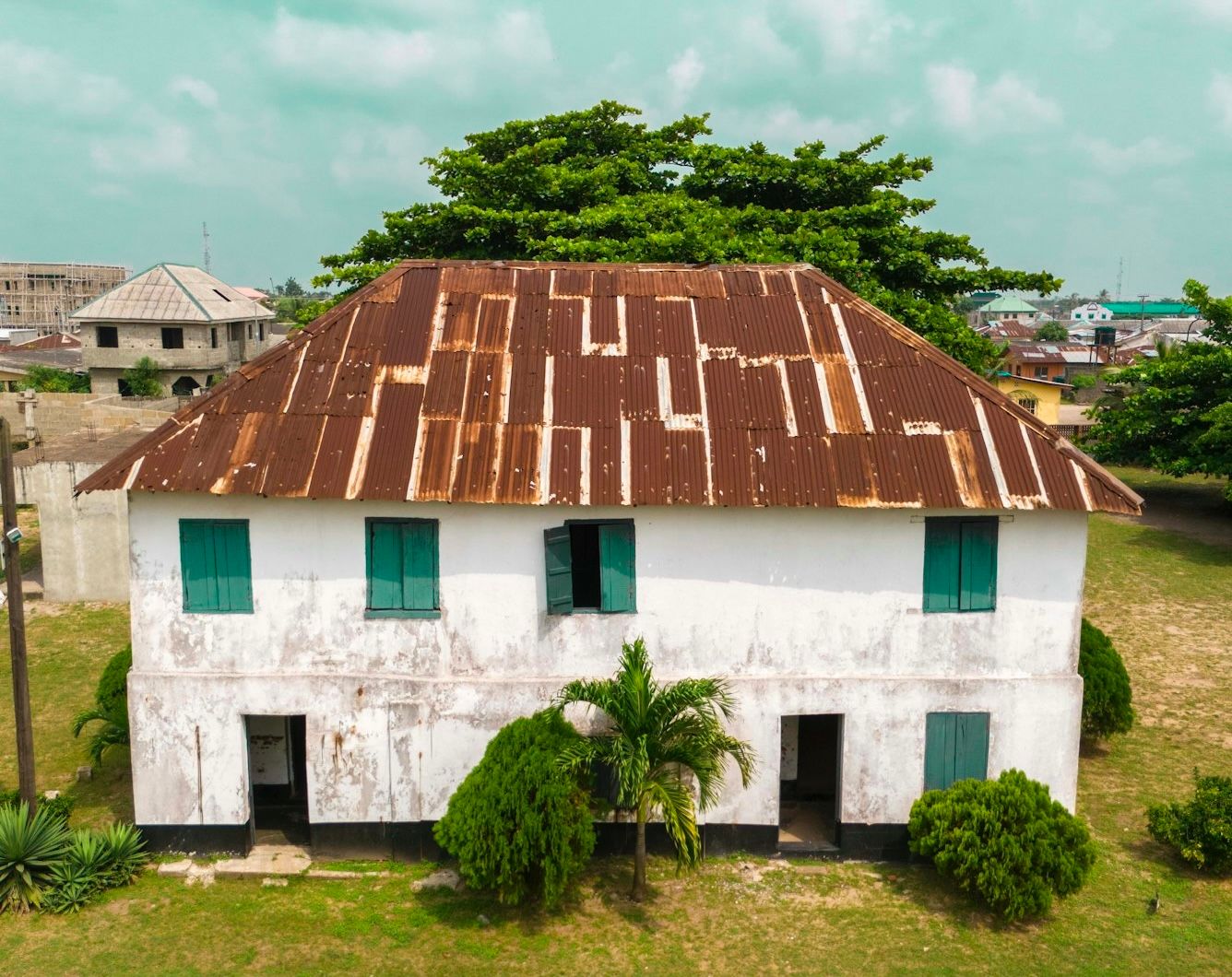
The First Storey Building in Nigeria
Built in 1845 by Reverend Henry Townsend, a CMS (Church Missionary Society) missionary, this is recognized as the first multi-storey building in Nigeria. It served as a mission house and school, representing the arrival of Christianity and Western education in what is now Nigeria. The building has been partially restored and houses exhibits on early missionary activity.
The juxtaposition is historically significant: the same coastal town that exported enslaved people also became the entry point for the forces (Christianity, colonial education) that would reshape West African society.
The Point of No Return (Gberefu Island)
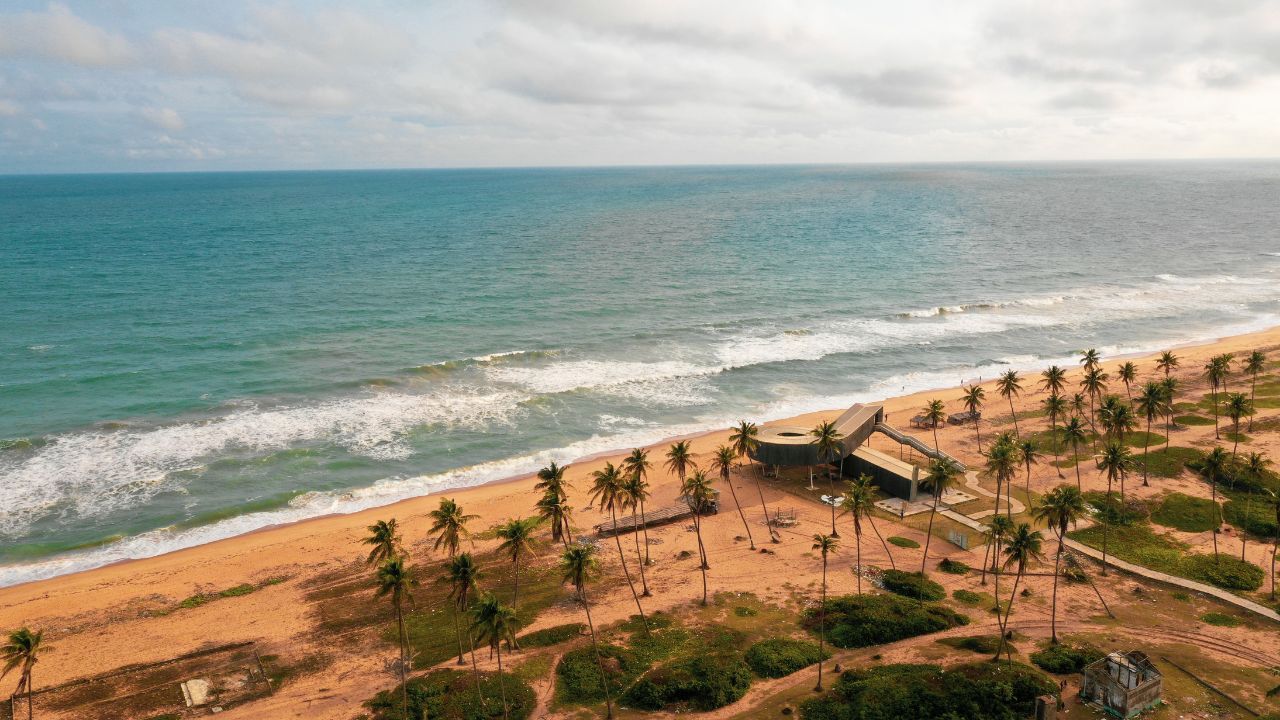
The most emotionally powerful site. Gberefu Island — accessible by a short boat ride from Badagry's waterfront — is where enslaved people took their last steps on African soil. A monument marks the "Point of No Return" — the beach from which canoes departed for the slave ships anchored offshore.
The boat ride through the mangrove-lined creeks to the island is itself part of the experience — you travel the same waterways the enslaved traveled, in the same type of small boat, passing the same landscape. The silence of the creeks, broken only by birdsong and the splash of the paddle, creates a contemplative atmosphere.
On the island, a series of monuments and markers trace the route enslaved people walked from the canoe landing to the departure beach. The final monument — at the water's edge — faces the Atlantic.
Logistics: The boat ride takes approximately 20-30 minutes each way. Boats are arranged through the Badagry Heritage Museum or your tour guide. Cost approximately ₦2,000-5,000 (~$3-8) per person.
The Slave Route Walk
Badagry's heritage trail connects several sites along the route enslaved people were forced to walk — from the barracoons through the town to the waterfront. Markers along the route include the "Spirit of Attenuation Well" (where enslaved people were forced to drink from a well believed to make them forget their homeland) and various holding points.
The full walk takes approximately 1-2 hours with a guide. The route passes through modern Badagry — shops, homes, and daily life continue around the heritage markers, creating a layered experience of past and present.
Badagry Heritage Museum
A small museum near the waterfront housing artifacts, photographs, and documents relating to Badagry's slave trade history. The collection is modest but provides useful context before visiting the individual sites. The museum also covers Badagry's role in early Nigerian Christianity and colonial history.
How to Visit
From Lagos
Distance: Approximately 65 kilometers west of Lagos (1-2 hours by car depending on traffic — Lagos traffic is unpredictable).
Transport options:
- Private car/driver: The most comfortable and reliable option. Arrange through your Lagos hotel or through a reliable platform. A full-day Badagry excursion with driver costs approximately $60-$100.
- Organized tour: Several Lagos-based operators offer guided Badagry day trips including transport, guide, boat to Gberefu Island, and entry fees. Prices from approximately $80-$150 per person.
- Public transport: Shared buses (danfo) run from Lagos to Badagry but are slow, crowded, and not recommended for first-time visitors navigating unfamiliar routes.
Tour Structure
A typical Badagry day trip from Lagos:
8:00 AM: Depart Lagos.9:30-10:00 AM: Arrive Badagry. Start at the Heritage Museum for context.10:30 AM: Visit Seriki Abass Slave Barracoon.11:30 AM: Walk the Slave Route through town.12:30 PM: Boat to Gberefu Island and the Point of No Return.2:00 PM: Return to mainland. Lunch at a local restaurant in Badagry (fresh seafood is the specialty).3:00-4:00 PM: Visit the First Storey Building and any remaining sites.4:30 PM: Depart for Lagos.
Total time: Full day (8-10 hours including travel).
Guide Requirement
A local guide is essential — not just for navigation but for the historical narration that brings each site to life. The heritage sites don't have extensive signage or audio guides. Your guide provides the context, stories, and emotional framing that transform a walk through old buildings into a profound historical experience.
Visiting Responsibly
Emotional Preparation
Like Cape Coast Castle and Elmina in Ghana, Badagry's slave trade sites are emotionally intense. The barracoon shackles, the cramped holding cells, and the Point of No Return confront visitors with the reality of what happened in these spaces. Many visitors — of all backgrounds — are deeply moved.
Allow yourself to feel it. Don't rush. Sit with what you're seeing. Ask questions. The guides are experienced in supporting emotional responses.
Journal afterward. Many visitors find that writing about their experience helps process the visit over the following days.
Photography
Ask permission before photographing inside heritage buildings and especially before photographing guides, staff, or local residents. The sites themselves are generally open to photography, but sensitivity is appropriate given the subject matter.
Community Impact
Badagry is a real town with a functioning local economy beyond tourism. Your visit — the guide fees, boat hire, museum entry, and lunch at a local restaurant — directly supports the community. This is one of the most impactful forms of tourism spending you can do in Nigeria.
Badagry in Context: West Africa's Slave Coast
Badagry sits on what was historically called the "Slave Coast" — the stretch of West African coastline from modern-day Togo through Benin to Nigeria that was one of the most active regions of the transatlantic slave trade. Understanding Badagry in this broader context enriches the visit.
Cape Coast Castle and Elmina (Ghana) — the most visited slave trade heritage sites in West Africa. See our Cape Coast & Elmina Castles guide.
Ouidah (Benin) — another major slave trade departure point, with its own "Route of the Slaves" and "Door of No Return" monument.
Gorée Island (Senegal) — the most internationally famous slave trade site, though historians debate the scale of its actual role in the trade.
A growing number of travelers — particularly from the African diaspora — are visiting multiple sites along the Slave Coast as a heritage pilgrimage, tracing the trade routes from capture to departure. Badagry is a critical and undervisited stop on this route.
Combining Badagry with a Lagos Itinerary
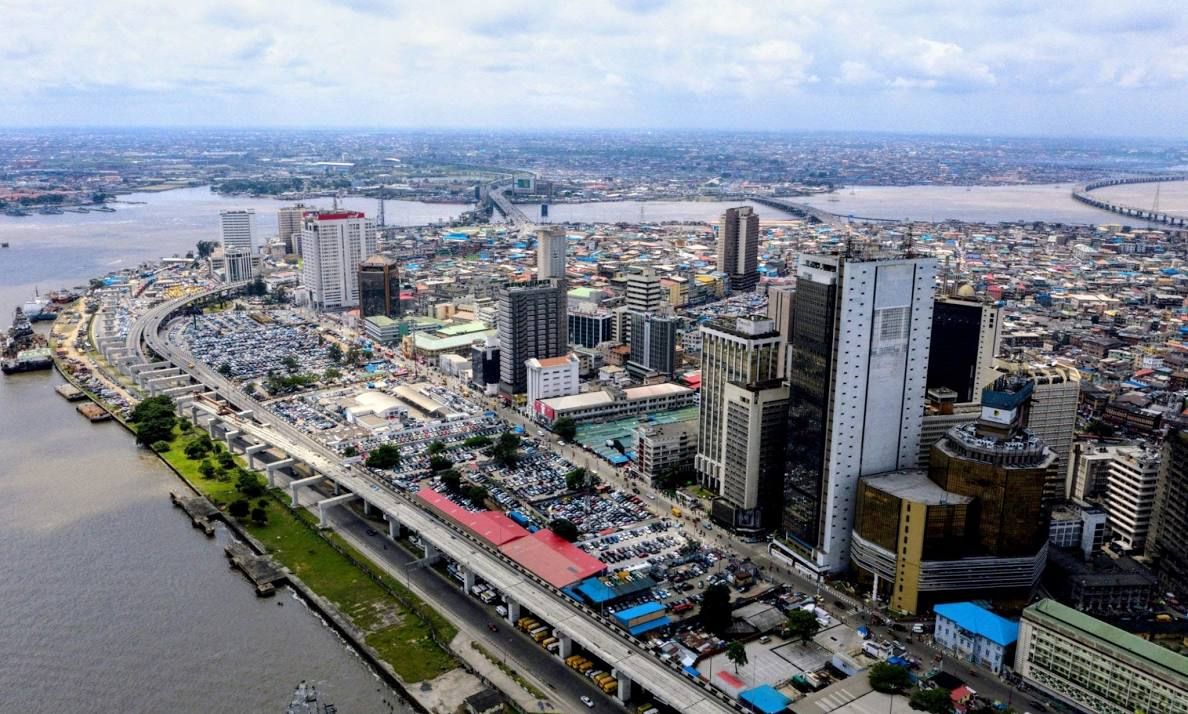
Badagry works naturally as a day trip within a broader Lagos visit:
Day 1: Arrive Lagos. Nike Art Gallery, Lekki Conservation Centre, Victoria Island dinner.Day 2: Badagry Slave Route full-day excursion.Day 3: Makoko floating community canoe tour (morning), Kalakuta Museum / Freedom Park (afternoon), nightlife.
See our Lagos experiences guide for the complete Lagos experience.
Frequently Asked Questions
Is Badagry safe?
Badagry town is generally safe for tourists, particularly when visiting with a guide. The heritage sites are well-established and accustomed to visitors. Standard Lagos-area precautions apply — don't display expensive items, stay with your guide, and use trusted transport.
How does Badagry compare to Cape Coast Castle?
Cape Coast Castle is a larger, more developed heritage site with a more extensive museum. Badagry is smaller, more intimate, and less commercialized — you may be the only visitors at some sites. Both are essential for understanding the slave trade's full geography. Cape Coast focuses on the castle/dungeon experience; Badagry offers the route walk and the boat journey to Gberefu Island.
Can I combine Badagry with a trip to Ghana?
Yes. Lagos to Accra is a 1-hour flight. A powerful heritage itinerary: Lagos (Nike Art Gallery, Makoko) → Badagry (slave route) → fly to Accra → Cape Coast and Elmina Castles → Accra (cultural experiences). This traces the slave trade across two of its most significant West African departure zones.
Is Badagry suitable for children?
The content is emotionally heavy and graphically honest about the slave trade. Parents should use judgment based on their children's maturity and readiness for this material. Teenagers (14+) generally find the experience educational and impactful. Younger children may find the barracoon and shackles distressing.