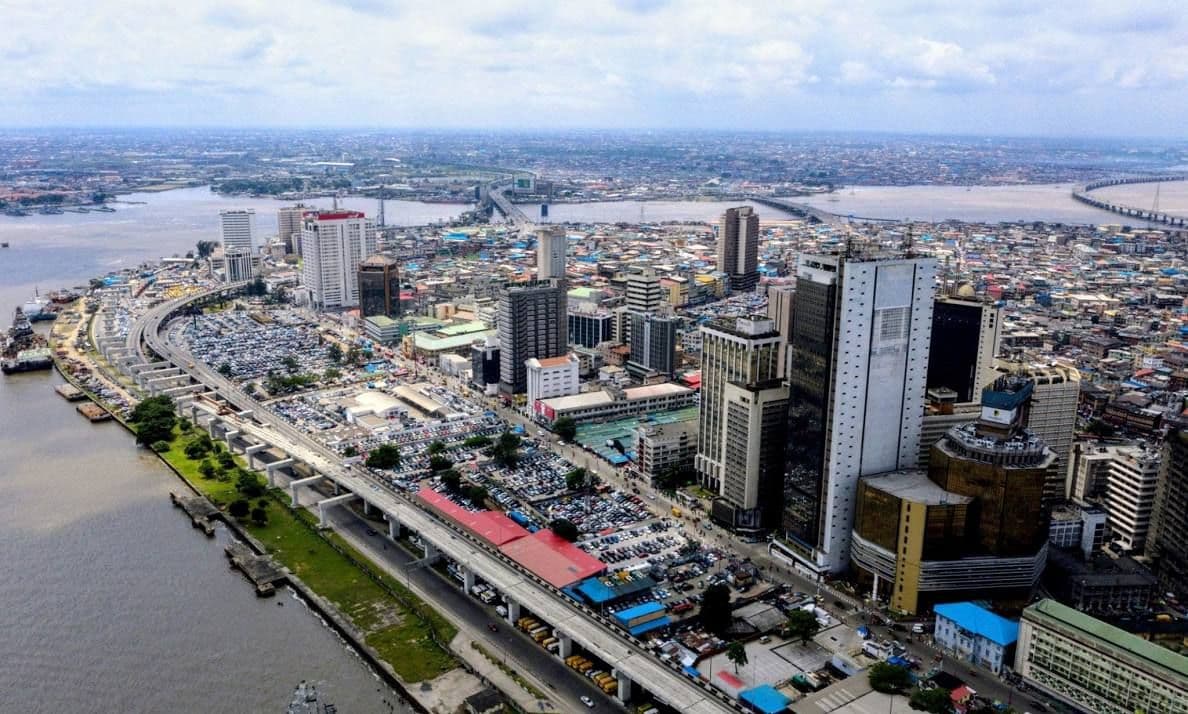
Lagos is Africa's largest city by some estimates — a sprawling, high-energy metropolis of over 20 million people that runs on hustle, creativity, and Afrobeats bass lines. In 2026, Artsy named Lagos one of the top seven art destinations in the world, alongside cities like London and Tokyo. That recognition surprised no one who'd been paying attention.
This is not a city you visit for quiet relaxation. Lagos is intense, overwhelming, and completely alive. It rewards travelers who come with curiosity, patience, and an appetite for experiences that don't exist anywhere else on the planet.
Understanding Lagos Before You Go
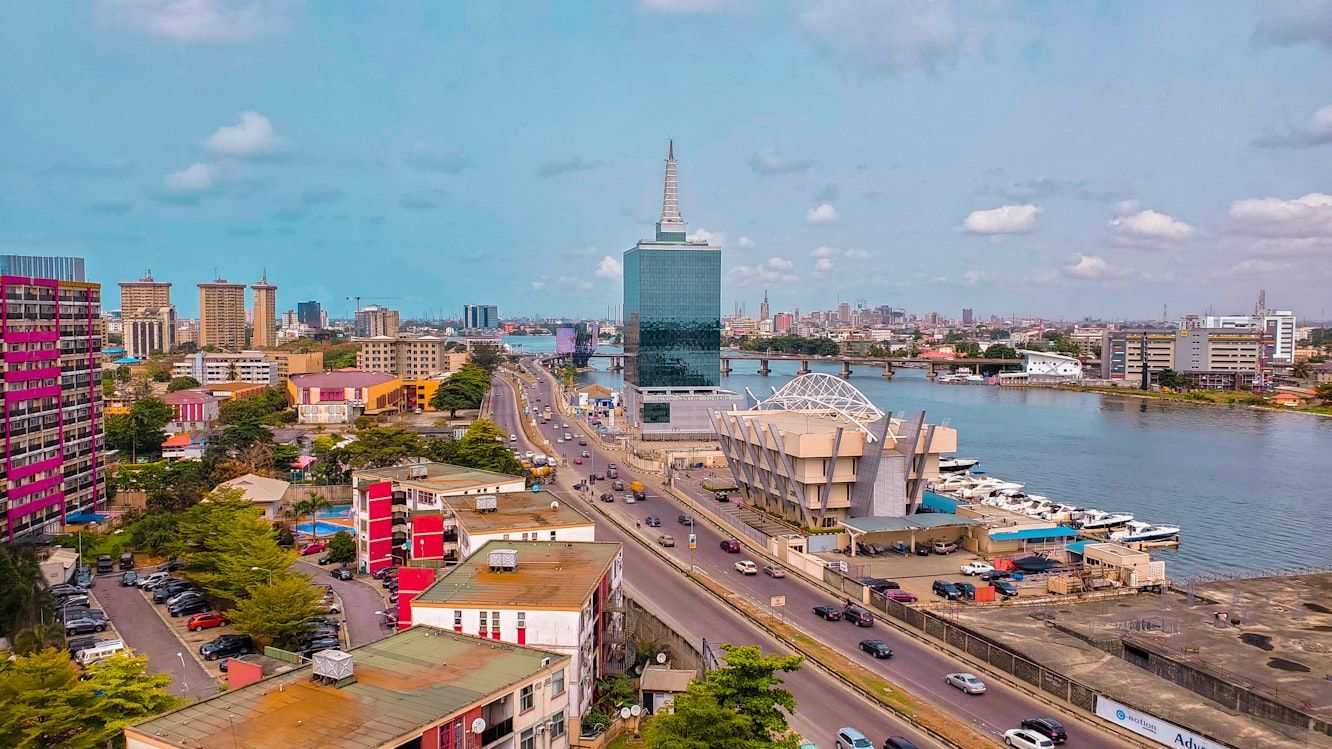
Lagos is not set up for casual tourism the way Accra or Nairobi are. Traffic is legendary — a 10-kilometer journey can take two hours. Infrastructure is inconsistent. Navigation is best handled by a local who knows the rhythms of the city.
That said, Lagos delivers experiences that are genuinely impossible to replicate elsewhere: the world's largest collection of original African art at a single gallery, floating communities you reach by canoe, a live music scene that birthed an entire global genre, and street food that rivals any food capital on Earth.
The key to enjoying Lagos: Book experiences with local guides, use a driver rather than navigating yourself, and embrace the organized chaos. This is a city that reveals itself to those who engage with it, not those who observe it from a distance.
Art & Culture
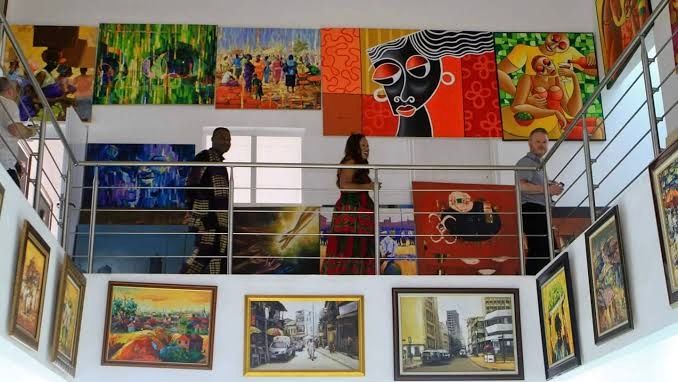
Nike Art Gallery
Chief Nike Davies-Okundaye's four-story gallery in Lekki is the single most important art destination in Lagos — and arguably in West Africa. The collection spans over 7,000 pieces: traditional textiles, contemporary paintings, sculptures, and mixed-media works from artists across Nigeria and the continent.
The building itself is overwhelming in the best way — every wall, floor, and surface is covered with art. Plan at least 2 hours. Entry is free, though you can purchase pieces directly. The gallery also hosts textile workshops where you can learn adire (indigo-dyed cloth) and other traditional techniques.
Àkéte Museum
Opened in 2025, the Àkéte Museum in Onikan is Lagos's newest cultural landmark — an architectural masterpiece housing exhibitions on Yoruba philosophy, heritage, and contemporary Nigerian identity. High-tech installations meet traditional artifacts in a space that's already become a must-visit for anyone interested in West African culture.
The Kalakuta Museum
The former home of Fela Anikulapo Kuti — the godfather of Afrobeat music and one of Africa's most influential cultural figures. The museum preserves Fela's personal belongings, musical instruments, album covers, and the bedroom and living room where much of his revolutionary music was conceived. If you have any interest in African music history, this is a pilgrimage.
Freedom Park
Built on the site of a former colonial prison, Freedom Park is now a cultural center hosting live jazz, theatre, art exhibitions, and spoken word events in an open-air setting. It's a peaceful oasis within Lagos's intensity and a powerful symbol of Nigeria's journey from colonialism to independence.
Music & Nightlife
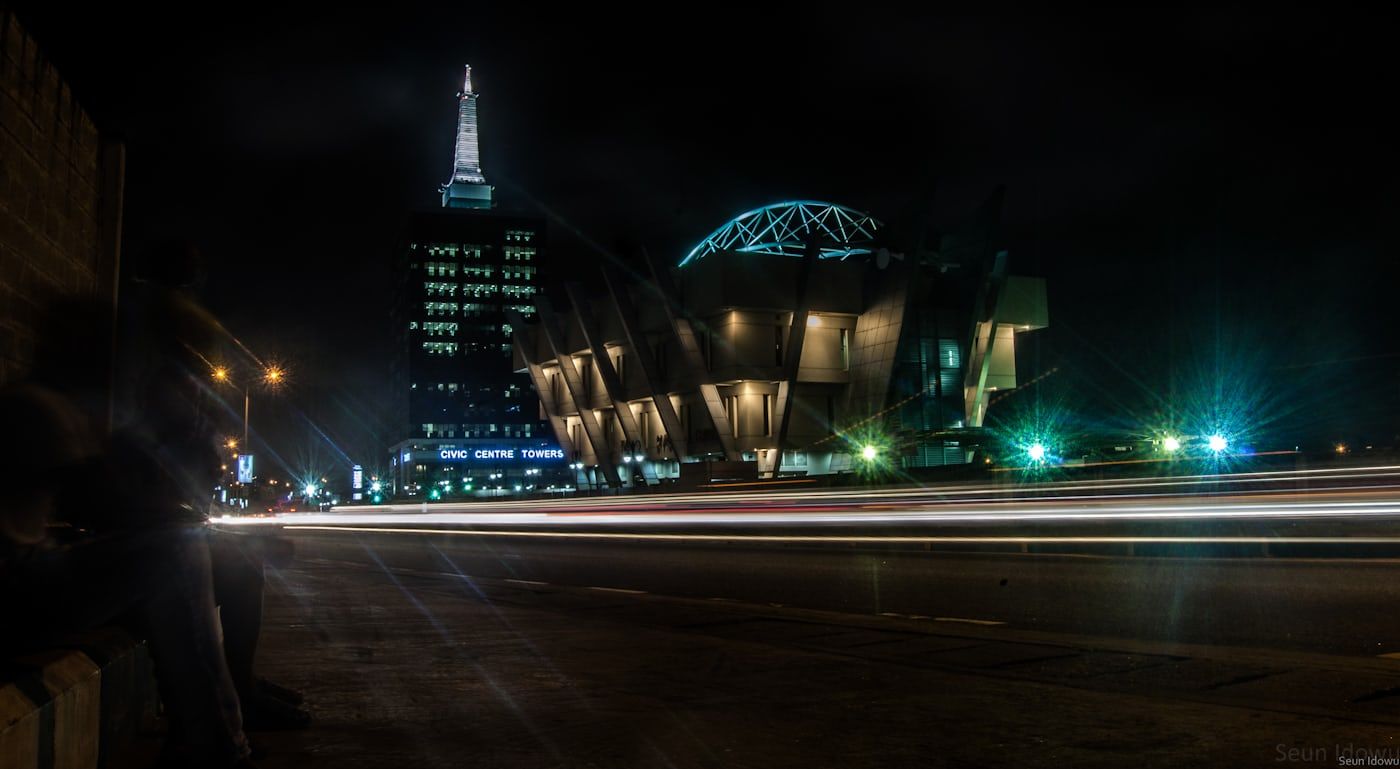
Lagos is the birthplace of Afrobeats — the genre that has conquered global music charts and soundtracks. The city's nightlife reflects that musical dominance.
Live Music
Fela's New Afrika Shrine in Ikeja continues the legacy of the original Afrika Shrine, hosting live Afrobeat performances regularly. The energy is electric, the crowd is a mix of locals and visitors, and the music is the real thing — not a tourist recreation.
For something more intimate, Jazz Hole in Ikoyi combines a bookshop with live jazz and acoustic performances. It's a Lagos institution that attracts artists, writers, and musicians.
Clubs and Nightlife
Victoria Island and Lekki form the nightlife epicenter. Quilox, Hard Rock Café Lagos, and Sky Lounge are among the venues where Lagos's social elite gather. Things don't get started until after 11 PM and run well into the early morning.
Important note: Lagos nightlife is expensive by Nigerian standards but moderate by international standards. Expect cover charges at premium venues and dress codes (smart casual to upscale).
Heritage & History
Badagry Slave Route
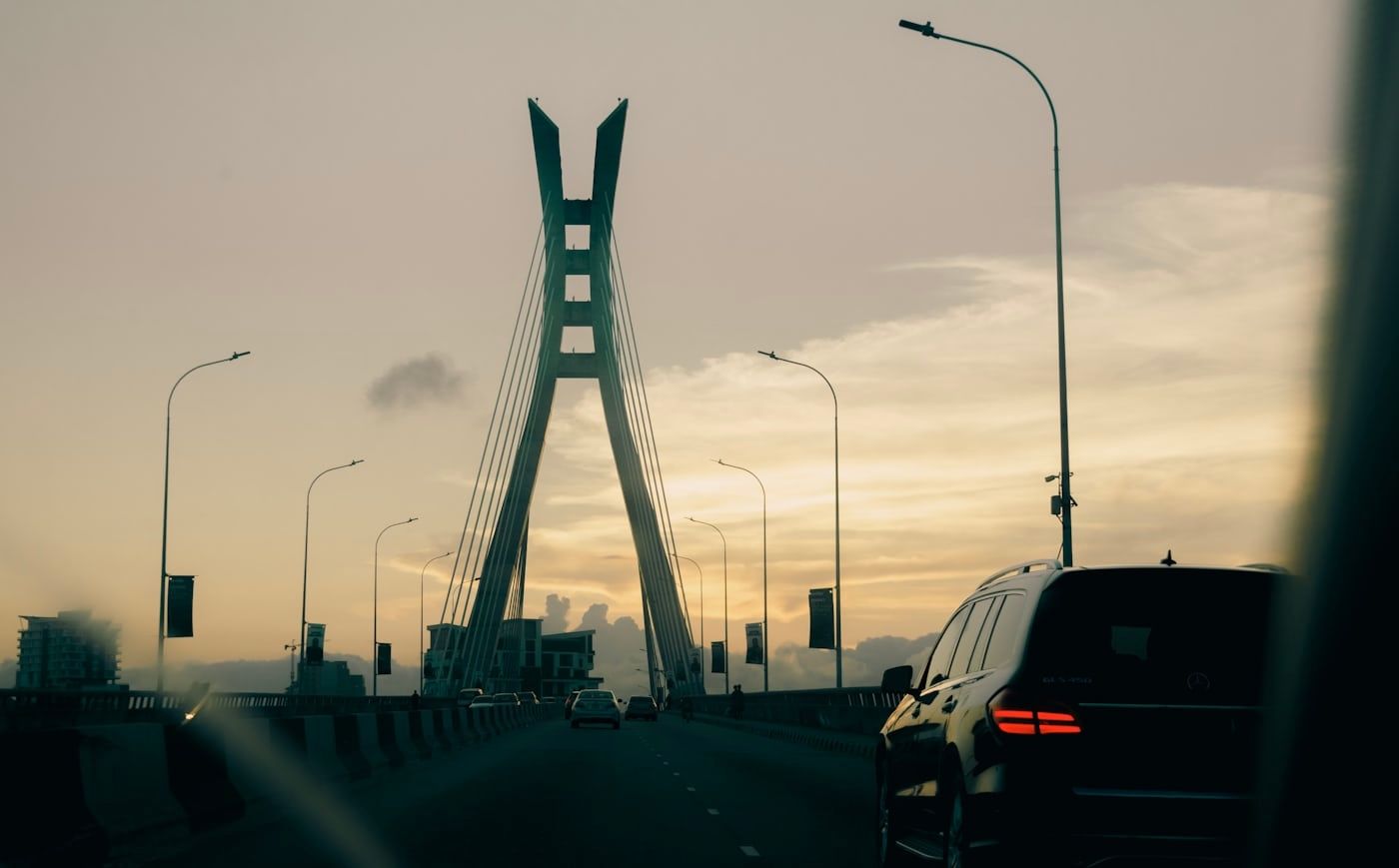
One hour west of Lagos, Badagry is Nigeria's equivalent of Cape Coast — a sobering heritage site documenting the transatlantic slave trade from the Nigerian coast. The route includes the Seriki Abass Slave Barracoon (where enslaved people were held), the First Storey Building in Nigeria (a colonial relic), and the "Point of No Return" on Gberefu Island, reached by boat.
This is an essential experience for heritage travelers and anyone seeking to understand the full geographic scope of the slave trade across West Africa.
National Museum Lagos
Located on Onikan Island, the museum houses archaeological finds from across Nigeria, traditional royal regalia, and contemporary art. The collection is modest compared to international standards but provides important context for understanding Nigeria's diverse cultural heritage.
Markets & Street Life
Lekki Arts and Crafts Market
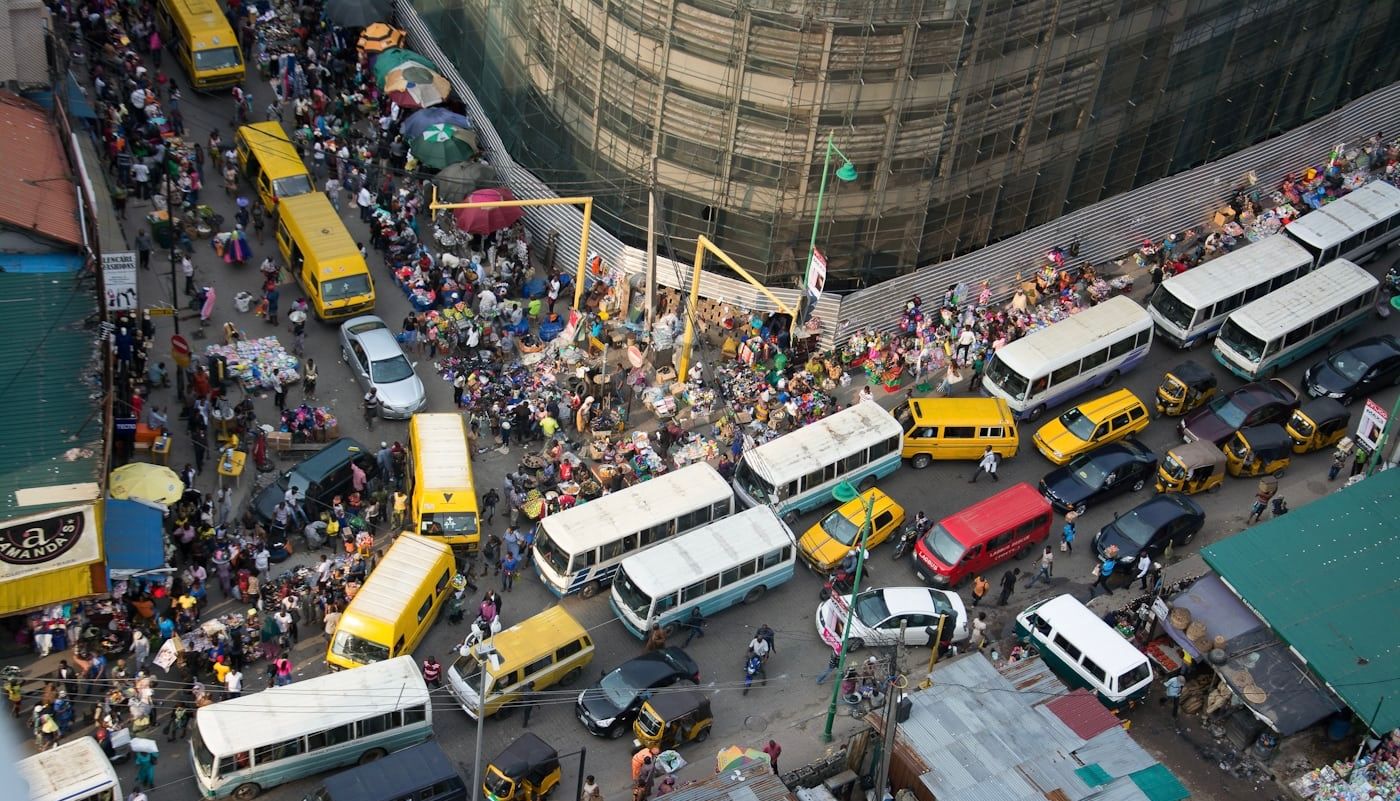
The go-to market for souvenirs, traditional textiles, carvings, beadwork, and leather goods. Prices are negotiable and vendors expect haggling. Quality varies — take time to examine items before purchasing.
Makoko Floating Community
One of Lagos's most extraordinary sights, Makoko is a community of approximately 100,000 people living in houses built on stilts over the Lagos lagoon. Guided canoe tours take you through the community, where you'll see daily life played out on the water — markets, schools, churches, and homes all floating on the lagoon.
Important: Visit only with a reputable local guide who has relationships with the community. This is a real neighborhood, not a tourist attraction, and respectful engagement is essential. Photography should be done with permission.
Food
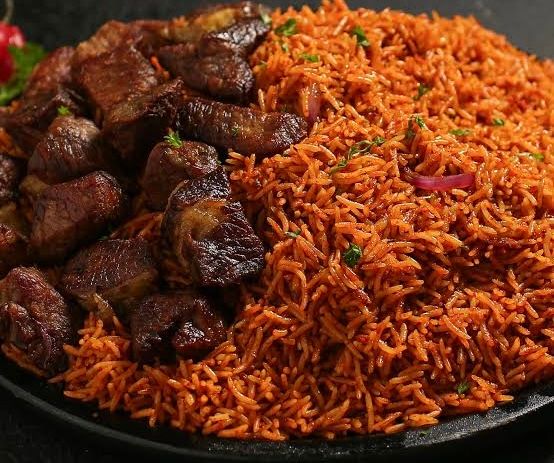
Lagos's food scene is vast and deeply flavorful. Nigerian cuisine is bold, spice-forward, and endlessly varied.
Must-Try Dishes
Jollof rice — the Nigerian version. The Ghana-Nigeria jollof debate is the greatest food rivalry in Africa. Try it here and form your own opinion.
Suya — grilled, spiced meat skewers sold from roadside stands across the city. The spice mix (yaji) is a proprietary blend of ground peanuts, ginger, cayenne, and other spices. Best eaten standing at the suya spot, wrapped in newspaper.
Pepper soup — an intensely spiced broth with goat, catfish, or assorted meat. A Lagos staple, particularly late at night.
Pounded yam and egusi soup — the quintessential Nigerian meal. Egusi (ground melon seed) soup with vegetables, served with pounded yam for dipping. Rich, filling, and deeply satisfying.
Where to Eat
Street food: Obalende food hub is famous among Lagos locals. Guided food tours through local neighborhoods are the best way for visitors to navigate the street food scene safely and knowledgeably.
Restaurants: Terra Kulture (Victoria Island) combines a restaurant with an art gallery and theatre. Yellow Chilli by Chef Ade Olanipekun serves elevated Nigerian cuisine. For beachside dining, the Landmark Beach restaurants offer ocean views with your meal.
Beaches
Elegushi Royal Beach
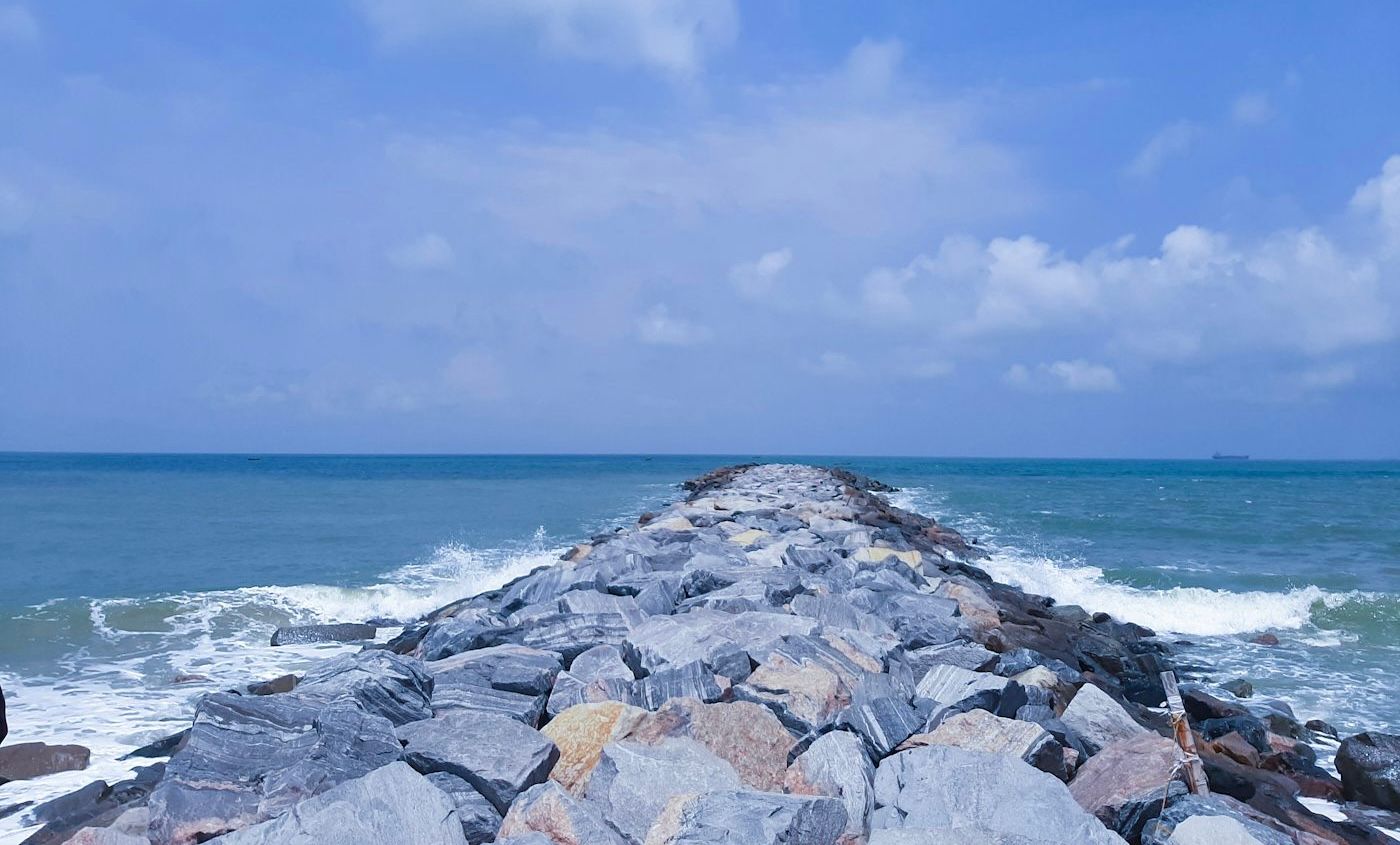
Lagos's most popular private beach in Lekki. Entry fee gives you access to restaurants, bars, and beach vendors. Weekends are lively with music and events.
Tarkwa Bay Beach
Reached by a 15-minute boat ride from Victoria Island, Tarkwa Bay offers a more sheltered, quieter beach experience. Popular with surfers and swimmers looking to escape the mainland crowds.
Practical Information
Getting Around
Do not drive yourself. Lagos traffic is genuinely extreme, and navigation requires local knowledge. Options include:
Bolt/Uber — works well in Victoria Island, Ikoyi, and Lekki. Less reliable on the mainland.
Private driver — for a full day of sightseeing, hire a driver through your hotel or a tour platform. This is the most comfortable option and costs approximately $40-80 per day.
BRT bus — Lagos has a bus rapid transit system that works along major corridors. Functional but crowded during rush hours.
Boats — water taxis operate between Victoria Island and the mainland. A unique and traffic-free way to travel.
Safety
Lagos requires more awareness than many tourist destinations. Stick to known areas (Victoria Island, Ikoyi, Lekki, Ikeja GRA), use trusted transport, and follow the guidance of local hosts. Avoid walking alone at night in unfamiliar neighborhoods. Book Lagos experiences where hosts are vetted.
When to Visit
Best months: November through March (dry season). December is peak for events and nightlife. The rainy season (April-July) brings heavy afternoon downpours but mornings are usually clear.
How many days: 3-4 days covers the highlights. Add a day for Badagry if heritage tourism interests you.
Budget
Lagos is moderately priced. Street food meals cost $1-5, restaurant meals $10-30, a private driver for the day $40-80. Accommodation ranges from $30/night (budget) to $200+/night (luxury hotels in Victoria Island).
Check out all Lagos experiences — including kayaking, cultural tours, and guided market visits hosted by trusted locals.
Frequently Asked Questions
Is Lagos safe for tourists?
Lagos requires more caution than some other African cities, but it's safe for prepared travelers. Stick to known neighborhoods, use trusted transport, and travel with local guides. Violent crime against tourists is uncommon in tourist areas, but petty crime and traffic accidents are the main risks.
Do I need a visa for Nigeria?
Yes. Most nationalities require a visa. US and UK citizens should apply in advance through the Nigeria Immigration Service portal. Processing can take 1-3 weeks. The eVisa system has improved but allow extra time.
Can I combine Lagos with Accra?
Yes — and many travelers do. Direct flights between Lagos and Accra take about 1 hour. A common itinerary is 3-4 days in Lagos + 3-4 days in Accra, combining Nigeria's urban intensity with Ghana's historical and cultural depth.