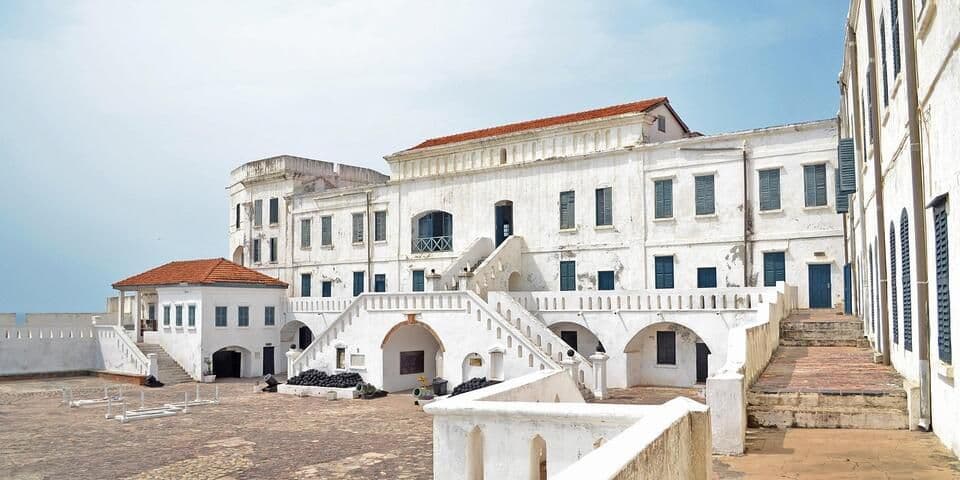
Accra is one of Africa's most vibrant and underrated cities. Ghana's capital is a sprawling, high-energy metropolis where colonial history meets contemporary art, street food sizzles on every corner, and the nightlife runs until sunrise. For diaspora travelers, first-time Africa visitors, and anyone looking beyond the typical safari route, Accra delivers an experience unlike anywhere else on the continent.
Here's what's actually worth your time — from cultural landmarks and markets to beaches, day trips, and the experiences that make Accra unforgettable.
Historic Sites & Cultural Landmarks
Accra's history runs deep, and several landmarks are essential for understanding both Ghana's past and its present identity.
Kwame Nkrumah Mausoleum & Memorial Park
The final resting place of Ghana's first president and Pan-African icon sits in a peaceful park in central Accra. The mausoleum is surrounded by fountains, and the attached museum documents Nkrumah's role in leading Ghana to independence in 1957. Entry is approximately $5, and the visit takes about an hour.
This is more than a tourist attraction — it's a pilgrimage site for anyone interested in African independence movements and the Pan-African vision.
Independence Square & Black Star Gate
Independence Square (also called Black Star Square) is one of the largest public squares in the world. The Black Star Gate monument is an iconic symbol of Ghanaian sovereignty. The square hosts national celebrations and is worth visiting for the architecture and symbolism alone, even outside of events.
Jamestown & Ussher Fort
Jamestown is Accra's oldest neighborhood — a coastal fishing community with colonial-era buildings, a working lighthouse, and vibrant street art. Walk through the narrow lanes to see daily life in one of Accra's most character-rich districts. The nearby Ussher Fort Museum documents the transatlantic slave trade from a West African perspective, with exhibits including shackles, paintings, and model slave ships.
A guided walking tour of Jamestown is the best way to experience this area — local guides provide historical context and introduce you to community members.
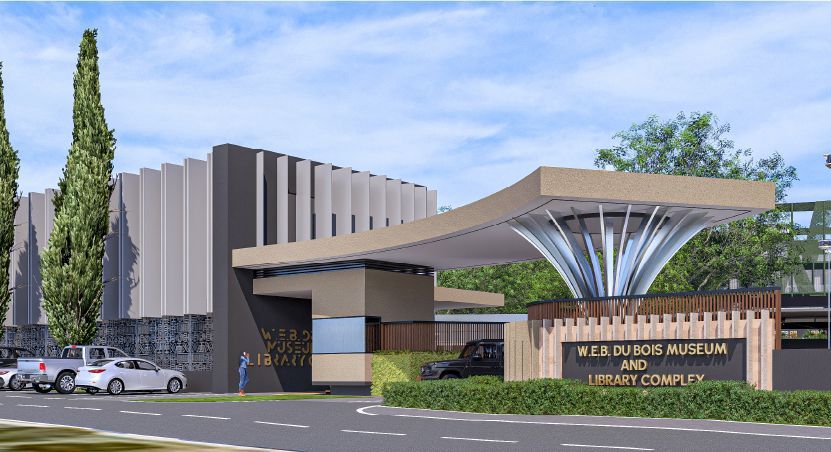
W.E.B. Du Bois Centre
The former home and burial site of W.E.B. Du Bois, the African American civil rights leader who became a Ghanaian citizen late in life. The centre houses his personal library and documents his contributions to Pan-Africanism. For African American travelers especially, this is a deeply meaningful visit.
Markets & Shopping
Makola Market
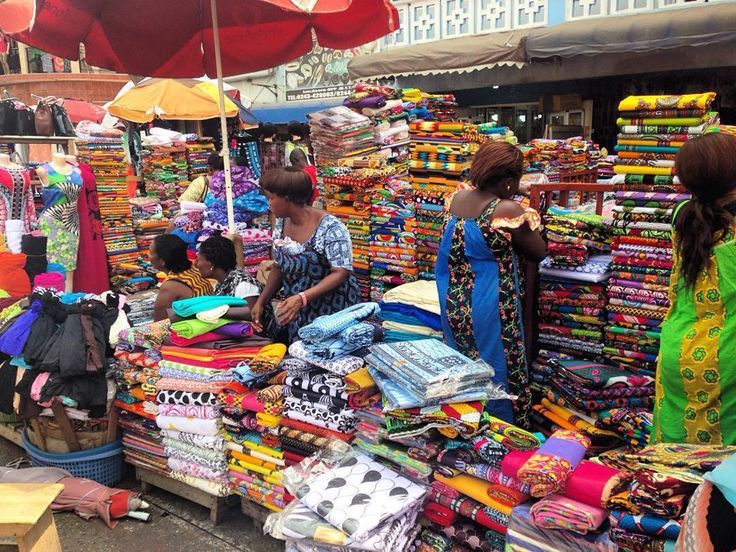
Accra's largest and most chaotic market is an experience in itself. Spread across multiple blocks in central Accra, Makola sells everything from textiles and spices to electronics and household goods. The energy is overwhelming in the best way — vendors call out, goods are transported on heads, and the colors of kente and wax print fabrics fill every aisle.
Haggling is expected and part of the fun. Start at about half the quoted price and negotiate from there. The fabric section is where you'll find the best kente cloth and African print textiles at wholesale prices.
Arts Centre (Centre for National Culture)
This open-air market near the National Theatre is where you'll find carvings, beadwork, drums, paintings, and other Ghanaian crafts. Prices are tourist-adjusted but still reasonable, and you can watch artisans at work. This is a better option than Makola if you specifically want souvenirs and crafts.
Beaches & Outdoor Experiences
Labadi Beach
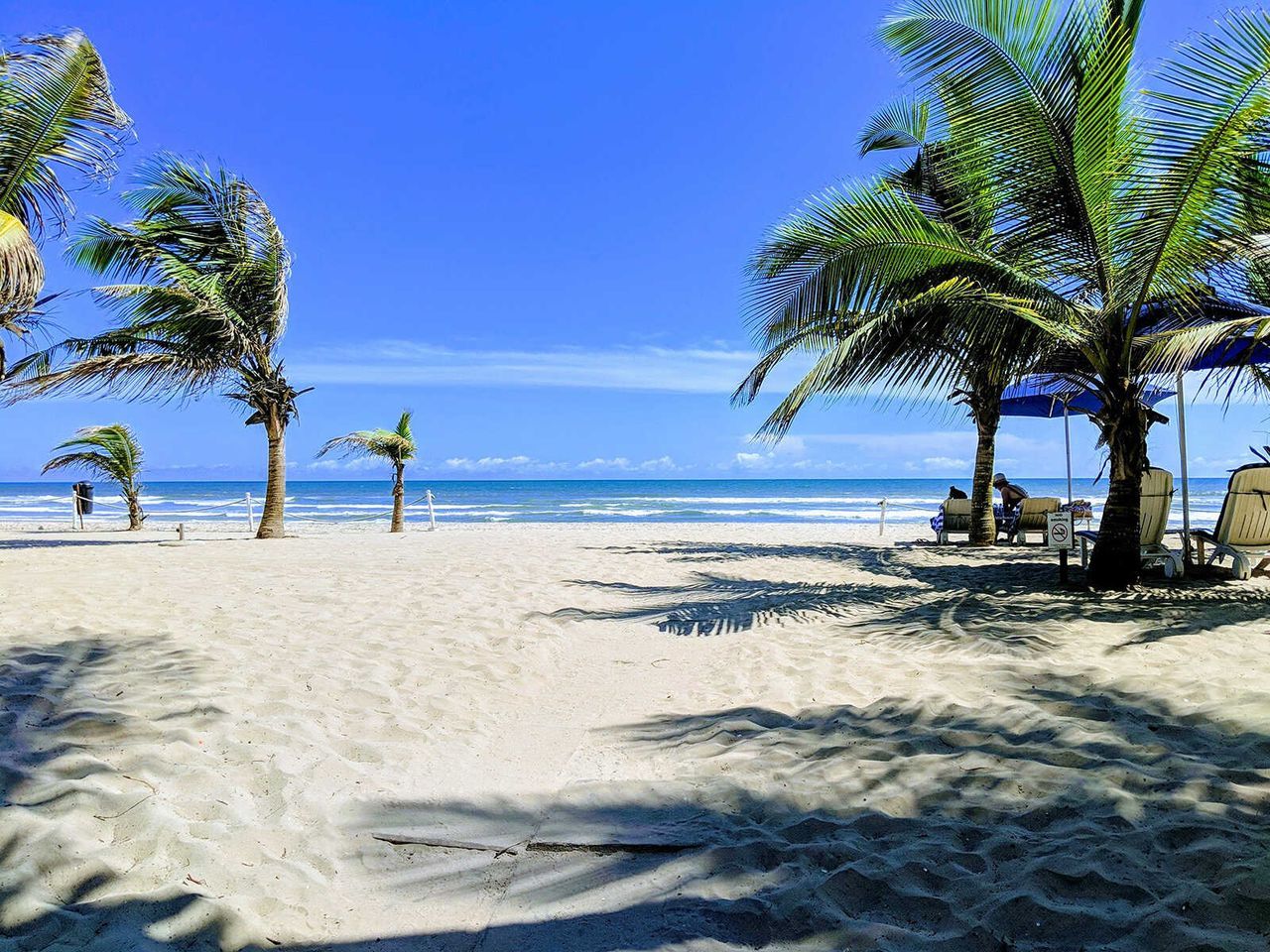
Accra's most popular beach is where locals and visitors gather, especially on weekends. The sand is golden, the water is warm, and the beach is lined with food vendors, bars, and music. Labadi is more social scene than secluded escape — come here for people-watching, grilled tilapia, and a cold Club beer.
Entry is around $2-3. Weekends get crowded; weekday visits are more relaxed.
Kokrobite Beach
About 30 minutes west of central Accra, Kokrobite is the more laid-back alternative. This fishing village beach is the hub of Accra's alternative arts scene and hosts regular drumming and dance events. The Big Milly's Backyard venue is a well-known hangout for travelers.
Paragliding at Nkawkaw (Odeonoma Mountain)
For something completely unexpected, a paragliding experience at Odeonoma Mountain near Nkawkaw (about 2.5 hours from Accra) offers tandem flights over dramatic forest-covered mountain terrain. Starting from $195 per person, this is one of the few paragliding operations in West Africa and delivers genuinely spectacular views.
Food & Nightlife
What to Eat in Accra
Ghanaian cuisine is bold, satisfying, and affordable. These are the dishes you need to try:
Jollof rice — Ghana's version of the iconic West African one-pot rice dish, typically served with chicken or fish. The Ghana-Nigeria jollof rivalry is real and taken very seriously.
Waakye — rice and beans cooked together, served with a variety of toppings including shito (a fiery black pepper sauce), fried plantain, spaghetti, and protein. A typical Waakye plate costs about $1-2 from a street vendor.
Banku with tilapia — fermented corn and cassava dough served with grilled tilapia and hot pepper sauce. Best eaten with your hands at a chop bar (local eatery).
Kelewele — spiced fried plantain chunks, sold as street food throughout the city. The perfect snack between sightseeing.
For a guided culinary experience, book a local food tour that takes you through neighborhood chop bars and street food stalls with a guide who explains the cultural context behind each dish.
Nightlife
Accra's nightlife is legendary, particularly from Thursday through Saturday. Key spots include:
Osu (Oxford Street area) — the main nightlife strip with bars, restaurants, and clubs. Start with dinner and drinks here before heading to a club.
Major venues — Carbon, Bloom Bar, Front/Back, and Ace Tantra are among the city's most popular clubs. Music spans Afrobeats, amapiano, highlife, and international hits. Things don't get going until after 11 PM.
Live music — for something more authentic, seek out venues hosting highlife bands. Highlife is Ghana's homegrown musical genre, blending jazz, funk, and traditional rhythms. +233 Jazz Bar & Grill is a well-known spot.
Day Trips from Accra
Cape Coast & Elmina Castles
The most important day trip from Accra. Cape Coast Castle and Elmina Castle are UNESCO World Heritage Sites that were central to the transatlantic slave trade. The guided tours include the dungeons where enslaved people were held and the "Door of No Return" — the final doorway before boarding slave ships.
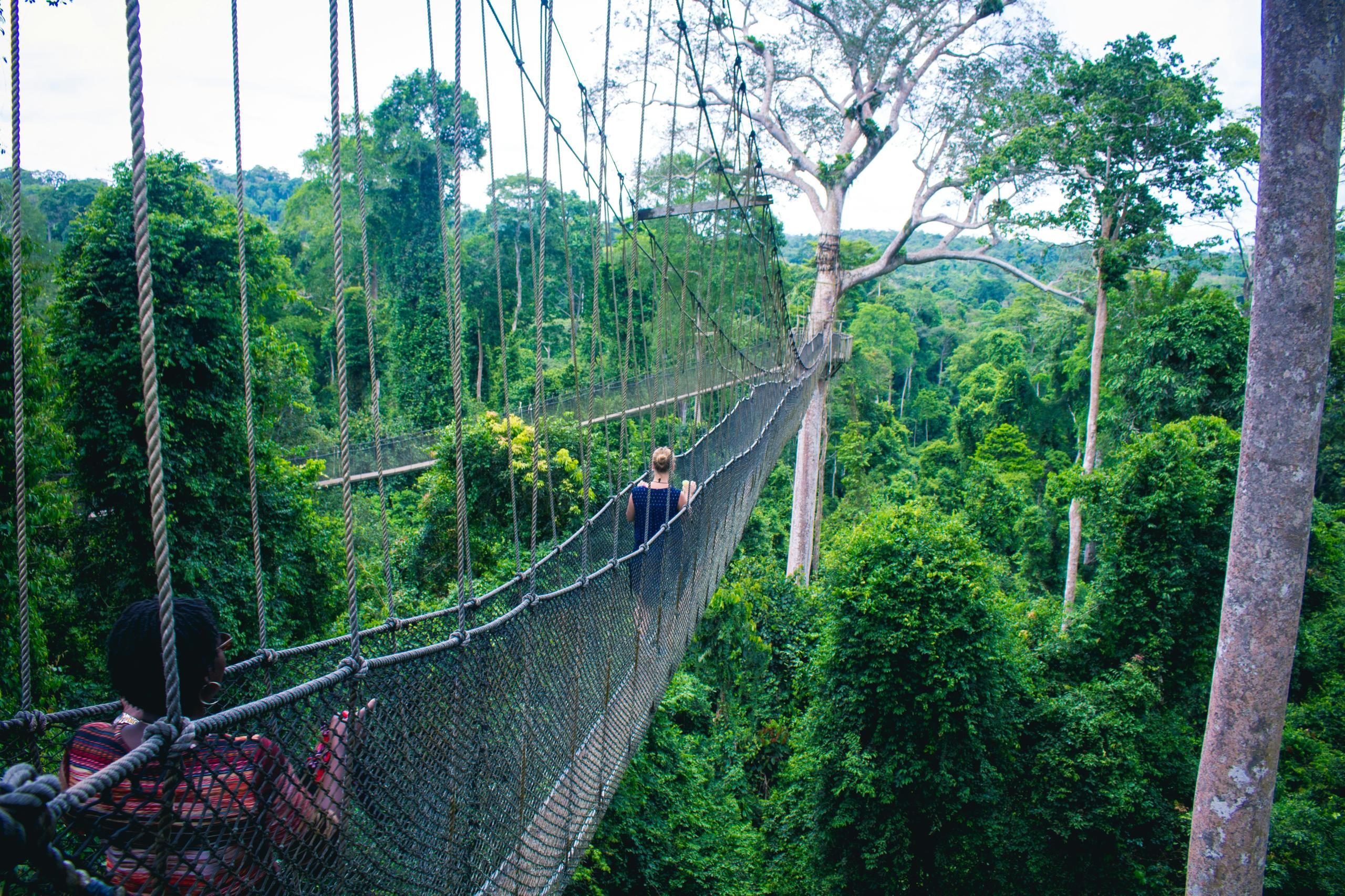
The drive from Accra takes approximately 3 hours. Most visitors combine both castles in a single day trip, often adding Kakum National Park's canopy walkway.
For a complete heritage experience, book the Cape Coast and Elmina experience which includes transport, guides, and entry fees.
Kakum National Park Canopy Walkway
A 350-meter walkway suspended 30 meters above the rainforest floor, connected by seven bridges between the treetops. The views are stunning and the experience is thrilling. Located near Cape Coast, this pairs perfectly with a castle visit.
Aburi Botanical Gardens
A peaceful escape from Accra's intensity, about an hour's drive into the Eastern Region hills. The gardens were established in 1890 and contain tropical plants, towering palms, and walking trails. The cooler temperature at this elevation is a welcome break from Accra's heat.
Detty December: Ghana's Annual Festival Season
Every December, Ghana transforms into the biggest party destination in Africa. "Detty December" (a play on "dirty December") is a month-long celebration featuring music festivals, beach parties, cultural events, and celebrity appearances.
Key events include Afrofuture (formerly Afrochella), Wildaland Festival, and dozens of concerts by top Ghanaian and international artists. The energy is electric, and Accra fills with diaspora visitors from the US, UK, and across Africa.
If you're planning a December trip, book the Detty December experience package — an 8-day curated itinerary covering festivals, cultural sites, and Accra nightlife with accommodation, transport, and VIP access included.
Practical Information
Getting There
Kotoka International Airport (ACC) is Accra's main airport, with direct flights from major US hubs (New York, Washington, Atlanta) as well as London, Amsterdam, and many African cities. The airport is about 30 minutes from central Accra in normal traffic.
Getting Around
Accra's traffic is notoriously heavy. Options include:
Ride-hailing apps — Bolt and Uber both operate in Accra and are the easiest option for visitors. Rides are very affordable.
Trotros — shared minibuses that are the backbone of local transport. Cheap but crowded, and routes aren't always obvious to newcomers. An adventure for the bold.
Taxis — negotiate the price before getting in. There are no meters.
When to Visit
Best months: November through March (dry season). December is peak for Detty December. The harmattan winds from December to February can create hazy conditions but temperatures are comfortable.
Rainy season: April through July. Brief, heavy downpours that usually clear quickly. Prices are lower and crowds are thinner.
Budget: Accra is very affordable by international standards. Street food meals cost $1-3, mid-range restaurants $10-20, ride-hailing across the city $3-8.
Safety
Accra is generally safe for tourists. Standard precautions apply: don't flash expensive items, be aware of your surroundings at night, and use ride-hailing apps rather than unmarked taxis. Petty theft (pickpocketing) can occur in crowded markets — keep valuables secure.
Ghana is consistently ranked among the safest countries in West Africa for visitors.
Browse Accra Experiences
Explore all things to do in Accra — from cultural tours and food experiences to adventure activities and multi-day packages, all hosted by trusted local guides.
Frequently Asked Questions
Do I need a visa for Ghana?
Most nationalities require a visa to enter Ghana. US and UK citizens can apply through Ghanaian embassies or consulates. The process typically takes 1-2 weeks. Some nationalities are eligible for visa on arrival — check current requirements before traveling.
What language is spoken in Accra?
English is the official language and widely spoken throughout Accra, especially in tourist areas. Local languages include Twi and Ga. You'll get by perfectly well with English alone.
Is Ghana good for solo female travelers?
Ghana is one of the more welcoming destinations in West Africa for solo travelers, including women. Ghanaians are famously friendly and hospitable. Standard safety precautions apply, particularly regarding transport at night.
How many days do I need in Accra?
Three to four days is ideal for Accra itself, plus one or two days for a Cape Coast/Elmina day trip. If visiting during Detty December, plan for at least a week to enjoy the festival scene.