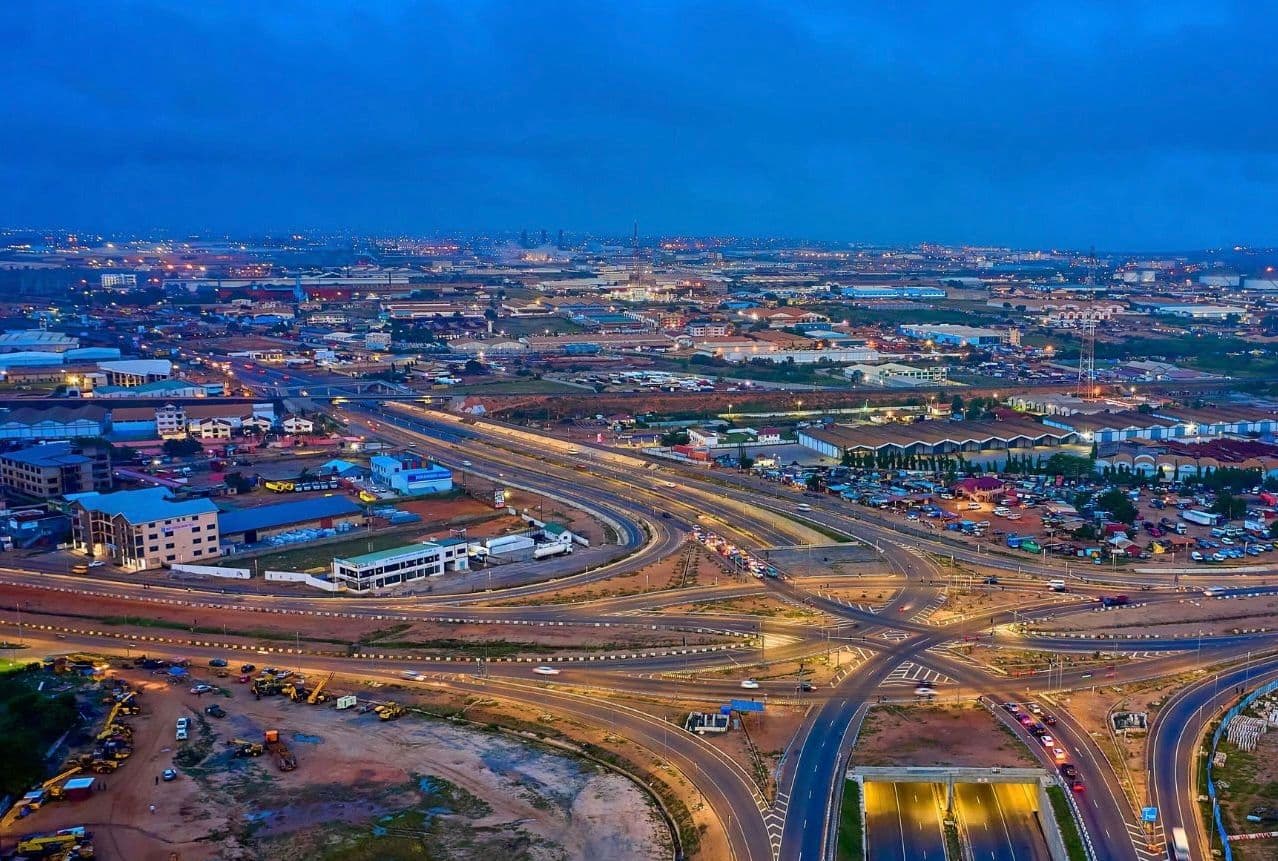
Ghana is one of the safest countries in Africa for tourists — and one of the most welcoming destinations on the continent for American travelers specifically. Whether you're visiting for Detty December, tracing ancestral roots at Cape Coast Castle, or exploring Accra's booming food and art scene, Ghana consistently delivers a safe, friendly, and deeply rewarding travel experience.
That said, no destination is risk-free. Here's an honest, practical breakdown of what safety actually looks like on the ground in Ghana.
The Short Answer
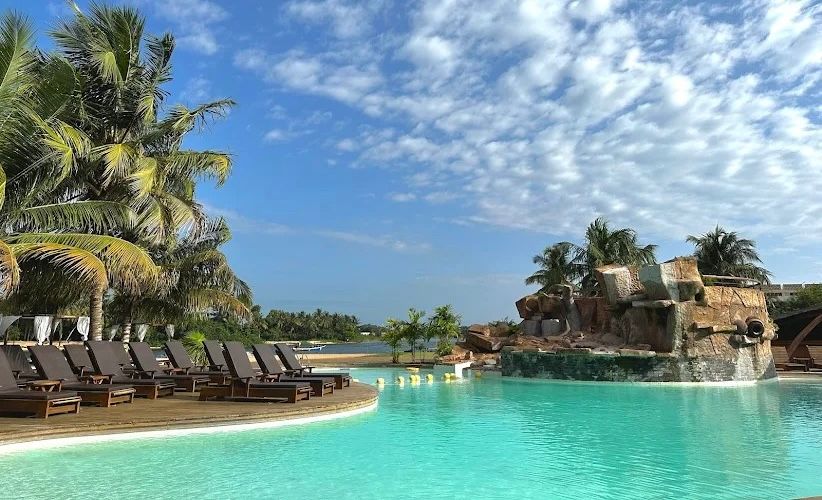
Ghana is safe for American travelers. The country ranks among the most stable and peaceful nations in West Africa, with a long democratic tradition, low levels of violent crime, and a culture that is genuinely hospitable toward visitors — particularly those of African descent.
The U.S. State Department rates Ghana as a Level 2 destination ("Exercise Increased Caution"), which is the same level as the UK, France, Germany, and most of Western Europe. The advisory primarily relates to petty crime in urban areas, not systemic violence or political instability.
Crime and Personal Safety
Petty Crime
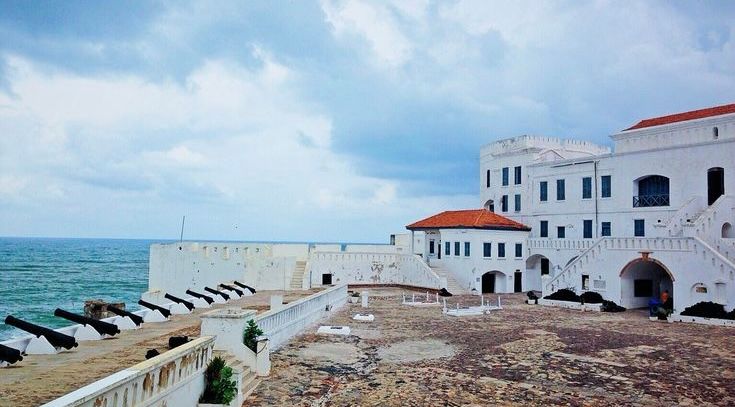
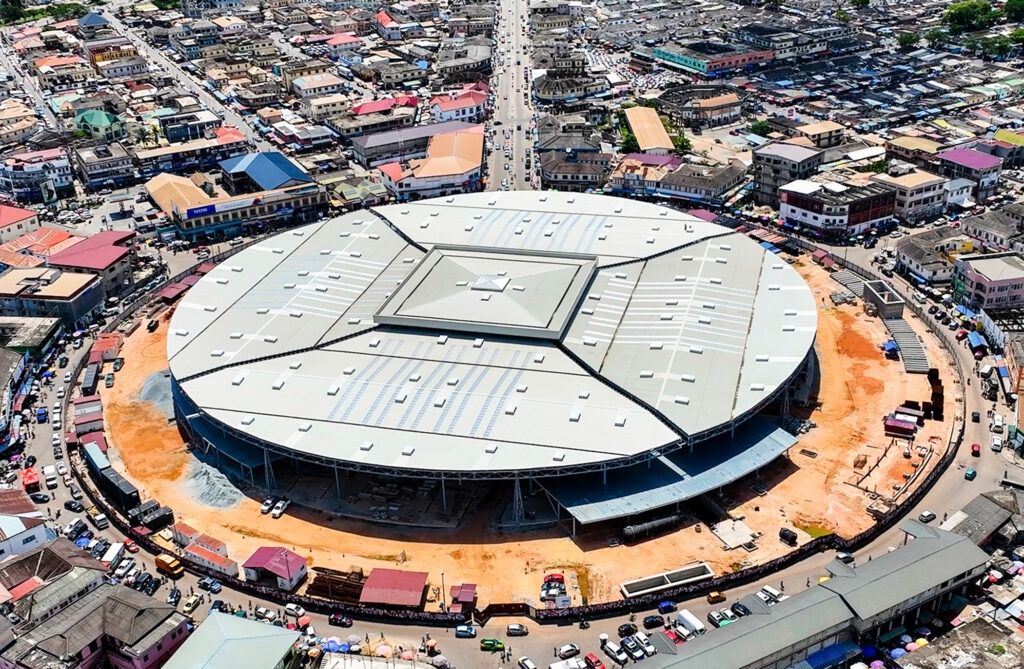
Petty theft — pickpocketing, bag snatching, and phone theft — is the most common risk for tourists in Ghana, particularly in crowded areas like Makola Market in Accra, bus stations, and popular nightlife spots in Osu. This is comparable to what you'd experience in any major global city.
How to stay safe: Keep your phone and wallet in a front pocket or crossbody bag in markets. Don't flash expensive jewelry or electronics. Use ride-hailing apps (Bolt, Uber) rather than unmarked taxis at night. Leave valuables in your hotel safe when you don't need them.
Violent Crime
Violent crime against tourists is rare in Ghana. Incidents like armed robbery do occur in isolated areas and at night, but they are not common in tourist zones. Ghana does not have the gang violence, carjacking, or kidnapping risks associated with some other destinations.
Scams
As in many tourist destinations worldwide, petty scams exist — overcharging at markets, unofficial "guides" at tourist sites, or taxi drivers taking longer routes. These are inconveniences, not dangers.
How to handle it: Negotiate taxi prices before getting in. Haggle at markets (it's expected and part of the culture). Book tours here, where hosts are vetted and prices are transparent.
Safety for Black American Travelers
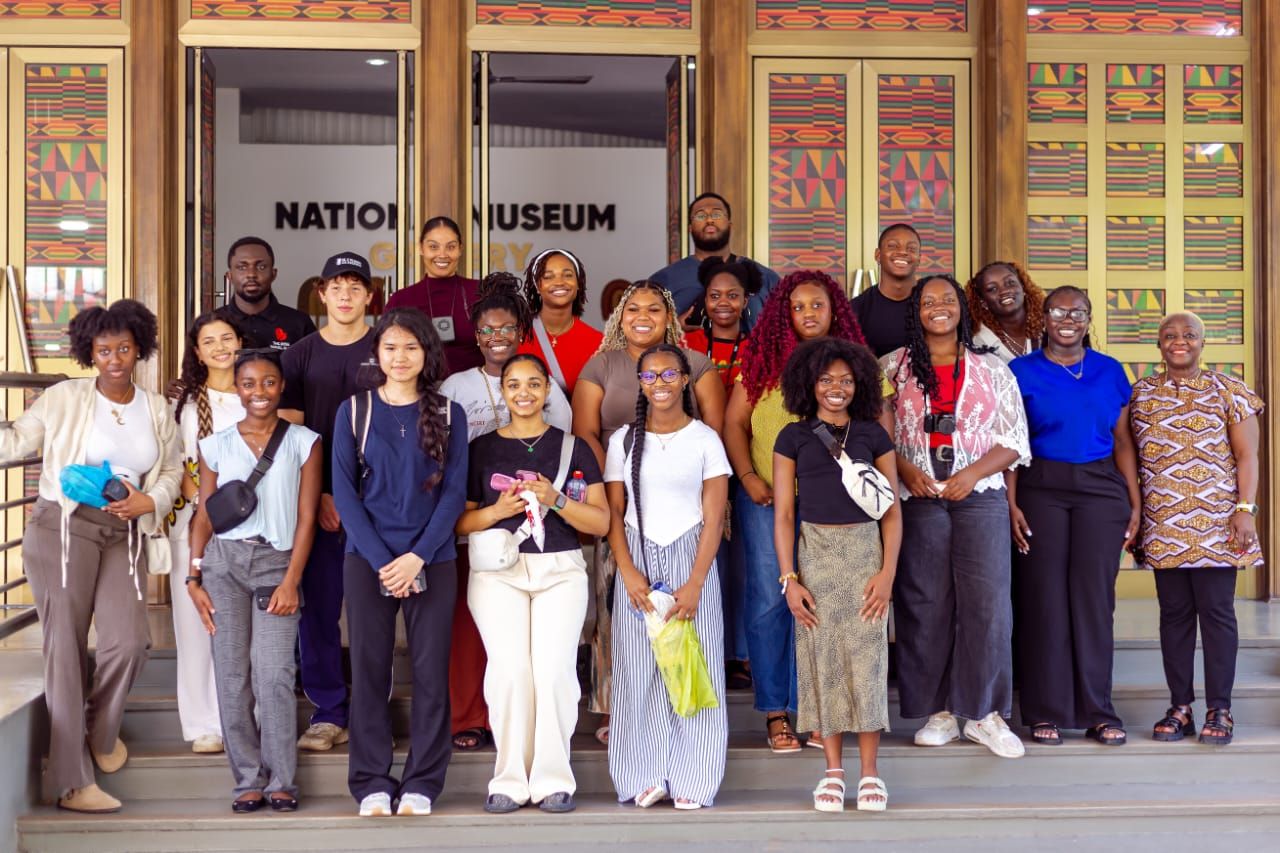
Ghana holds special significance for African Americans. The "Year of Return" campaign in 2019 and the ongoing "Beyond the Return" initiative have positioned Ghana as the primary destination for diaspora reconnection with the African continent.
Black American travelers consistently report feeling welcomed, respected, and emotionally moved by their experience in Ghana. Ghanaians are proud of their country's role in African history and actively embrace diaspora visitors.
What to expect: You will be called "abroni" (foreigner) or "sister/brother" warmly. People will be curious where you're from and genuinely interested in your story. At heritage sites like Cape Coast Castle and Elmina, staff are experienced in supporting emotionally intense visits. The cultural connection is real and deeply felt by most visitors.
Safety note: Being Black does not make you invisible to petty crime — tourists of all backgrounds should take the same precautions. But you will generally encounter warmth and genuine welcome.
Safety for Women Travelers
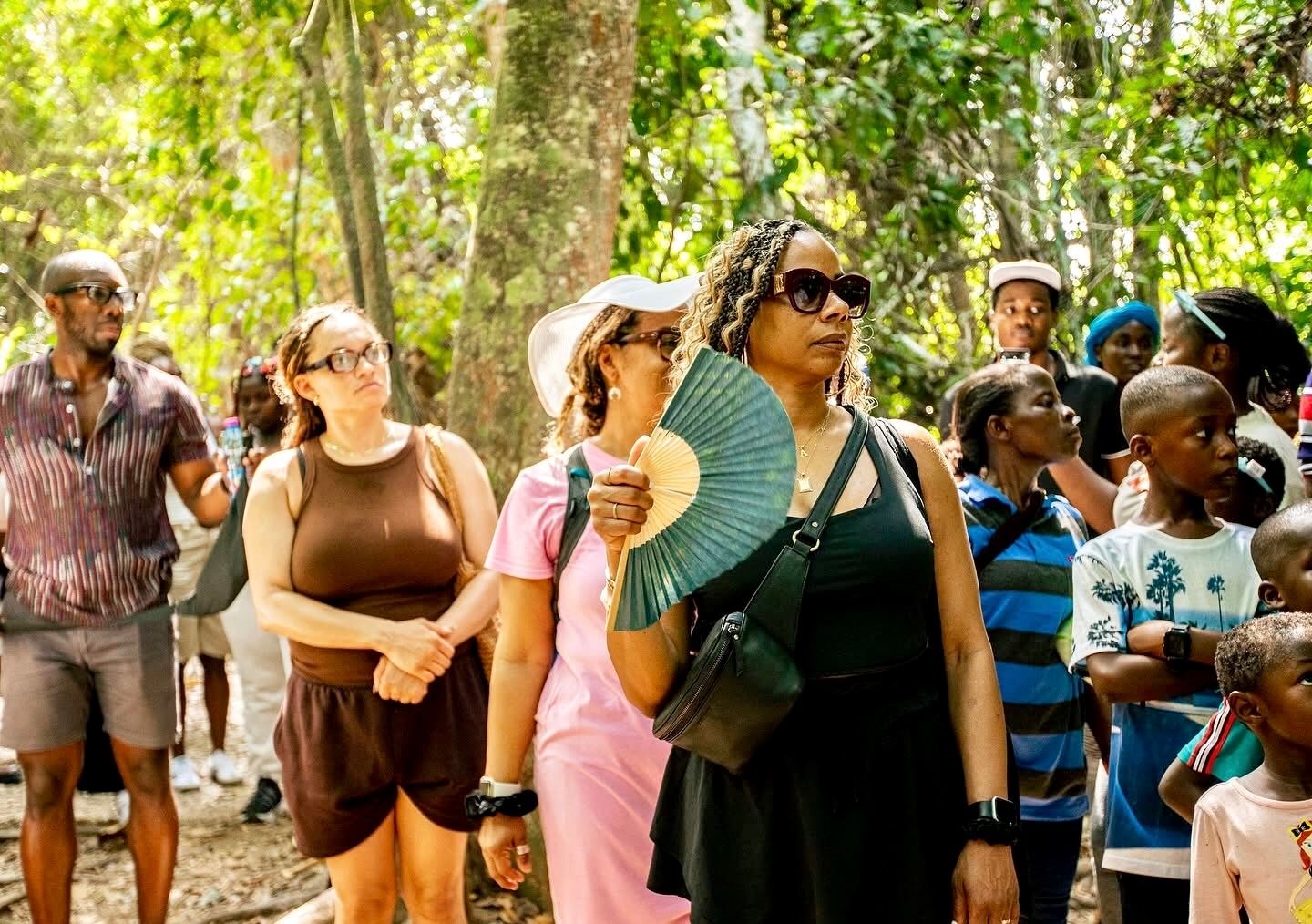
Ghana is one of the safer West African countries for solo female travelers. Women traveling alone will encounter curiosity and occasional unwanted attention (catcalling, persistent vendors) but rarely feel genuinely unsafe.
Practical tips: Dress modestly outside of beach areas — covering shoulders and knees is respectful and reduces unwanted attention. Avoid walking alone in poorly lit areas at night. Use Bolt or Uber for evening transport. If someone is making you uncomfortable, a firm but polite "no, thank you" works in most situations. Ghanaians generally respond well to direct but respectful communication.
For group travel, the Detty December Ghana experience includes group transport, vetted accommodation, and organized activities — removing many of the logistical safety concerns solo travelers face.
Health and Medical Safety
Vaccinations
Yellow fever vaccination is required for entry into Ghana. Other recommended vaccinations include hepatitis A, hepatitis B, typhoid, and routine vaccinations. Consult your doctor or a travel health clinic at least 4-6 weeks before departure.
Malaria
Ghana is a malaria zone. Taking antimalarial medication (commonly Malarone or doxycycline) is strongly recommended. Use insect repellent containing DEET, sleep under mosquito nets where provided, and wear long sleeves in the evening.
Water and Food
Tap water is not safe to drink — stick to bottled or filtered water. Street food is a major part of the Ghana experience and generally safe if it's freshly cooked and served hot. Avoid uncooked salads and peeled fruit from street vendors if you have a sensitive stomach.
Medical Facilities
Accra has several good private hospitals and clinics. Outside of Accra and Kumasi, medical facilities are more limited. Comprehensive travel insurance with medical evacuation coverage is strongly recommended.
Road Safety
Ghanaian roads can be challenging. Traffic in Accra is notoriously congested, and driving standards differ from what Americans are accustomed to. Road conditions outside major cities vary — some highways are excellent, while rural roads can be unpaved and poorly maintained.
Recommendation: Don't self-drive on your first visit. Use ride-hailing apps in Accra, and book organized transport for day trips (like the 3-hour drive to Cape Coast). If you're taking intercity buses, use reputable companies like STC or VIP.
LGBTQ+ Safety
Ghana has conservative attitudes toward LGBTQ+ individuals, and same-sex activity is technically illegal under Ghanaian law. LGBTQ+ travelers should exercise discretion — public displays of affection between same-sex partners are not advised. Discrimination and hostility can occur, though violent incidents against tourists are uncommon.
Political Stability
Ghana is one of Africa's most stable democracies, with peaceful transitions of power since 1992. Political protests occasionally occur in Accra but are typically peaceful and localized. There are no active conflicts or insurgencies affecting tourist areas.
When to Be Extra Cautious
At night in unfamiliar areas: Avoid walking alone after dark in areas you don't know, particularly in Accra neighborhoods away from main roads.
During major events: Detty December and other large gatherings are generally safe but attract crowds and increase the risk of pickpocketing. Keep your valuables secure and stay aware of your surroundings.
At borders and remote areas: The northern border regions near Burkina Faso have occasional security advisories. Standard tourist itineraries (Accra, Cape Coast, Kumasi, Volta Region) are well away from any areas of concern.
Practical Safety Checklist
Before you go: Register with the U.S. Embassy's STEP program. Get yellow fever vaccination. Arrange travel insurance with medical evacuation. Download Bolt/Uber. Share your itinerary with someone at home.
While there: Keep copies of your passport (digital and paper). Use hotel safes. Stay hydrated. Take malaria prophylaxis. Book experiences through trusted platforms.
Emergency numbers: Police: 191 or 18555. Ambulance: 193. U.S. Embassy Accra: +233 30 274 1000.
Check out all Ghana experiences — with vetted local hosts, transparent pricing, and support throughout your trip.
Frequently Asked Questions
Do I need a visa for Ghana as a US citizen?
Yes. US citizens need a visa to enter Ghana. Apply through the Ghana Embassy or consulate. Processing typically takes 1-2 weeks. Fees are approximately $60-100 depending on the visa type.
What's the best time to visit Ghana?
November through March (dry season). December is peak for Detty December festivals. The harmattan haze (December-February) can reduce visibility but temperatures are comfortable. The rainy season (April-July) brings brief, heavy downpours.
Is Ghana safe for solo travelers?
Yes. Ghana is one of the most accessible African destinations for solo travelers. Ghanaians are famously friendly and will often go out of their way to help visitors. Standard precautions apply — but the cultural warmth makes solo travel here less isolating than many destinations.
How does Ghana compare to other African destinations for safety?
Ghana consistently ranks among the top 3-5 safest countries in sub-Saharan Africa for tourists, alongside Botswana, Namibia, Rwanda, and Mauritius. It is significantly safer than destinations like Nigeria or South Africa in terms of violent crime statistics.