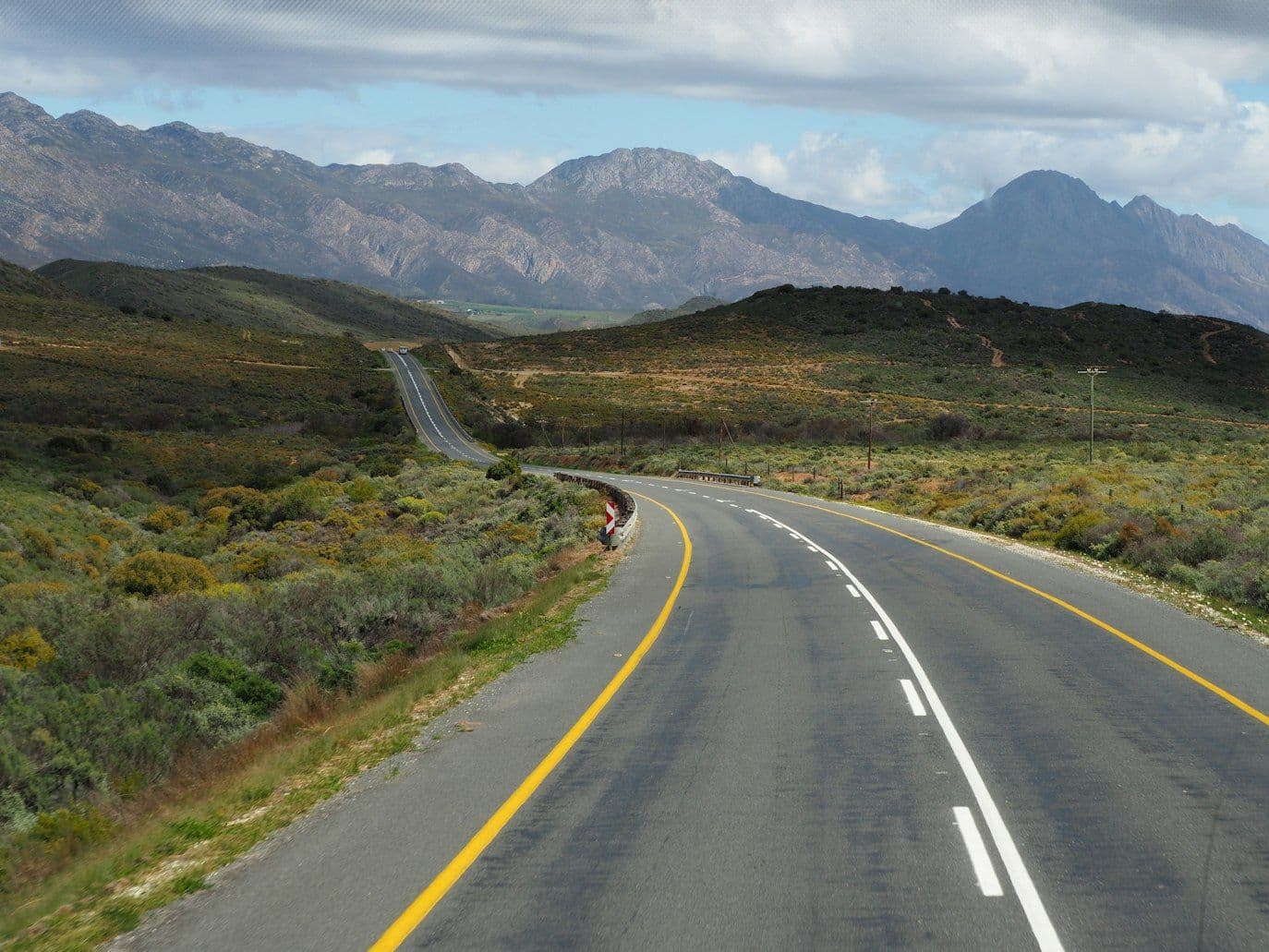
The Garden Route is South Africa's most popular road trip — a 300-kilometer stretch of coastline between Mossel Bay and Storms River that packs indigenous forest, dramatic cliffs, lagoons, whale watching, adventure activities, and charming small towns into one of the most scenic drives in the world.
Unlike a safari (where you're guided), the Garden Route is best done self-drive — at your own pace, stopping wherever catches your eye. The road infrastructure is excellent, the signage is clear, and every town along the route has accommodation, restaurants, and activities worth your time.
Route Overview
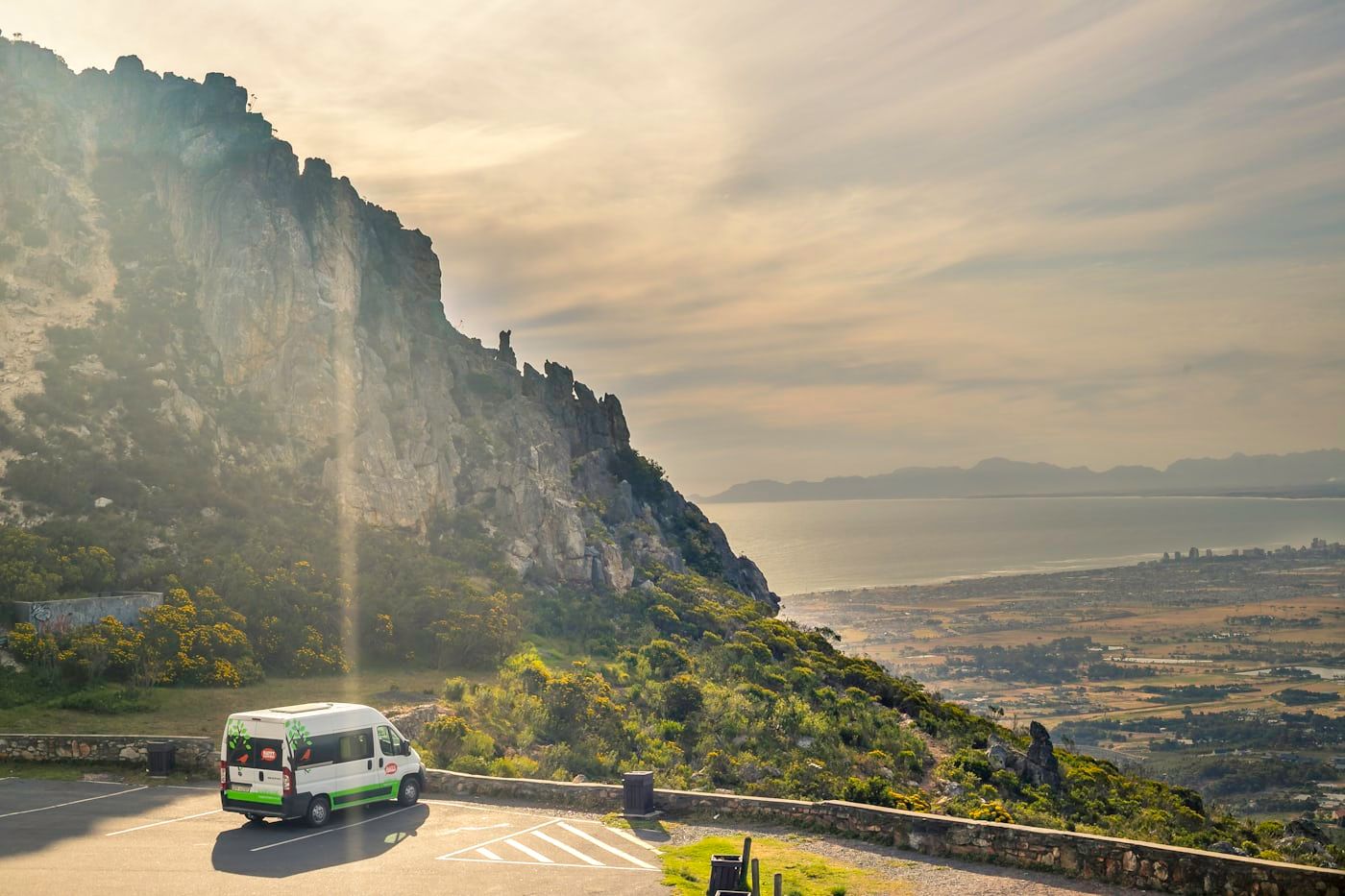
The Garden Route runs along the N2 highway between Cape Town and Port Elizabeth, with the core scenic section between Mossel Bay (west) and Storms River (east). Most travelers start in Cape Town and drive east, or vice versa.
Total driving distance (Cape Town to Storms River): Approximately 750 km (8-9 hours without stops). But you won't drive it straight — the route is designed for stopping frequently over 5-10 days.
Core Garden Route distance (Mossel Bay to Storms River): Approximately 300 km.
| Stop | Distance from Cape Town | Key Highlights |
|---|---|---|
| Hermanus | 120 km (1.5 hrs) | Whale watching (Jun-Nov), cliffs, wine |
| Mossel Bay | 390 km (4 hrs) | Start of Garden Route, Diaz Museum, beaches |
| Wilderness | 430 km (4.5 hrs) | Lagoon, paragliding, trails |
| Knysna | 490 km (5 hrs) | Lagoon, Knysna Heads, oysters, forests |
| Plettenberg Bay | 530 km (5.5 hrs) | Beaches, marine life, Robberg Peninsula |
| Tsitsikamma | 620 km (6.5 hrs) | Storms River Mouth, suspension bridge, bungee |
| Addo Elephant NP | 770 km (8 hrs) | Big Five (Garden Route add-on) |
Day-by-Day Itinerary (7 Days)
Day 1: Cape Town → Hermanus (120 km, 1.5 hours)
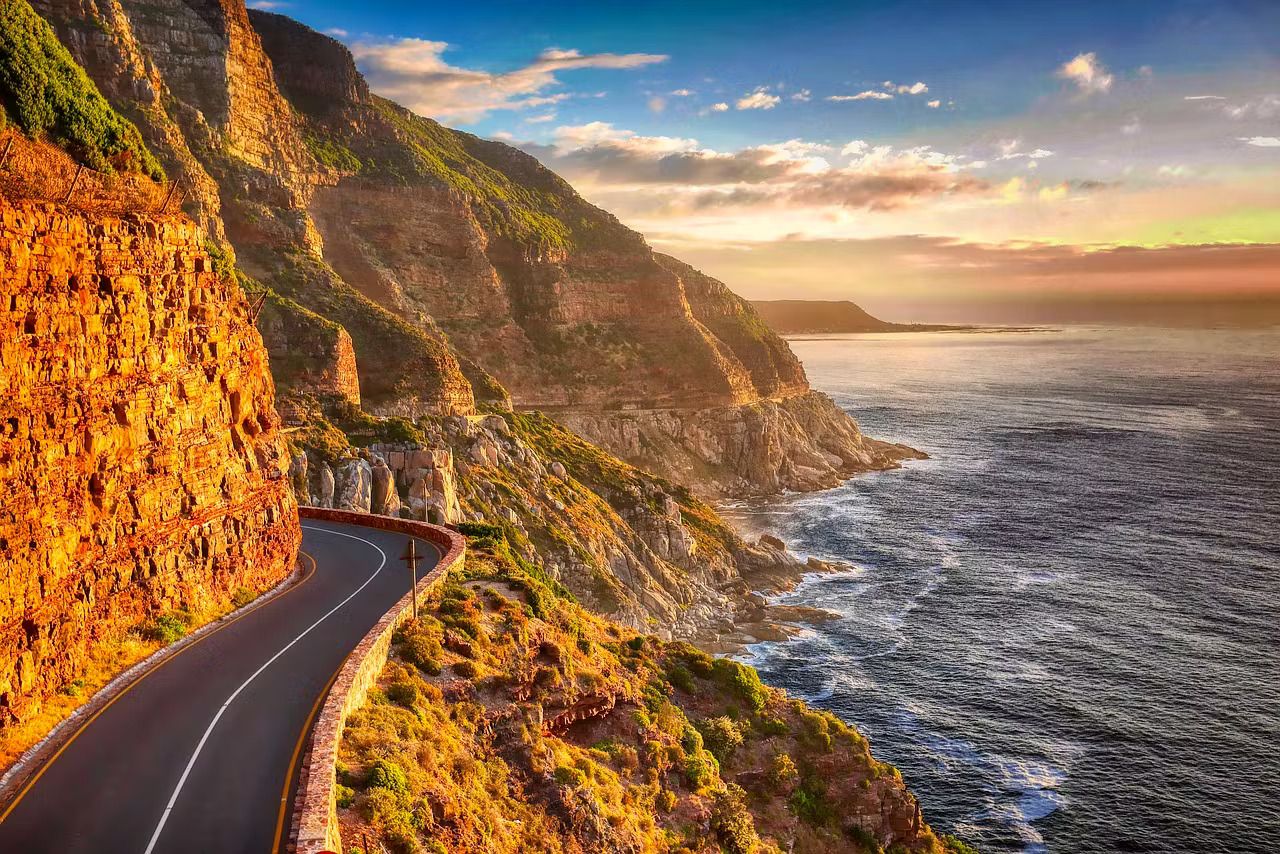
Leave Cape Town via the stunning coastal road over Sir Lowry's Pass. Stop at Stony Point in Betty's Bay to see a colony of African penguins (free, less crowded than Boulders Beach). Continue to Hermanus.
Hermanus is the whale watching capital of the world. Between June and November, southern right whales come into Walker Bay to calve, and they're visible from the cliff-top whale watching path — no boat needed. A whale crier with a kelp horn walks the cliffs alerting visitors to sightings. Even outside whale season, Hermanus has excellent restaurants, wine tasting (Hemel-en-Aarde Valley produces outstanding Pinot Noir and Chardonnay), and dramatic cliff walks.
Overnight: Hermanus.
Day 2: Hermanus → Wilderness (310 km, 3.5 hours)
Drive east through rolling farmland and Swellendam (a charming Cape Dutch town worth a brief stop) to the Garden Route proper. Stop at Mossel Bay to see the Diaz Museum Complex (marking where Portuguese navigator Bartholomeu Dias landed in 1488) and the Post Office Tree (a 500-year-old milkwood tree used as a postal depot by early sailors).
Continue to Wilderness, a small town on a lagoon backed by forested mountains. Walk the Map of Africa viewpoint for aerial lagoon views, or paddle a canoe on the Touw River into the Wilderness National Park.
Overnight: Wilderness.
Day 3: Wilderness → Knysna (30 km, 30 minutes)
A short drive to Knysna — the Garden Route's most popular town. Spend the day exploring:
Knysna Heads — two massive sandstone cliffs guarding the entrance to the Knysna Lagoon. Drive to the Eastern Head lookout for panoramic views over the lagoon and Indian Ocean. The channel between the Heads is one of the most dangerous harbor entrances in the world.
Knysna Lagoon — kayak, cruise, or simply sit at a waterfront restaurant watching the boats. Knysna is famous for its oysters — cultivated in the lagoon and served at multiple restaurants along the waterfront.
Knysna Forest — remnants of the ancient Tsitsikamma forest. Drive or walk the Garden of Eden trail (easy, 30-minute loop through towering yellowwood and stinkwood trees).
Overnight: Knysna.
Day 4: Knysna → Plettenberg Bay (35 km, 30 minutes)
Another short drive to "Plett" — arguably the Garden Route's most beautiful beach town.
Robberg Peninsula — a 9.2-km circular hike around a rocky peninsula jutting into the Indian Ocean. Seals, dolphins, and (in season) whales are visible from the trail. The hike takes 3-4 hours and is moderate — some rocky sections and a beach crossing. One of the best day hikes in South Africa.
Beaches — Lookout Beach and Robberg Beach are stunning. The water is cold (welcome to the Indian Ocean's south coast) but the sand and scenery are world-class.
Monkeyland & Birds of Eden — two adjoining sanctuaries. Monkeyland is a free-roaming primate sanctuary in indigenous forest. Birds of Eden is the world's largest free-flight bird aviary. Both are family-friendly.
Overnight: Plettenberg Bay.
Day 5: Plettenberg Bay → Tsitsikamma (60 km, 1 hour)
Drive to Tsitsikamma National Park — the Garden Route's most dramatic landscape. Ancient forest meets rocky coastline at the mouth of the Storms River.
Storms River Mouth suspension bridge — a bouncing suspension bridge over the river mouth, connecting the mainland to a rocky outcrop with crashing waves below. The short walk from the rest camp (1 km) is one of South Africa's most photographed trails.
Bloukrans Bridge bungee — the world's highest commercial bungee jump (216 meters) is on the N2 between Plett and Tsitsikamma. Even if you don't jump, the bridge viewpoint is dramatic.
Kayaking and tubing — on the Storms River, guided kayak trips paddle through a forested gorge to the river mouth. Blackwater tubing (floating through the forest on an inner tube) is the more relaxed alternative.
Overnight: Tsitsikamma / Storms River village.
Day 6: Tsitsikamma → Addo Elephant National Park (180 km, 2 hours)
Leave the coast and drive inland to Addo Elephant National Park — the Garden Route's safari add-on. Addo is home to over 600 elephants plus the rest of the Big Seven (lion, leopard, buffalo, rhino, southern right whale, and great white shark — though the marine members require a separate marine tour).
Self-drive game viewing in Addo is excellent — the roads are good, animals are habituated to vehicles, and the elephant density is high. The park's main camp has a floodlit waterhole where elephants drink at night — similar to Etosha's Okaukuejo.
Park fee: R376 (~$20) per adult.Overnight: Addo rest camp or surrounding private lodges.
Day 7: Addo → Port Elizabeth / Return
Morning game drive in Addo, then drive to Port Elizabeth airport (75 km, 1 hour) for your flight home or onward. Alternatively, drive the full return to Cape Town (750 km, 8 hours) — or better yet, fly one way.
Practical Tips
Car Rental
Rent a standard sedan — no 4x4 is needed on the Garden Route. All roads are paved and well-maintained. Pick up at Cape Town airport, drop off at Port Elizabeth (or vice versa) — most rental companies offer one-way rentals with a small surcharge ($30-$50).
Driving: Left-hand traffic (UK-style). Speed limit 120 km/h on the N2 highway, 60 km/h in towns. The N2 is mostly dual carriageway but has single-lane sections — overtake carefully.
When to Go
Best months: October-April (South African spring/summer). Warm temperatures (20-30°C), long days, and swimming-friendly conditions. December-January is peak holiday season — book accommodation well ahead and expect higher prices and busier towns.
Whale season: June-November. Hermanus and Plettenberg Bay offer land-based whale watching. The whales are worth adjusting your timing for if possible.
Winter (May-August): Cooler (15-20°C), occasional rain, but fewer tourists and lower prices. The forests are lush and green. Not ideal for beach swimming but excellent for hiking and whale watching.
Budget
The Garden Route is excellent value by international standards.
| Category | Budget | Mid-Range | Luxury |
|---|---|---|---|
| Car rental | $25-$40/day | $35-$55/day | $60-$100/day |
| Accommodation | $30-$60/night | $80-$150/night | $200-$500+/night |
| Meals | $8-$15/meal | $15-$30/meal | $30-$80/meal |
| Activities | $10-$30/activity | $30-$80/activity | $80-$200/activity |
| Daily total (per person) | $50-$100 | $100-$250 | $300-$700+ |
Safety
The Garden Route is one of the safest tourist corridors in South Africa. The small towns and rural areas along the route have low crime rates. Standard precautions apply: don't leave valuables visible in your car, lock your vehicle at trailheads, and exercise normal urban awareness in larger towns. This is a well-traveled tourist route — you'll be among many other visitors.
Browse South Africa experiences for guided activities and tours along the coast.
Combining with Cape Town and Safari
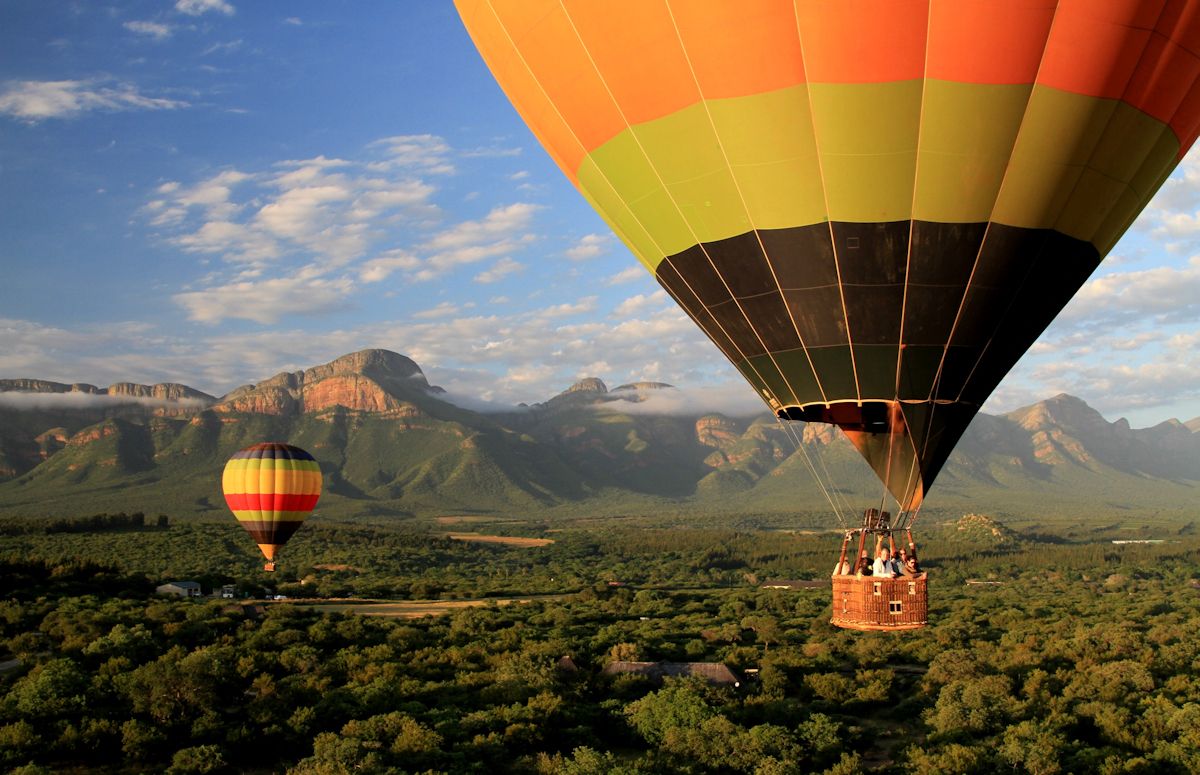
The Garden Route sits naturally between two other South Africa highlights:
Cape Town + Garden Route: The classic road trip. Spend 3-4 days in Cape Town (see our Cape Town 3-Day Itinerary), then drive the Garden Route over 5-7 days.
Garden Route + Safari: End your Garden Route at Addo Elephant National Park for 1-2 safari days. For a more comprehensive Big Five experience, fly from Port Elizabeth to Johannesburg and connect to Kruger National Park or the Sabi Sands (see our Kenya vs South Africa Safari for safari options).
The ultimate South Africa trip: Cape Town (3-4 days) + Garden Route (5-7 days) + Kruger/Sabi Sands safari (3-4 days) = 11-15 days covering the best of the country.
Frequently Asked Questions
How many days do I need for the Garden Route?
Minimum 4 days (hitting only the highlights at speed). Ideal 6-7 days (comfortable pace with time for activities). 10+ days if including Hermanus, Addo, and a relaxed pace. You can drive the distance in a single day, but that defeats the purpose entirely.
Is the Garden Route good for families?
Excellent. The mix of beaches, forest walks, wildlife sanctuaries (Monkeyland, Birds of Eden, Addo), and adventure activities (suitable for older children) makes it one of South Africa's best family road trips. Accommodation options include self-catering cottages and family-friendly lodges.
Can I do the Garden Route without a car?
Technically yes — the Baz Bus (a hop-on-hop-off backpacker shuttle) runs along the route, and intercity buses connect the main towns. But the Garden Route is designed for self-drive — the best viewpoints, forest trails, and side roads require your own vehicle. Renting a car is strongly recommended.
What's the weather like?
The Garden Route has a moderate maritime climate. Summers (Dec-Feb) are warm (25-30°C) with occasional afternoon showers. Winters (Jun-Aug) are cool (15-20°C) with more rain. The area is green year-round — it's called the "Garden" Route for a reason. Pack layers regardless of season.