Kenya and South Africa are Africa's two most popular safari countries — but they offer fundamentally different experiences. Kenya delivers the classic East African savannah safari: open plains, the Great Migration, Maasai culture, and big cats in abundance. South Africa offers a more accessible, self-drive-friendly safari experience with the Big Five, world-class infrastructure, and the bonus of Cape Town, wine country, and a spectacular coastline.
This guide compares the two so you can choose based on what actually matters to you.
Quick Comparison
| Factor | Kenya | South Africa |
|---|---|---|
| Signature experience | Great Migration, big cat sightings, Maasai culture | Big Five in Kruger/private reserves, Cape Town, wine country |
| Landscape | Open savannah, Rift Valley lakes, Mount Kenya | Bushveld, mountains, coastline, vineyards |
| Best for | Pure safari immersion, wildlife density | Safari + city + beach combination trips |
| Self-drive safari | Possible but uncommon (guide recommended) | Common and well-established (especially Kruger) |
| Park fees (per day) | $200 (Masai Mara), $60 (Amboseli) | $25-$40 (Kruger), higher in private reserves |
| 7-day safari cost | $2,000–$6,000/person | $1,500–$5,000/person |
| International access | Nairobi (JKIA) — good connections from US/Europe | Johannesburg/Cape Town — excellent global connections |
| Visa (US citizens) | eTA required ($30) | No visa needed (90-day stay) |
| Best combined with | Tanzania (Serengeti), Uganda (gorillas), Zanzibar beach | Victoria Falls, Botswana, Mozambique coast |
| Malaria risk | Present in safari areas | Lower risk in many areas; Kruger is a malaria zone |
Wildlife: What You'll See
Kenya
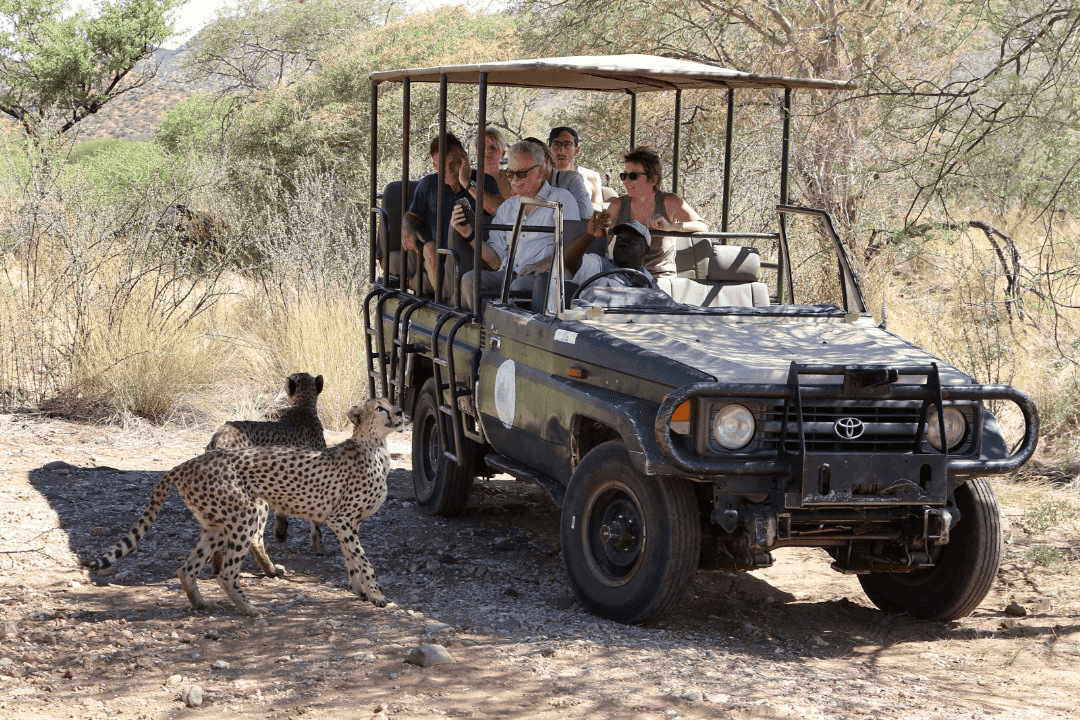
Kenya's wildlife density is extraordinary. The Masai Mara alone supports an estimated 95 species of mammals and over 400 bird species within 1,510 square kilometers. Lion, leopard, and cheetah sightings are consistently excellent — the Mara may be the best place in Africa for big cat viewing.
The Great Migration (July-October in the Mara) brings over two million wildebeest, zebras, and gazelles through the reserve. The river crossings — thousands of wildebeest plunging through crocodile-infested water — are among the most dramatic wildlife events on the planet.
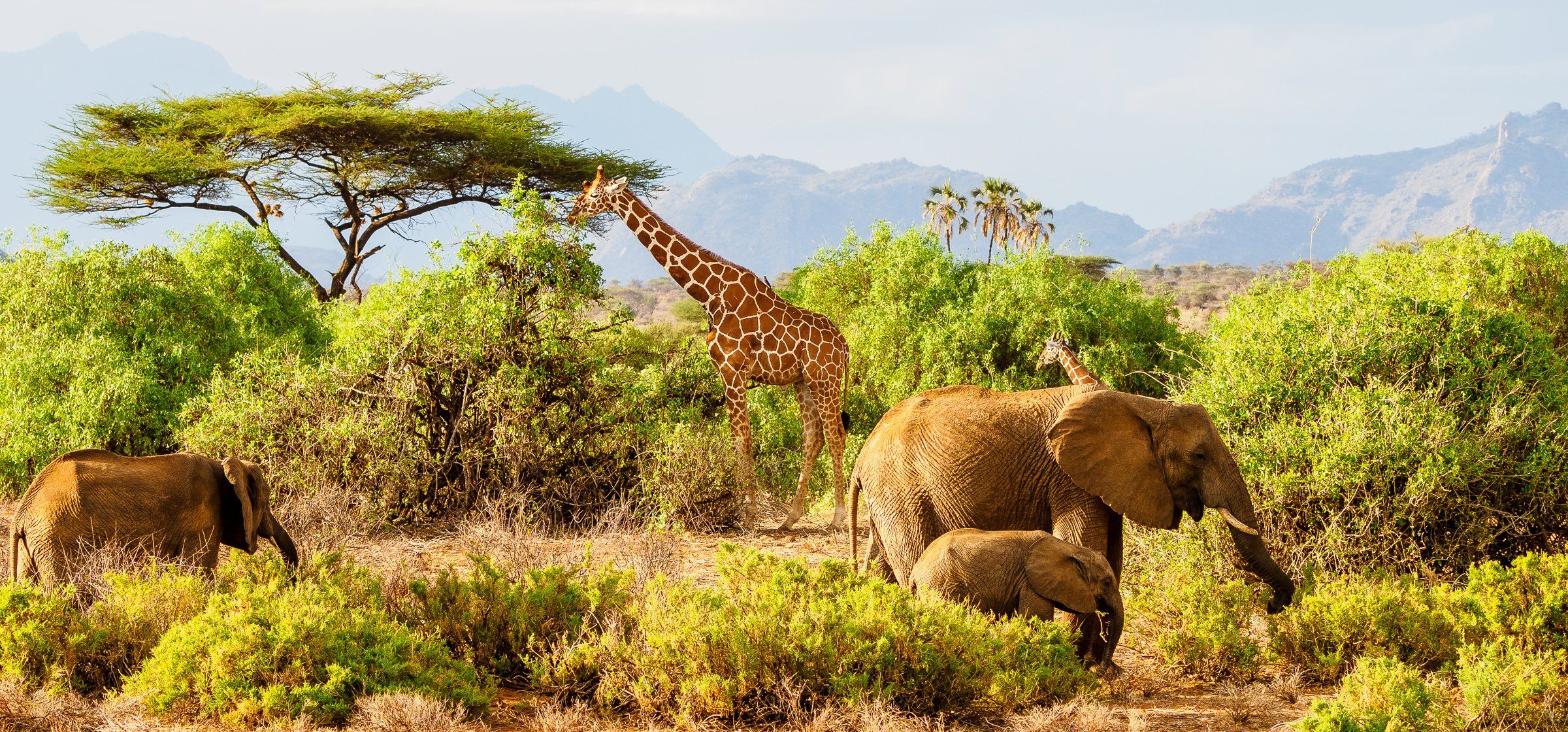
Beyond the Mara: Amboseli delivers iconic elephant-and-Kilimanjaro photography. Samburu has the "Samburu Special Five" (Grevy's zebra, reticulated giraffe, Somali ostrich, gerenuk, beisa oryx). Lake Nakuru has flamingos and rhino.
Our 3-Day Masai Mara Explorer Safari from $1,310/person and the 7-Day Masai Mara Safari from $1,565/person provide excellent entry points.
South Africa
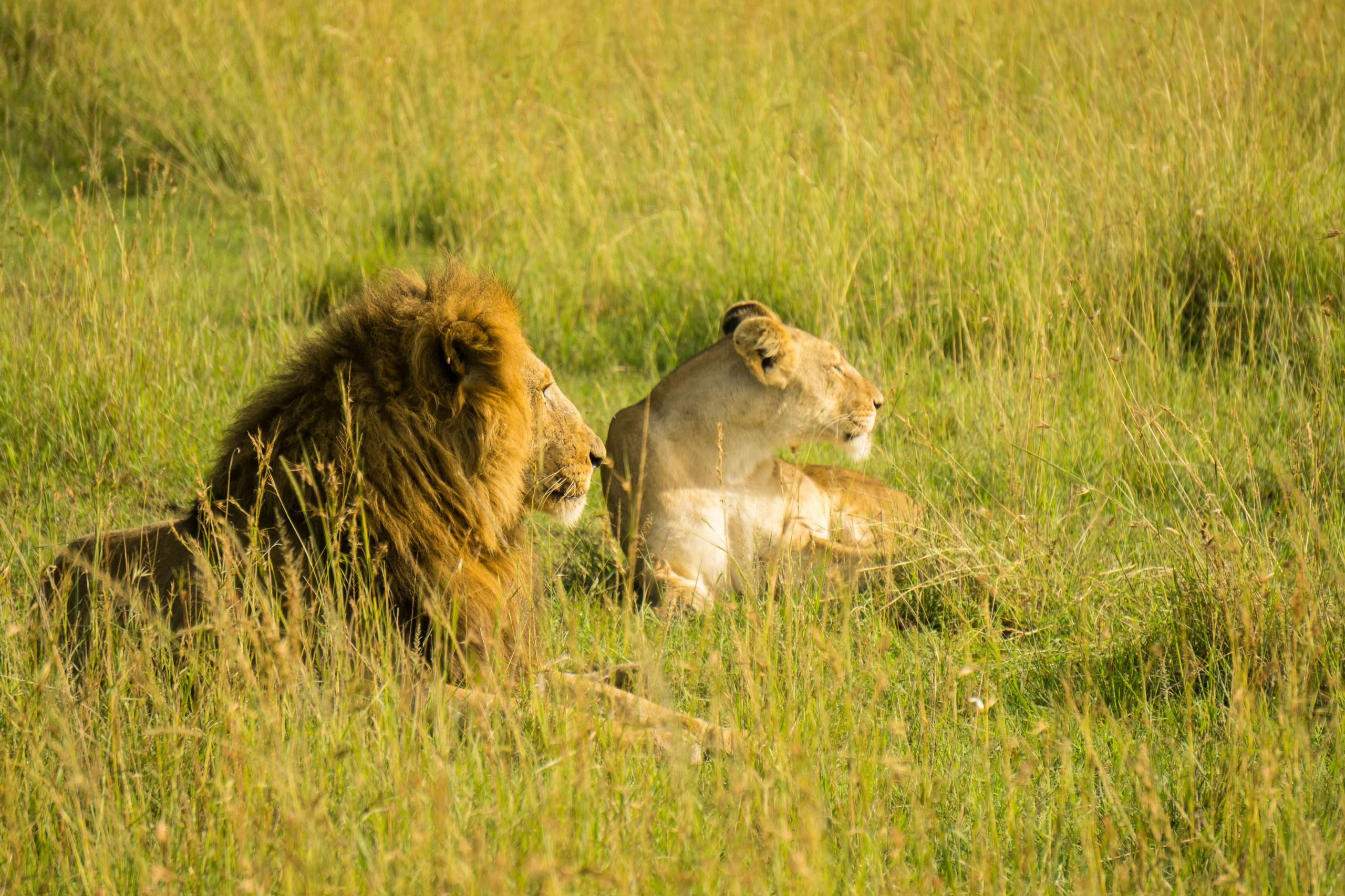
South Africa's flagship is Kruger National Park — nearly 20,000 square kilometers supporting the Big Five, wild dogs, cheetahs, hippos, and hundreds of other species. Kruger's advantage is scale and infrastructure: well-maintained roads, rest camps with restaurants and shops, and the ability to self-drive.
The private game reserves bordering Kruger (Sabi Sands, Timbavati, Klaserie, Manyeleti) offer a premium experience — open-vehicle game drives with expert trackers, night drives, walking safaris, and far fewer vehicles. This is where South Africa's safari experience competes with (and sometimes exceeds) East Africa's best.
Beyond Kruger: Pilanesberg and Madikwe are malaria-free Big Five reserves near Johannesburg. KwaZulu-Natal's Hluhluwe-Imfolozi is the oldest proclaimed nature reserve in Africa and excellent for rhino. Addo Elephant National Park in the Eastern Cape is accessible from Port Elizabeth.
Cost Comparison
Kenya — Mid-Range Value
Kenya's safari pricing is competitive, especially for guided safaris. A quality 7-day private safari covering Masai Mara, Lake Nakuru, and Amboseli runs $2,000-$4,500 per person at mid-range, including all accommodation, meals, park fees, guide, and transport.
The main cost driver is the Masai Mara's $200/24-hour park fee. Other parks are cheaper ($50-$60/day).
South Africa — Broader Range
South Africa offers both the cheapest and among the most expensive safari options in Africa.
Budget: Self-drive Kruger with rest camp accommodation runs approximately $50-$100/person/day (park fees, fuel, basic accommodation). This is dramatically cheaper than any guided Kenya safari.
Mid-range: Guided safaris at mid-range private reserves run $300-$600/person/night all-inclusive.
Luxury: Sabi Sands and similar premium reserves run $800-$3,000/person/night — comparable to the top end anywhere in Africa.
Key difference: South Africa's self-drive option gives it a budget advantage that Kenya can't match. But once you add a private guide and quality lodge, the per-day costs converge.
The Experience: What Feels Different
Kenya's Safari Vibe
Kenya feels like a dedicated safari destination. When you're in the Masai Mara or Amboseli, you're immersed in wilderness — there are no fences between you and the wildlife, the landscape stretches to the horizon, and the cultural presence of the Maasai adds a human dimension that enriches the experience.
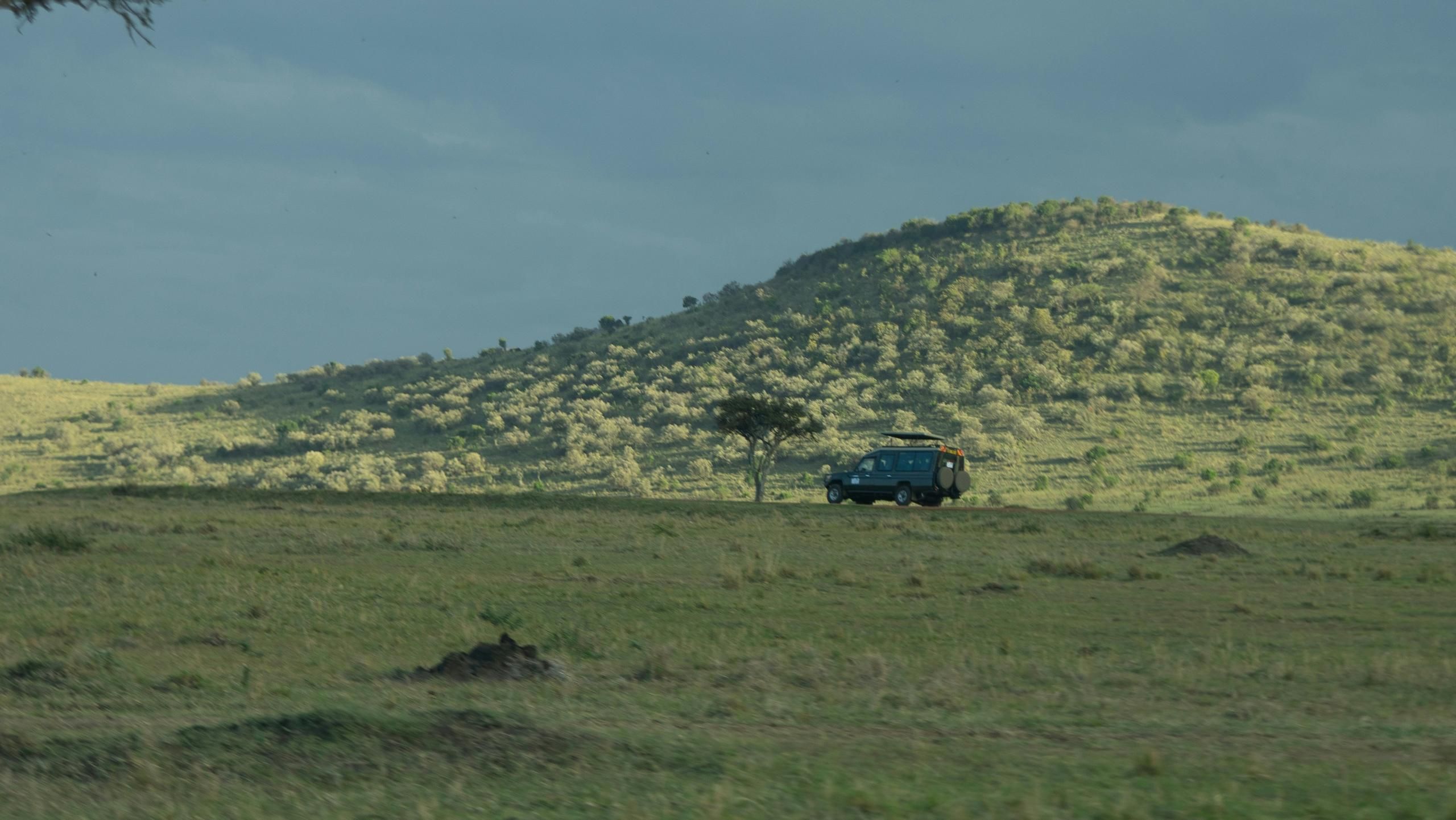
Game drives in Kenya are typically in roof-mounted Land Cruisers or minivans, with a driver-guide who is also your wildlife expert, cultural interpreter, and navigator. The relationship with your guide is central to the experience.
South Africa's Safari Vibe
South Africa's safari experience is more diversified. You can do a world-class safari in the morning and be wine tasting in Stellenbosch by evening. Cape Town offers one of the world's great city experiences. The Garden Route connects safari, coast, and mountains in a single road trip.
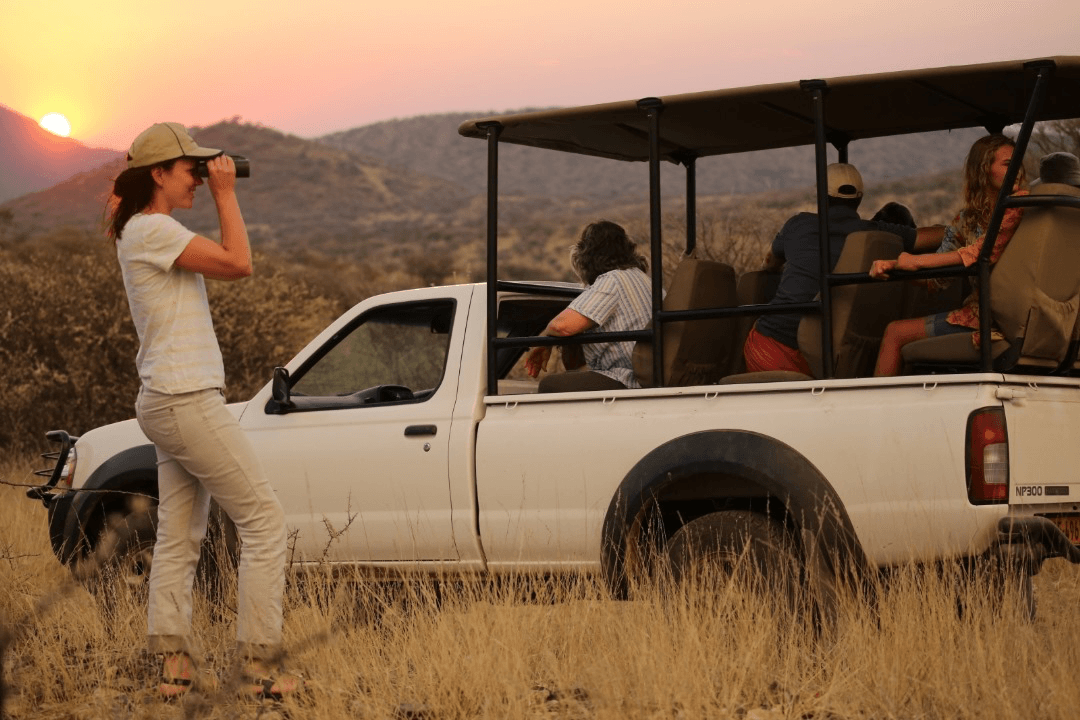
Game drives in private reserves use open-sided Land Rovers with a tracker on the front — an exhilarating setup that puts you closer to the wildlife with no roof between you and a passing elephant. Kruger self-drive is in your own vehicle, which offers independence but less expert wildlife spotting.
The trade-off: South Africa's safari experience can feel more "managed" than Kenya's wild immersion, particularly in private reserves where everything is choreographed. Kenya feels rawer, more unpredictable.
Which Should You Choose?
Choose Kenya if:
- Pure safari immersion is your primary goal
- Seeing the Great Migration is on your bucket list
- Big cat sightings are your priority (Masai Mara is arguably the best on the continent)
- You want to combine with gorilla trekking in Uganda or a Zanzibar beach break
- You prefer a guided safari with a dedicated driver-guide
- Maasai cultural interaction appeals to you
- You have 5-10 days focused entirely on wildlife
Choose South Africa if:
- You want to combine safari with a city experience (Cape Town is world-class)
- Self-driving appeals to you (Kruger's infrastructure is built for it)
- You're a first-time Africa visitor who wants a multi-experience trip (safari + wine + coast + city)
- Budget is a priority (Kruger self-drive is the cheapest quality safari in Africa)
- You'd prefer a malaria-free safari option (Pilanesberg, Madikwe, Addo)
- You want to add the Garden Route, whale watching, or wine country
- You have 10-14 days and want diversity of experiences
Consider Both
A Kenya + South Africa combination is increasingly popular — fly Nairobi to Johannesburg or Cape Town (approximately 4-5 hours). This gives you the classic East African safari experience plus South Africa's lifestyle offerings. Allow 7 days Kenya + 7 days South Africa for a comprehensive trip.
Explore other Kenya experiences and South Africa experiences to compare options.
Frequently Asked Questions
Which country is safer for tourists?
Both are safe for tourists within the standard safari/tourism framework. South Africa has higher rates of general crime (particularly in Johannesburg), but tourist areas, national parks, and the Western Cape are well-managed. Kenya's safari areas are safe; Nairobi requires standard urban precautions. Neither destination should cause safety concerns for a well-prepared traveler.
Which is better for first-time Africa visitors?
South Africa is often recommended for first-timers because of its excellent infrastructure, English-language accessibility, diverse experiences (safari + city + coast), and malaria-free safari options. Kenya is better for travelers whose primary motivation is a pure wildlife safari.
Can I see the Big Five in both?
Yes. Both Kenya and South Africa offer reliable Big Five viewing. Rhino sightings are slightly easier in South Africa (larger populations, particularly in Kruger and KZN). Lion and cheetah sightings are more frequent in Kenya (open terrain and high predator density in the Mara).
Which has better photography opportunities?
Kenya's open savannah and golden light create the classic "safari photograph" — big cats in grass, wildebeest against horizons, Kilimanjaro behind elephants. South Africa's bushveld is denser, which means closer encounters but more obstructed shots. Both are outstanding for wildlife photography.