Africa is a continent of vibrant cultures, deep-rooted traditions, and electrifying celebrations. Across its 54 countries, festivals play a crucial role in preserving history, showcasing identity, and bringing people together through music, dance, art, and spirituality. If you’re drawn to the rhythmic beats of West African drum festivals, the sacred ceremonies of ancient traditions, or the massive street carnivals that rival Rio’s, you’re in for an unforgettable lineup of must-see African festivals.
For travelers looking to immerse themselves in authentic African experiences, attending a festival is one of the best ways to connect with local cultures. These events go beyond entertainment—they provide insight into spiritual practices, historical events, and artistic expressions that have been passed down through generations. From the powerful Voodoo Festival in Benin to the colorful Timkat celebrations in Ethiopia, each festival offers something uniquely mesmerizing.
Timing your visit to coincide with one of these legendary festivals can transform your trip into a once-in-a-lifetime adventure. Imagine dancing with the Tuareg nomads under the stars in the Sahara Desert, witnessing sacred rituals honoring ancient deities, or celebrating the rebirth of a nation through music and storytelling. Whether you’re a culture enthusiast, a photography lover, or simply someone looking for a different kind of travel experience, these festivals should be on your bucket list.
1. Timket (Ethiopia) – The Ethiopian Orthodox Epiphany
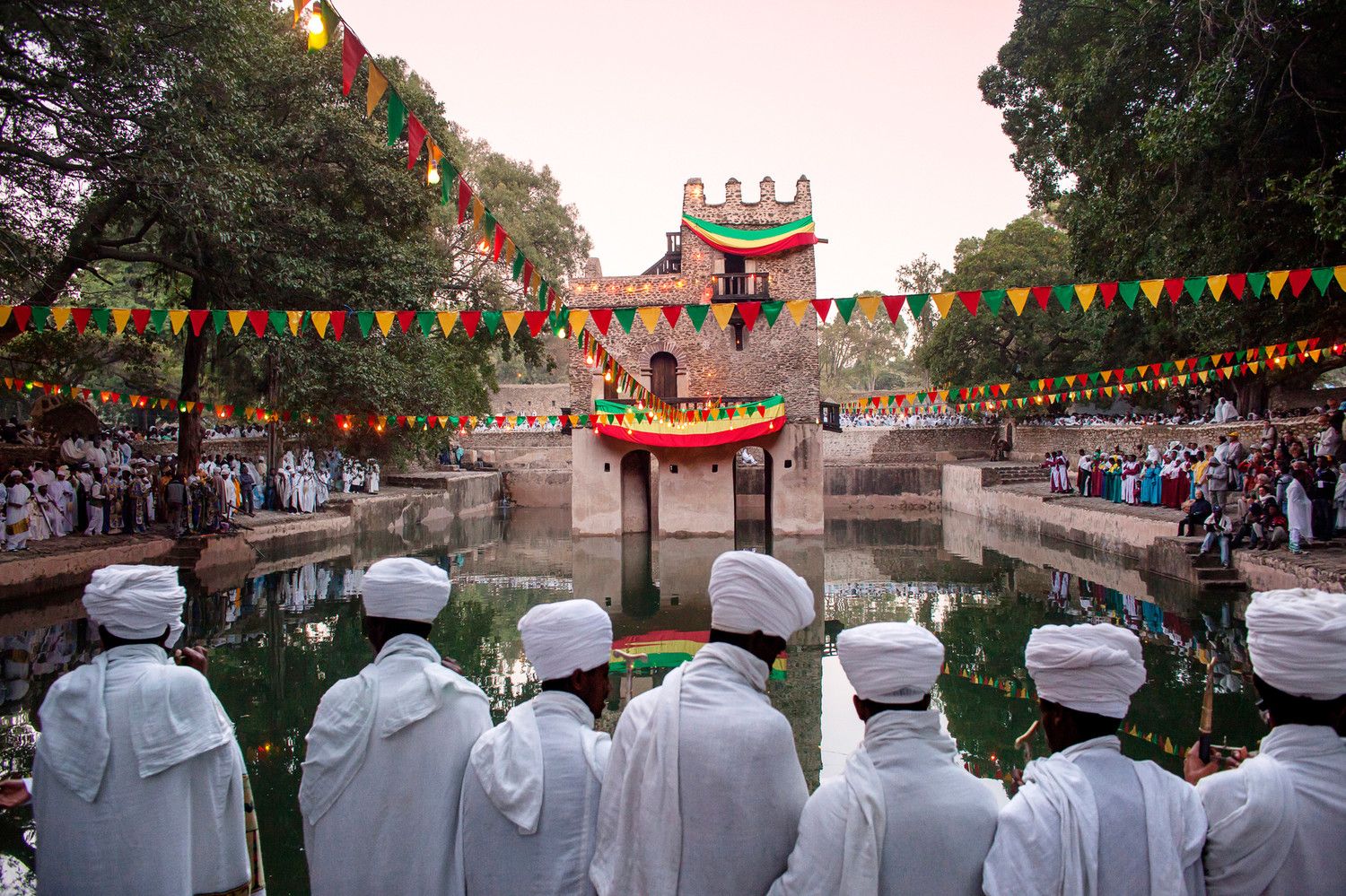
Timkat is the most important religious festival in Ethiopia, celebrating the baptism of Jesus in the Jordan River. Held every year on January 19th (or 20th in leap years), this vibrant festival is a three-day event featuring colorful processions, water blessings, and mass baptisms across the country. The biggest celebrations take place in Gondar, Addis Ababa, and Lalibela, where thousands gather in traditional white robes, singing and chanting in ancient Ge’ez.
The centerpiece of Timkat is the replica of the Ark of the Covenant, known as the Tabot, which is carried in a grand procession to a body of water. At dawn, priests bless the water, and attendees immerse themselves in it to renew their faith and receive divine blessings.
What to Expect
- Witness the grand midnight processions of priests carrying the sacred Tabot.
- Participate in the mass baptism ceremony, a deeply spiritual experience.
- Enjoy traditional Ethiopian music, dancing, and feasting.
2. Voodoo Festival (Benin) – The Heart of African Spirituality
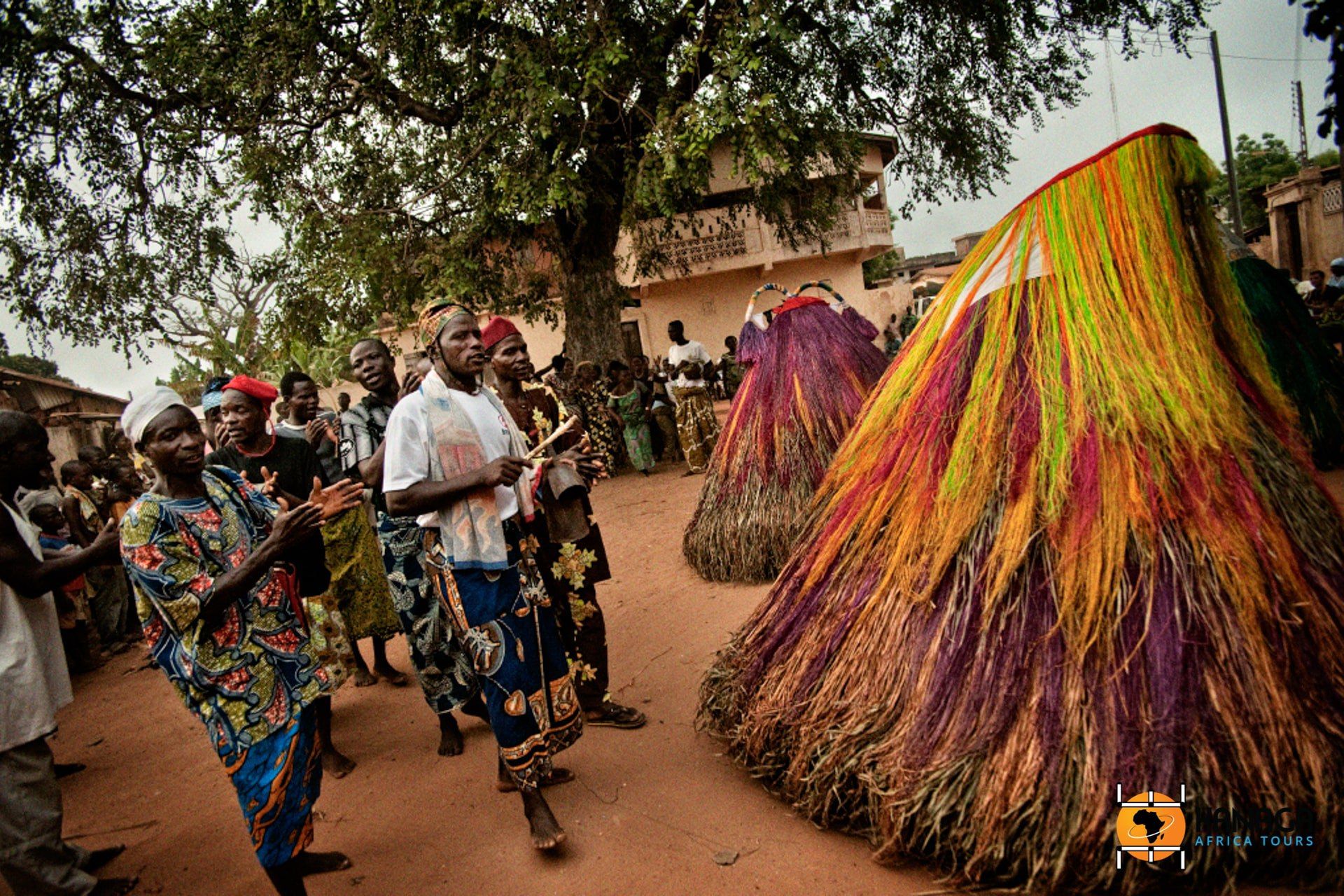
Held annually on January 10th in Ouidah, Benin, the Voodoo Festival is one of the most powerful and immersive cultural experiences in Africa. As the birthplace of Voodoo, Benin recognizes the religion as an official faith, and this festival is a grand celebration of its gods, spirits, and ancestral traditions. It brings together priests, devotees, drummers, and dancers, creating a mesmerizing display of rituals, sacrifices, and ceremonies.
Voodoo, often misunderstood due to Western stereotypes, is a deeply spiritual practice that emphasizes healing, nature, and ancestor worship. During the festival, thousands of followers gather to pay homage to their gods, perform sacred dances, and engage in elaborate ceremonies involving animal sacrifices, drumming, and chanting. The highlight is the ceremonial procession to the sacred beach, where priests perform blessings and invoke spirits.
What to Expect
- Witness traditional sacrificial rituals and spiritual ceremonies.
- Experience hypnotic drumming and dancing, which puts participants into trance-like states.
- Visit the Python Temple, where sacred snakes symbolize wisdom and healing.
- Join in processions leading to the Door of No Return, a historical site linked to the transatlantic slave trade.
3. Durbar Festival (Nigeria) – A Royal Cavalcade of Culture
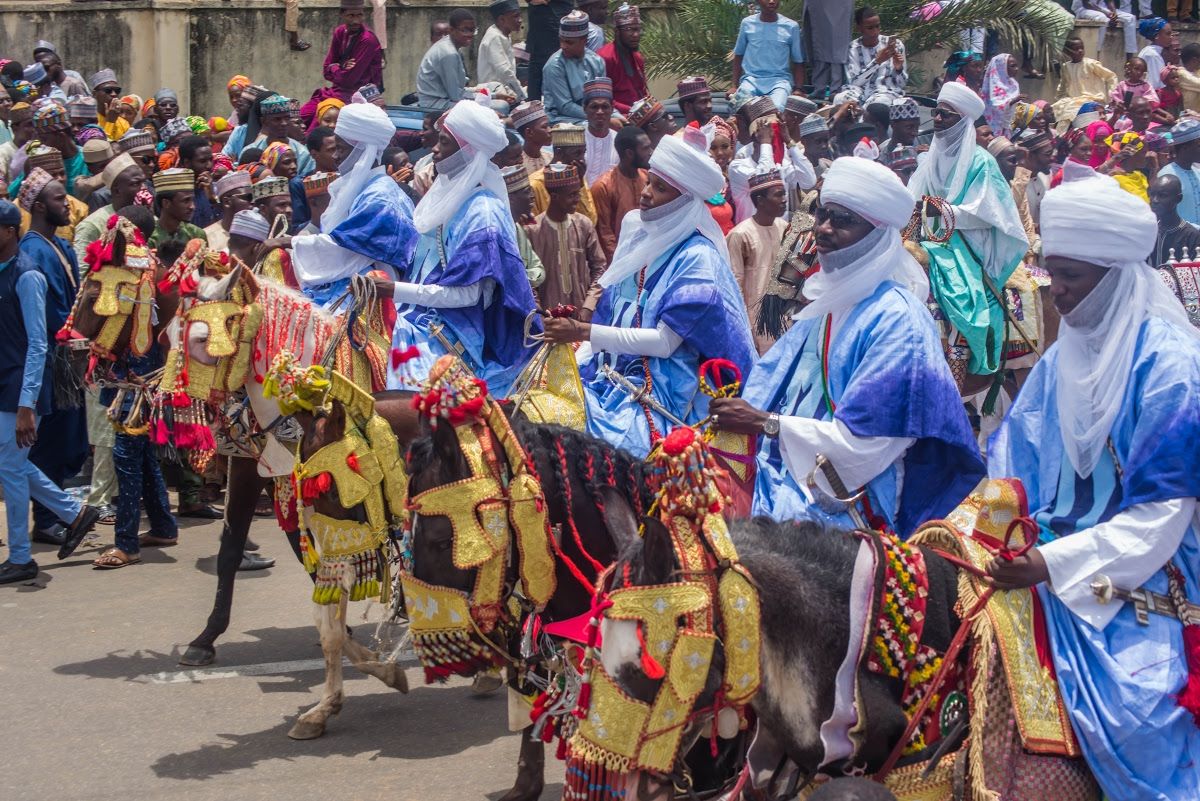
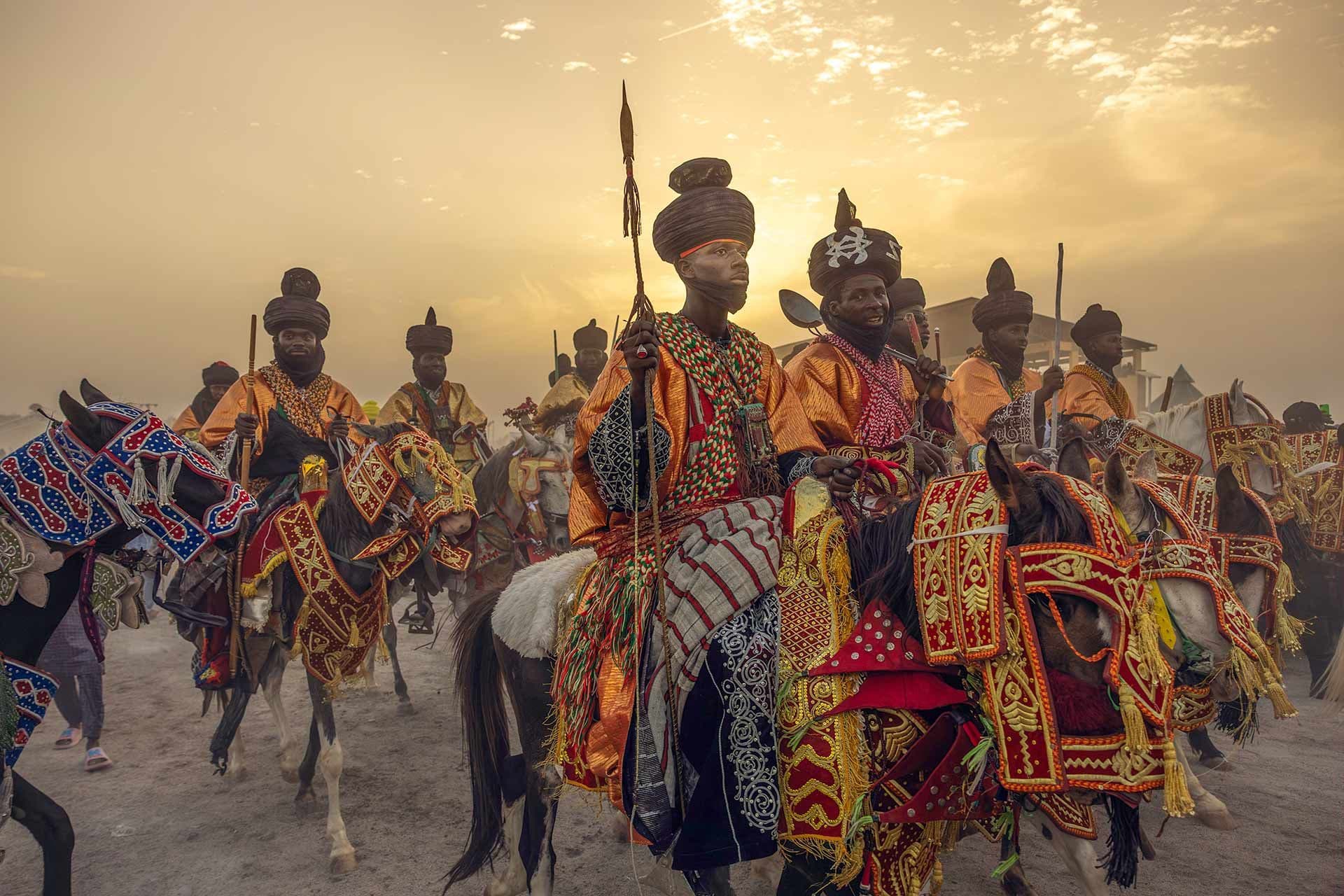
The Durbar Festival is one of the grandest and most visually spectacular events in West Africa. Held in the northern cities of Kano, Kaduna, Zaria, and Katsina, this festival marks the end of Eid celebrations and showcases the rich heritage of Hausa and Fulani traditions. Originally a military parade to honor the Emir, it has now evolved into a breathtaking display of horseback processions, traditional regalia, and cultural performances.
Thousands of riders, dressed in elaborate embroidered robes and turbans, charge through the streets in well-orchestrated formations, while drummers, praise singers, and sword bearers add to the festival’s electrifying atmosphere.
What to Expect
- Spectacular processions of thousands of decorated horses ridden by warriors, princes, and nobles.
- Live music, drumming, and Hausa praise chants that echo through the streets.
- A chance to witness traditional Fulani and Hausa royal customs up close.
Best Time to Visit: Durbar is held twice a year, during Eid al-Fitr (after Ramadan) and Eid al-Adha (Festival of Sacrifice). Dates vary based on the Islamic calendar.
4. Gerewol Festival (Chad & Niger) – A Unique Courtship Ritual
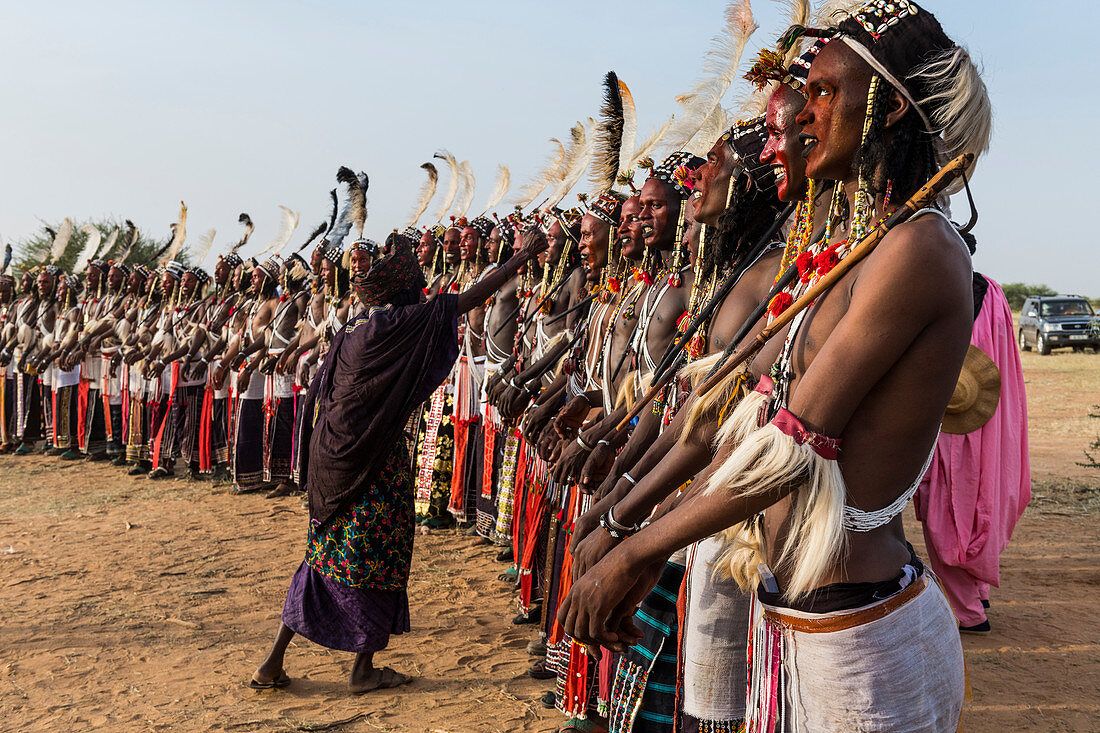
The Gerewol Festival is one of Africa’s most fascinating and visually stunning events. Celebrated by the Wodaabe people, a nomadic Fulani group, this festival is essentially a male beauty contest where young men dress in elaborate costumes, wear makeup, and perform dances to attract potential wives. Held in September and October, the festival takes place in remote areas of Chad and Niger, making it an off-the-beaten-path experience.
What to Expect
- Witness men performing the Yaake dance, showcasing their beauty.
- Experience traditional Fulani music and storytelling.
- Engage with nomadic communities in an untouched desert setting.
5. Festival au Désert (Mali) – The Lost Festival of the Sahara
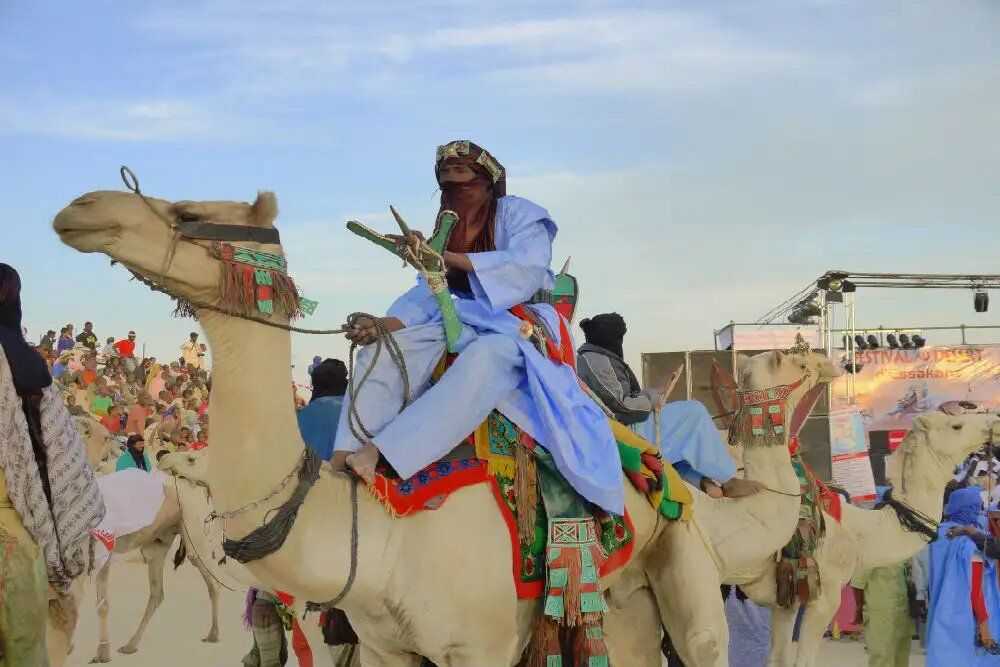
Once held in the Sahara Desert near Timbuktu, the Festival au Désert was one of Africa’s most extraordinary cultural events, featuring Tuareg musicians, camel races, and desert storytelling. Although it was halted due to political instability, there are efforts to revive the festival in safer locations. If it returns, it will be a must-visit for adventure seekers and music lovers.
What to Expect
- Traditional Tuareg blues and desert rock performances.
- Opportunity to camp in the vast Sahara under the stars.
- Experience Tuareg culture, poetry, and storytelling.
Best Time to Visit: Previously held in January, so keep an eye out for its return.
6. Ojude Oba Festival (Nigeria) – A Grand Yoruba Celebration
One of the most visually spectacular festivals in Nigeria, the Ojude Oba Festival is a cultural masterpiece that takes place annually in Ijebu-Ode, Ogun State. Translating to “The King’s Forecourt”, this vibrant event is a tribute to the Awujale of Ijebuland, the paramount ruler of the Ijebu people.
With origins tracing back over a century, the festival was initially a gathering of early Muslim converts in Ijebu-Ode to pay respects to the king. Over time, it has evolved into a grand cultural display, featuring age-grade groups (Regberegbe), aristocratic families, and royal horsemen, all dressed in stunning traditional attire. Today, the Ojude Oba Festival is a globally recognized event, capturing the essence of Yoruba pride, pageantry, and resilience.
What to Expect
- Spectacular horse parades featuring warriors and noble families dressed in regal Yoruba outfits.
- Regberegbe processions, where different age-grade groups compete to outshine one another in style and choreography.
- Traditional drumming, praise-singing, and Yoruba storytelling that bring the festival’s historical significance to life.
- A vibrant display of Aso-Oke and Adire fashion, with festivalgoers donning their most extravagant cultural attire.
Best Time to Visit: Held annually on the third day of Eid-el-Kabir, the festival follows the Islamic calendar, meaning the date shifts slightly each year. Since it is not a fully public event, attending means local connections. You should plan ahead, as Ijebu-Ode is lively during this period, with accommodations filling up fast.
7. Cape Town International Jazz Festival (South Africa) – Africa’s Biggest Jazz Event
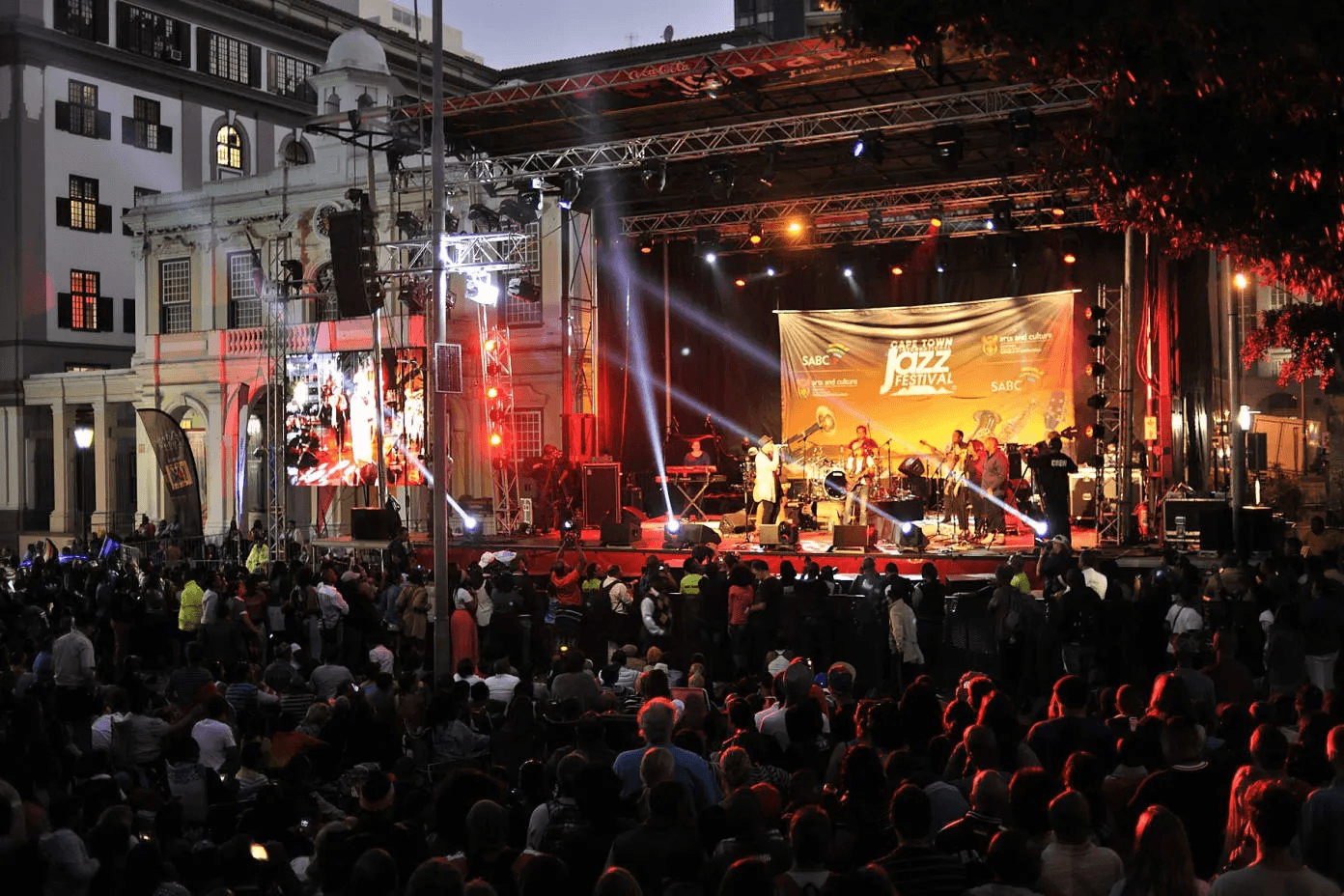
Often referred to as "Africa’s Grandest Gathering," the Cape Town International Jazz Festival is the largest jazz festival on the continent. Attracting over 40,000 music lovers, it features an impressive lineup of world-renowned jazz musicians, Afrobeat artists, and contemporary performers from across the globe. The event takes place at the Cape Town International Convention Centre (CTICC) and has become a must-visit for music enthusiasts.
Beyond the music, the festival also includes workshops, masterclasses, and networking sessions, making it a hub for African and global music talent.
What to Expect
- Live performances from legendary jazz, soul, and Afrobeat musicians.
- A lively atmosphere with food stalls, cultural exhibitions, and networking events.
- A great excuse to explore Cape Town’s stunning scenery, from Table Mountain to its famous beaches.
Best Time to Visit: The festival typically takes place in March or April each year.
8. Chale Wote Street Art Festival (Ghana) – West Africa’s Biggest Art Festival
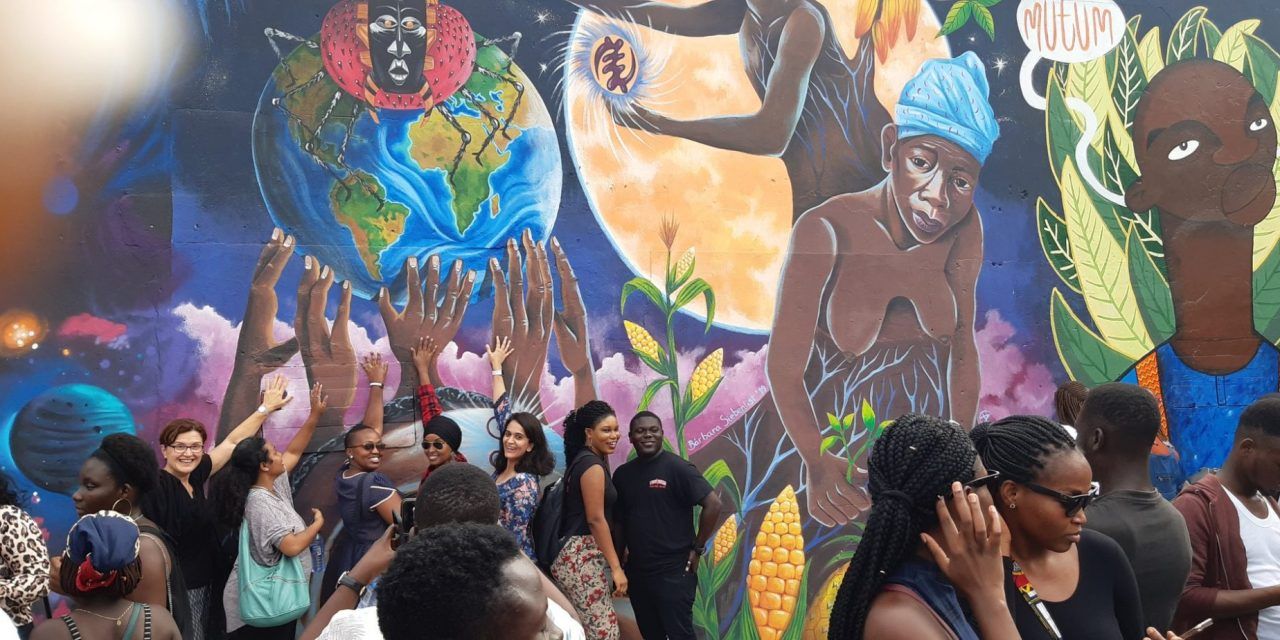
Held in the streets of Jamestown, Accra, the Chale Wote Street Art Festival is a vibrant explosion of street art, graffiti, music, dance, and fashion. Launched in 2011, it has become the largest platform for African artists, creatives, and performers to showcase their work. The festival is a true celebration of urban culture and innovation, bringing together painters, sculptors, skaters, musicians, and fashion designers.
Chale Wote is more than just an art show—it’s a social movement aimed at reclaiming public spaces and redefining contemporary African identity through bold and unconventional artistic expressions.
What to Expect
- Live graffiti painting, street murals, and interactive art installations.
- A mix of spoken word, poetry slams, and musical performances.
- A chance to experience Accra’s underground creative scene.
Best Time to Visit: Held every August in Jamestown, Accra.
9. Festival of the Sahara (Tunisia) – A Desert Celebration of Nomadic Culture
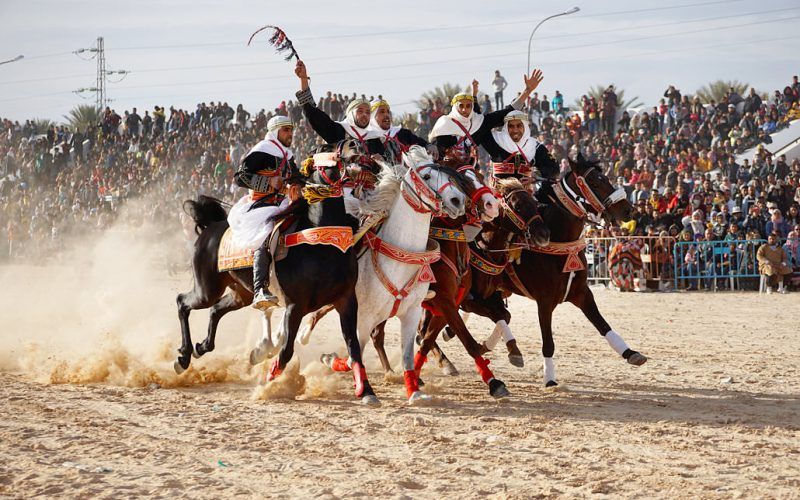
Deep in the Tunisian desert, the Festival of the Sahara in Douz is a stunning celebration of North Africa’s nomadic heritage. This festival, which dates back over 100 years, was originally a gathering of Bedouin and Berber tribes to celebrate the end of the date-harvesting season. Today, it is one of Africa’s most unique and immersive cultural festivals, featuring camel races, falconry, poetry recitals, and Tuareg music.
If you’ve ever wanted to experience life in the Sahara, this festival offers the perfect opportunity to engage with desert dwellers, traditional artisans, and Berber performers.
What to Expect
- Thrilling camel races and equestrian displays.
- Authentic Berber music, dance, and poetry performances.
- A chance to explore the beauty of the Sahara Desert while interacting with nomadic communities.
Best Time to Visit: The festival is usually held in December.
10. Re-Naissance Festival (Ghana) – Celebrating African Identity & Heritage
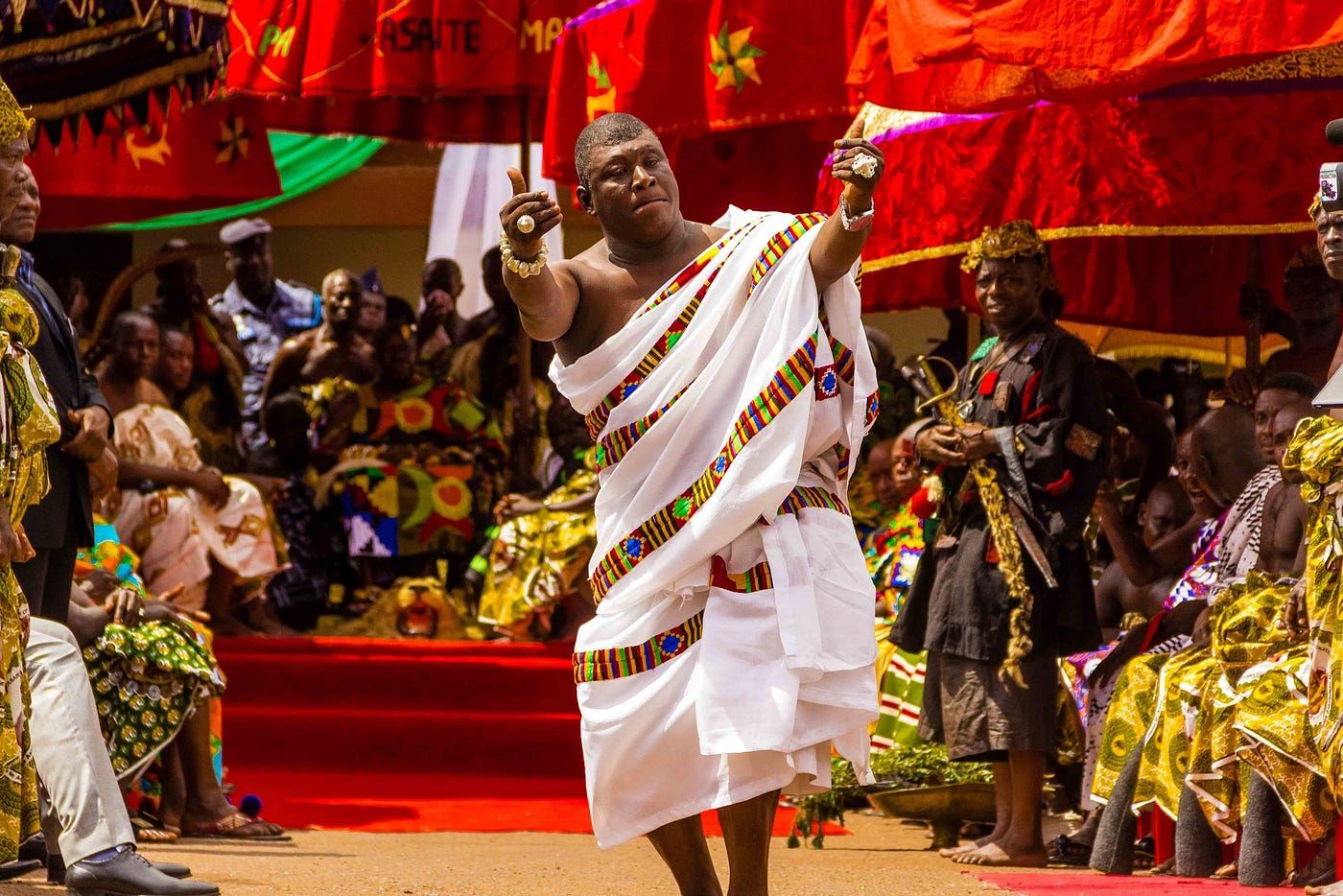
A relatively new but powerful cultural event, the Re-Naissance Festival in Ghana celebrates African history, resilience, and reconnection with the diaspora. Taking place in Cape Coast, this festival is closely tied to the Year of Return movement, which encourages people of African descent to reconnect with their roots. The event features spiritual ceremonies, ancestral rituals, live music, fashion showcases, and historical tours of important sites such as Elmina and Cape Coast Castles.
The Re-Naissance Festival is more than just entertainment—it’s about healing, unity, and rediscovering African identity in a modern context.
What to Expect
- Traditional drumming, storytelling, and spiritual ceremonies.
- Music, dance, and Afrocentric fashion showcases.
- A deep dive into African history and heritage, with guided tours of historical slave trade sites.
Best Time to Visit: Typically held in December, aligning with Ghana’s Detty December celebrations.
Africa’s festivals are more than just celebrations—they are expressions of history, culture, and identity that offer deep connections to the past and present. Whether you’re drawn to sacred spiritual gatherings, electrifying music festivals, or grand cultural parades, there’s a festival that will leave you in awe.
Plan your travels around these festivals to not only enhance your African experience but also give you a deeper appreciation for the continent’s diversity and artistic excellence.
So, which African festival are you making sure you don’t miss? Let us know in the comments!