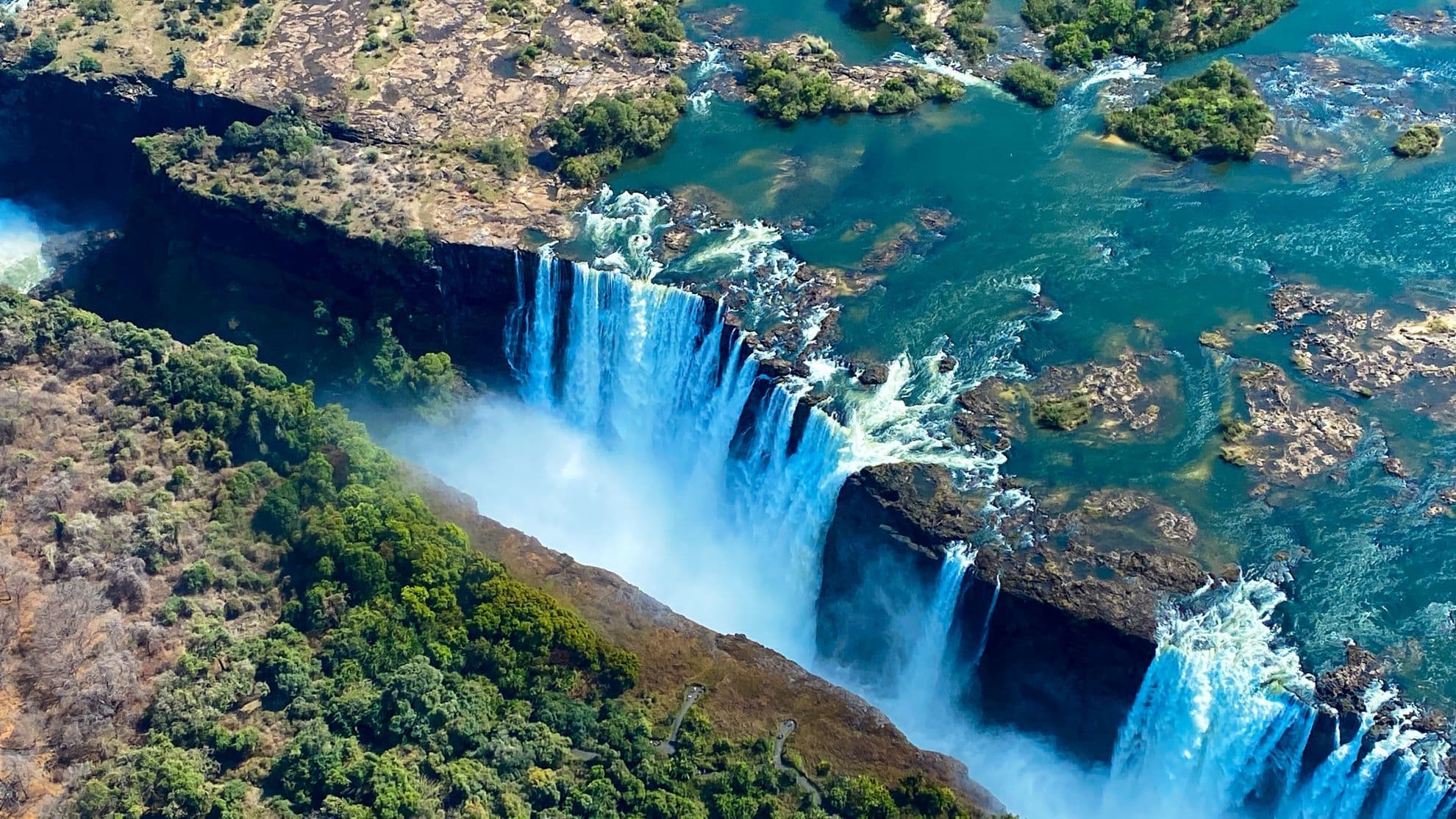
Livingstone is Southern Africa's adventure capital — but most visitors only see Victoria Falls and leave. That's a mistake. This small Zambian town on the banks of the Zambezi River offers far more than its famous waterfall: white-water rafting through the Batoka Gorge, swimming at the edge of Devil's Pool, rhino encounters on foot, sunset cruises, village visits, and some of the most dramatic bungee jumping on the planet.
Here are 15 things worth doing in Livingstone, with practical details on cost, timing, and what to expect.
1. See Victoria Falls from the Zambian Side
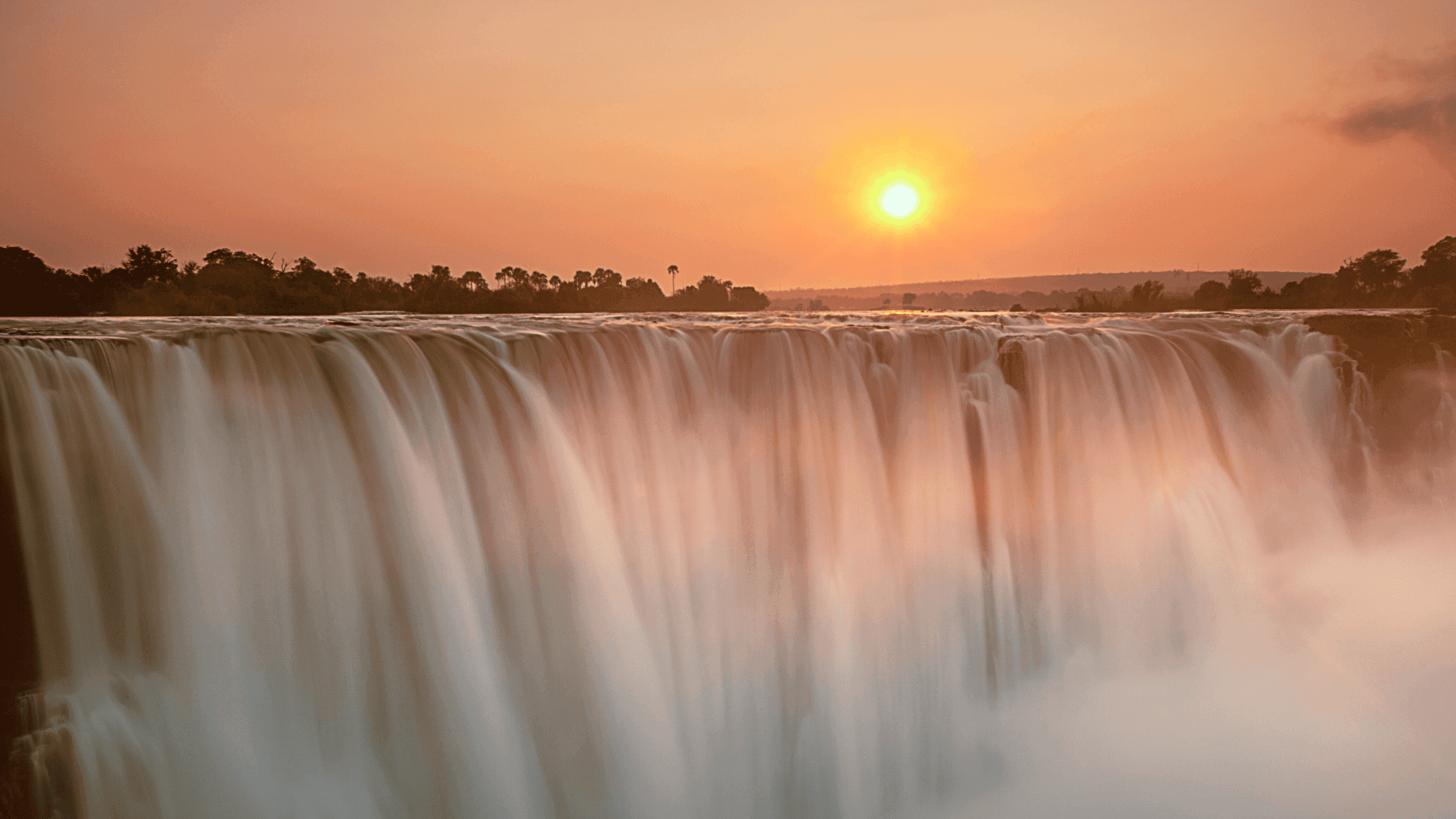
The obvious starting point — but with important detail most guides miss. The Zambian side of Victoria Falls puts you physically closer to the falls than the Zimbabwean side. The Knife-Edge Bridge takes you across a narrow walkway directly facing the cascading water, and during high-water months (March–May), the spray is so intense you'll be soaked within minutes.
Entry fee: Approximately $20 per person for the Zambian side.
Best months for the Zambian side: June through August, when water levels have receded enough to see the falls clearly but the volume is still impressive. From October through December, parts of the Zambian side can dry up almost completely.
Pro tip: Visit early morning (gates open at 6:00 AM) to avoid crowds and catch the best light for photography. Bring a waterproof bag for your phone and camera — the spray is no joke.
2. Swim in Devil's Pool
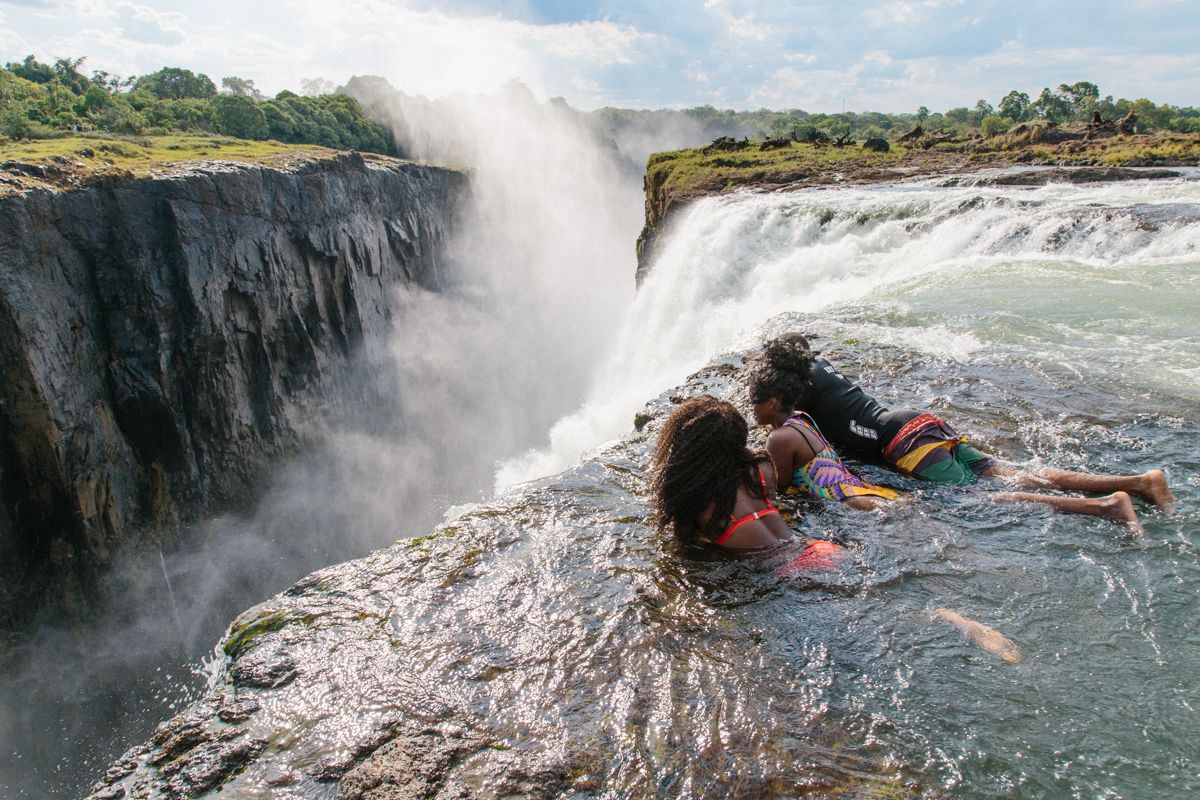
Devil's Pool is a natural rock pool right at the lip of Victoria Falls — you sit in the water looking over the 108-meter drop with nothing but a submerged rock ledge between you and the edge. It's one of the most thrilling natural swimming experiences on Earth.
Availability: Typically mid-August through mid-January, when the Zambezi's water levels are low enough for safe swimming. The pool closes during high-water season.
Cost: Approximately $100–$170 per person, which includes a boat transfer to Livingstone Island, a guided walk, the swim, and light refreshments.
What to know: The experience is conducted by trained guides who manage safety carefully. You will be held by the legs for the edge photos. Despite the dramatic appearance, the safety record is strong when operating within its approved season.
3. White-Water Rafting on the Zambezi
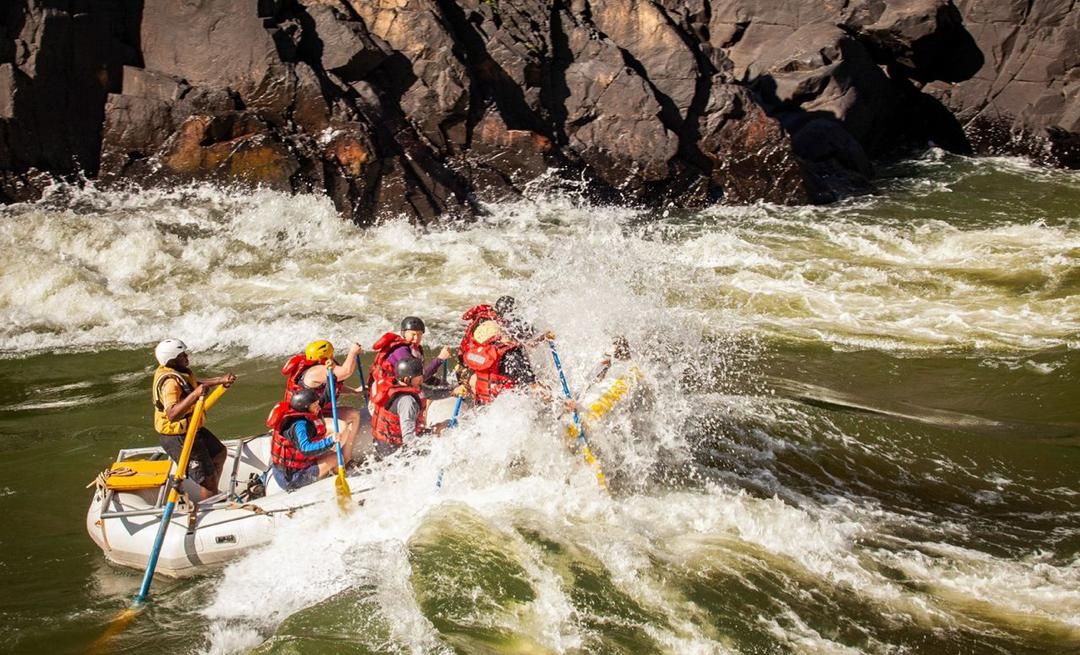
The Zambezi below Victoria Falls produces some of the best commercially-run white-water rapids in the world. The Batoka Gorge creates Grade 5 rapids (the highest commercially raftable grade) with evocative names like "Oblivion," "The Devil's Toilet Bowl," and "Commercial Suicide."
Season: Rafting typically operates from July through mid-February when water levels are lower and rapids are at their most navigable. During high water (March–June), some rapids are too powerful and the commercial operation closes or moves downstream.
Cost: Full-day rafting runs approximately $150–$180 per person, including lunch and refreshments.
Physical requirement: You need to be a competent swimmer and reasonably fit. The hike in and out of the gorge is steep — around 250 meters of altitude change. No prior rafting experience is required; guides handle the technical navigation.
4. Bungee Jump from Victoria Falls Bridge
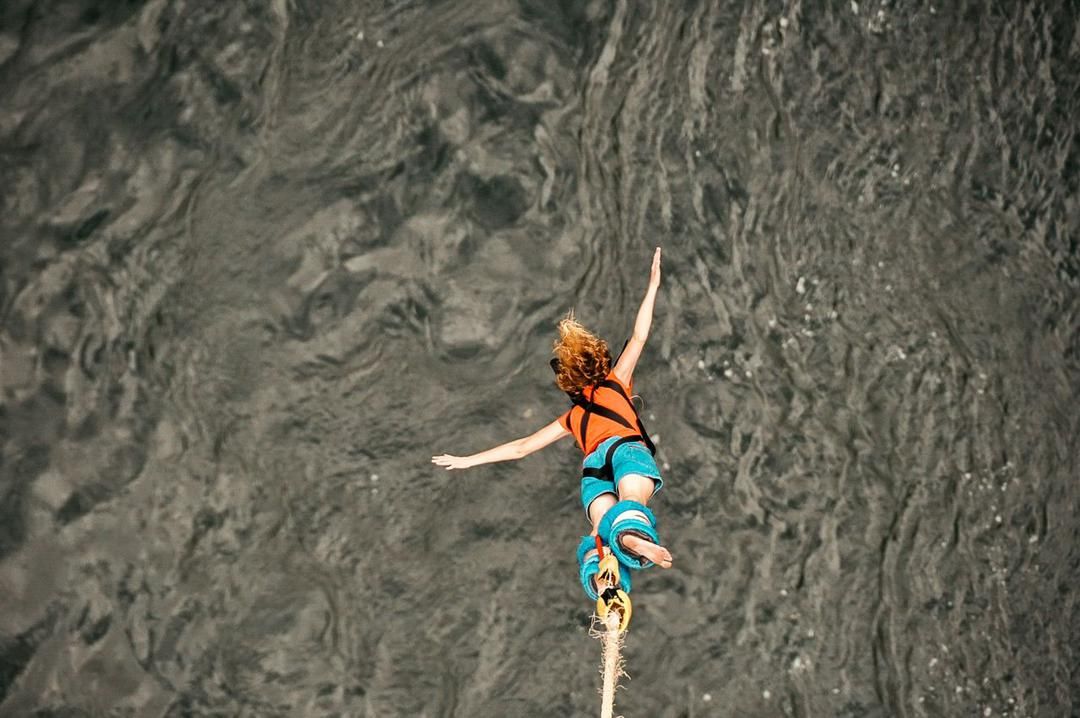
The Victoria Falls Bridge connects Zambia and Zimbabwe, spanning the gorge 111 meters above the Zambezi River. The bungee jump from the center of the bridge is one of the highest commercial bungee jumps in the world.
Cost: Approximately $160 per person.
What to know: The jump takes about 4 seconds of freefall. You bounce several times before being lowered to a recovery boat below. Videos and photos are available for purchase. You'll need your passport to access the bridge (it sits in the no-man's-land between the two border posts).
5. Sunset Cruise on the Zambezi River
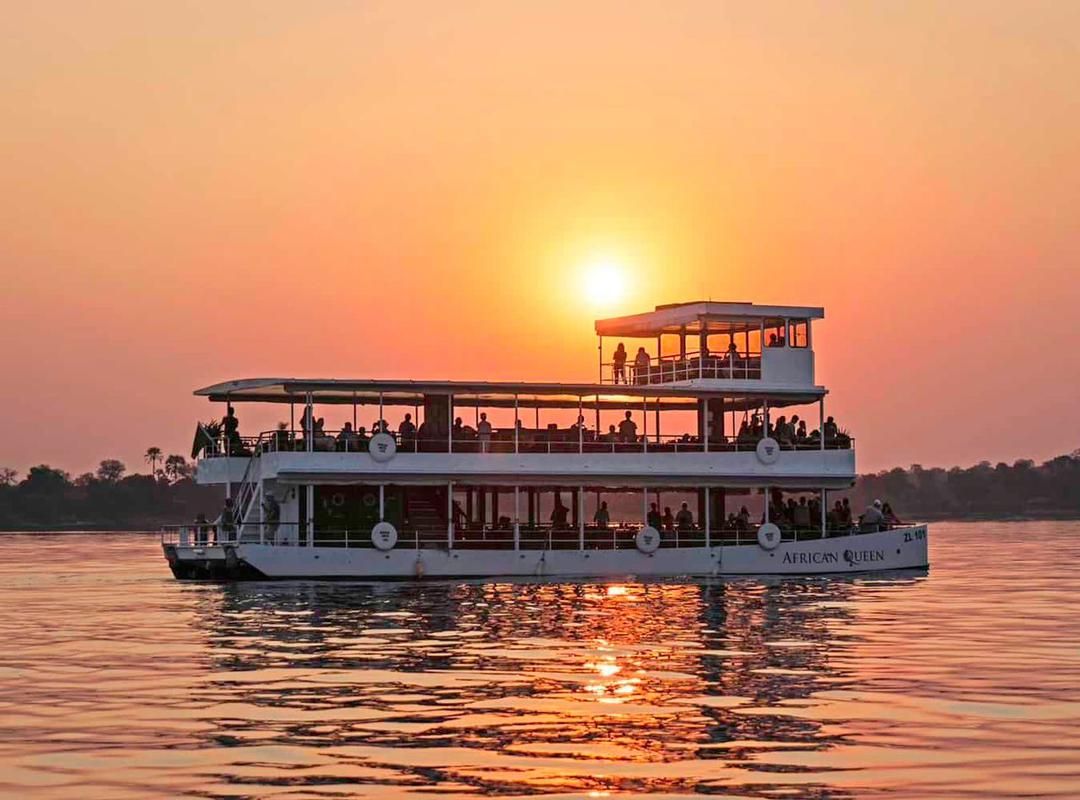
The Zambezi upstream of Victoria Falls is wide, calm, and lined with wildlife. Sunset cruises are one of Livingstone's most popular and relaxing experiences. You'll drift past hippos, crocodiles, and elephants coming to drink, while the sun sets over the river in colors that look filtered even in real life.
Cost: $40–$100 per person depending on the vessel and package. Standard cruises include drinks and snacks. Premium options offer multi-course dinners.
Duration: Typically 2–3 hours, departing in the late afternoon.
Best time: Year-round, though the dry season (June–October) offers the best wildlife sightings along the riverbank as animals congregate near the water.
Explore Livingstone river and cruise experiences.
6. Walking Safari with White Rhinos
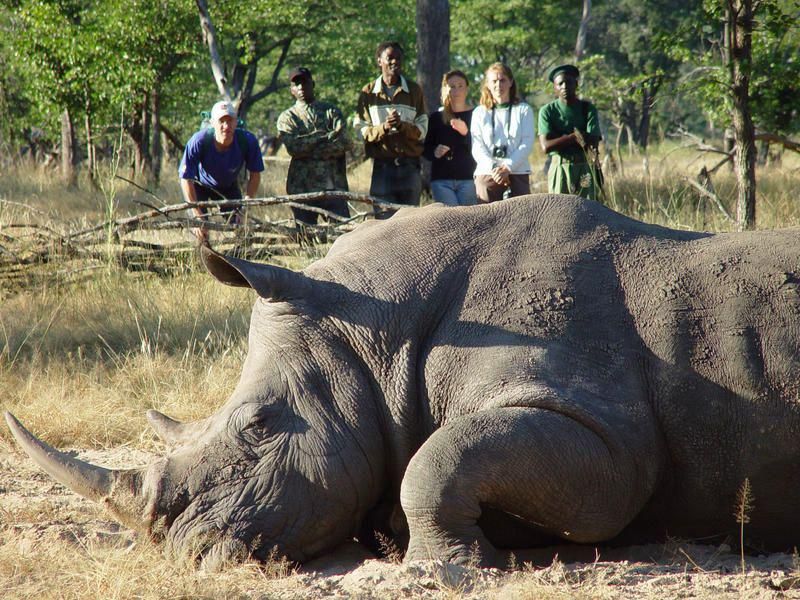
Mosi-oa-Tunya National Park — Zambia's smallest national park at just 66 square kilometers — offers something rare: a guided walking safari to see white rhinos on foot. The park's rhino population is closely guarded and monitored, and walks are conducted with armed rangers.
Cost: $70–$100 per person for a 3-hour walking safari.
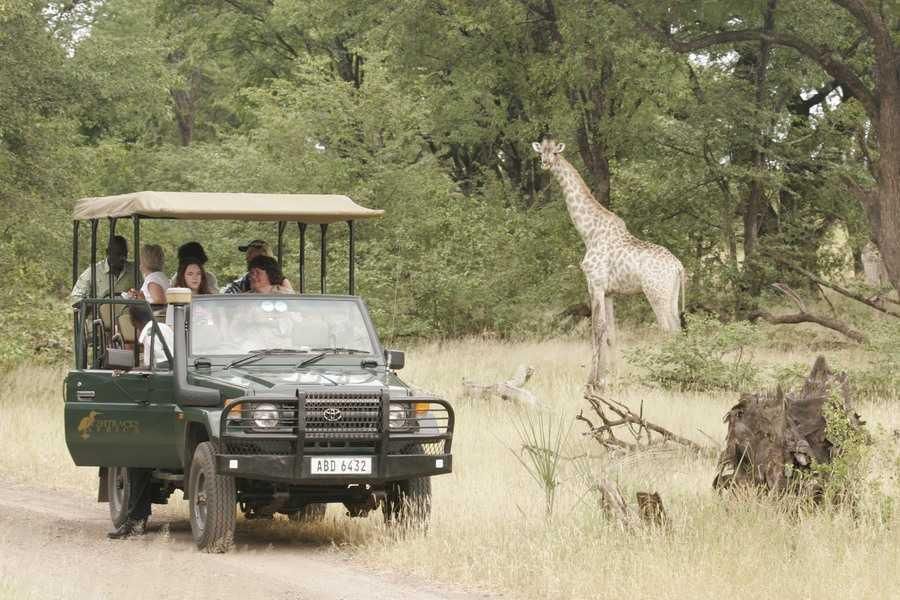
What to expect: You'll approach within 20–30 meters of white rhinos in the wild. The guides are extremely experienced and prioritize the safety of both visitors and animals. Beyond rhinos, the park is home to elephants, giraffes, zebras, and various antelope species.
7. Livingstone Island Tour
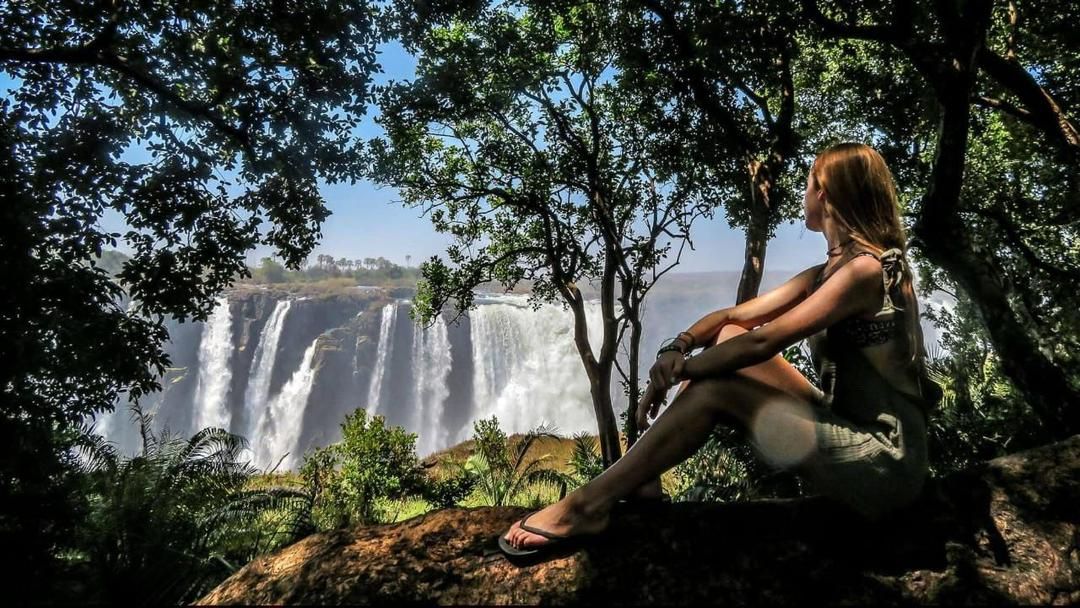
Livingstone Island sits at the very edge of Victoria Falls — it's the spot where David Livingstone allegedly first viewed the falls in 1855. Today, guided tours take visitors by boat to the island for a walking tour and, during low water, access to Devil's Pool.
Cost: $85–$170 per person depending on season and whether Devil's Pool is included (brekkie, lunch, or high tea options available).
Availability: Tours operate year-round, though the experience varies dramatically by season. During high water, the island tour offers dramatic close-up views of the falls at full power but no swimming.
8. Helicopter Flight Over Victoria Falls
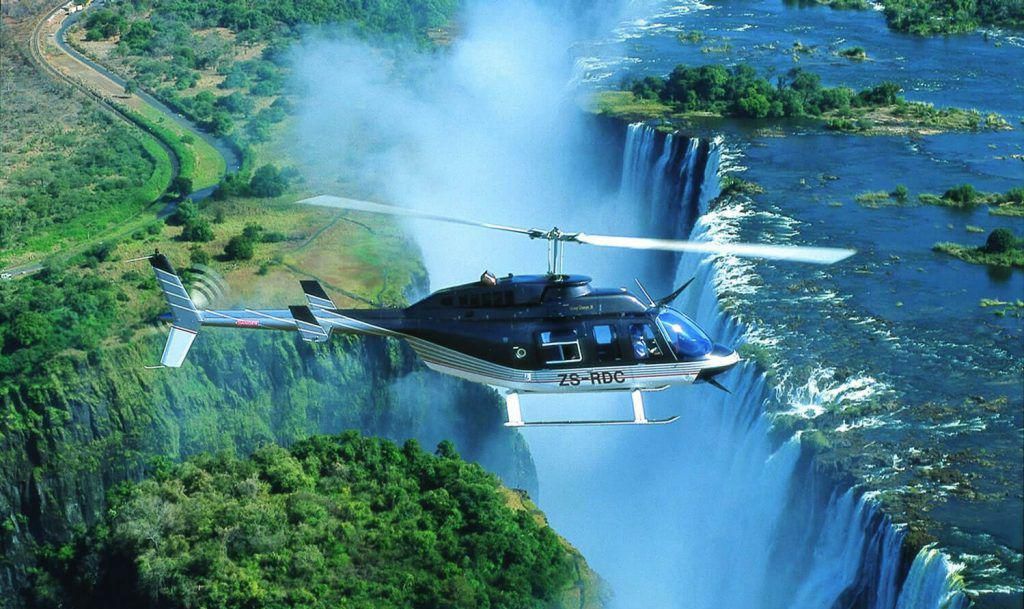
Known locally as the "Flight of Angels," a helicopter ride over Victoria Falls gives you the full perspective that ground-level visits can't match. You see the entire 1.7-kilometer width of the falls, the zig-zag of the gorges below, and the spray cloud rising hundreds of meters into the air.
Cost: $170–$320 per person for a 12–15 minute flight. Longer flights covering the upper Zambezi and surrounding wildlife areas are also available.
Best time: During high-water season (March–May) the aerial view is most dramatic, as the falls are in full flood and the spray cloud is visible from kilometers away.
9. Visit Mukuni Village
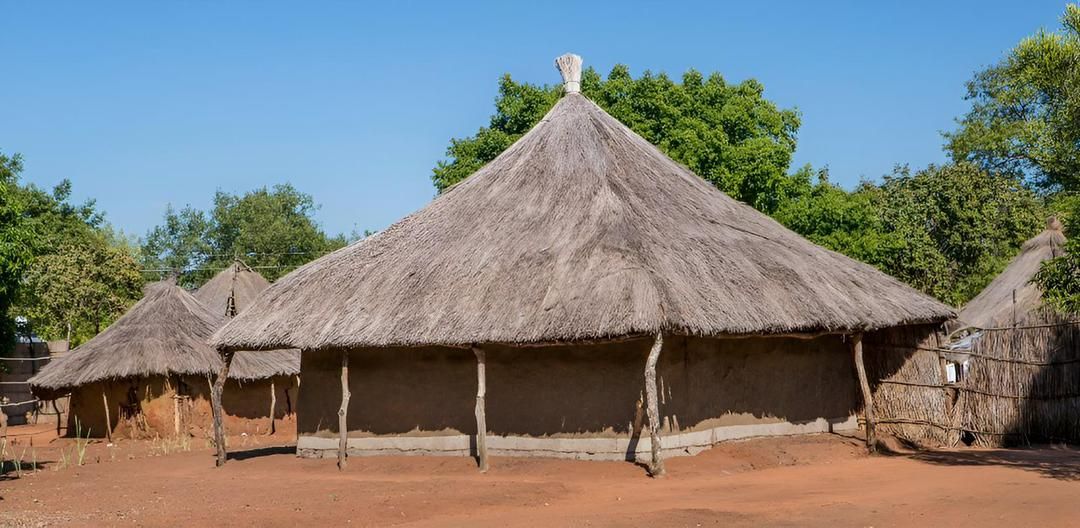
Mukuni is a traditional Tonga village located about 10 kilometers from Victoria Falls, home to approximately 7,000 people. Guided village tours offer genuine cultural interaction — you'll visit homes, see traditional crafts, learn about Tonga customs, and watch cultural performances.
Cost: $20–$40 per person.
What to expect: This is a real community, not a theme park. The experience is guided by village members, and the chief and elders are actively involved in the tourism program. Photography is generally welcome, but always ask permission first.
Why it matters: Cultural tourism provides direct income to local communities. This is one of the most meaningful experiences you can have in Livingstone.
10. Gorge Swing and Zip Line
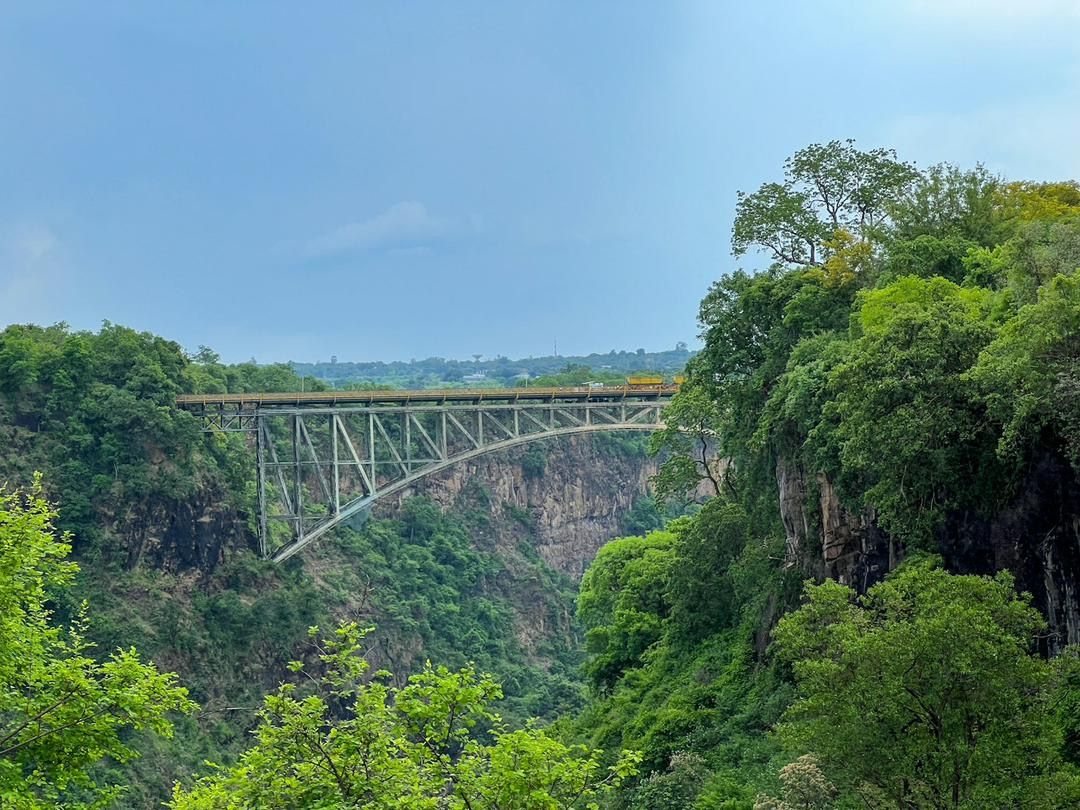
For adrenaline seekers who want something beyond bungee, the gorge swing drops you 70 meters in freefall before swinging you out over the Batoka Gorge. The zip line crosses the gorge at high speed with the Zambezi far below.
Cost: Gorge swing approximately $100, zip line approximately $65, or combo packages available.
Physical requirement: You need to be comfortable with heights. No technical skill is required — you're secured in a full-body harness and the operators handle everything.
11. The Royal Livingstone Express
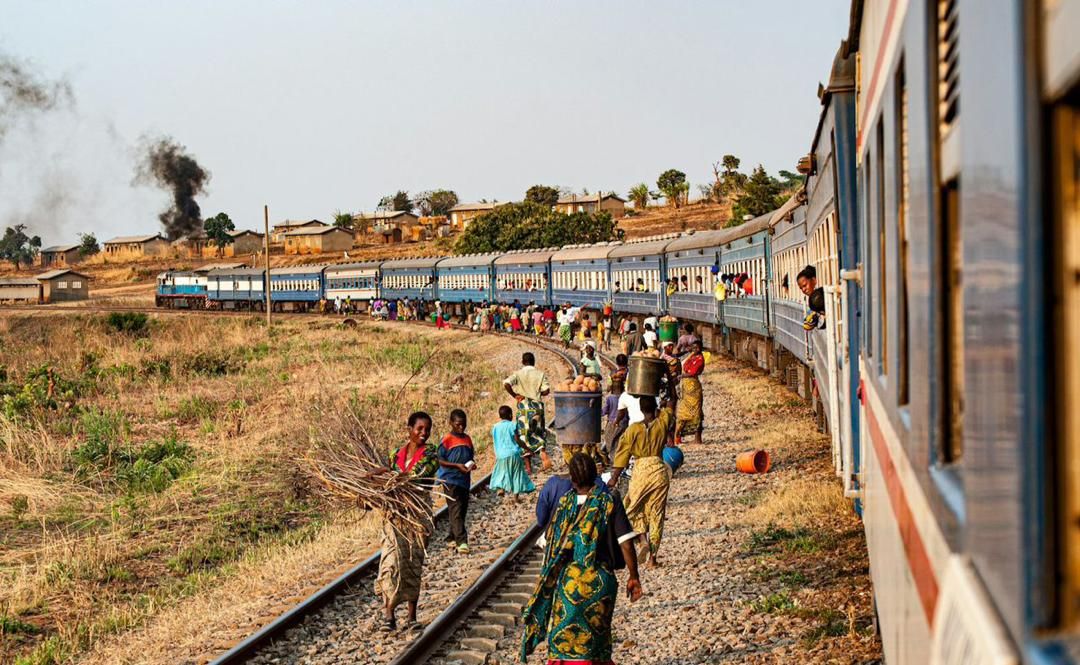
A heritage steam train experience along the Zambezi River. The restored train departs from Livingstone's old railway station and travels along the river while you enjoy a multi-course dinner with drinks, white-tablecloth service, and views of the setting sun.
Cost: $200–$250 per person including a 4–5 course dinner and drinks.
Duration: Approximately 3–4 hours.
Best for: Couples, special occasions, and anyone who appreciates the romance of old-world train travel in an African setting.
12. Fishing on the Zambezi
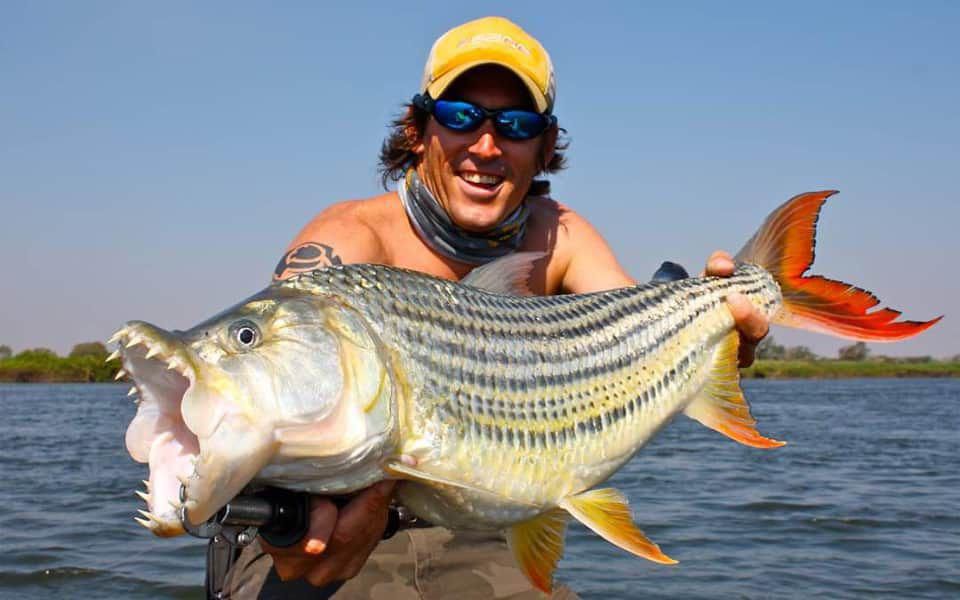
The Zambezi is home to the tiger fish — widely considered one of the most exciting freshwater sport fish in the world. Catch-and-release fishing trips operate on the river above the falls, and the experience combines wildlife viewing with the thrill of landing a powerful, toothy predator.
Cost: Half-day fishing trips from approximately $120 per person.
Best season: August through November, when water levels are lower and tiger fish are most active.
13. The Livingstone Museum
Zambia's oldest and largest museum is genuinely worth an hour or two. The collection covers archaeology, ethnography, and natural history, with exhibits on David Livingstone's expeditions, traditional Zambian culture, and the geological history of Victoria Falls.
Cost: Approximately $5 per person.
Good for: A morning or afternoon when you want a break from adrenaline activities, or as a rainy-day option.
14. Microlight Flight Over the Falls
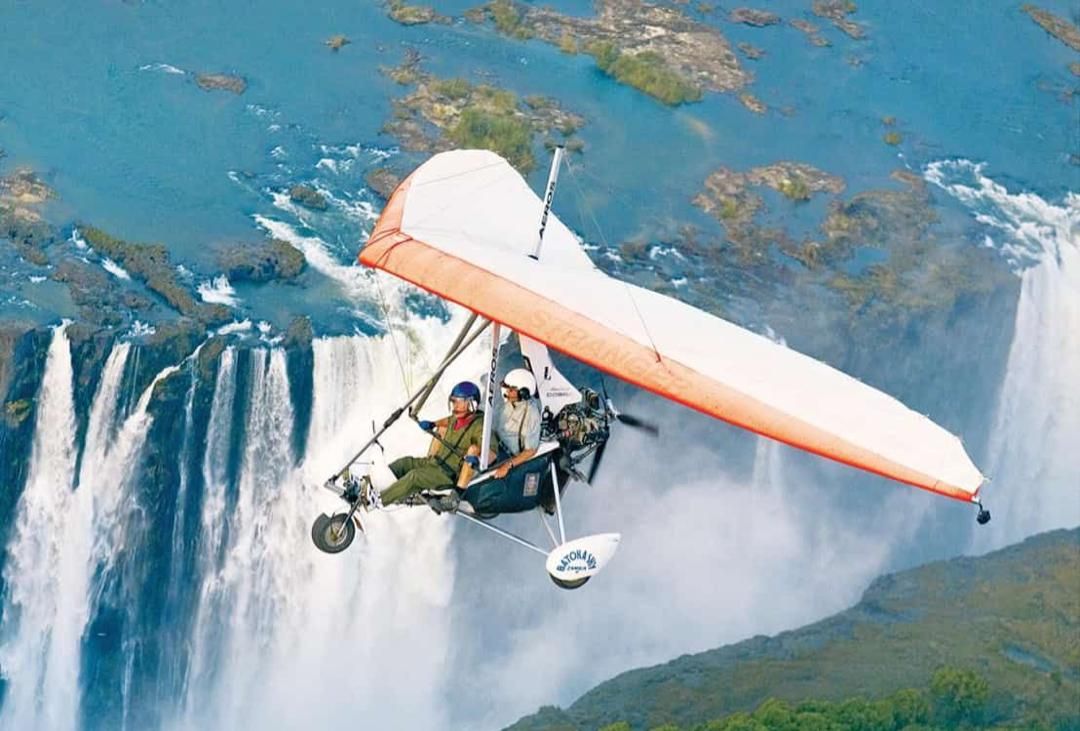
For a more open-air aerial experience than a helicopter, microlight flights put you in an ultralight aircraft with unobstructed 360-degree views. You feel the wind and the spray, and the experience is far more intimate than a helicopter ride.
Cost: $175–$260 per person for 15–30 minutes.
Note: Weight limits apply (typically 100–110 kg). Flights are weather-dependent and may be postponed for wind or rain.
15. Day Trip to Chobe National Park (Botswana)
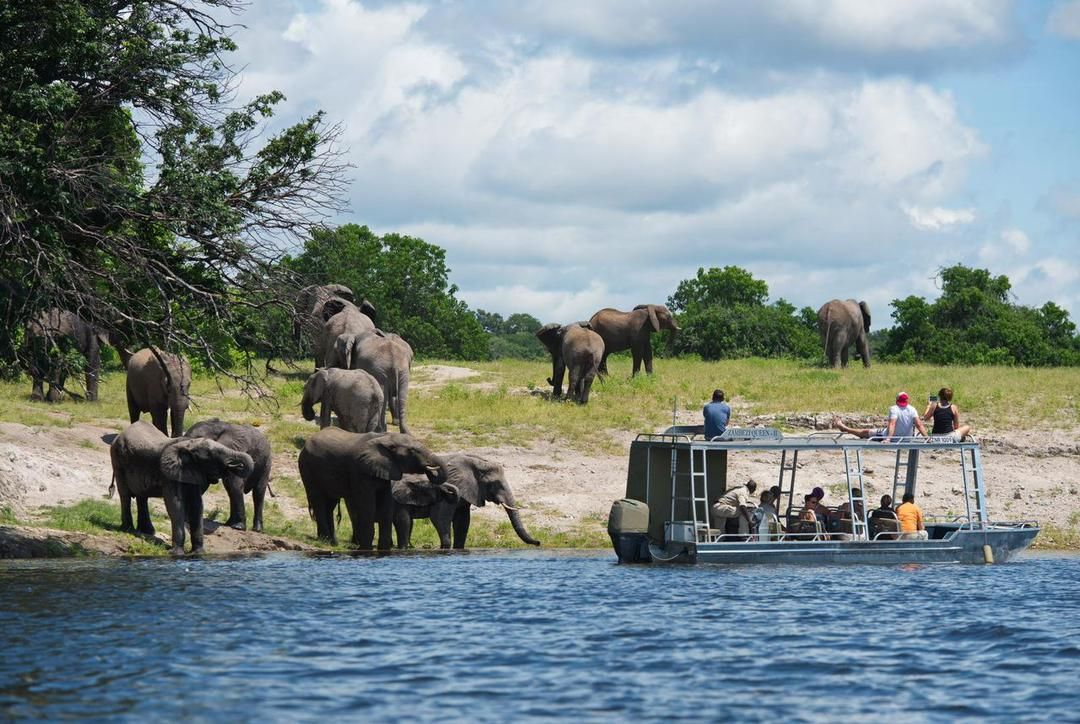
Chobe National Park in Botswana is just 80 kilometers from Livingstone — close enough for a day trip. Chobe is famous for its enormous elephant herds (the highest concentration in Africa) and excellent predator sightings along the Chobe River.
Cost: Day trips from Livingstone typically run $150–$250 per person including border crossing, park fees, a game drive, and a river cruise.
Logistics: You'll cross the Zambia-Botswana border at Kazungula. A valid passport and appropriate visas are required. Most day trip operators handle all border formalities for you.
Why include it: If you have a spare day in Livingstone and want a full safari experience, Chobe delivers exceptional wildlife viewing without the cost and logistics of a multi-day safari.
How to Plan Your Livingstone Trip
How many days? Three to four days is ideal for Livingstone. This gives you time for the falls themselves, two or three activities, and a sunset cruise without feeling rushed.
When to go? June through August offers the best balance: pleasant weather, good water levels at the falls, rafting and Devil's Pool open, and excellent wildlife viewing. February through April is best for seeing the falls at maximum power.
Where to stay? Livingstone has accommodation from backpacker hostels ($15/night) to riverside luxury lodges ($500+/night). The town center is walkable and has restaurants, shops, and ATMs.
Budget guide:
- Budget: $100–$150 per day (hostel, 1–2 activities, local food)
- Mid-range: $200–$400 per day (comfortable lodge, 2–3 activities, sunset cruise)
- Luxury: $500+ per day (riverside lodge, helicopter flight, private experiences)
Browse all Livingstone experiences — including airport transfers, guided tours, and activities with trusted local hosts.
Frequently Asked Questions
Do I need a visa for Zambia?
Most nationalities can obtain a visa on arrival at Livingstone Airport or at the land border. The KAZA UniVisa ($50, valid 30 days) covers both Zambia and Zimbabwe, which is ideal if you want to see the falls from both sides. Check current visa requirements with your embassy before traveling.
Is Livingstone safe?
Livingstone is a well-established tourist town and generally safe for visitors. Standard precautions apply: don't walk alone at night in unlit areas, secure your valuables, and use reputable tour operators. The tourist areas, lodges, and activity venues are well-managed and secure.
Can I see Victoria Falls from both sides?
Yes. You can cross the Victoria Falls Bridge on foot or by taxi to access the Zimbabwean side. With a KAZA UniVisa or appropriate double-entry visa, the crossing is straightforward. Many visitors see one side on one day and the other side the next.
What currency should I bring?
Zambia uses the Zambian Kwacha, but US dollars are widely accepted in Livingstone's tourist economy. ATMs are available in town. If you're crossing into Zimbabwe, bring US dollars — it's the primary currency there.