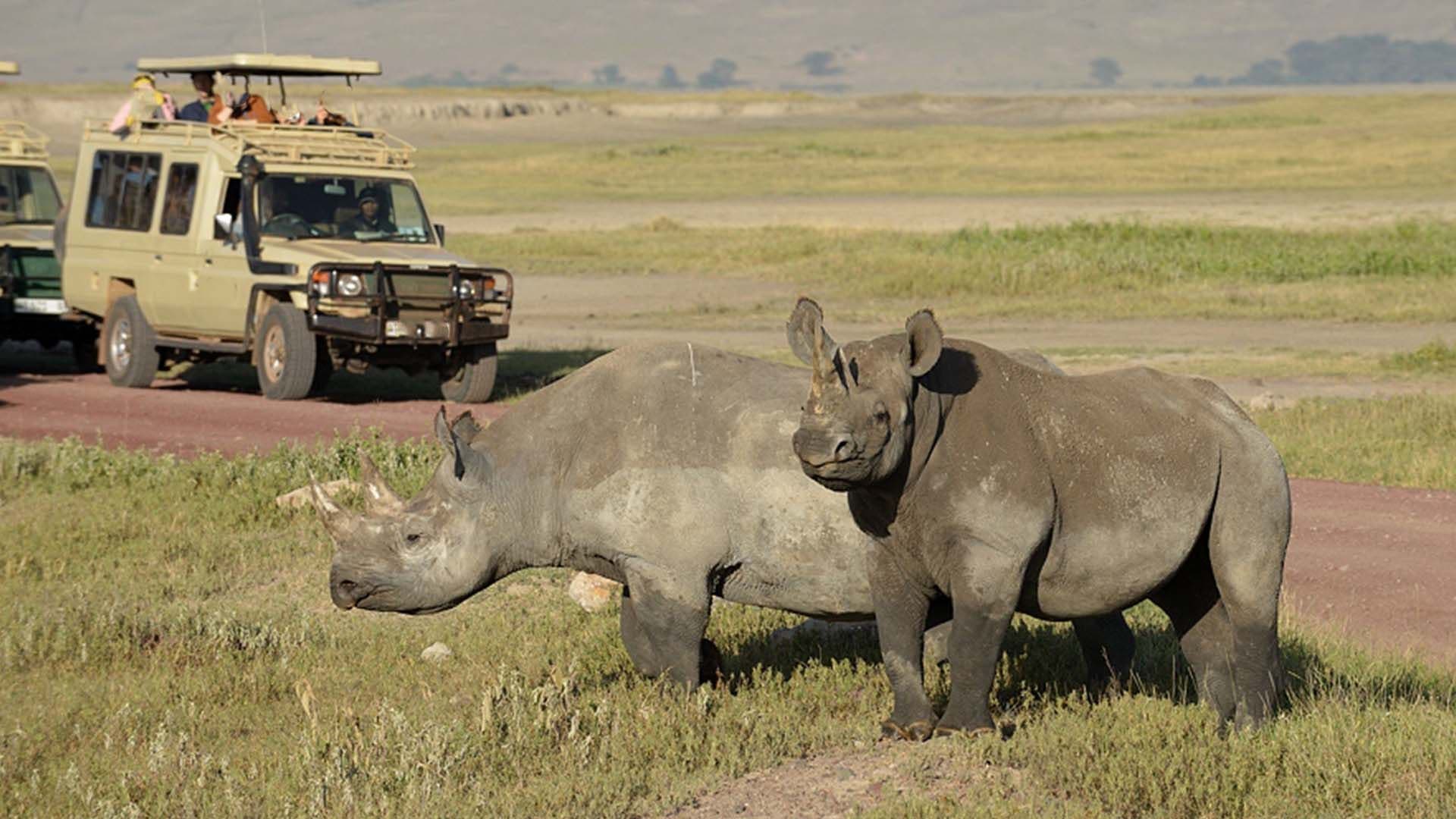
The Ngorongoro Crater is the world's largest unbroken volcanic caldera — a 260-square-kilometer natural amphitheater where approximately 25,000 large animals live in a self-contained ecosystem. It's been called "Africa's Eden" and "the eighth wonder of the world," and for once, the hyperbole is justified.
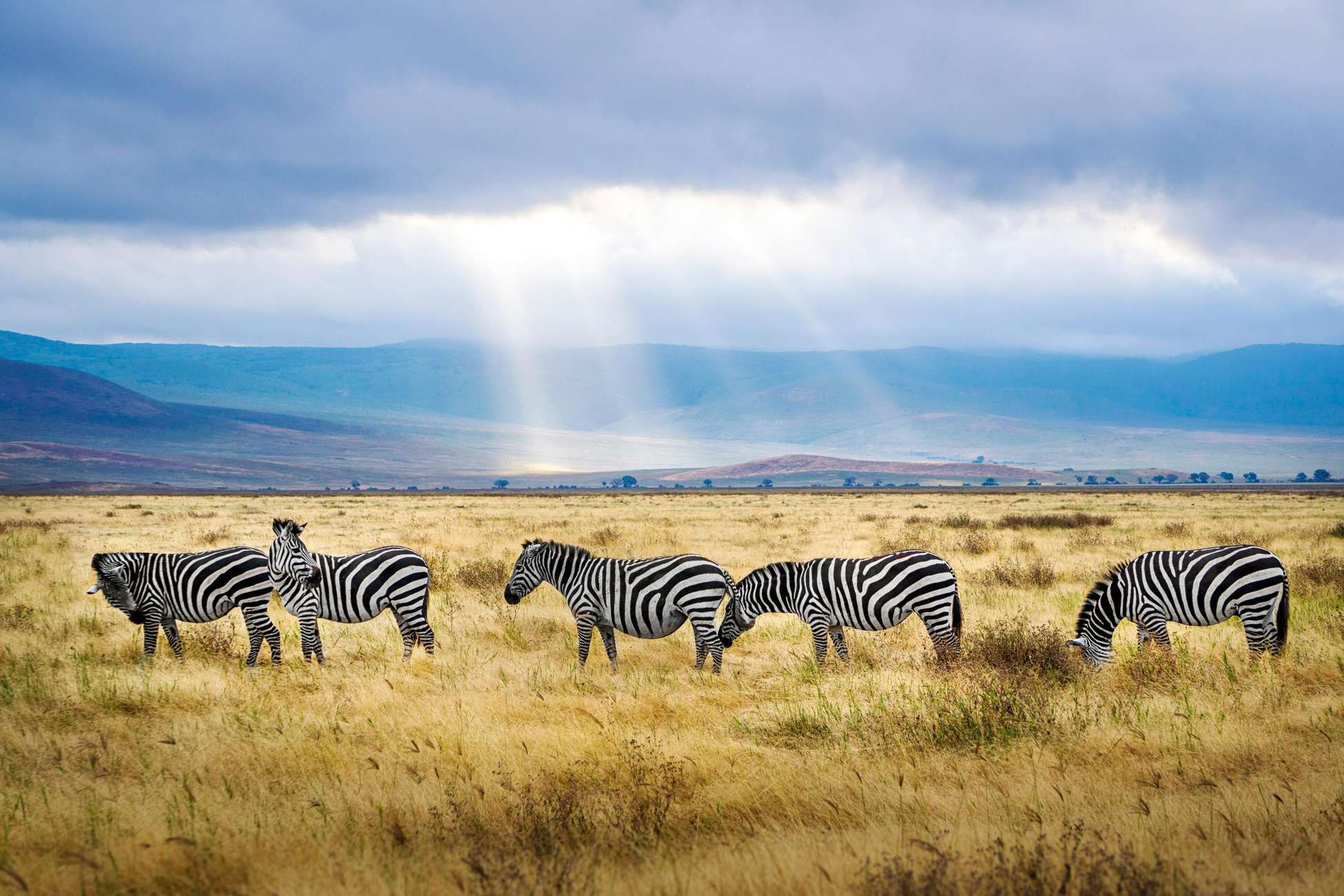
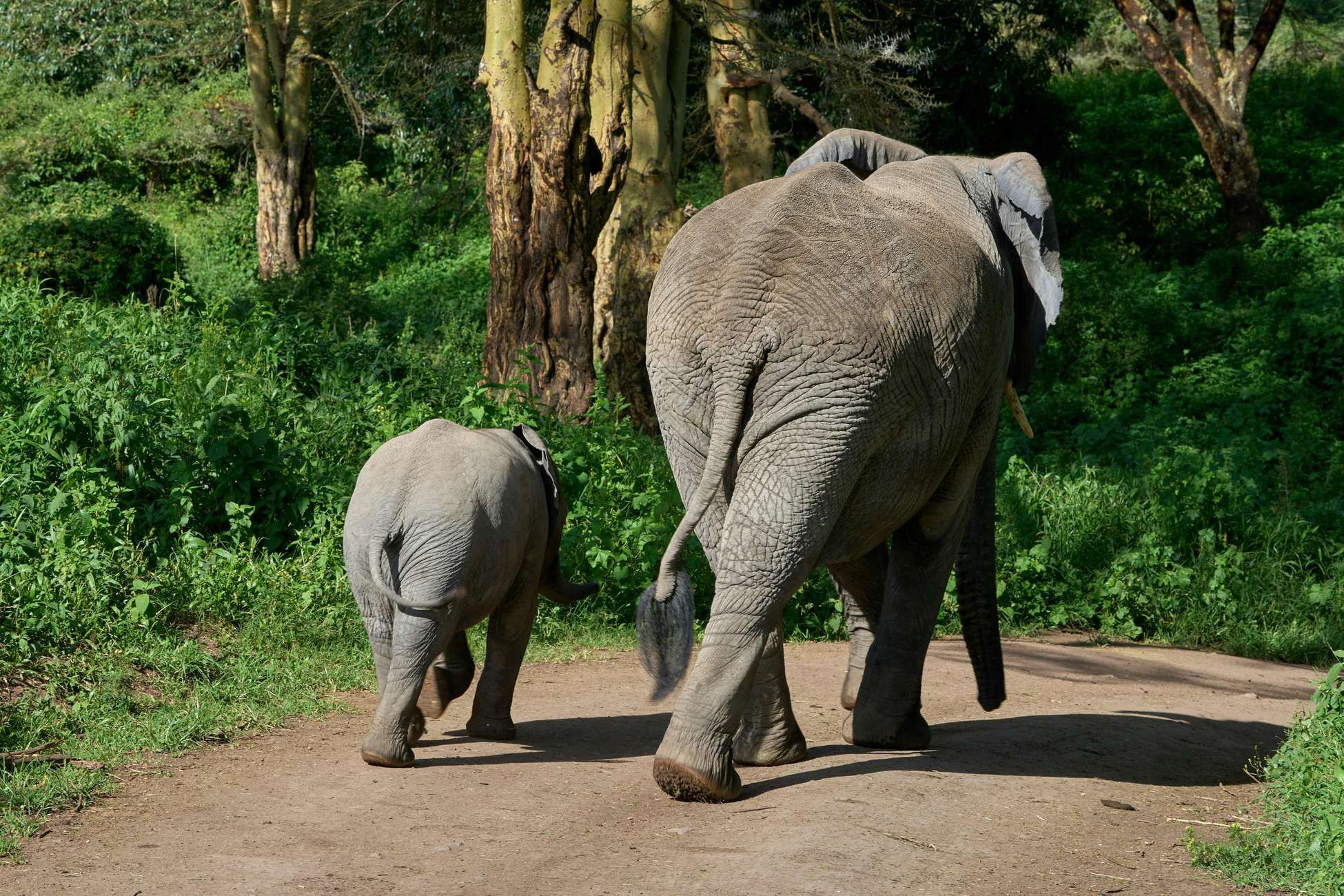
The crater floor sits 600 meters below the rim, enclosed by steep walls that create a natural boundary. Inside: all of the Big Five (lion, leopard, elephant, buffalo, and the endangered black rhino), plus hippos, wildebeest, zebra, hyena, flamingos on the soda lake, and some of the densest wildlife concentrations anywhere on Earth.
Most Tanzania safaris include Ngorongoro as a one-day stop between Serengeti and Arusha. This guide explains how to get the most from your visit.
What Makes Ngorongoro Unique
The Caldera
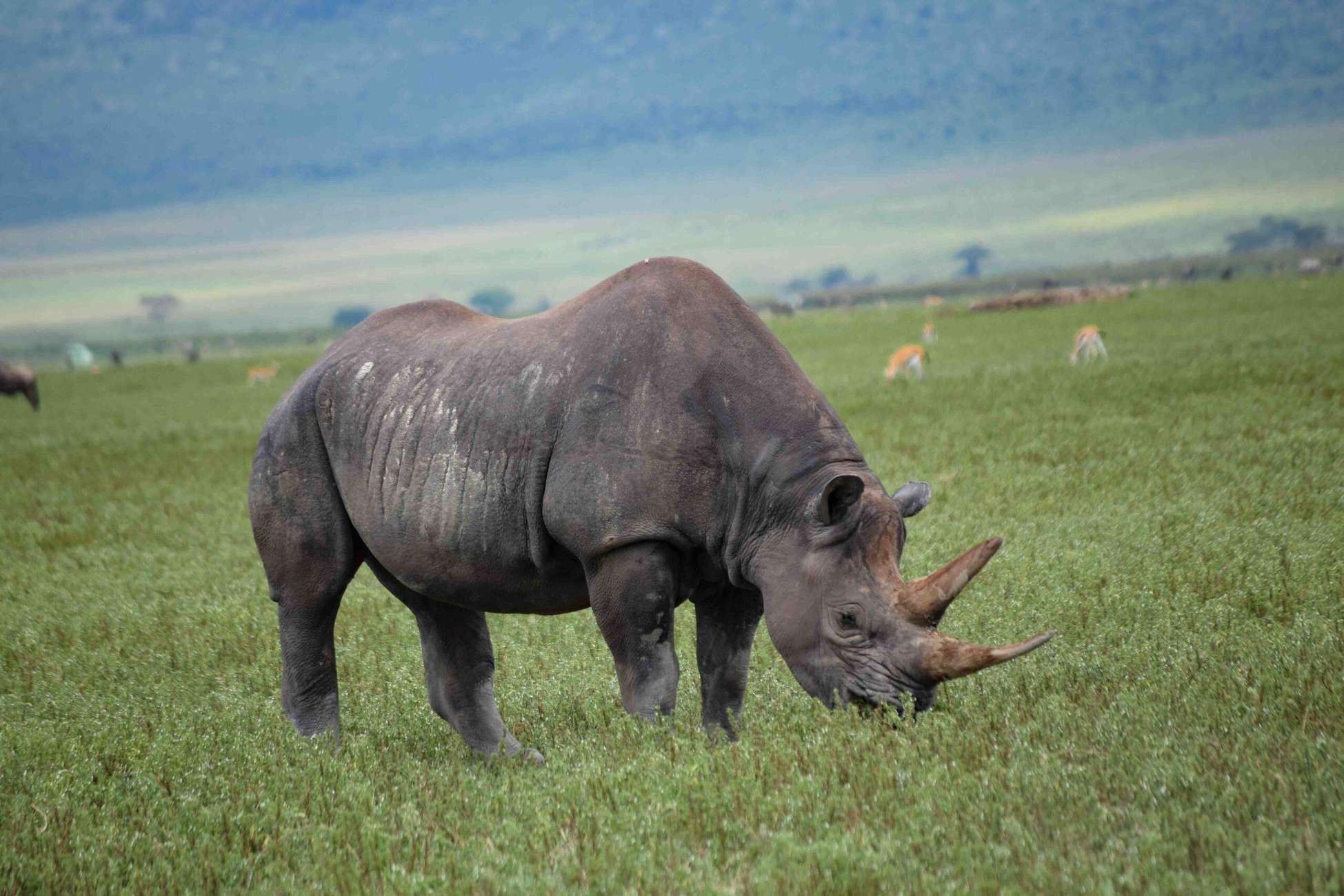
The crater formed approximately 2.5 million years ago when a massive volcano (estimated to have been as tall as Kilimanjaro) collapsed in on itself. The resulting caldera has walls 400-600 meters high surrounding a flat floor of grassland, forest patches, swamps, and a shallow soda lake (Lake Magadi) that attracts flamingos.
The enclosed nature of the crater means the animal population is largely resident — they don't migrate in and out like Serengeti wildlife. This creates predictable, reliable game viewing. You will see animals. The density virtually guarantees it.
Black Rhino
Ngorongoro is one of the best places in East Africa to see the critically endangered black rhino. The crater's enclosed environment and anti-poaching patrols protect a small but stable population (estimated 20-30 individuals). Sightings aren't guaranteed, but your guide will know the most likely areas to look — rhinos tend to favor specific zones of the crater floor.
The Lion Prides
The crater supports several large lion prides, and the flat terrain means sightings are often prolonged and close. Lions in the crater are frequently seen resting near roads, hunting on the open grassland, and — if you're lucky — taking down wildebeest or zebra in full view.
How a Crater Visit Works
The Standard Format
Almost all crater visits follow the same structure:
Early morning: Depart your lodge on the crater rim (or nearby) at first light (around 6:00-6:30 AM). Drive to one of the descent roads (Seneto or Lemala) and descend to the crater floor. The descent takes 20-30 minutes on a steep, winding gravel road.
On the crater floor: Spend 4-6 hours game driving. Your guide navigates between waterholes, grassland areas, the Lerai Forest (good for elephants and leopard), and Lake Magadi (flamingos). A picnic lunch is usually eaten at one of the designated picnic sites — hippo pools or Ngoitokitok Springs are popular.
Afternoon: Ascend via a different road (the ascent roads are one-way) and return to your lodge by mid-afternoon.
Vehicle time on the crater floor: Maximum 6 hours per entry (park regulation to limit vehicle congestion).
What You Can't Do
Walk on the crater floor. Unlike some parks, there are no walking safaris inside the crater. All game viewing is from the vehicle.
Stay overnight on the crater floor. There are no camps or lodges inside the crater. Accommodation is on the rim or in the surrounding conservation area.
Drive yourself. Self-drive is technically allowed with a 4x4 but virtually all visitors use tour operators with professional driver-guides. The descent road is steep and requires experience.
The Costs (The Uncomfortable Part)
Ngorongoro is expensive. The fee structure is the most complex and costly of any African park.
| Fee | Cost (2026) | Notes |
|---|---|---|
| Conservation area entry | $82/person/day | Foreign adult rate |
| Crater service fee (vehicle entry) | $295/vehicle | Per descent, regardless of time on floor |
| Concession fee | $60/person | If staying at a lodge within the NCA |
| Total per person (day visit, 2 people sharing vehicle) | ~$230/person | Entry + half the vehicle fee |
| Total per person (day visit, 6 people sharing vehicle) | ~$130/person | Entry + one-sixth the vehicle fee |
The vehicle fee is per descent, not per day. Whether you spend 2 hours or 6 hours on the crater floor, the $295 vehicle fee is the same. This means maximizing your time on the floor (staying for the full 6 hours allowed) gives you the best value per hour.
Group size matters hugely. The $295 vehicle fee split between 2 people costs $147.50 each. Split between 6 people, it costs $49 each. If you're traveling as a couple, ask your operator about joining a small group vehicle for the crater descent.
These fees are typically included in your safari package price — but understanding them helps you evaluate whether a package is fairly priced.
Where to Stay
On the Crater Rim (Best)
Lodges perched on the crater rim offer extraordinary views directly into the caldera. Watching sunrise over the crater from your lodge veranda — with wildlife visible as dots on the floor below — is a defining Tanzania moment.
Ngorongoro Serena Safari Lodge — mid-range, excellent views, built into the rim. From approximately $300/night double.
Ngorongoro Crater Lodge (andBeyond) — ultra-luxury, baroque-meets-bush design, extraordinary service. From approximately $1,500/night double. One of Africa's most iconic lodges.
Simba Campsite — budget option on the crater rim. Basic camping with shared facilities. $60/person/night (including conservation area fees). Cold at night (the rim is at approximately 2,300 meters — bring warm layers).
In the Ngorongoro Conservation Area
The broader Ngorongoro Conservation Area (NCA) extends well beyond the crater itself. Lodges and camps in the NCA are often more affordable than rim properties and still offer convenient access to the crater.
Best Time to Visit
Year-round destination. The crater's enclosed ecosystem means wildlife is present in every month. Unlike the Serengeti (where migration timing matters), Ngorongoro delivers consistent game viewing regardless of season.
Best months: June-October (dry season). Less vegetation means easier wildlife spotting. Clear skies produce the best crater-rim views. Coincides with peak safari season.
Green season (November-May): Lush landscapes, calving season for some species, and flamingos are most numerous on Lake Magadi. Fewer vehicles on the crater floor. Lower lodge prices. Morning mist can reduce rim-to-floor visibility, but conditions on the floor are still excellent.
Coldest months: June-August. The crater rim is at 2,300+ meters — temperatures drop to near freezing before dawn. Warm layers are essential for the early-morning descent.
How Ngorongoro Fits into a Tanzania Safari
Ngorongoro is almost always combined with the Serengeti. The standard routing:
Arusha → Lake Manyara or Tarangire (Day 1) → Ngorongoro Crater (Day 2) → Serengeti (Days 3-5) → return
or
Arusha → Serengeti (Days 1-3) → Ngorongoro (Day 4) → Arusha/fly to Zanzibar (Day 5)
The crater is typically a one-day experience within a longer safari. Most travelers descend once and move on — the 6-hour time limit and high per-descent vehicle fee discourage multiple visits.
See our Tanzania Safari + Zanzibar combo guide for full itinerary options and the Great Migration guide for timing your Serengeti portion.
Maasai Presence
The Ngorongoro Conservation Area is unique in Africa — it's a multi-use area where Maasai pastoralists live alongside wildlife. You'll see Maasai herding cattle on the crater rim and throughout the surrounding highlands. This coexistence of traditional herding and wildlife conservation is central to Ngorongoro's identity and management.
Maasai villages near the crater rim welcome visitors (typically $20-$30 per visit). The quality of these cultural visits varies — some are genuine exchanges, others feel transactional. Ask your guide to recommend one they trust.
Frequently Asked Questions
Is one day enough for the crater?
For most travelers, yes. A single 5-6 hour game drive covers the crater floor thoroughly. The floor is compact enough that you'll pass through all major habitats and see a wide range of species. Some travelers visit twice (ascending to the rim for lunch, then descending again the next morning), but the second descent incurs another $295 vehicle fee.
How does Ngorongoro compare to the Serengeti?
Complementary, not competing. Ngorongoro is compact, dense, and virtually guarantees Big Five sightings in a single morning. The Serengeti is vast, varied, and offers the scale and migration spectacle that the crater can't match. A Tanzania safari benefits enormously from including both.
Will I see the Big Five?
Elephant, buffalo, and lion are near-guaranteed. Black rhino sightings depend on luck and guide skill (70-80% chance on a good day). Leopard is the hardest — they inhabit the Lerai Forest and are elusive. Four out of five is a realistic expectation for a single visit.
Is the crater crowded?
At peak times (July-September, 9:00-11:00 AM), the crater floor can feel busy — 50+ vehicles on the floor simultaneously. Early morning entry (be at the gate when it opens) avoids the worst congestion. Rim lodges have the advantage of shorter transfer times, getting you on the floor first.
Can I visit without a safari package?
Technically possible with your own 4x4 and pre-purchased permits, but logistically challenging and not cheaper once you factor in vehicle rental, fuel, permits, and meals. A day trip from Arusha or Karatu with an operator is more practical and often costs $200-$350/person all-inclusive.