A Kenya safari is one of the most rewarding travel experiences in the world — but it's not cheap, and pricing can be confusing. Safari operators quote wildly different numbers, and it's hard to know what you're actually getting for your money.!
This guide breaks down real 2026 pricing across budget, mid-range, and luxury tiers, explains what drives the cost, and helps you find the best value for your safari budget.
The Short Answer
For a well-planned Kenya safari in 2026, expect to pay:
| Tier | Cost Per Person Per Day | Typical 7-Day Total | What You Get |
|---|---|---|---|
| Budget | $150–$250/day | $1,100–$1,800 | Shared vehicle, basic tented camps or lodges, set itinerary |
| Mid-range | $300–$500/day | $2,100–$3,500 | Private vehicle and guide, comfortable lodges, flexible schedule |
| Luxury | $600–$1,500+/day | $4,200–$10,000+ | Premium tented camps, private conservancies, fly-in transfers |
These prices typically include accommodation, meals, park fees, game drives, and ground transport during the safari. They do not include international flights, travel insurance, or tips.
What's Included in a Safari Package Price
Most Kenya safari packages are quoted as all-inclusive per-person-per-day rates. Here's what that typically covers:
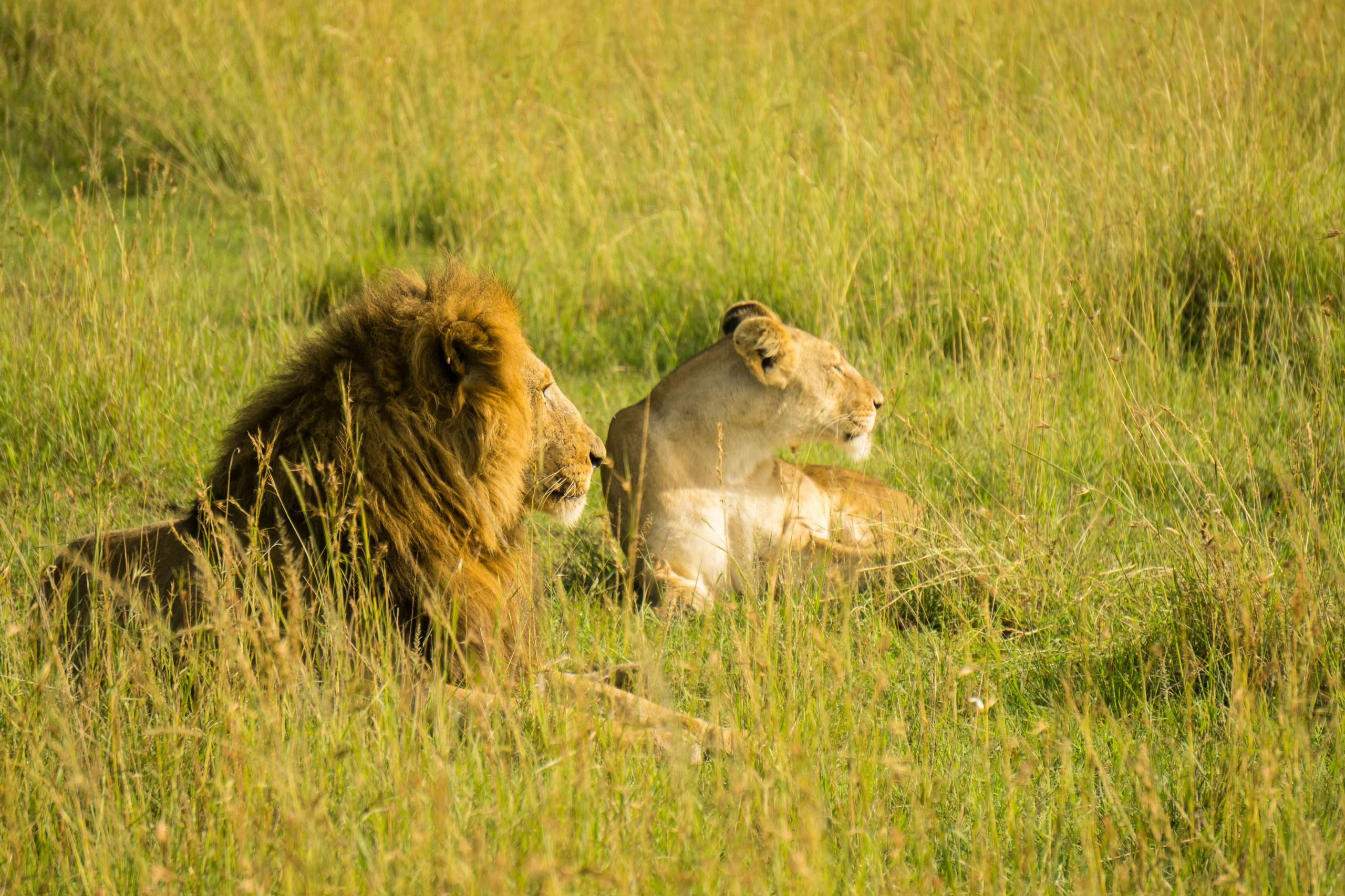
Included: Accommodation (lodge or tented camp), all meals during the safari, a professional driver-guide, a dedicated safari vehicle (private or shared), game drives (usually two per day — morning and afternoon), park and conservancy fees, airport/hotel pickups.
Not included: International flights to Kenya, domestic flights within Kenya (if applicable), travel insurance, visa fees ($50 for most nationalities via eTA), tips for guides and camp staff, alcoholic beverages, optional activities like hot air balloon rides ($450-$500) or Maasai village visits ($20-$30).
What Drives the Price: The Main Cost Factors
Park and Conservancy Fees
This is often the biggest surprise for first-time visitors. Kenya's most popular parks charge substantial daily fees:
Masai Mara National Reserve: $200 per adult per 24 hours (as of 2026). This is per night, meaning a 3-night stay at the Mara costs $600 in park fees alone.
Amboseli National Park: $60 per adult per day.
Lake Nakuru National Park: $60 per adult per day.
Private conservancies (like Ol Pejeta, Lewa, Mara North): Fees are typically bundled into accommodation rates, ranging from $80-$150 per person per day.
These fees go directly to wildlife conservation and community development. They are non-negotiable and apply to every visitor regardless of safari tier.
Accommodation Tier
Accommodation is the single biggest variable in your total safari cost.
Budget camps and lodges ($50-$100/night): Basic tented camps, often located just outside park boundaries to avoid park camping fees. Shared facilities, simple meals, functional but not luxurious.
Mid-range lodges ($150-$350/night): Comfortable rooms or permanent tented camps with private bathrooms, good food, and often excellent wildlife locations. This is where most travelers find the best value.
Luxury camps ($500-$2,000+/night): Private verandas, gourmet dining, plunge pools, and often located in private conservancies where vehicle numbers are strictly limited. This tier includes iconic properties that feature in travel magazines.
Vehicle and Guide
Shared safaris use a minivan or Land Cruiser with 6-8 other travelers. Cost savings are significant (20-35%), but you have no control over pace, stops, or schedule.
Private safaris give you your own vehicle and guide. You decide when to stop, how long to watch a lion pride, and when to break for lunch. For couples and families, the per-person cost difference between shared and private shrinks as group size increases.
The guide is arguably the most important factor in your safari experience. A great guide transforms wildlife viewing from "there's a lion" to understanding animal behavior, tracking skills, and ecological relationships. Mid-range and luxury operators invest heavily in guide quality.
Transport Between Parks
Kenya's parks are spread across the country, and getting between them takes time and money.
Road transfers: A full day's drive between parks (e.g., Masai Mara to Amboseli) costs nothing extra in most packages but consumes a full safari day.
Domestic flights: Bush flights between parks ($150-$300 one-way) save time dramatically. For example, flying Nairobi to the Masai Mara takes 45 minutes versus 5-6 hours by road. Longer itineraries (7+ days) almost always benefit from at least one internal flight.
Sample Safari Itineraries with Real Costs
Budget: 3-Day Masai Mara Safari ($400-$600 per person)
A 3-day, 2-night Masai Mara safari from Nairobi is the most affordable way to experience Kenya's premier wildlife destination. You'll get two full game drives and a solid chance at Big Five sightings.
The 3 Days Masai Mara Explorer Safari starts from $1,310 per person as a private experience with a dedicated guide, all meals, and accommodation. This sits at the quality end of budget/entry mid-range — well above the $400 shared-van options but with vastly better service.
Mid-Range: 7-Day Kenya Classic ($2,500-$4,500 per person)
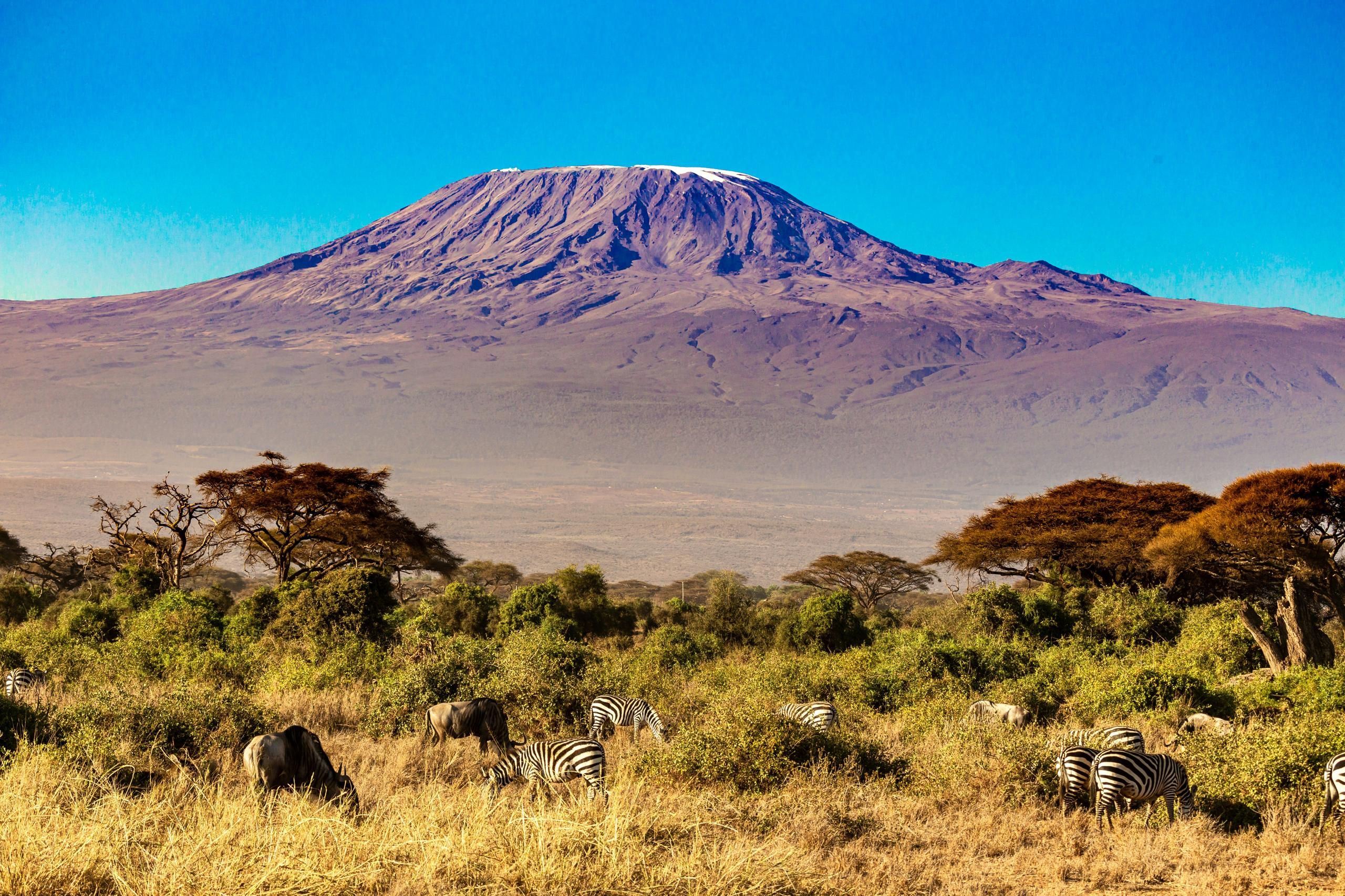
The most popular itinerary: Masai Mara (3 nights) + Lake Nakuru or Lake Naivasha (1-2 nights) + Amboseli (2 nights). This gives you the Big Five, flamingos, the Great Rift Valley, and Mount Kilimanjaro views.
The 7 Days Masai Mara–Lake Nakuru–Lake Naivasha–Amboseli Safari is priced from $1,565 per person with comfortable lodges, all meals, and a professional guide — representing strong value at the lower end of mid-range.
Luxury: 10-Day Fly-In Safari ($8,000-$15,000+ per person)
Fly between exclusive private conservancies, stay in tented camps where elephants walk past your veranda, enjoy night drives (not allowed in national reserves), and have a private guide who knows every animal by name. This tier includes properties in Laikipia, Lewa, the Mara conservancies, and Samburu.
How to Get the Best Value
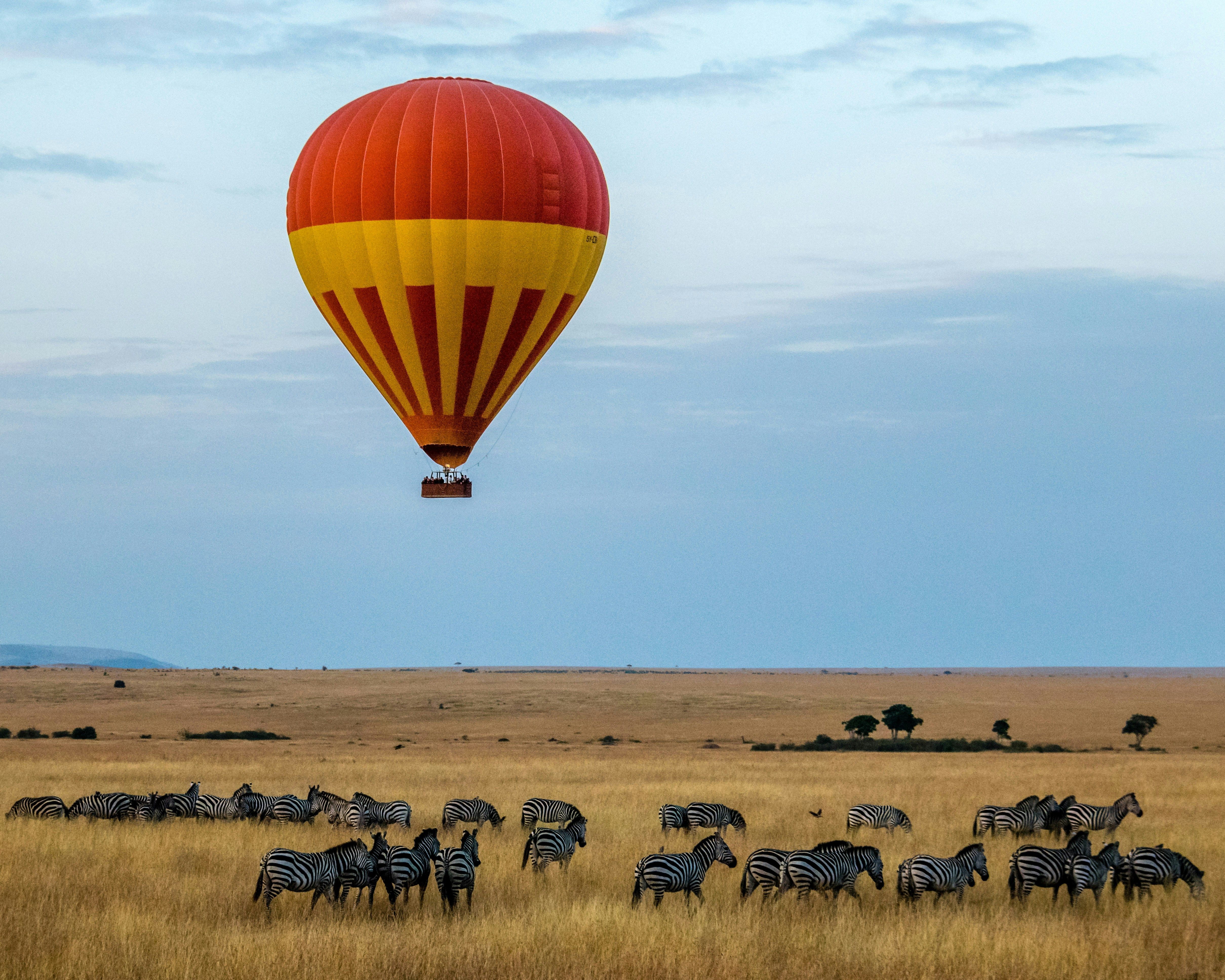
Travel in Shoulder Season
Peak season (July-October, during the Great Migration) and dry season (January-February) command the highest prices. Shoulder months — June and November — offer nearly identical wildlife viewing at 20-30% lower accommodation rates. April-May (long rains) is the cheapest, but some camps close and dirt roads can become challenging.
Book Longer Itineraries
Per-day costs drop significantly with longer safaris because fixed costs (vehicle, guide, transfers) are spread across more days. A 3-day safari typically costs $400-600 per day; a 7-day safari averages $300-450 per day at the same quality level.
Travel in a Group
Two people in a private vehicle pay roughly $350/person/day. Four people in the same vehicle might pay $250/person/day — same guide, same experience, lower per-person cost. If you're traveling solo, ask operators about joining a small group departure.
Use a Local Operator
International travel agencies add their own margin (often 20-40%) on top of the local operator's price. Booking directly with a Kenya-based operator, or through TripZapp which connects you directly with local hosts, typically offers better value.
Beyond the Masai Mara: Other Parks Worth Considering
The Masai Mara gets 80% of the attention, but Kenya has other outstanding parks that are often cheaper and less crowded:
Amboseli National Park
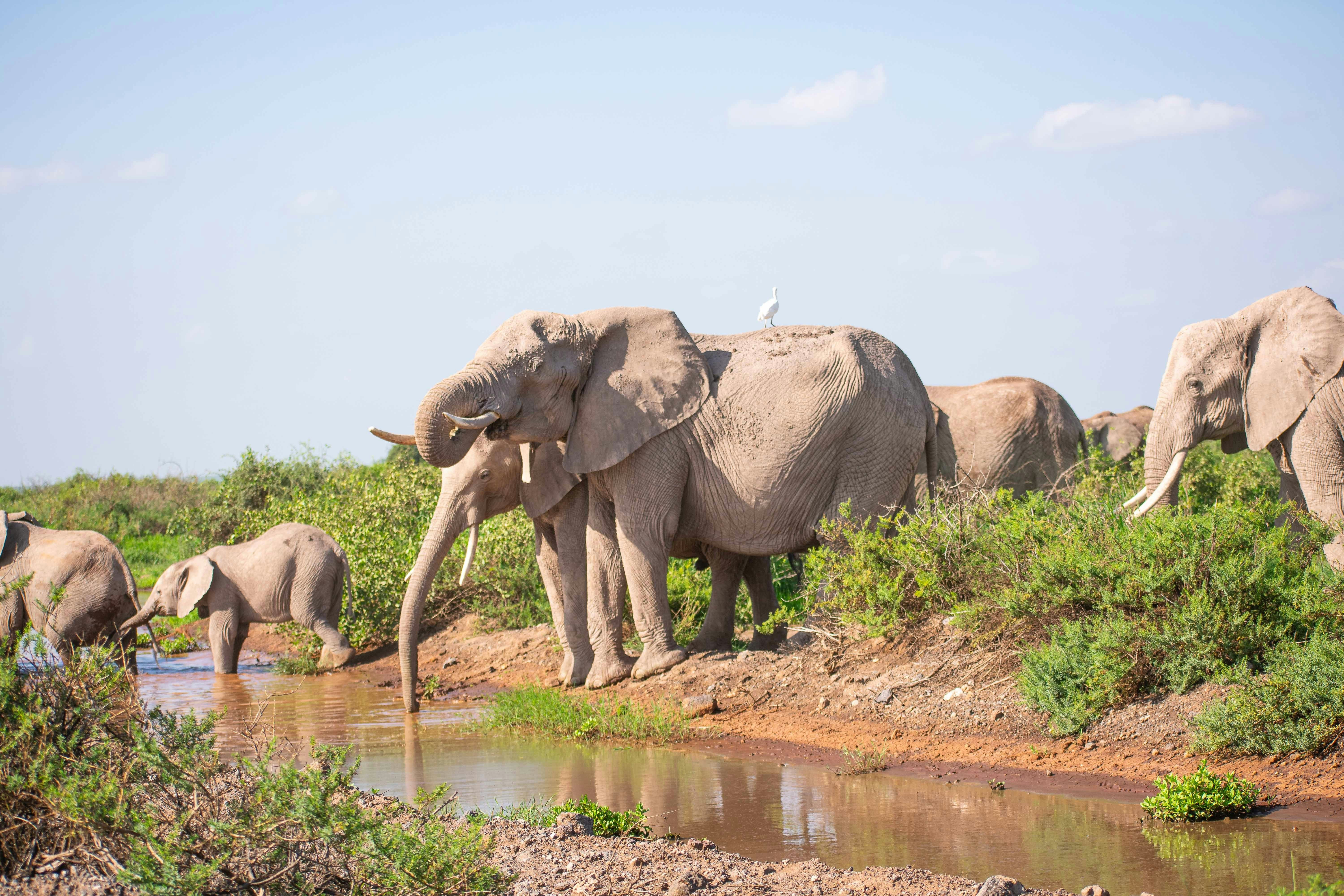
The classic Kilimanjaro backdrop with some of Africa's largest elephant herds. Lower park fees ($60/day) and generally less expensive lodges than the Mara.
Samburu National Reserve
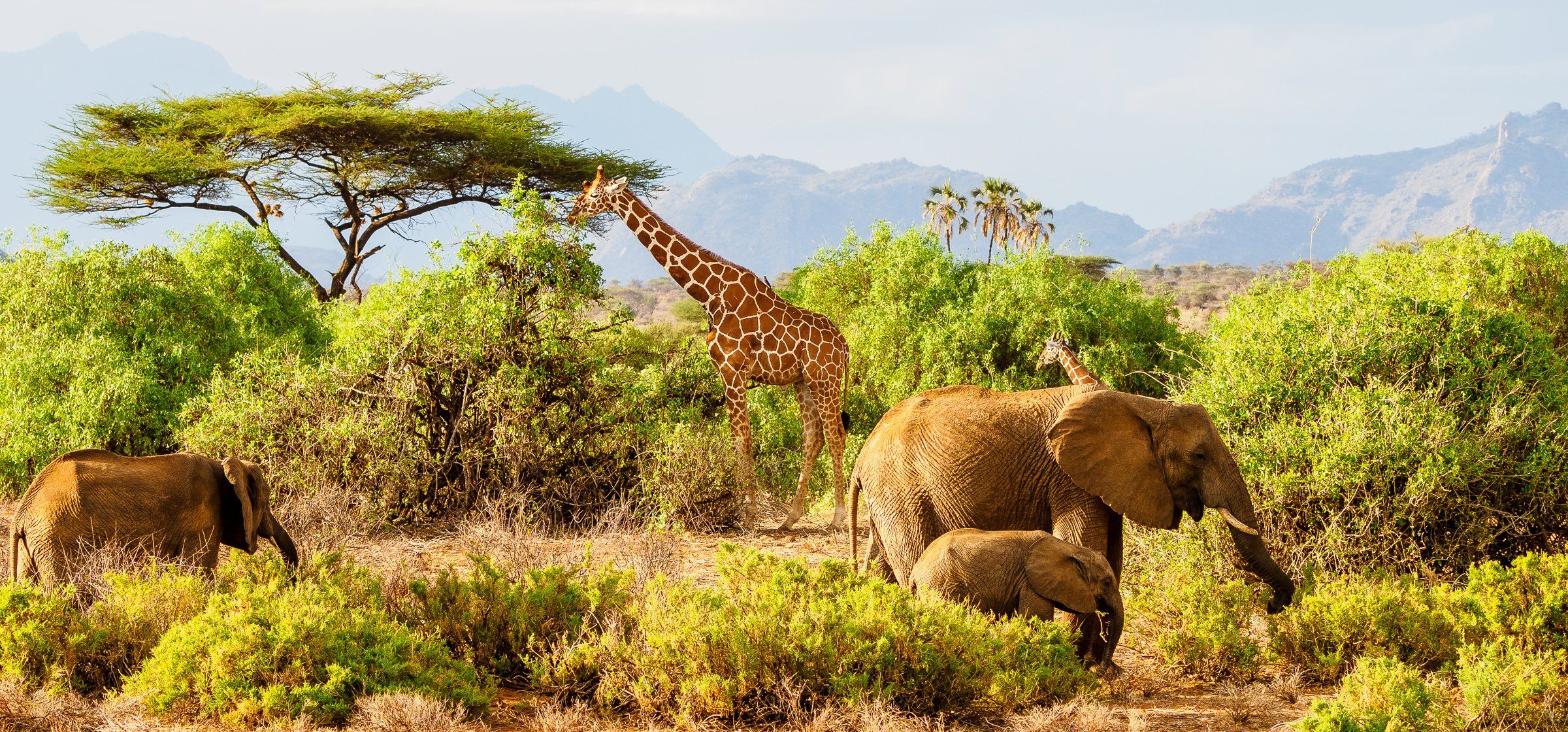
Home to the "Samburu Special Five" (Grevy's zebra, reticulated giraffe, Somali ostrich, gerenuk, beisa oryx) found nowhere else in Kenya. A genuine off-the-beaten-path experience.
Tsavo East and West
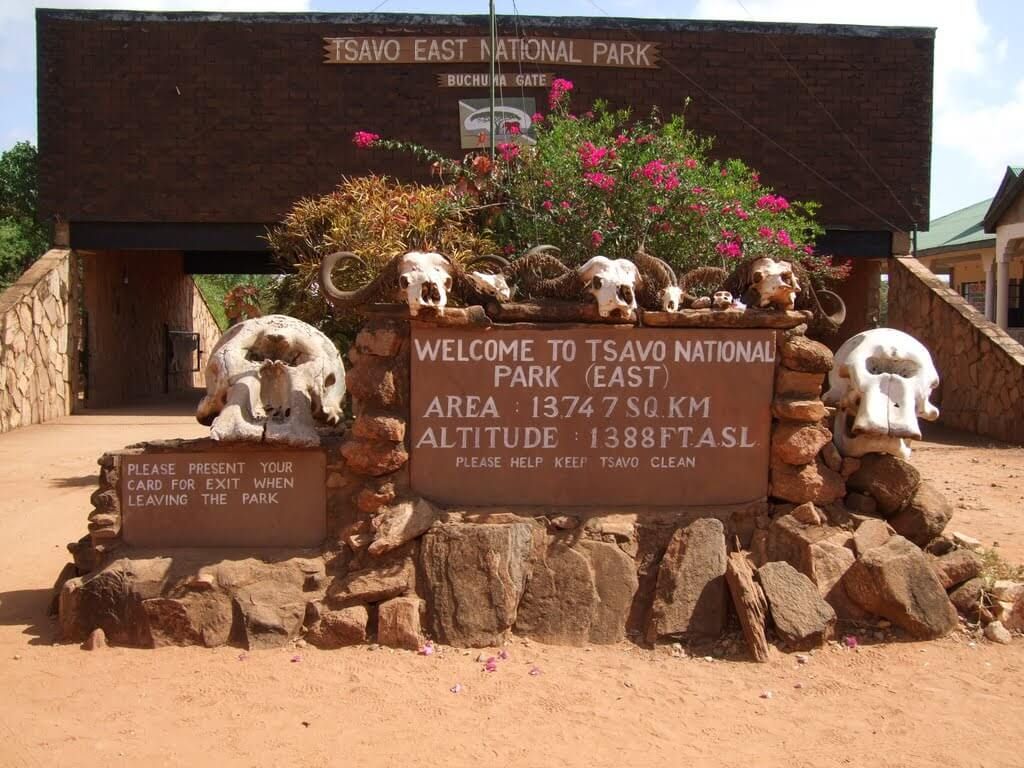
Kenya's largest parks, with red-dusted elephants, volcanic landscapes, and excellent value. Less visited than the Mara, which means more exclusive wildlife encounters.
Laikipia Plateau
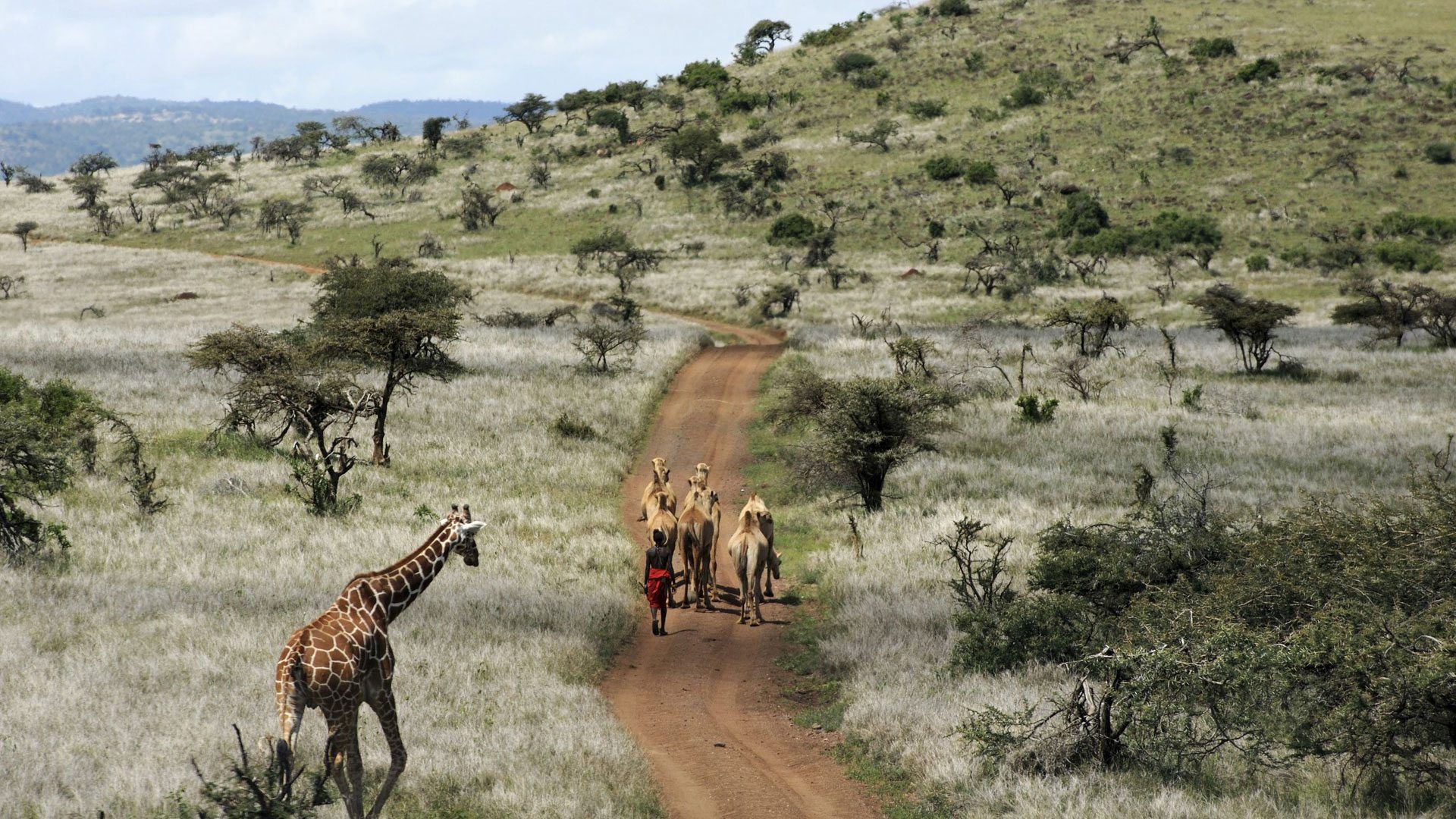
Private conservancies with outstanding conservation stories, walking safaris, and night drives. Higher-end pricing but extraordinary experiences.
Browse all Kenya experiences to compare packages, prices, and reviews from real travelers.
Frequently Asked Questions
Is a Kenya safari worth the money?
The honest answer: yes, if you choose the right safari for your budget. Even budget-level safaris in Kenya deliver incredible wildlife encounters because the animal density — particularly in the Masai Mara — is extraordinary. You don't need a luxury camp to see a lion pride, a cheetah hunt, or a herd of elephants crossing the savannah.
Can I do a Kenya safari for under $1,000?
Yes, but with trade-offs. Budget 3-day shared safaris visiting the Masai Mara can run $400-$700 per person. You'll share a vehicle with strangers, stay in basic accommodation outside the park, and have a fixed itinerary. The wildlife viewing is still excellent — the animals don't know how much you paid.
Should I tip my safari guide?
Yes, tipping is customary and appreciated. A reasonable guideline is $15-$20 per person per day for your guide, and $10-$15 per person per day for camp/lodge staff (typically pooled). Luxury safaris often suggest higher amounts.
Is it cheaper to book a safari in Kenya or Tanzania?
Kenya is generally 15-30% cheaper than Tanzania for equivalent safari quality, primarily because Tanzanian park fees are higher (Serengeti costs $80/day vs. Masai Mara's $200/24 hours, but Tanzania charges per calendar day).
When is the Great Migration in the Masai Mara?
The wildebeest arrive in the Masai Mara typically from July through October, with the famous river crossings most likely between August and September. This is peak season with highest prices. The Mara has exceptional wildlife year-round — you don't need the migration to have an outstanding safari.