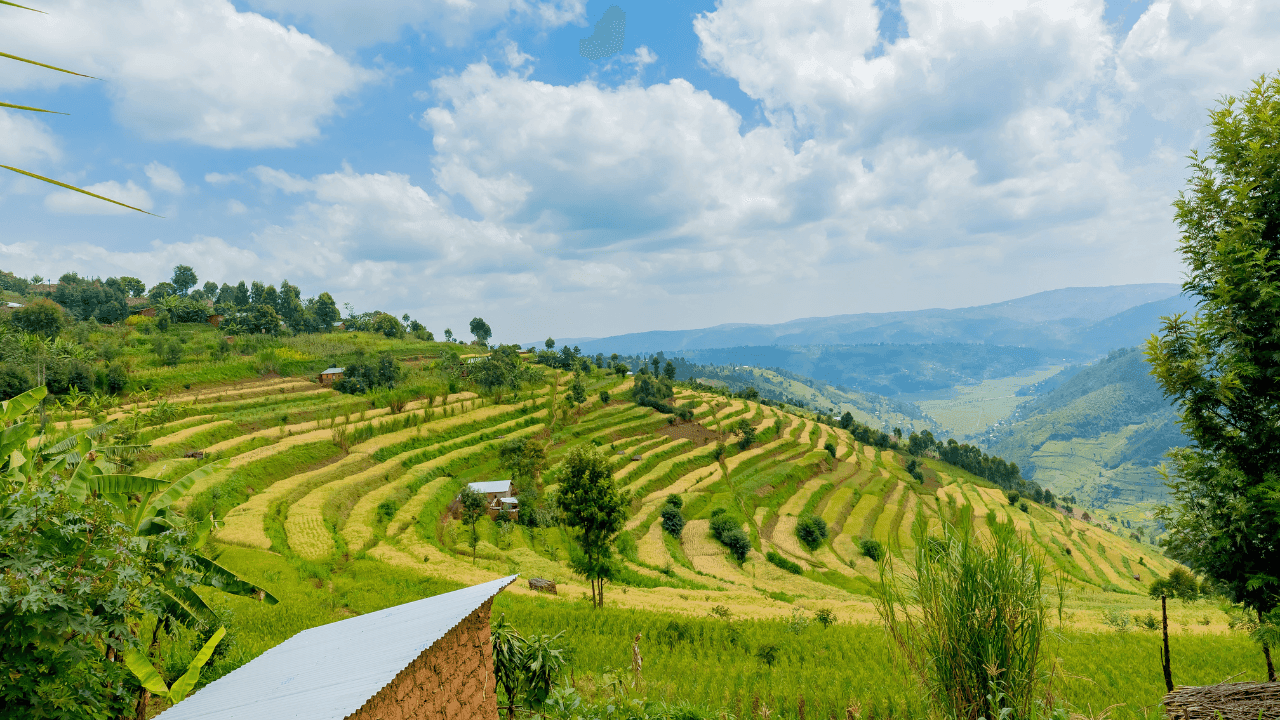
Rwanda's gorilla trekking is world-famous — and at $1,500 per permit, it's a significant investment. But Rwanda offers far more than mountain gorillas. The country has a Big Five national park, one of Africa's most important chimpanzee forests, a stunning Great Rift Valley lake, and a capital city that's among the cleanest and most forward-thinking on the continent.
Whether you're adding experiences around your gorilla trek or visiting Rwanda without one, this guide covers everything beyond Volcanoes National Park.
Akagera National Park: Rwanda's Big Five Safari
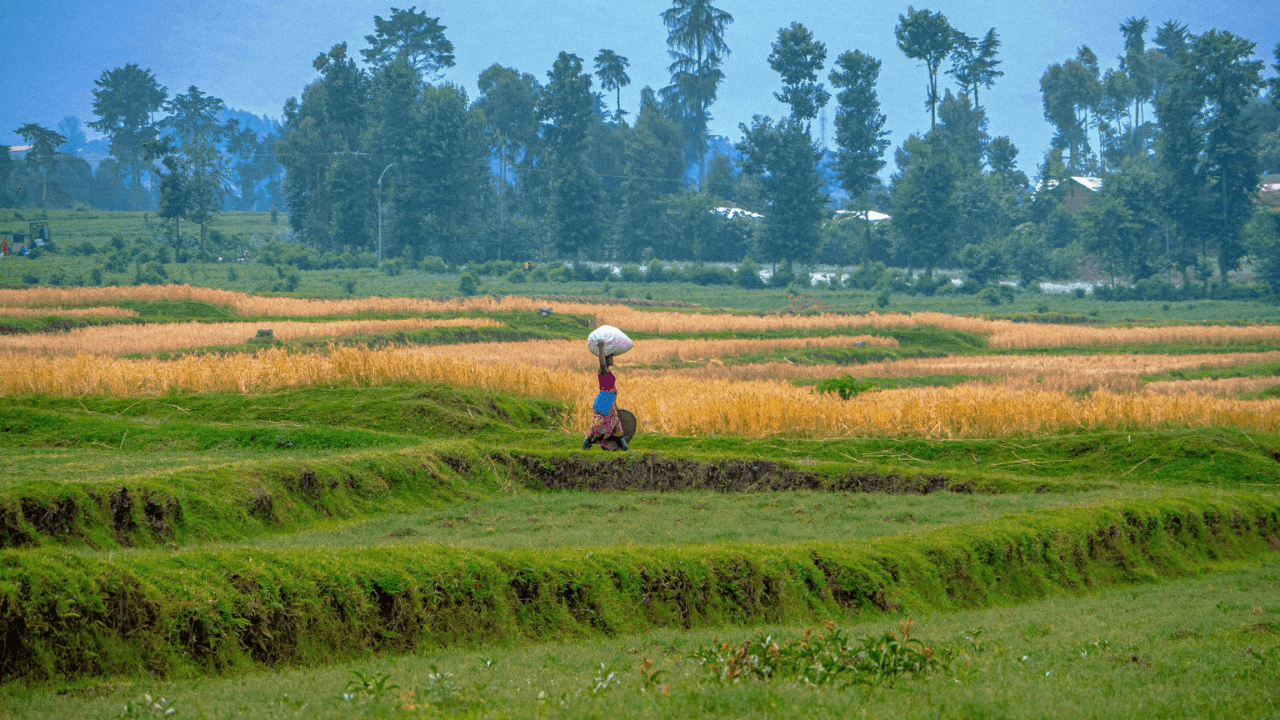
Most people don't associate Rwanda with traditional safari — but Akagera, in the east of the country bordering Tanzania, is a genuine Big Five destination. Lions were reintroduced in 2015, rhinos (both black and white) returned in 2017 and 2019, and the park supports healthy populations of elephants, buffalo, leopard, hippos, crocodiles, giraffes, zebras, and over 500 bird species.
What Makes It Different
Akagera is a mixed landscape of savannah, woodland, swamp, and lakes — one of the most scenically diverse parks in East Africa. The western escarpment overlooks a chain of lakes along the Akagera River, creating a combination of game-drive terrain and waterfront wildlife viewing.
Compared to the Serengeti or Masai Mara, Akagera is smaller (1,122 km²) and less famous, which means fewer vehicles and a more intimate safari experience. Wildlife density is growing each year as conservation efforts succeed — the park's transformation from a degraded landscape to a thriving ecosystem is one of Africa's great conservation success stories, managed jointly by the Rwanda Development Board and African Parks.
Practical Details
Distance from Kigali: 2.5-3 hours by road.Safari options: Self-drive is possible (one of the few parks in Rwanda where this works), or book guided game drives through the park or a tour operator.Duration: 2-3 days recommended. The park has lodges and campsites inside the boundaries.Park fees: $50/person/day for foreign visitors (significantly less than Volcanoes NP's $75/person).Best time: June-September (dry season, best wildlife concentration).
Strategic value: Akagera is one of Africa's most underrated safari parks. If you're visiting Rwanda and don't want to (or can't) spend $1,500 on a gorilla permit, a 2-3 day Akagera safari delivers a rewarding Big Five experience at a fraction of the cost.
Nyungwe Forest National Park: Chimpanzees & Canopy Walk
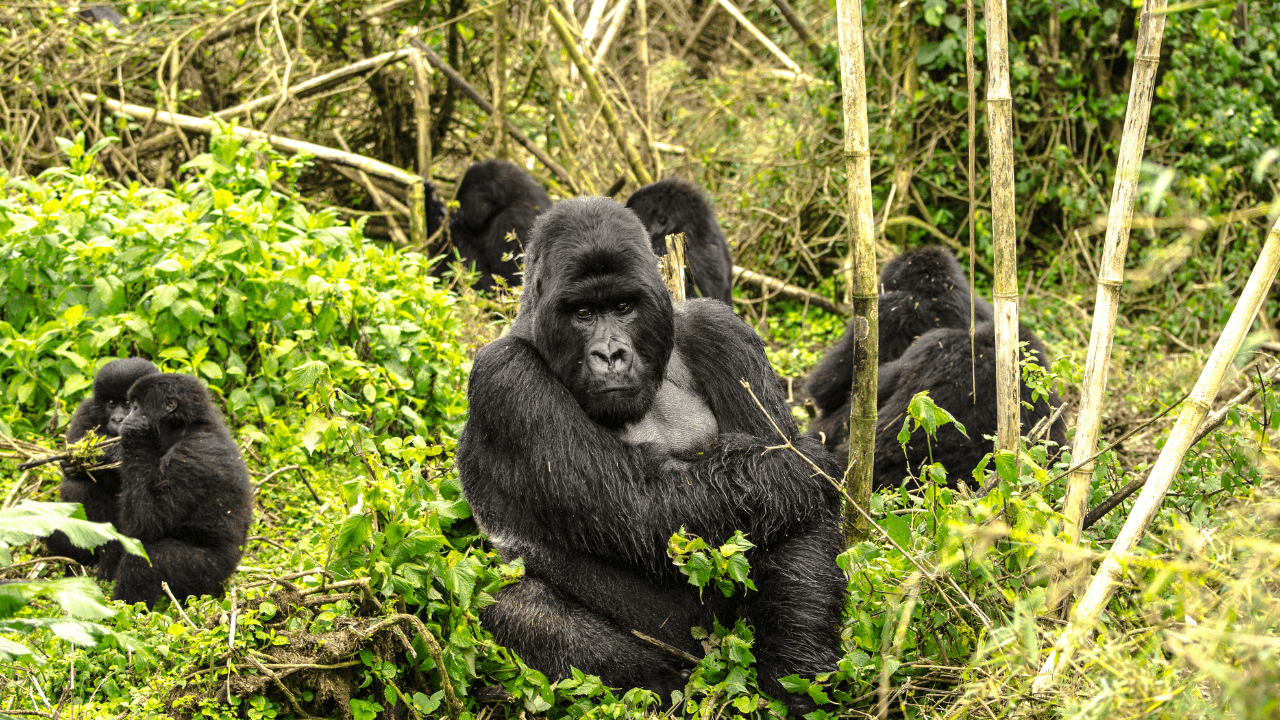
Nyungwe is one of the largest montane rainforests in Africa — a dense, ancient forest in southwestern Rwanda that's home to 13 primate species, including chimpanzees, L'Hoest's monkeys, and colobus monkeys. It's the premier chimpanzee tracking destination in Rwanda and one of the best in East Africa.
Chimpanzee Tracking
Guided treks into the forest follow habituated chimpanzee communities. The experience is similar in structure to gorilla trekking — you walk through dense forest with a guide and trackers until you find the chimps, then spend an hour observing them. The terrain is steep and muddy (Nyungwe is a rainforest — expect rain), but the encounters are extraordinary.
Permit cost: $90/person for foreign visitors — a fraction of the gorilla permit.Success rate: Generally high but not guaranteed. Chimps are more mobile than gorillas, so treks can be longer and more physically demanding.Duration: The tracking trek typically takes 2-5 hours depending on chimp location.
Canopy Walkway
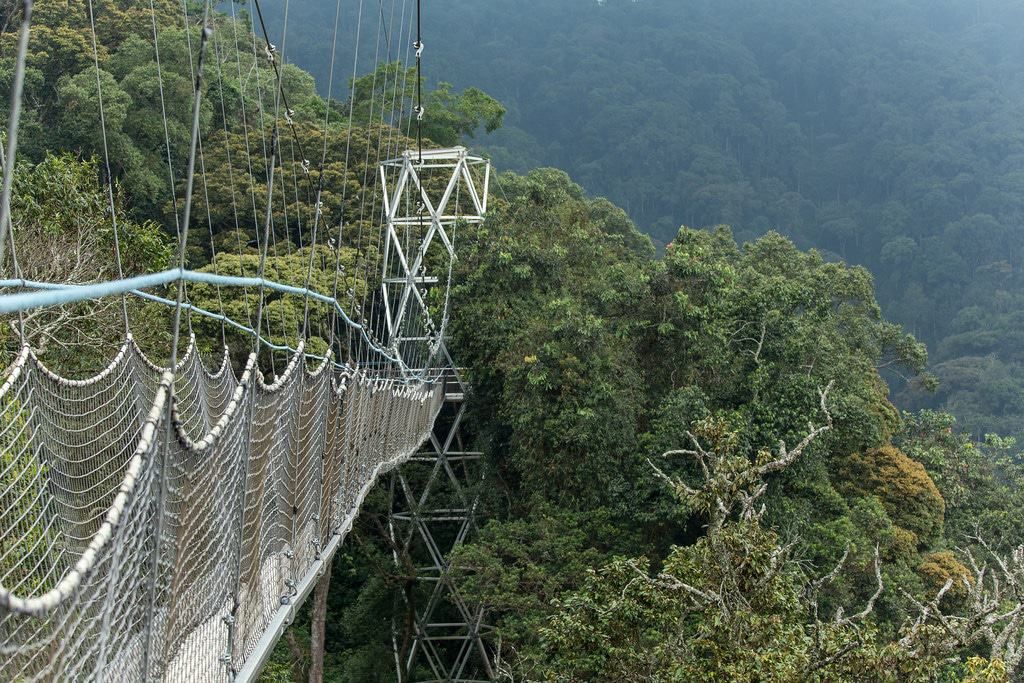
Nyungwe's other highlight: a 200-meter-long suspension bridge hanging 50 meters above the forest floor. The walkway sways gently as you cross, with views over the treetop canopy and the surrounding mountain ridges. It's the only canopy walk in East Africa.
Cost: $60/person (includes park entry and guided walk).Difficulty: Easy — the walkway is well-maintained and accessible to most fitness levels.
Practical Details
Distance from Kigali: 5-6 hours by road (or combine with Lake Kivu to break the journey).Duration: 2-3 days recommended — one for chimps, one for canopy walk and additional forest hikes.Best time: June-September (drier, easier trails). The forest is accessible year-round but the wet season (March-May) makes trails significantly muddier.
Lake Kivu: Africa's Hidden Great Lake
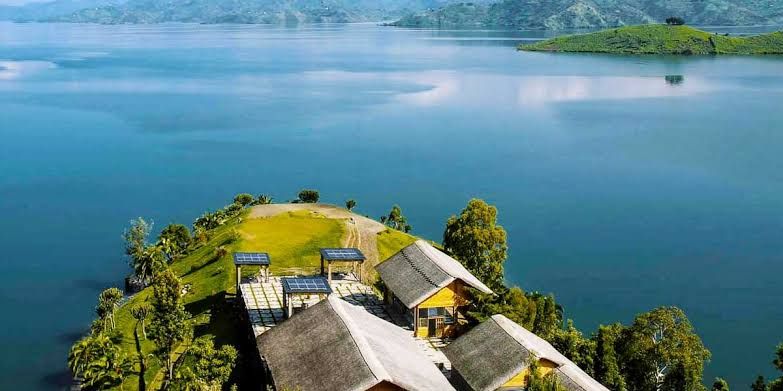
Lake Kivu sits in the Great Rift Valley, bordering Rwanda and the Democratic Republic of Congo. It's one of Africa's Great Lakes but receives a tiny fraction of the tourism that Lake Malawi or Lake Victoria attract. The lake is surrounded by steep, terraced hillsides, fishing villages, and hot springs — a landscape that's been compared to the Swiss or Italian lake districts.
What to Do
Relax in Gisenyi (Rubavu) — the lake town closest to Volcanoes National Park. Stay at a lakefront hotel, swim in the freshwater lake, and enjoy the relaxed pace after the intensity of gorilla trekking. Gisenyi has a lovely beach atmosphere and is an easy add-on before or after your Volcanoes NP visit.
Kibuye (Karongi) — a quieter town on the central lake shore with boat trips to nearby islands, including Napoleon Island (home to a large colony of fruit bats). The setting is stunning and the tourism infrastructure is modest — this is genuine off-the-beaten-path Rwanda.
Kayaking and boat trips — paddle on the lake or take motorboat trips between lakeside villages. The calm, warm water and mountain scenery make for exceptionally peaceful water experiences.
Congo Nile Trail — a 227-kilometer hiking/biking trail that follows the lake's eastern shore from Rubavu to Rusizi. The full trail takes 5-10 days, but shorter sections can be done in a day or weekend.
Practical Details
Distance from Kigali to Gisenyi: 3 hours by road.Distance from Volcanoes NP to Gisenyi: 1-1.5 hours.Duration: 1-3 days depending on your pace. Even one night on the lake provides a meaningful change of scene.
Kigali: Africa's Cleanest Capital
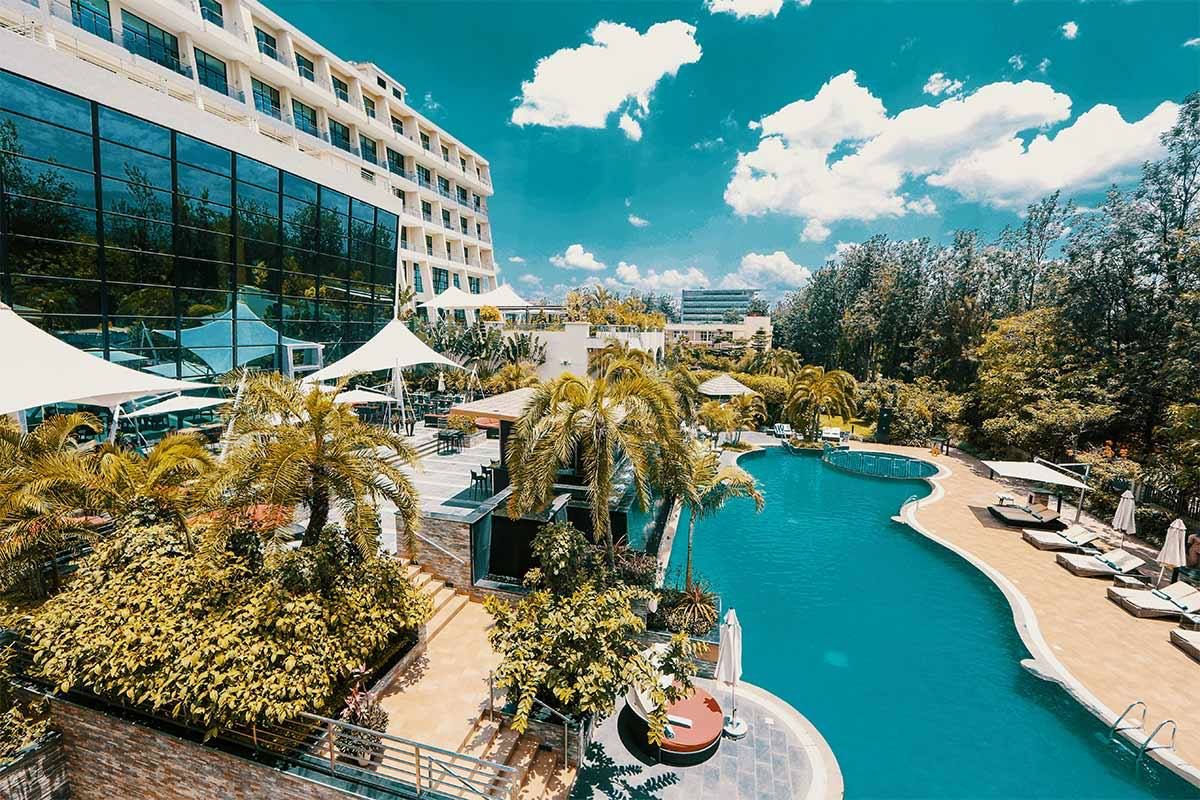
Kigali surprises every first-time visitor. The city is remarkably clean (plastic bags are banned nationwide), well-organized, and increasingly cosmopolitan. It's worth a day or two — not just as a transit point.
Must-Visit
Kigali Genocide Memorial — the most important cultural site in Rwanda. The memorial documents the 1994 genocide against the Tutsi, in which approximately 1 million people were killed in 100 days. The exhibition is profoundly moving and essential for understanding modern Rwanda. Allow 2-3 hours. Entry is free.
Kimironko Market — Kigali's largest market. Less tourist-oriented than markets in Nairobi or Marrakech, it's a genuine local market where you can buy kitenge fabric, baskets (agaseke), spices, and fresh produce. A local guide enhances the experience.
Inema Arts Center — a contemporary art gallery and studio in a garden setting. The center supports Rwandan artists and hosts workshops, exhibitions, and cultural events. A good introduction to Rwanda's growing creative scene.
Question Coffee — a specialty coffee roastery and café (Rwandan coffee is excellent and the country's #1 export). Guided coffee tastings and "bean-to-cup" experiences are available.
Food
Kigali's restaurant scene has exploded in recent years. Repub Lounge for modern African cuisine, Brachetto for Italian (Rwanda has a surprising Italian food scene), and The Hut for traditional Rwandan food including brochettes (grilled meat skewers), isombe (cassava leaves), and ikinyiga (fried bananas).
The Multi-Park Discount
Rwanda's smartest pricing strategy for visitors: if you spend at least two nights across Nyungwe and/or Akagera, you receive a 30% discount on your gorilla trekking permit — bringing it from $1,500 to $1,050. This discount makes combining multiple parks financially strategic, not just experientially rewarding.
Example: 2 nights Akagera (Big Five safari, $50/day park fees) + 2 nights Nyungwe (chimp tracking, $90 permit + $60 canopy walk) + gorilla trek at Volcanoes (discounted to $1,050) = a comprehensive Rwanda wildlife circuit with significant savings on the gorilla permit.
Explore all Rwanda experiences — from gorilla trekking packages to cultural tours and multi-park itineraries.
Frequently Asked Questions
Can I visit Rwanda without gorilla trekking?
Absolutely. Akagera's Big Five safari, Nyungwe's chimpanzee tracking and canopy walk, Lake Kivu's water activities, and Kigali's cultural sites create a compelling 7-10 day itinerary without a gorilla permit. The total cost is dramatically lower than a gorilla-focused trip.
How many days do I need in Rwanda?
Gorilla trek only: 3-4 days (1 night Kigali, 2 nights Musanze, trek day). Full Rwanda circuit: 8-12 days (Kigali + Akagera + Nyungwe + Lake Kivu + Volcanoes). Lake Kivu add-on: 1-2 days.
Is Rwanda expensive?
The gorilla permit ($1,500) makes it feel expensive, but outside of gorilla trekking, Rwanda is moderately priced. Accommodation ranges from $30/night (guesthouses) to $300+/night (lodges). Food is affordable. Internal transport is cheap. Akagera's $50/day park fee is a fraction of Kenyan or Tanzanian equivalents.
Is Rwanda safe?
Rwanda is one of the safest countries in Africa. Kigali has very low crime rates, and the country's overall stability and cleanliness are immediately apparent. It's frequently recommended as one of the best African countries for first-time visitors and solo travelers.
Can I combine Rwanda with Uganda?
Yes — and the East Africa Tourist Visa ($100) covers both countries plus Kenya. A popular combination: gorilla trekking in Uganda's Bwindi ($800 permit) + Kigali cultural stay + Akagera or Nyungwe. This gives you gorillas at the lower Uganda price and Rwanda's other highlights.