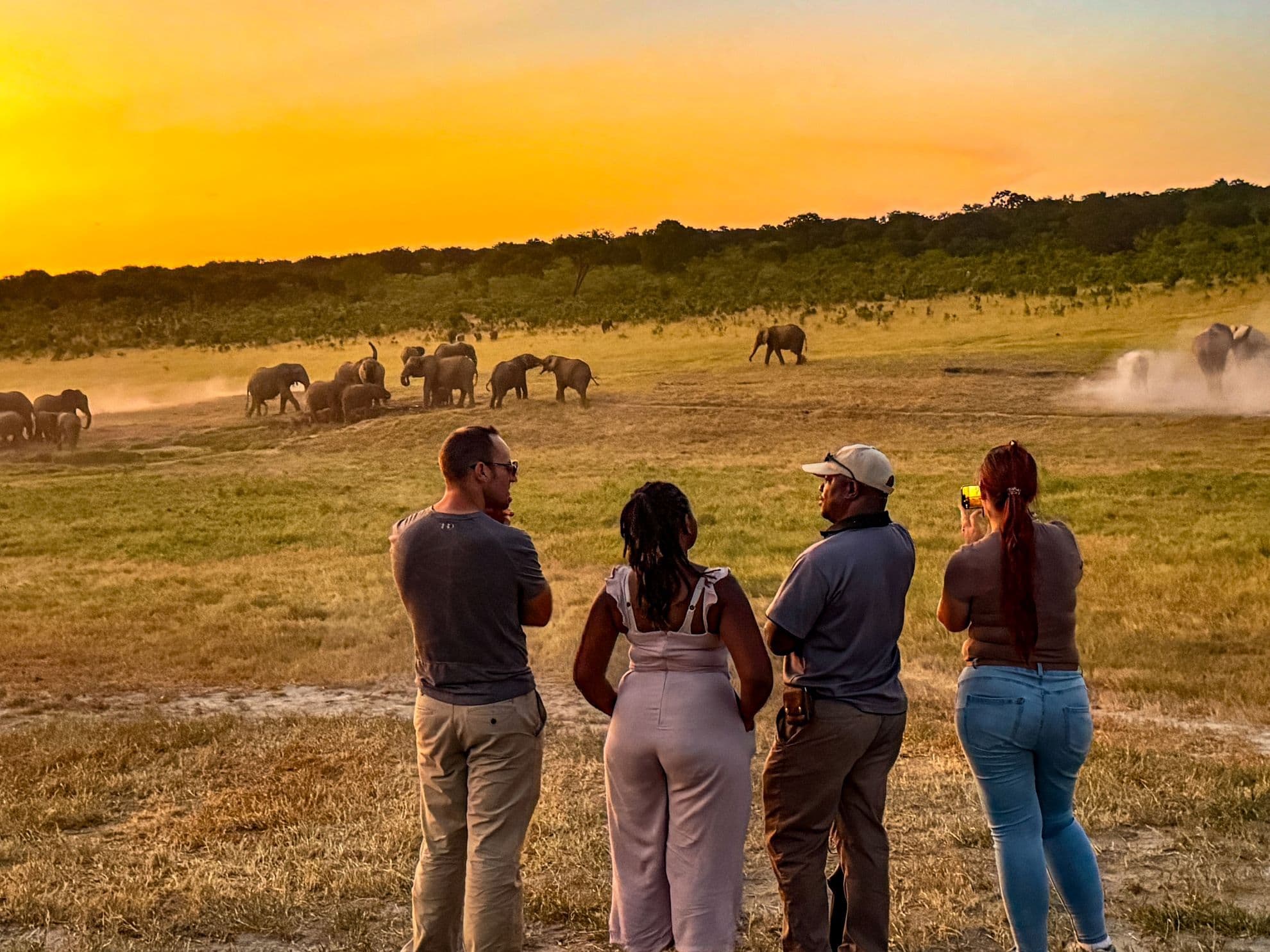
Safari packing generates more anxiety than almost any other travel wardrobe decision. The advice online ranges from "wear only khaki" to "bring your Sunday best for lodge dinners" — and most of it is either overly prescriptive or vaguely unhelpful.
Here's the practical truth: what you wear on safari matters for comfort, wildlife visibility, and protection from sun and insects — but it doesn't need to be complicated or expensive. You don't need to buy an entirely new wardrobe. You need the right layers, the right colors, and sensible footwear.
The Core Rules
Colors: Neutral and Muted
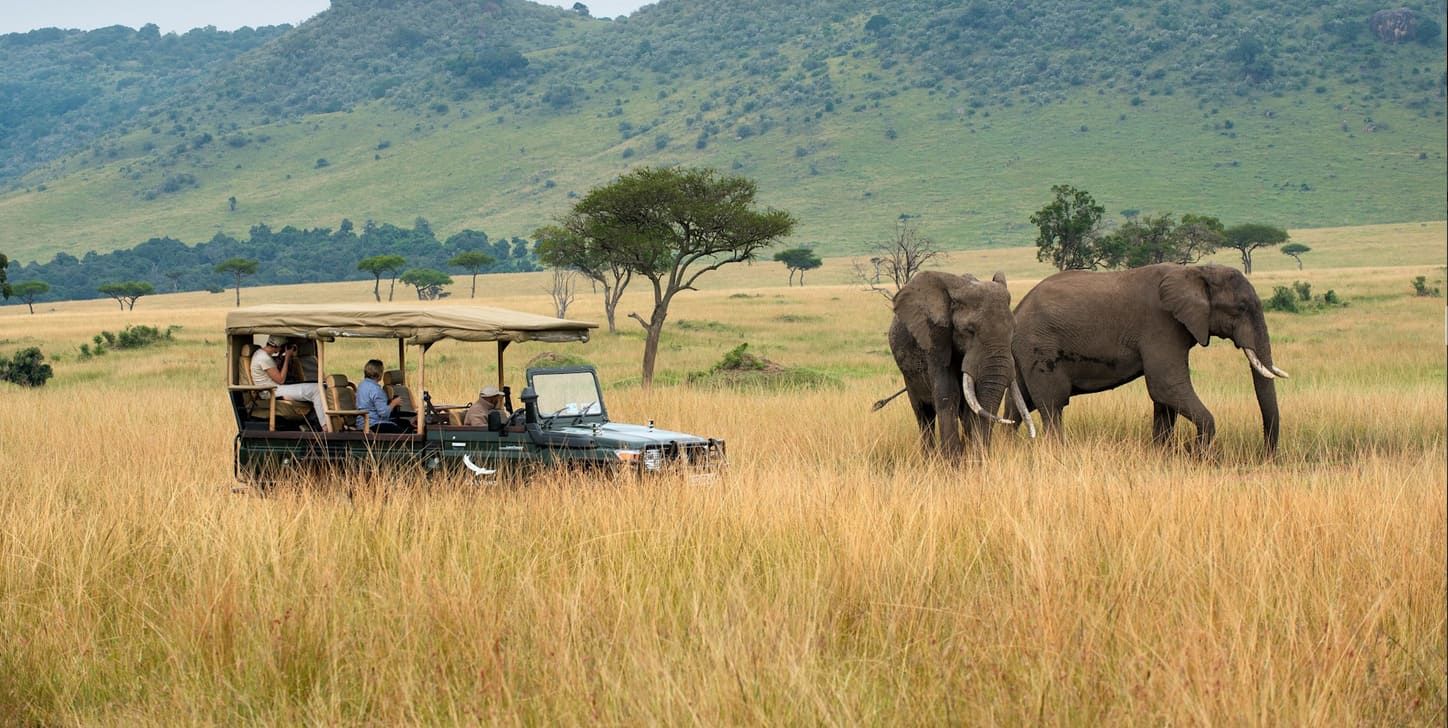
Wear: Olive, khaki, tan, brown, dark green, grey, and muted earth tones. These colors blend with the bush environment and don't startle wildlife. They also hide dust and dirt — you will get dusty.
Avoid: White (gets filthy immediately, reflects sunlight into animals' eyes, and shows every stain). Bright colors (red, yellow, orange, neon) can attract attention from animals and insects. Black (absorbs heat in the sun and attracts tsetse flies in some regions). Blue (also attracts tsetse flies).
The practical reality: Animals in popular safari parks are habituated to vehicles and aren't spooked by clothing colors. The neutral-tone advice is more about your comfort (dust, heat, insects) than about not scaring a lion. But dark blue and black genuinely attract tsetse flies in parts of East and Southern Africa — this is the one color rule worth following strictly.
Layers: The Non-Negotiable Strategy
Safari temperatures swing dramatically within a single day. Pre-dawn game drives (5:30-6:00 AM departure) can be genuinely cold — 5-15°C in dry season across most safari destinations. By midday, temperatures reach 25-35°C. By evening game drive, they drop again.
The layering system:
Base layer: Lightweight, moisture-wicking long-sleeve shirt. Merino wool or synthetic. This handles both the cold morning (when combined with outer layers) and the hot afternoon (on its own, sleeves rolled up).
Mid layer: Fleece jacket or softshell. For the cold morning game drive and evening around the campfire. Remove by mid-morning as temperatures rise.
Outer layer: A lightweight windbreaker or rain shell. For open-vehicle game drives where wind chill is significant, and for unexpected rain. Doesn't need to be heavy — just wind-and-water resistant.
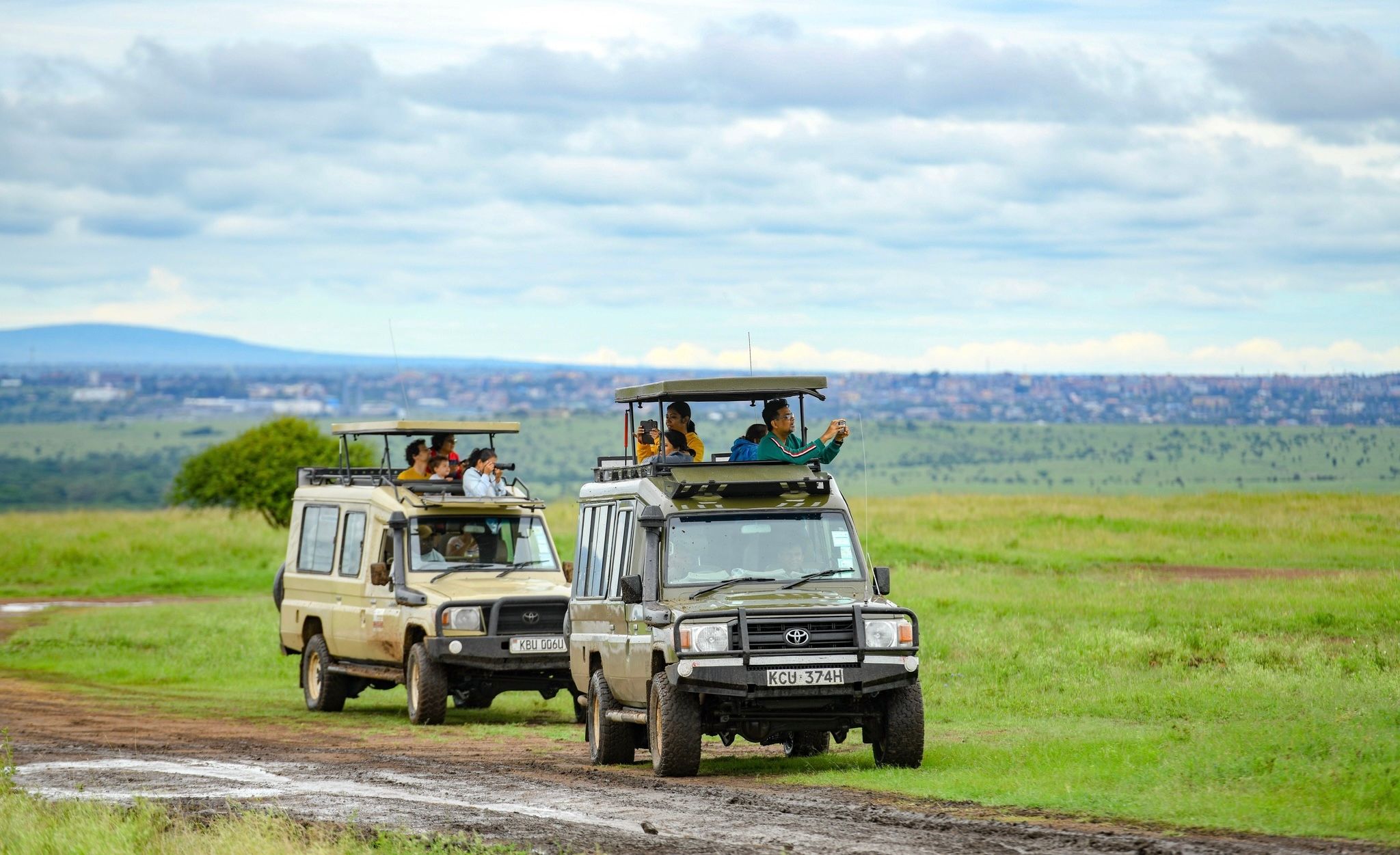
Warm hat and gloves: For the early morning game drive. Sounds excessive until you're sitting in an open Land Cruiser at 6:00 AM in the Masai Mara winter with a 40 km/h wind chill. Your hands and ears get cold first.
Fabrics: Function Over Fashion
Choose: Quick-drying synthetics, merino wool, and cotton-synthetic blends. These handle sweat, dry fast after washing, and don't hold odors.
Avoid: Heavy cotton (absorbs water, dries slowly, gets heavy when sweaty) and linen (wrinkles instantly and provides no insulation when cold).
The safari-specific advantage of synthetics: Most safari lodges and camps offer daily laundry service (often included in the rate). Synthetic fabrics dry in hours, meaning you can pack fewer items and wash more frequently.
The Packing List
Clothing (7-Day Safari)
Tops (3-4):
- 2 long-sleeve shirts (neutral colors, moisture-wicking, UPF sun protection if possible)
- 1-2 short-sleeve or lightweight shirts (for midday and around camp)
Bottoms (2-3):
- 2 pairs of long trousers (convertible zip-off trousers are genuinely useful — shorts for camp, longs for game drives and bush walks)
- 1 pair of shorts (for around camp/pool only)
Layers:
- 1 fleece or softshell jacket
- 1 lightweight windbreaker/rain shell
- 1 warm hat (beanie or fleece headband)
- 1 sun hat (wide-brimmed for daytime)
- 1 pair of thin gloves
Underwear and socks: 4-5 sets. Merino wool socks are ideal (warm, moisture-wicking, anti-bacterial). Quick-dry underwear means less to pack.
Evening wear: Most safari camps are casual. A clean shirt and trousers are sufficient for dinner. Only the most upscale lodges (Singita, andBeyond's top-tier properties) suggest "smart casual" for dinner — and even there, clean safari wear with a collared shirt is fine. You don't need formal clothing.
Swimwear: Many lodges and camps have pools. Pack a swimsuit.
Footwear (2-3 Pairs)
Closed walking shoes or lightweight hiking boots: For game drives, bush walks, and general outdoor activity. Must be comfortable for walking on uneven terrain. Break them in before your trip — new boots on safari guarantee blisters.
Sandals or flip-flops: For around camp, pool, and evening. Something easy to slip on and off.
Optional: ankle gaiters: For walking safaris in areas with tall grass (protects against thorns, seeds, and — in rare cases — snakes).
Important: Do not wear open-toed sandals on game drives or bush walks. Thorns, insects, and uneven ground make closed shoes essential outside of camp.
Accessories
Sunglasses: Essential. Polarized lenses reduce glare from water and sandy terrain.
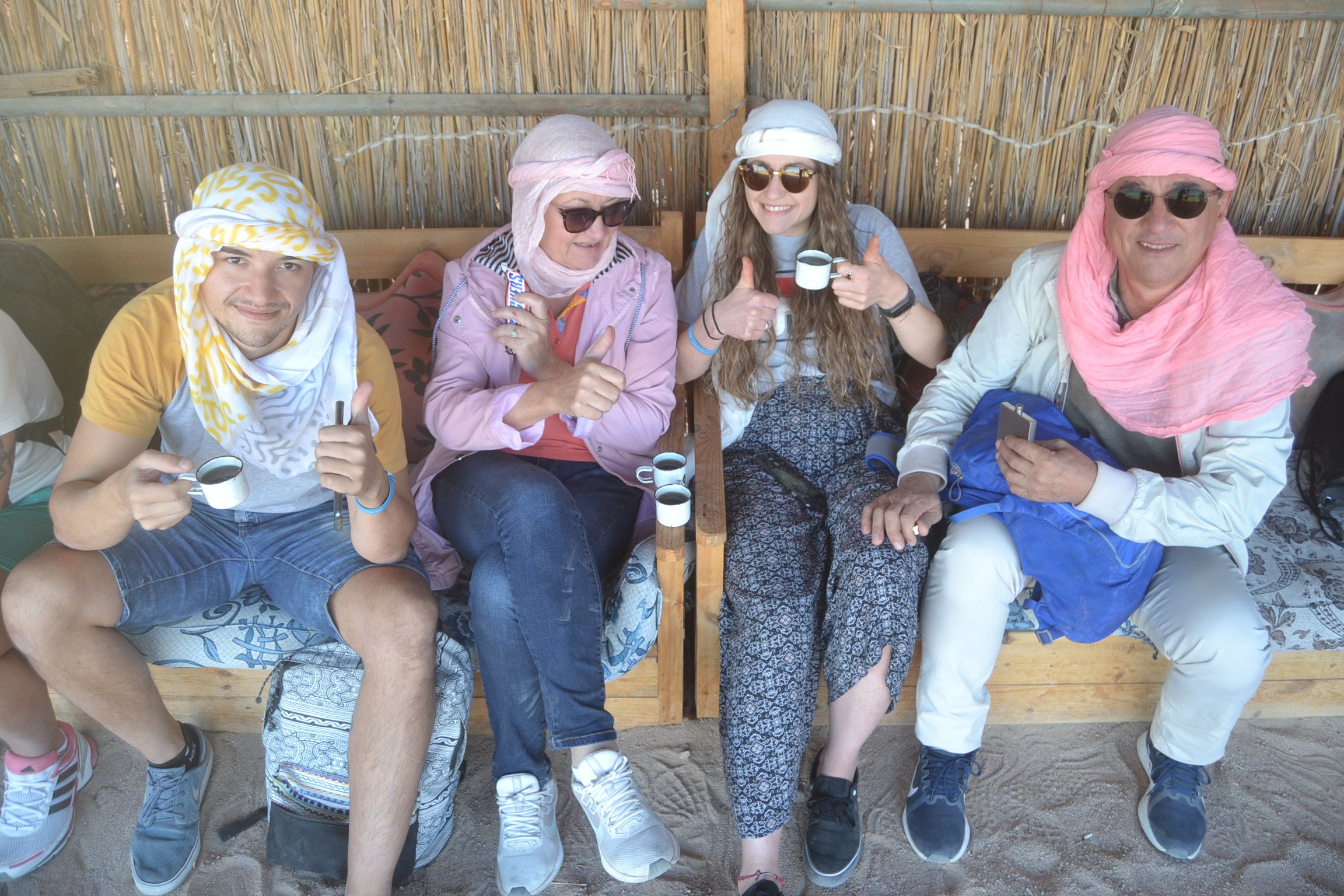
Scarf/buff: Multipurpose — covers your face from dust on bumpy roads, protects your neck from sun, adds warmth in the morning, and works as an impromptu head covering.
Daypack: A small pack (15-20 liters) for carrying water, camera, binoculars, sunscreen, and layers during game drives.
Destination-Specific Adjustments
East Africa (Kenya, Tanzania, Uganda, Rwanda)
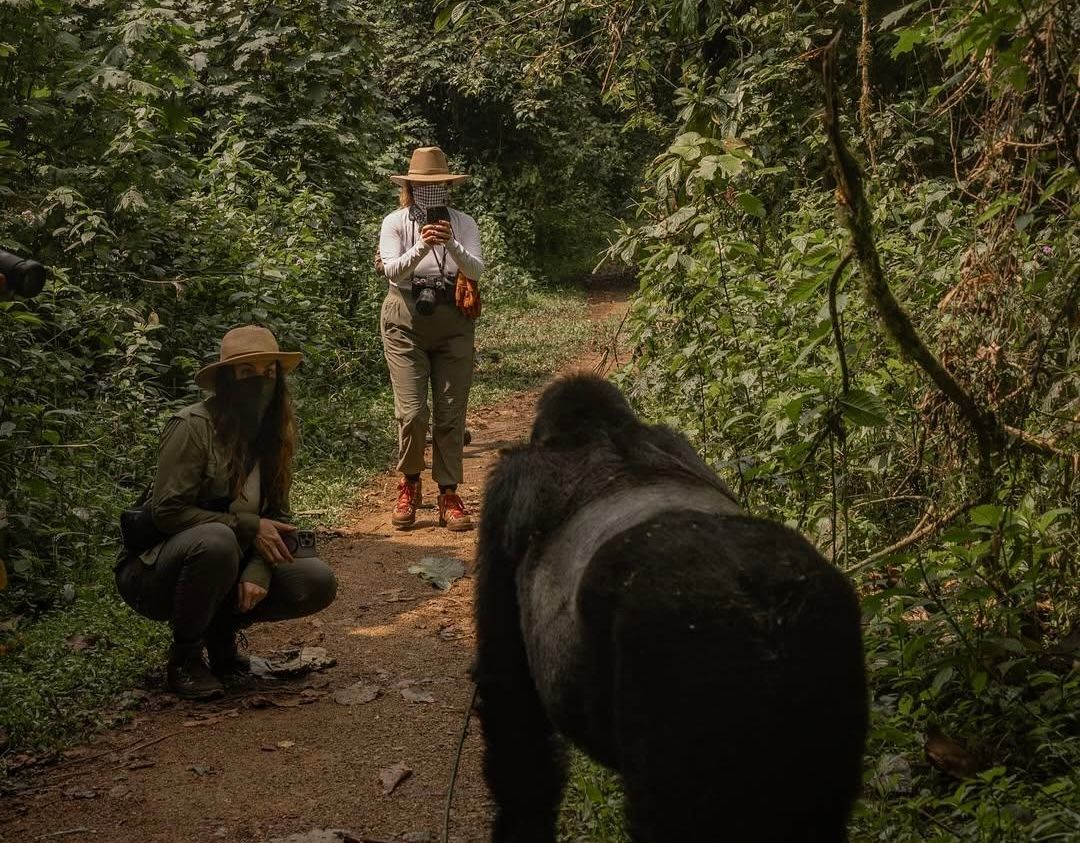
Gorilla trekking: Long trousers are mandatory (vegetation is dense and scratchy), sturdy hiking boots with ankle support (trails are muddy and steep), long-sleeve shirt, rain jacket (the forest is wet), gardening-style gloves (for grabbing vegetation on steep climbs), and gaiters if you have them.
Zanzibar/coast: Modest clothing for Stone Town and Muslim areas (cover shoulders and knees). Swimwear for beach areas and resorts. Light, breathable fabrics for the coastal humidity.
Altitude (Mount Kenya, Kilimanjaro, Ngorongoro rim): Significantly colder than lowland safari areas. Bring proper warm layers — down jacket, thermal base layers, warm socks, and a fleece hat. Ngorongoro's crater rim is at 2,300+ meters and temperatures drop below freezing before dawn.
Southern Africa (South Africa, Botswana, Namibia, Zambia, Zimbabwe)
Winter (June-August): Southern African winters are cold in the mornings and evenings. Temperatures at Kruger, Hwange, and Etosha can drop to 5°C or below at dawn. A proper fleece and wind-resistant outer layer are essential — many first-time visitors underpack warm clothing for Southern African winter safaris.
Namibia self-drive: Add sunscreen, a wide-brimmed hat, and plenty of water. The desert sun is intense, and you'll be out of your vehicle more often than on guided safaris.
Victoria Falls: Bring a waterproof jacket or poncho — the spray from the falls (particularly during high water, February-May) will soak you thoroughly. A dry bag for your camera and phone is essential.
North Africa (Morocco, Egypt)
Morocco: Modest clothing is appropriate, especially in medinas and near mosques. Women should carry a scarf for covering shoulders. The Sahara desert is cold at night (bring warm layers for desert camping) and hot during the day.
Egypt (White Desert): Layer heavily for desert camping. Daytime is warm (20-28°C in winter), but nights drop to 0-5°C. A proper warm jacket, hat, and sleeping bag liner are essential.
What NOT to Pack
Camouflage/military-style clothing: Illegal to wear in several African countries (including Zimbabwe, Zambia, and some others). Even where not illegal, it can cause problems at checkpoints and borders. Avoid entirely.
All-white outfits: You'll look clean for approximately 12 minutes. Then you'll look like you rolled in ochre dust.
Excessive quantities: Safari lodges do laundry. You do not need 14 outfits for 14 days. Three to four day outfits rotated and laundered is sufficient for any length of safari.
Heavy jeans: Hot, slow to dry, uncomfortable when sweaty, and offer no advantage over lightweight trousers.
Perfume/cologne: Strong scents can attract insects and may disturb wildlife at close range on walking safaris. Skip fragrance products during your safari.
Too much gear: Bush flights between safari camps typically limit luggage to 15-20 kg in soft bags (no hard suitcases). Pack light and flexible. Most camps provide toiletries, and laundry means you need fewer clothes.
The Camera Question
Not clothing, but the most common safari packing debate: what camera to bring?
Smartphone: Modern smartphones take excellent safari photos in good light. Limited by zoom capability — animals at a distance will appear small.
Mirrorless/DSLR with zoom lens: A 100-400mm or 200-600mm lens is the safari photography sweet spot. Captures close-up wildlife detail that phones can't match. Heavy but worth it for serious photographers.
Binoculars: More useful than many travelers expect. A pair of 8x42 or 10x42 binoculars lets you watch animal behavior in detail that even a telephoto lens misses. And unlike a camera, you're watching with both eyes, fully present in the moment.
Batteries and memory cards: There may be limited charging opportunities at remote camps. Bring at least two batteries and more memory cards than you think you'll need. An average safari day produces 200-500 photos.
Browse all safari experiences across Africa — every experience page includes specific guidance on what to bring for that particular activity.
Frequently Asked Questions
Can I buy safari clothing in Africa?
Yes — Nairobi, Cape Town, Johannesburg, Arusha, and other gateway cities have outdoor shops selling safari-appropriate clothing. However, sizes, selection, and quality vary. It's better to arrive prepared and use local shops for anything you forgot.
Do I really need khaki?
No. Any neutral, muted color works. The "must wear khaki" rule is outdated. Olive green, grey, brown, and dark earth tones are all fine. The key is avoiding bright colors and pure white/black.
What about laundry at safari camps?
Most mid-range and luxury camps include daily laundry service — you hand in clothes in the morning, they're returned by evening. This is a genuine packing advantage: 3-4 outfits rotated with daily laundry covers any length of safari.
Is there a dress code for safari lodge dinners?
Most lodges are casual — clean safari wear is appropriate for dinner. A few ultra-luxury properties (Singita, Mombo, some Sabi Sands lodges) suggest "smart casual" for evening dining, meaning collared shirts for men and something slightly nicer than game-drive clothes for women. No lodge requires formal attire.
What if I'm doing both safari and city/beach on one trip?
Pack your safari clothing for the bush portion and add 1-2 city/beach outfits in a separate packing cube. At the transition point (usually a city like Nairobi, Arusha, or Cape Town), swap your active wardrobe. Most hotels will store excess luggage if you're returning through the same city.