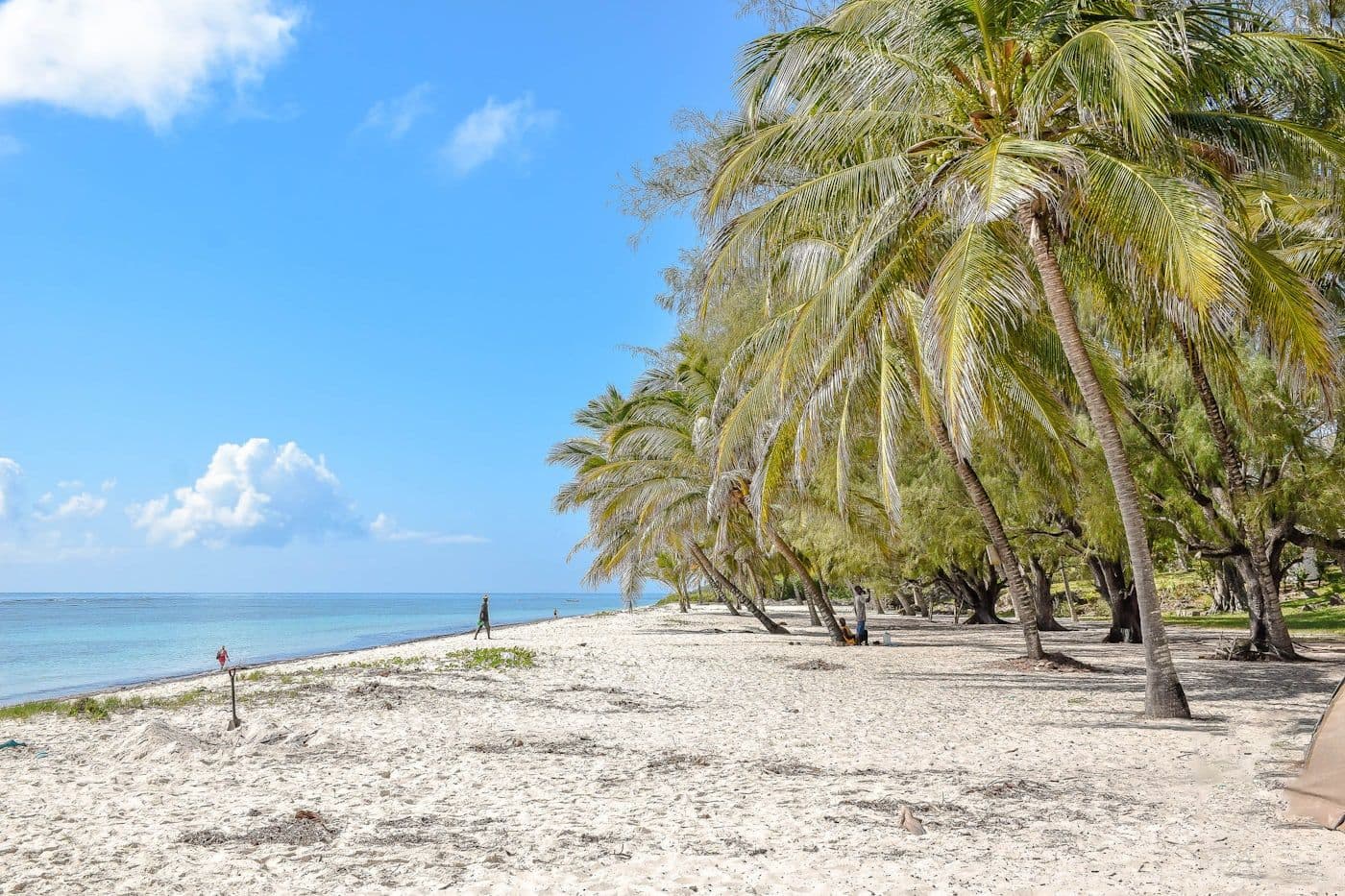
Mombasa is Kenya's second city and oldest — a thousand-year-old port where Swahili, Arab, Portuguese, and British influences collide in a heady mix of coral-stone architecture, spiced cuisine, and warm Indian Ocean waters. Most safari travelers fly through Mombasa on their way to the coast's beach resorts without stopping. That's a mistake.
The city itself offers Fort Jesus (a UNESCO-listed Portuguese fortress), a labyrinthine Old Town with carved Swahili doors and coral buildings, and some of the best coastal food in East Africa. Beyond the city, the Kenya coast stretches from Malindi and Watamu in the north to Diani Beach in the south — offering beaches, marine parks, and cultural experiences that complement any Kenya safari.
Old Town & Fort Jesus
Fort Jesus
Built by the Portuguese in 1593 to control the East African coast, Fort Jesus has changed hands nine times between the Portuguese, Omani Arabs, and British. The fort is now a UNESCO World Heritage Site and museum, with exhibits covering the Swahili coast's layered history of trade, colonialism, and cultural exchange.
The architecture itself tells the story: Portuguese bastions, Omani additions, and British modifications layered onto a coral-stone foundation. The views from the ramparts — looking out over the old harbor where dhows still dock — connect the fort's history to the living port city below.
Entry: Approximately KES 1,200 (~$10) for foreign adults.Duration: 1-1.5 hours.
Old Town Walking Tour
Mombasa's Old Town is a compact warren of narrow streets flanked by coral-stone buildings with intricately carved Swahili doors — each door's design indicating the original owner's wealth, profession, and cultural origin. The architecture is a living textbook of coastal East African history: Omani-style barazzas (bench seats built into building facades), Indian-influenced balconies, and Portuguese-era fortifications.
Key stops: the Mandhry Mosque (one of the oldest in Mombasa), Leven Steps (carved coral stairs leading to the waterfront), and the spice market where the same goods traded here for centuries — cloves, cardamom, cinnamon — are still sold.
Best approach: Hire a local guide for a 2-3 hour walking tour. The Old Town is small but dense with history that isn't visible without context. Explore other Mombasa experiences for guided cultural walks.
Beaches
Diani Beach (South Coast)
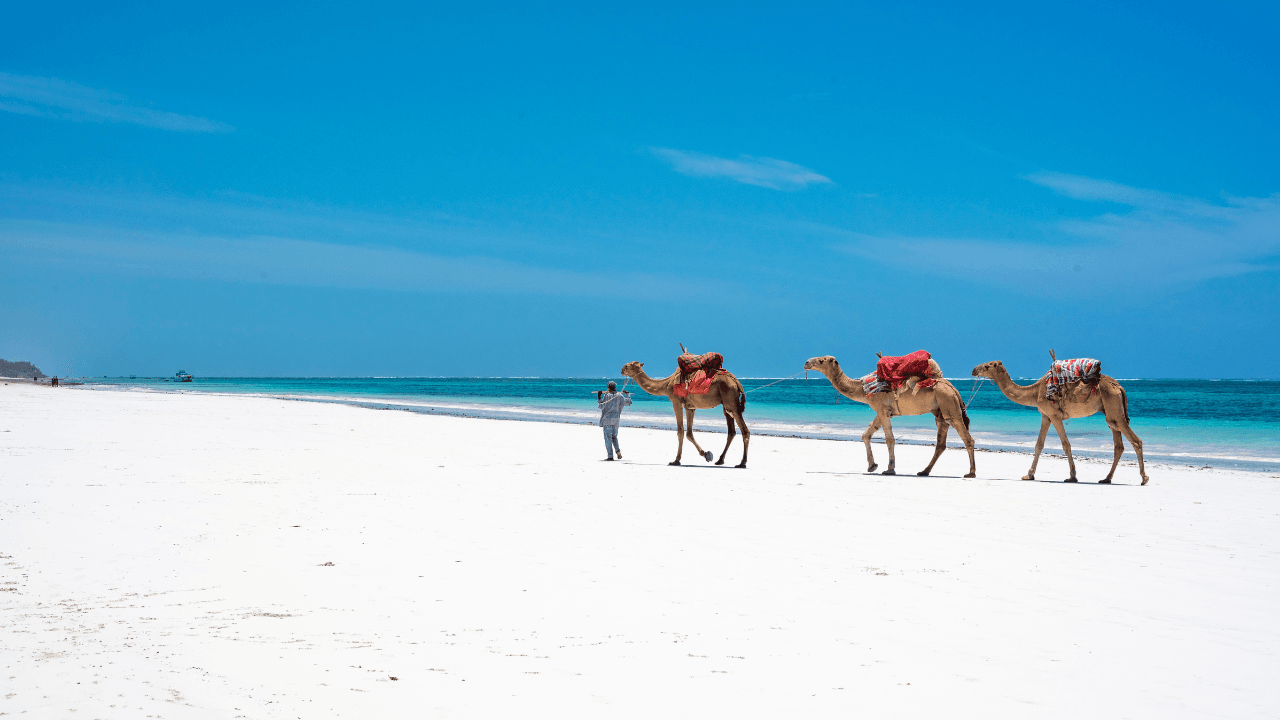
Kenya's best beach — a 17-kilometer ribbon of white sand backed by palm trees, with a coral reef creating a calm, turquoise lagoon. Diani is the primary beach destination for post-safari relaxation, with resorts ranging from budget to luxury.
Activities: Kitesurfing, jet skiing, snorkeling, deep-sea fishing, skydiving, camel rides on the beach, and the Kisite Marine Park & Wasini Island snorkeling experience — a private boat trip to one of Kenya's best marine reserves with dolphins, coral reefs, and a Swahili lunch on a car-free island.
Getting there: 30 minutes by air from Nairobi (Ukunda airstrip), or 1.5-2 hours by road from Mombasa via the Likoni Ferry. The ferry crossing adds character to the journey — it's free for pedestrians and carries vehicles across the channel.
See our Zanzibar vs Diani Beach comparison for help choosing between the two premier East African beach destinations.
Nyali & Bamburi Beach (North Coast)
The beach strip closest to Mombasa city — a continuous stretch of sand running from Nyali Bridge northward. More urban than Diani, with a mix of resorts, public beach areas, restaurants, and nightlife. The Haller Park (a rehabilitated limestone quarry turned into a wildlife sanctuary with giraffes, hippos, and giant tortoises) is a popular family-friendly attraction here.
Best for: Travelers who want beach access without being far from the city's restaurants and nightlife.
Watamu & Malindi (North Coast)
Two hours north of Mombasa, Watamu and Malindi offer Kenya's best marine parks and a more relaxed coastal atmosphere. Watamu Marine National Park has excellent snorkeling and diving — turtle sightings are common. Malindi has a significant Italian expat community that's given it a distinctly Mediterranean-African character, with Italian restaurants alongside Swahili food stalls.
Best for: Divers, marine life enthusiasts, and travelers seeking a quieter coast than Diani.
Swahili Food Culture
The Kenya coast has a food tradition distinct from the rest of the country — heavily influenced by Arab, Indian, and Portuguese flavors mixed with coastal East African ingredients.
Must-Try Dishes
Biryani — the coastal version is fragrant with saffron, cardamom, and cinnamon, layered with slow-cooked meat or seafood. Swahili biryani is drier and more aromatic than Indian versions.
Pilau — spiced rice with meat, a Swahili staple often served at celebrations. The spice mix (pilau masala) includes cumin, cardamom, cinnamon, cloves, and black pepper.
Samosa — the East African version: crispy triangular pastries filled with spiced minced meat or vegetables. Ubiquitous as street food along the coast.
Grilled seafood — the coast's main culinary draw. Red snapper, prawns, lobster, and octopus grilled over charcoal and served with coconut rice and kachumbari (fresh tomato-onion salad). The best seafood is from the small restaurants and beach grills, not the resort buffets.
Viazi karai — deep-fried potato fritters spiced with chili and turmeric. A beloved Mombasa street food, typically served with tamarind sauce.
Madafu — fresh coconut water, drunk straight from the nut. Vendors chop the top off with a machete — it's the coast's most refreshing drink.
Kahawa tungu — coastal-style coffee brewed with ginger and cardamom in small brass pots. Strong, spiced, and served in tiny cups. Find it at the cafés around Mombasa's Old Town.
Dhow Cruises & Marine Experiences
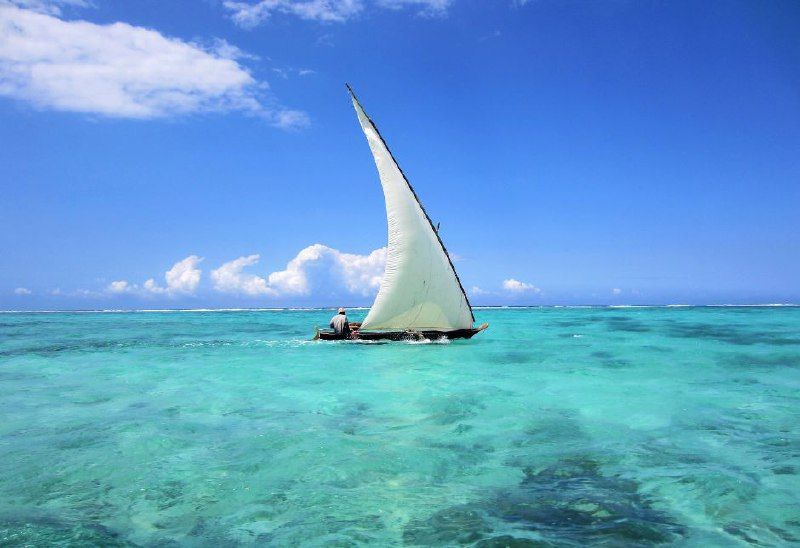
The traditional Swahili dhow — a wooden sailing vessel with a triangular lateen sail — has plied these waters for centuries. Today, dhow cruises offer one of the most atmospheric coastal experiences in East Africa.
Sunset dhow cruises from Mombasa's old harbor sail past Fort Jesus and along the coastline as the sun sets. Some include seafood dinner and live Swahili music on board. Check out other Mombasa experiences for dhow dining and sunset cruise options.
Dolphin trips from Shimoni (south coast) take small boats to channels where spinner and bottlenose dolphins feed. Sightings are common — you can snorkel alongside them in the open water.
Practical Information
Getting to Mombasa
By air: Moi International Airport (MBA) receives domestic flights from Nairobi (1 hour) and seasonal international connections. Several daily flights operate on the Nairobi-Mombasa route.
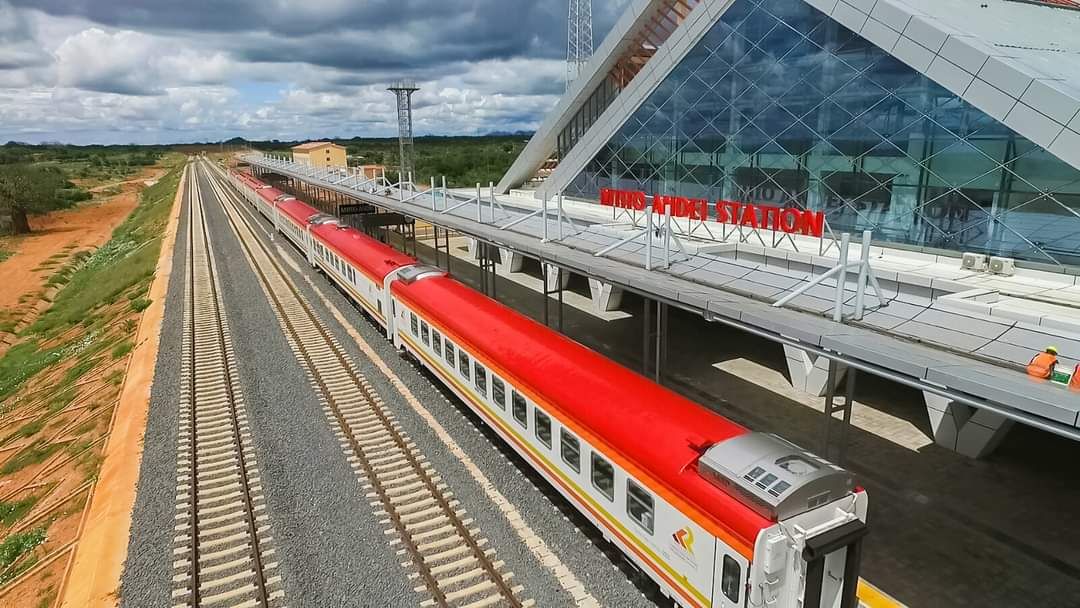
By train: The Madaraka Express (SGR) connects Nairobi to Mombasa in approximately 5 hours. The train is comfortable, affordable ($10-$30 depending on class), and scenic — crossing Tsavo National Park where you may spot wildlife from the window. One of Africa's best train journeys. Explore the 1 Day — Lunatic Express experience from Mombasa covering the original railway route.
By road: The Nairobi-Mombasa highway takes 6-8 hours. Not recommended as a standalone drive — the SGR train or a domestic flight is preferable.
Getting Around the Coast
Tuk-tuks (three-wheelers): Cheap and ubiquitous in Mombasa and Diani. Negotiate price before boarding. Fun for short distances.
Matatus: Shared minibuses running fixed routes along the coast. Extremely cheap ($0.50-$1) but crowded.
Taxis and Bolt: Available in Mombasa. Bolt operates but coverage outside the city center varies.
Likoni Ferry: Connects Mombasa Island to the south coast (Diani). Free for pedestrians, small fee for vehicles. Can be crowded during rush hours. An essential part of the south coast journey.
When to Visit
Best months: January-March and July-October. Warm, dry weather and calm seas. July-October coincides with peak safari season, making it ideal for a safari + coast combination.
Avoid: April-June (long rains — heavy and sustained on the coast). November has short rains but is usually manageable.
Water temperature: A consistent 25-28°C year-round. The Indian Ocean off the Kenya coast is warm enough for swimming in any month.
How Long to Stay
Mombasa city: Half a day to one full day covers the Old Town and Fort Jesus.Diani Beach: 2-4 days for beach and water activities.Full coast experience: 5-7 days combining Mombasa city, Diani, and a Watamu/Malindi side trip.
Safari + coast combination: After a 3-Day Masai Mara Safari or 7-Day Kenya Multi-Park Safari, fly from Nairobi to Mombasa/Ukunda and add 3-4 beach days.
Browse all Mombasa and Kenya coast experiences.
Frequently Asked Questions
Is Mombasa safe?
Mombasa's tourist areas (Old Town, Fort Jesus, North Coast beaches) are safe with standard precautions. As with any large city, avoid walking alone in poorly lit areas at night. Diani Beach and the resort areas along the coast are well-managed and secure.
Can I combine Mombasa with a safari?
Yes — it's one of the most popular Kenya combinations. Fly from Nairobi to the Masai Mara for safari, return to Nairobi, then fly or train to Mombasa for coast time. Or do a Tsavo East/West safari en route between Nairobi and the coast (Tsavo sits between the two).
Is the Kenya coast better than Zanzibar?
Different strengths. The Kenya coast (particularly Diani) offers more consistent swimming (no extreme tides) and is easier to combine with a Kenya safari. Zanzibar offers deeper cultural experiences (Stone Town), more varied beaches, and better kitesurfing. See our Zanzibar vs Diani Beach comparison.
What about the Likoni Ferry — is it safe?
Yes. The ferry is the standard connection between Mombasa and the south coast, used by thousands daily. Peak hours (morning and evening rush) can be crowded and slow. If driving, expect waits of 30-60 minutes during busy periods. Pedestrians board quickly.