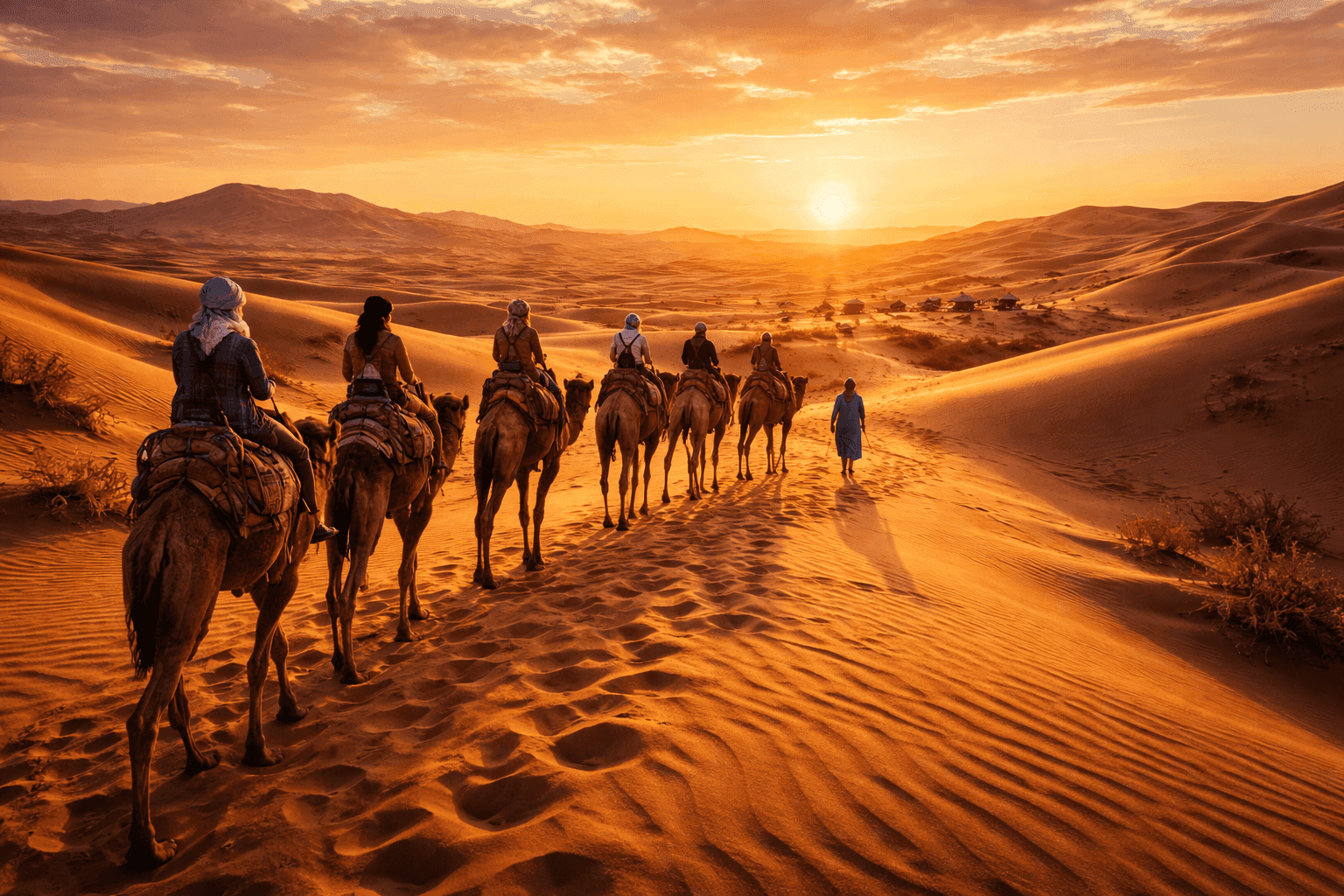
A Sahara desert tour is the single most popular multi-day experience travelers book from Marrakech. The journey takes you across the High Atlas Mountains, through ancient kasbahs and dramatic gorges, and into the towering sand dunes of Erg Chebbi near Merzouga — where you ride camels at sunset, sleep in a desert camp, and wake to a Saharan sunrise.
Here's everything you need to know to choose the right desert tour, avoid common mistakes, and make the most of this iconic Moroccan experience.
The Standard Route: What Every Sahara Tour Covers
Nearly all Sahara desert tours from Marrakech follow the same core route, regardless of operator or price level. The differences are in camp quality, vehicle comfort, group size, and the pace of the journey.
Day 1: Marrakech → High Atlas Mountains → Ait Ben Haddou → Dades ValleyYou depart Marrakech early morning and cross the Tizi n'Tichka pass (2,260 meters) through the High Atlas Mountains. The road is spectacular — hairpin turns with mountain panoramas. You stop at Ait Ben Haddou, the UNESCO-listed kasbah famous as a filming location for Gladiator and Game of Thrones. The day ends in the Dades Valley or Todra Gorges area.
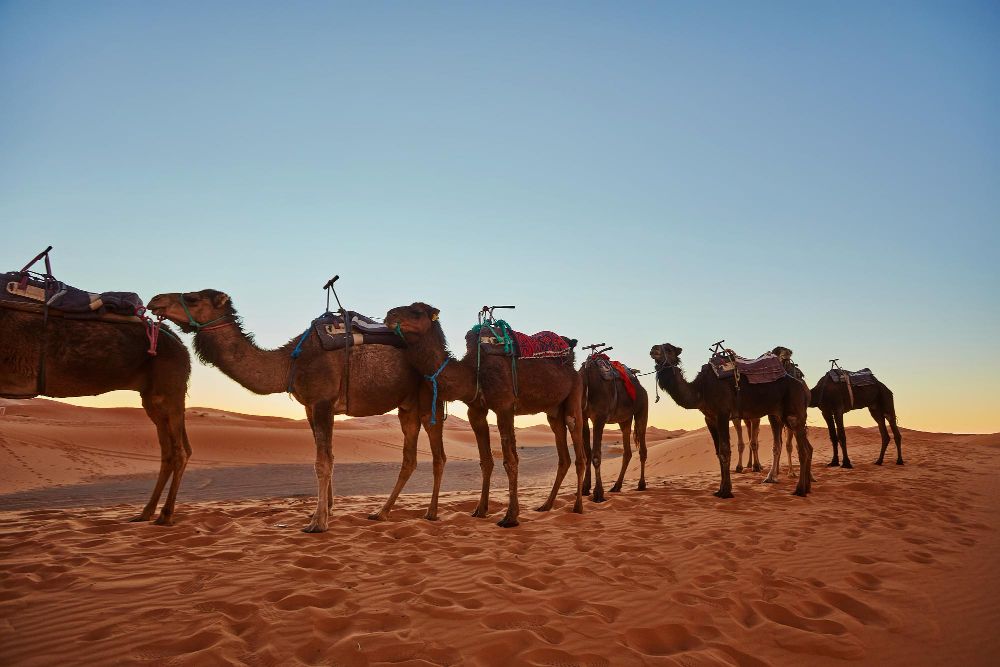
Day 2: Dades/Todra → Merzouga → Camel Trek → Desert CampYou drive through the Todra Gorges (300-meter-high canyon walls) and continue to Merzouga on the edge of Erg Chebbi. In the late afternoon, you mount camels for a 45–90 minute ride into the dunes. You arrive at your desert camp before sunset, eat a traditional Moroccan dinner, enjoy Berber drumming around a campfire, and sleep under the stars (or in your tent).
Day 3: Desert Sunrise → Return to MarrakechYou wake early for sunrise over the dunes — one of the most photographed moments in Morocco. After breakfast, you return by camel or 4x4 to Merzouga, then drive back to Marrakech, arriving in the evening.
Choosing Your Desert Tour: Key Decisions
2-Day vs 3-Day Tours
3-day tours are the standard and strongly recommended. The drive from Marrakech to Merzouga is approximately 9–10 hours each way. A 3-day tour allows you to break this into manageable driving days with stops at Ait Ben Haddou, the gorges, and smaller villages.
2-day tours exist but require extremely long driving days (up to 12 hours) with minimal stops. The experience is rushed, and fatigue can overshadow the desert itself. Most travelers who take 2-day tours say they wished they'd chosen three days.
4-day tours from Marrakech to Fes (or vice versa) are an excellent option if you're traveling between cities. You get the full desert experience without backtracking.
Standard Camp vs Luxury Camp
This is the biggest quality differentiator between desert tours.
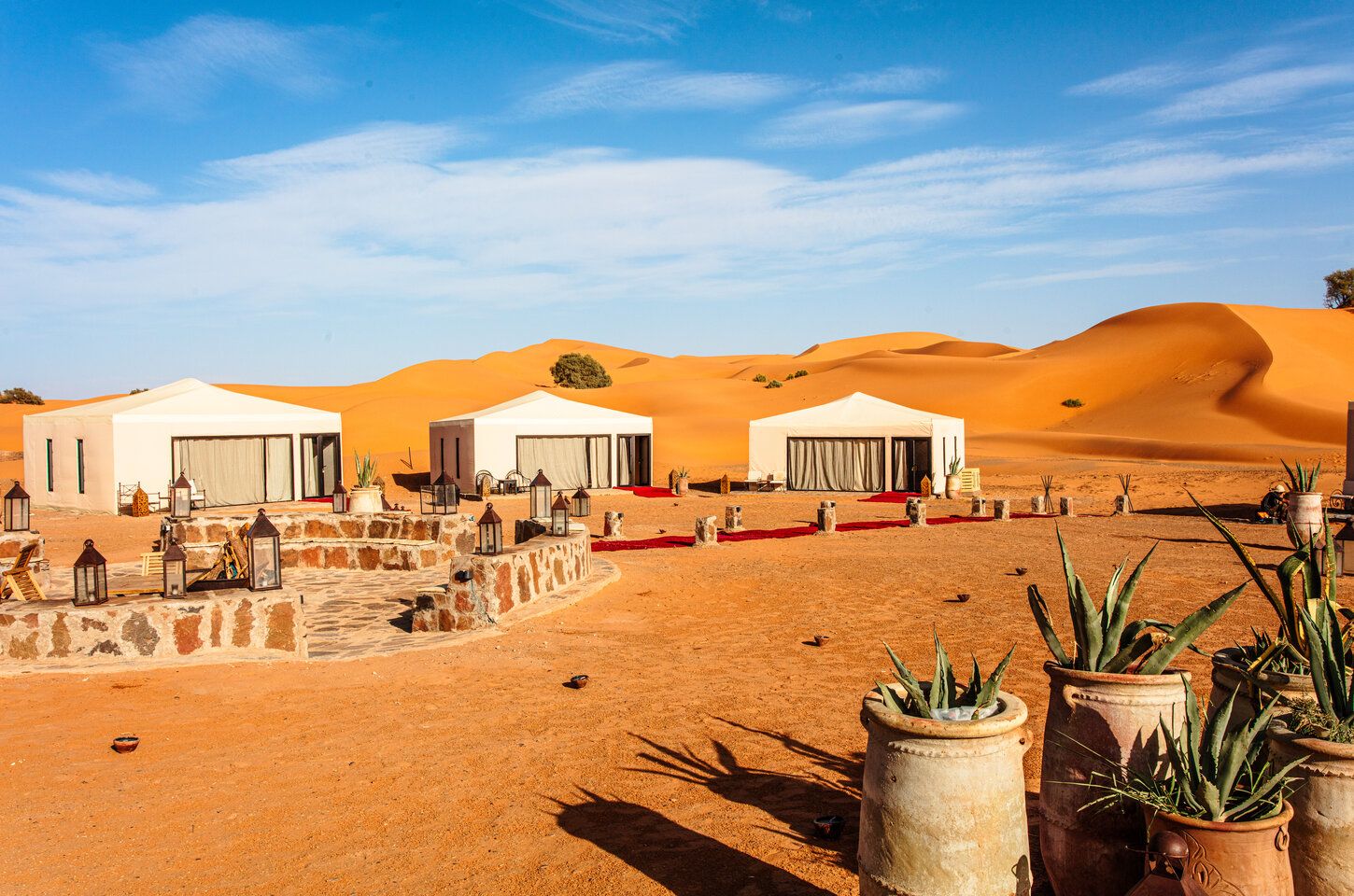
Standard camps ($60–$100 per person in a 3-day tour): Shared tents with basic mattresses and blankets, shared bathroom facilities (usually portable toilets), communal dining area. The experience is authentic but basic. Perfectly fine for backpackers and budget travelers.
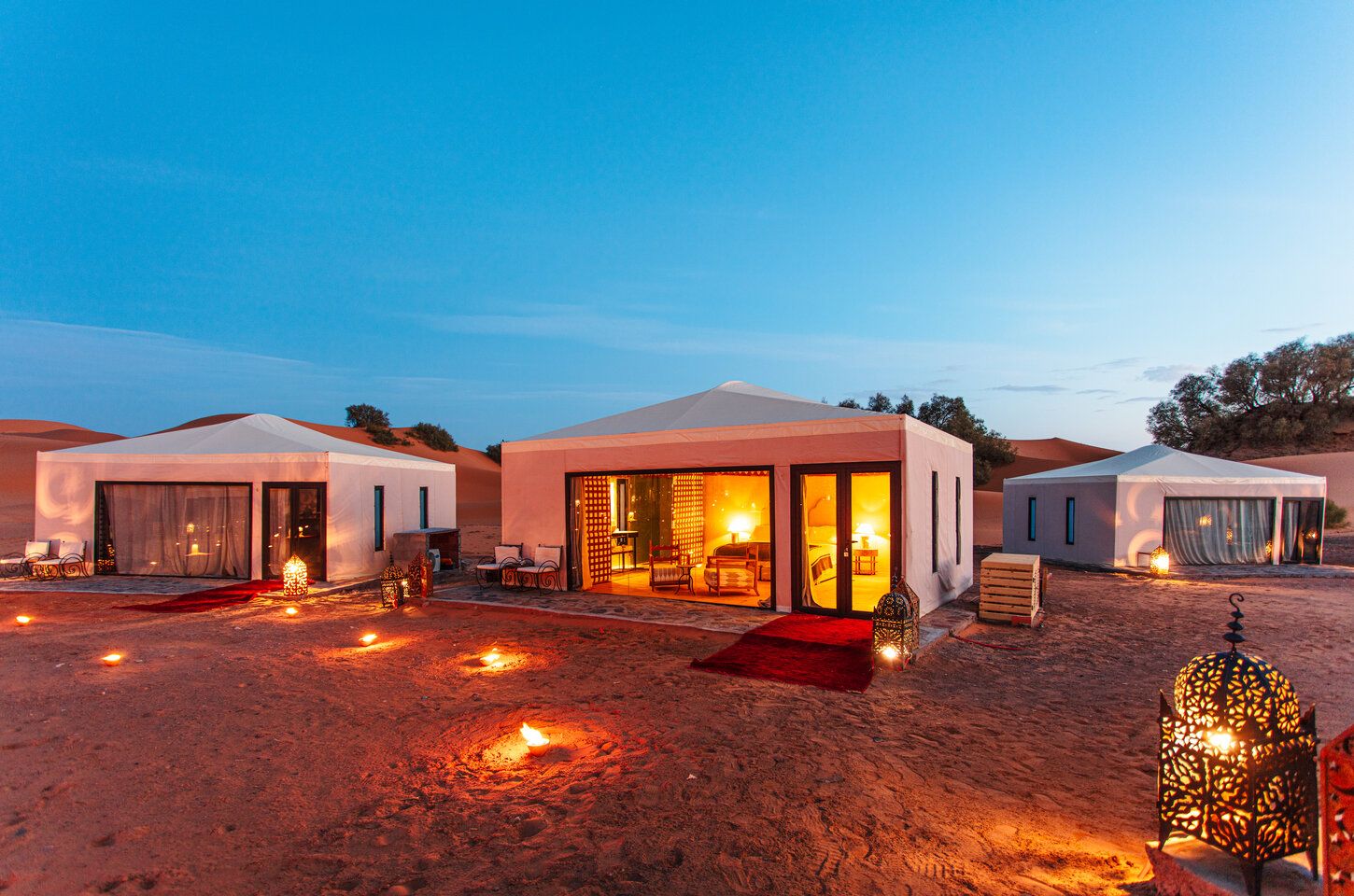
Luxury camps ($150–$300+ per person in a 3-day tour): Private tents with proper beds, linens, and sometimes heating. Private or semi-private bathrooms with running water. Better food, sometimes with multi-course dinners. Some luxury camps have electricity, hot showers, and even small pools.
The camp quality makes or breaks the experience for many travelers. If comfort matters to you, investing in a luxury camp is worth every dirham.
Shared Group vs Private Tour
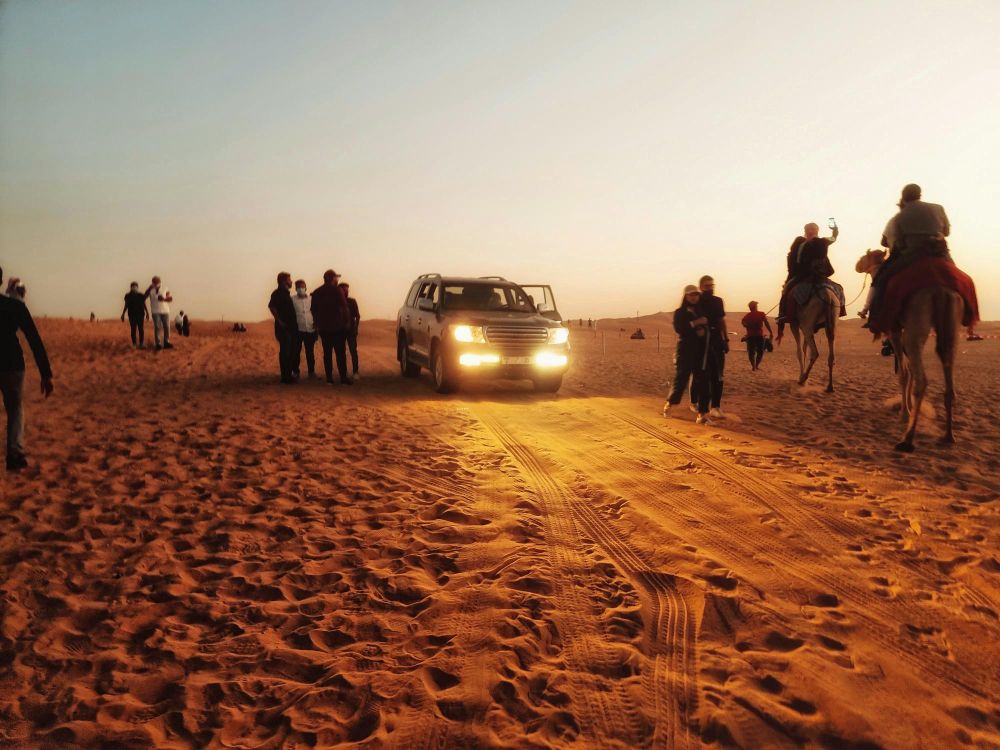
Shared/group tours ($80–$150 per person for 3 days, standard camp): You travel in a minivan with 10–15 other travelers. The itinerary is fixed, stops are time-limited, and you don't control the pace. This is the most affordable option and perfectly good for solo travelers or those on a budget.
Private tours ($200–$500+ per person for 3 days): You have your own vehicle and driver-guide. You stop where you want, for as long as you want. The guide customizes the route to your interests. This is significantly better for couples, families, and small groups.
What to Expect: Practical Details
The Driving
Be prepared for significant time in a vehicle. The distances in southern Morocco are vast. On a 3-day tour, you'll spend roughly 5–7 hours driving on Day 1, 4–5 hours on Day 2 (plus the camel ride), and 8–10 hours on Day 3 (the return day). The roads through the Atlas Mountains are winding but paved and well-maintained.
The Camel Ride
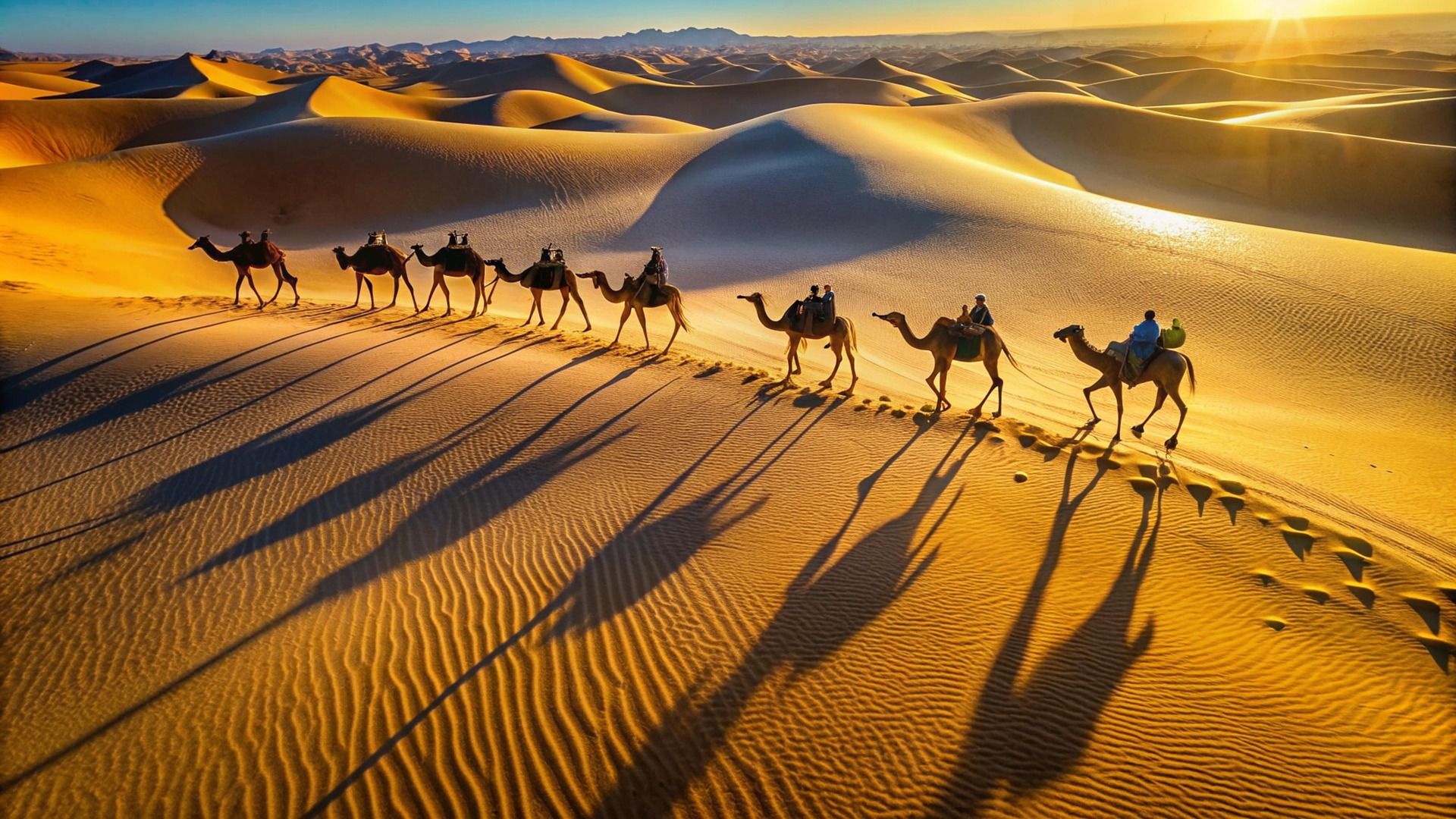
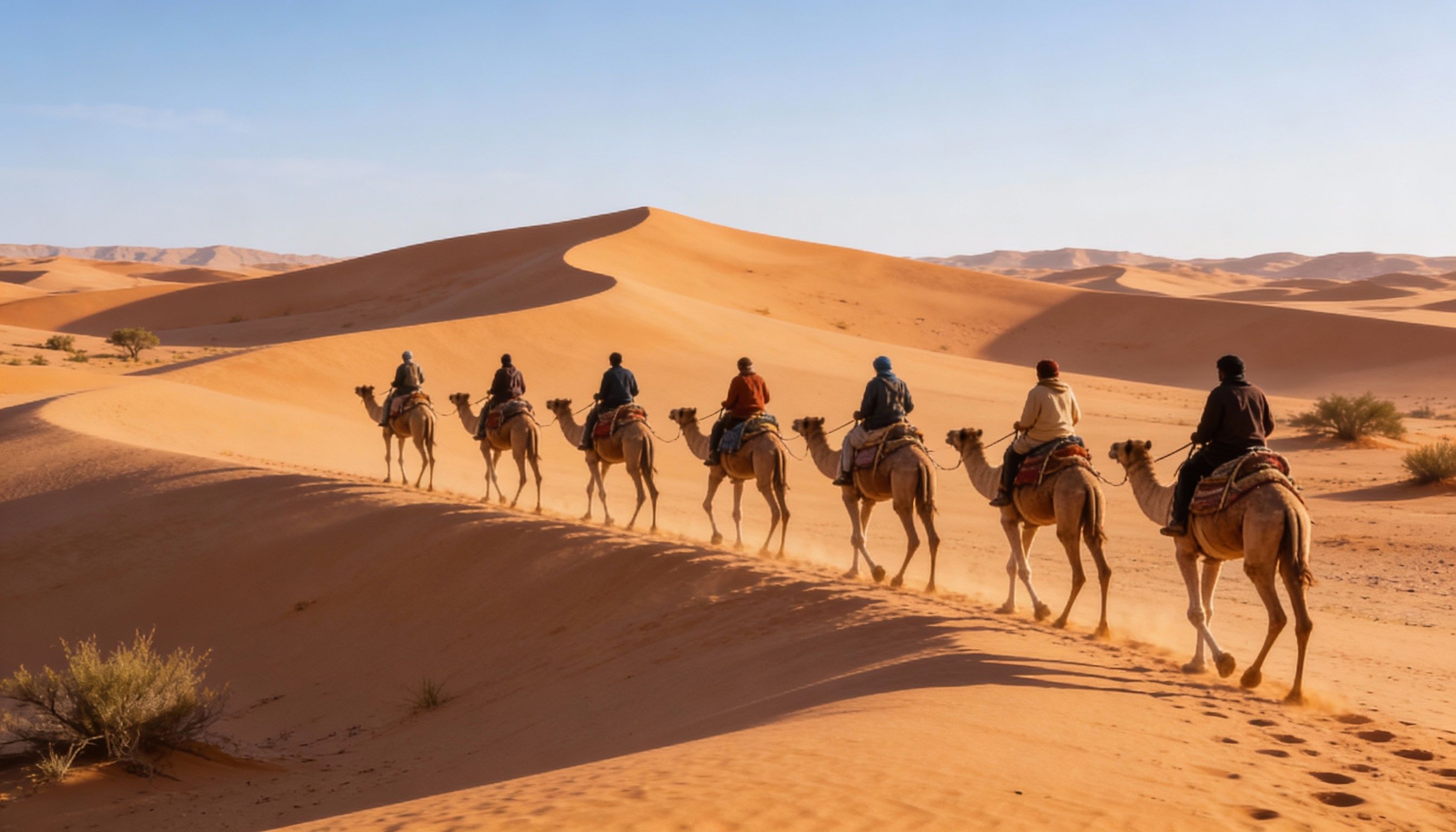
The camel trek into the dunes typically takes 45–90 minutes. Camels are the traditional way to reach the camps, and the ride at golden hour is genuinely magical. However, some people find camel riding uncomfortable. Most camps offer a 4x4 alternative if you prefer.
Temperature Extremes
The desert has dramatic temperature swings. From October through April (the best visiting season), daytime temperatures are pleasant at 20–28°C, but nights can drop to 0–5°C. Bring layers, a warm jacket, and a scarf. Summer months (June–August) see daytime temperatures exceeding 45°C — desert tours are not recommended in summer.
The Desert Night Sky
If skies are clear, the stargazing in the Sahara is extraordinary. With virtually zero light pollution, the Milky Way is visible to the naked eye. Some camps offer basic telescopes. This alone is worth the trip for many visitors.
Sand and Dust
Everything gets sandy. Protect your camera and phone, bring a bag for electronics, and accept that sand will be in your shoes, hair, and bed. This is part of the experience.
When to Book a Sahara Desert Tour
Best months: October through April. Clear skies, comfortable daytime temperatures, cold but manageable nights.
Peak season: December through February and Easter week. Book at least 2–4 weeks ahead for luxury camps; standard tours are usually available with less notice.
Avoid: June through August. The heat is genuinely dangerous, and most quality camps reduce operations or close.
Ramadan note: During Ramadan, the experience may be slightly different — some food stops close during the day, and the cultural atmosphere shifts. However, the desert tour itself operates normally, and experiencing iftar (the sunset meal breaking the fast) in the desert can be a beautiful cultural moment.
Common Mistakes to Avoid
Booking the cheapest option without reading reviews. Budget shared tours below $70 per person often cut corners — overcrowded vehicles, rushed stops, very basic camps with poor sanitation. The $30–50 difference between a mediocre and a good standard tour is the most impactful money you'll spend.
Not packing warm clothes. The desert is cold at night. Seriously cold. Every year, travelers arrive in camp with only t-shirts and shorts because they associated "desert" with "hot."
Expecting Wi-Fi or phone signal in the desert. Once you're in the dunes, you're offline. Tell people before you go. Embrace the disconnection.
Skipping Ait Ben Haddou. Some budget tours rush past this UNESCO site. It's one of the highlights of the journey — make sure your tour includes a proper stop with time to walk through the kasbah.
Merzouga vs Zagora vs Erg Chigaga: Which Desert?
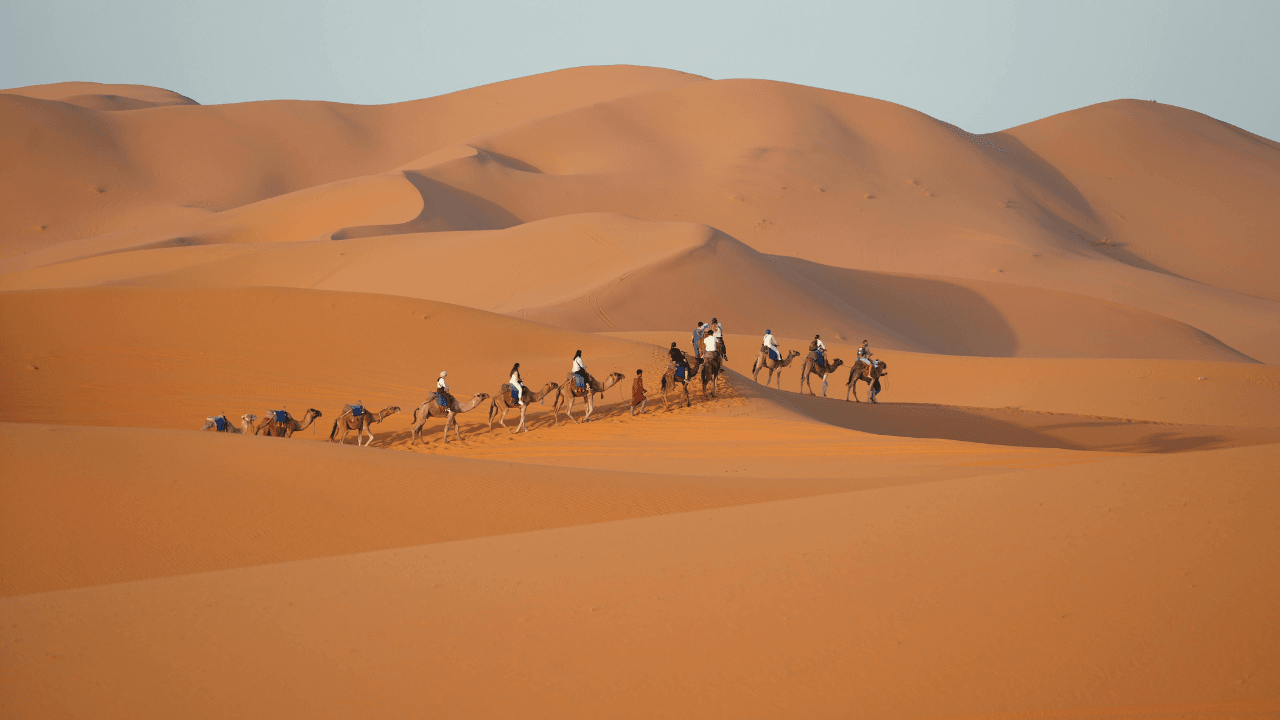
Most tours go to Merzouga (Erg Chebbi) — and for good reason. The dunes reach 150 meters high, are visually spectacular, and have the most developed tourism infrastructure. This is the right choice for most travelers.
Zagora is closer to Marrakech (fewer hours driving) but its dunes are smaller and less dramatic. It works for travelers with very limited time but doesn't deliver the "full Sahara" experience.
Erg Chigaga is more remote, with fewer visitors and a wilder feel. Reaching it requires off-road driving, typically in 4x4 vehicles. It's the best option for travelers who want a more isolated, authentic desert experience and don't mind the extra logistics.
Booking Your Desert Tour
The easiest and safest way to book is through a reputable platform where experiences are vetted and reviews are verified. Booking through your riad or at a street agency in Marrakech can work but comes with less accountability if something goes wrong.
Browse all Sahara desert experiences to compare vetted tours with local hosts, including Merzouga camel treks, quad tours in Erg Chebbi, and multi-day desert experiences.
For travelers based in Marrakech, you can also explore Marrakech day trips like e-bike tours, food walks, and Atlas Mountains excursions to fill the rest of your itinerary.
Frequently Asked Questions
How much does a 3-day Sahara desert tour cost?
Shared group tours with standard camping start at approximately $80–$120 per person. Private tours with luxury camping range from $200–$500+ per person. Prices include transport, accommodation, most meals, the camel trek, and a guide.
Is the camel ride safe?
Yes, with a reputable operator. The camels are led by experienced handlers, and the pace is slow. You'll be given basic instructions before mounting. Hold onto the saddle handle during mount and dismount — that's when camels move the most.
Can I do a desert tour with children?
Yes. Most tours accept children of all ages, though the long driving days can be tiring for young kids. Private tours give you more flexibility to stop when needed. The camel ride is suitable for children who can sit independently (usually age 5+).
What if I have dietary restrictions?
Let your tour operator know in advance. Moroccan cuisine naturally accommodates vegetarians reasonably well (couscous, tagine with vegetables, salads). Vegan and gluten-free options require advance notice. Desert camps have limited kitchen facilities, so specific dietary needs should be communicated early.
Is it worth it?
The Sahara desert tour is consistently rated as the top experience in Morocco by travelers. The combination of mountain passes, ancient kasbahs, dramatic gorges, and sleeping under the stars in the world's most famous desert creates a journey that goes far beyond a standard sightseeing tour. For most visitors, it's the defining memory of their Morocco trip.