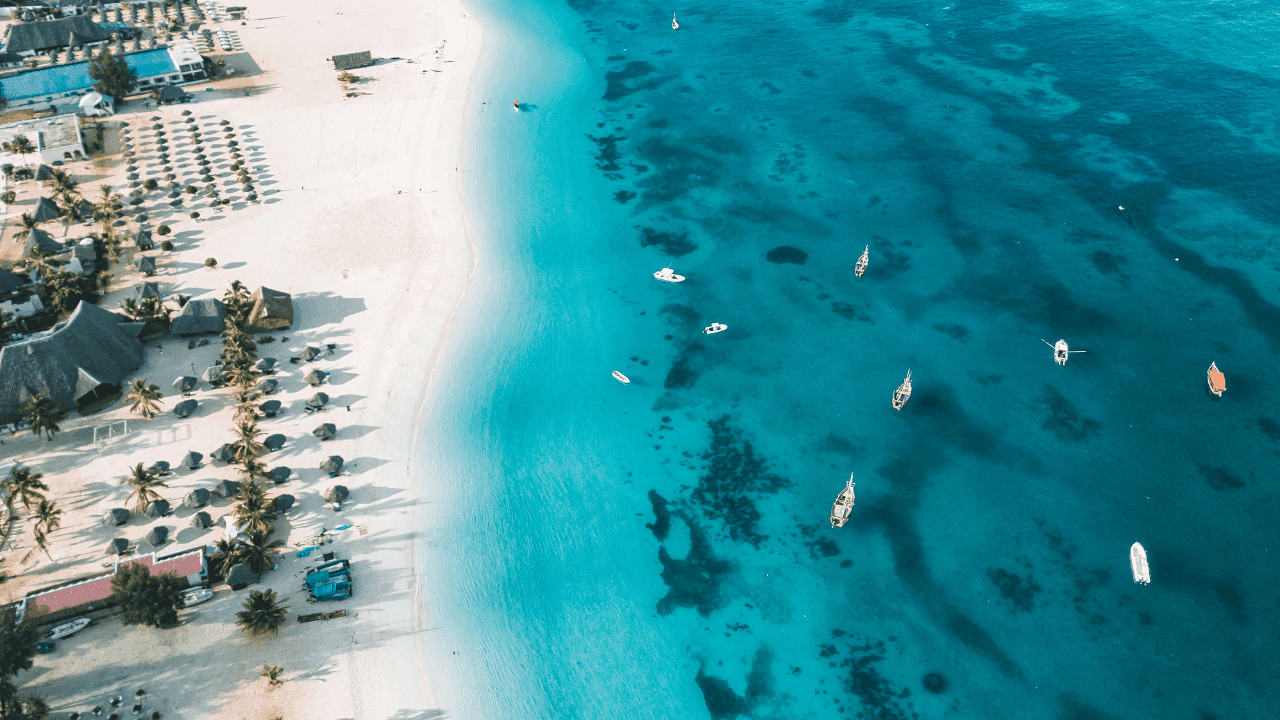
Tanzania is one of East Africa's most visited countries — home to the Serengeti, Mount Kilimanjaro, Zanzibar's beaches, and the Ngorongoro Crater. Over a million international tourists visit annually, and the vast majority have safe, problem-free trips.
That said, Tanzania is a developing country with real safety considerations that differ from what many Western travelers are accustomed to. This guide covers what's actually risky, what's merely different, and how to prepare.
The Short Answer
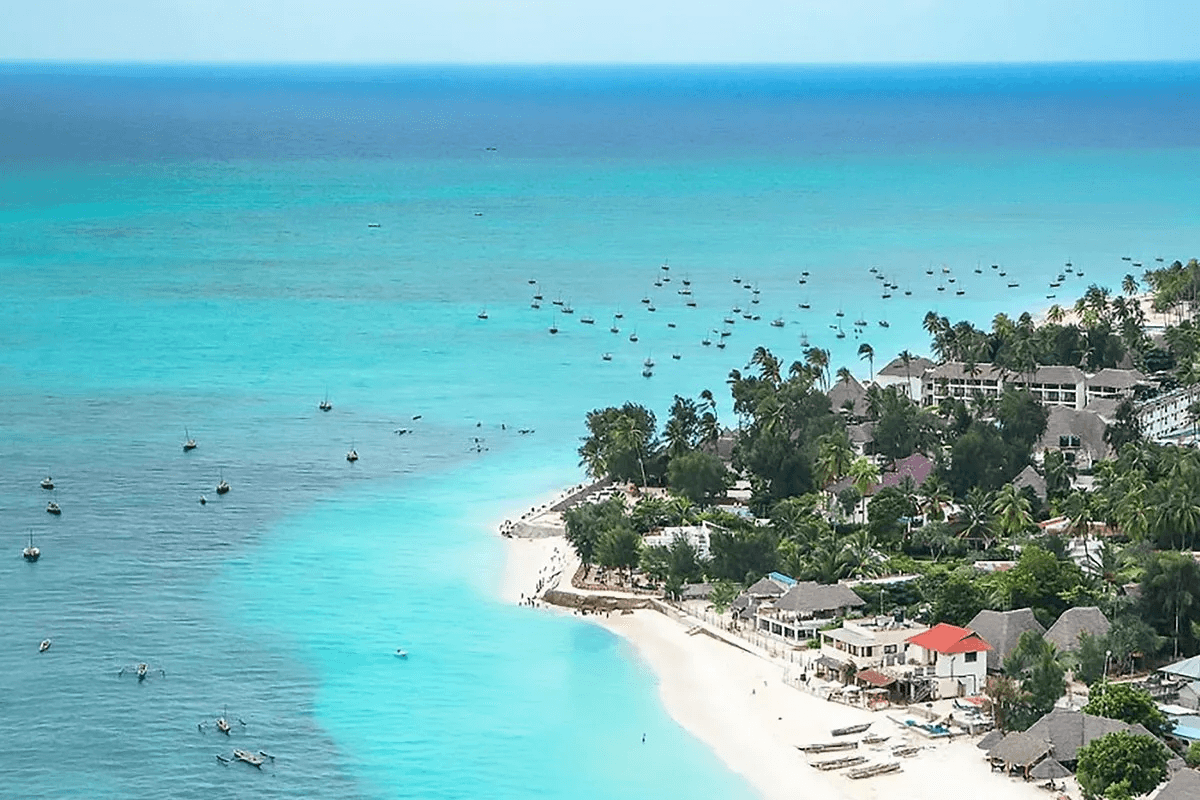
Tanzania is safe for tourists who take standard precautions. The country is politically stable, has no active conflicts in tourist areas, and its major safari parks, Zanzibar, and Kilimanjaro are well-established, heavily-visited tourist zones with good security infrastructure.
The U.S. State Department rates Tanzania as Level 2 ("Exercise Increased Caution") — the same level as most of Western Europe. The advisory relates primarily to petty crime in urban areas, not systemic violence.
Crime and Personal Safety
Petty Crime
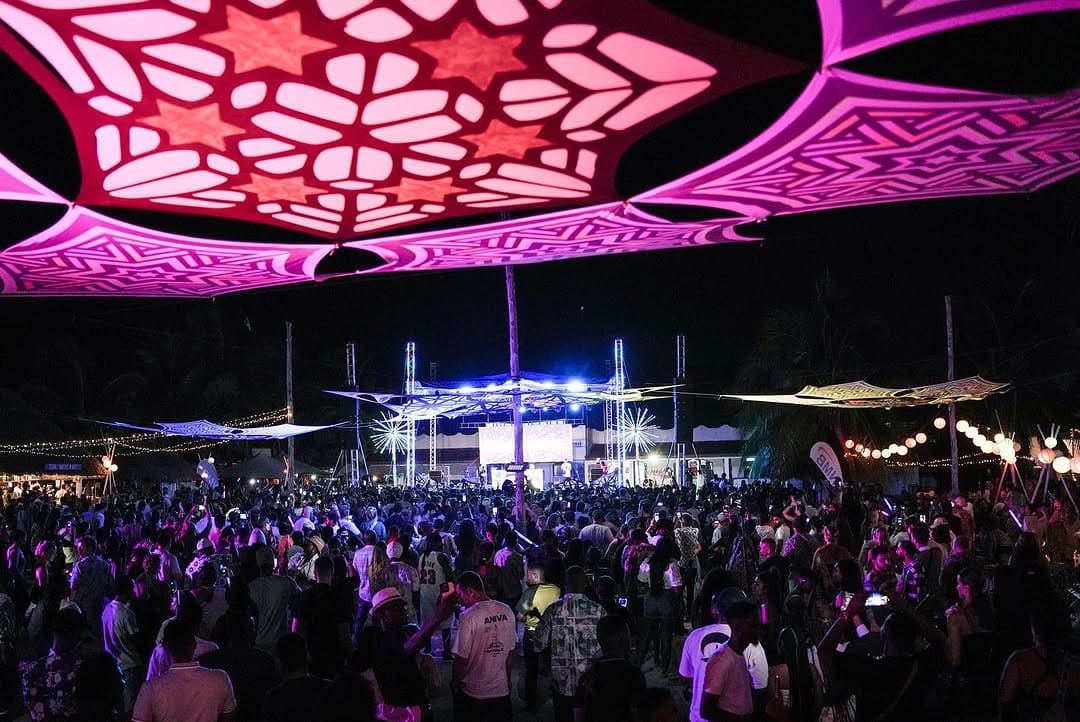
Pickpocketing, bag snatching, and phone theft are the most common crimes affecting tourists. Hotspots include Dar es Salaam's city center, Arusha's market areas, and Stone Town in Zanzibar (particularly crowded lanes and the waterfront after dark).
How to stay safe: Keep valuables in a money belt or front pocket in crowded areas. Don't walk with your phone visible in hand. Use a cross-body bag that zips closed. Leave unnecessary valuables at your hotel. Use ride-hailing apps (Bolt works in Dar es Salaam and Arusha) rather than unmarked taxis, especially at night.
Violent Crime
Armed robbery and mugging occur in Tanzania but are uncommon in tourist areas. Dar es Salaam has some high-risk neighborhoods that tourists should avoid at night (particularly Kariakoo and parts of the city center after dark). Safari parks, Zanzibar's resort areas, and Kilimanjaro's climbing routes have excellent safety records.
Scams
Common scams include overcharging for taxis and services, fake tour operators offering suspiciously cheap Kilimanjaro or safari packages (who then cut corners dangerously), and "helpful strangers" in Stone Town who guide you to their friend's shop. These are annoyances, not dangers.
How to handle it: Book tours through a verified platform where operators are vetted. Agree on taxi prices before getting in. Be politely firm with unsolicited guides.
Safari Safety
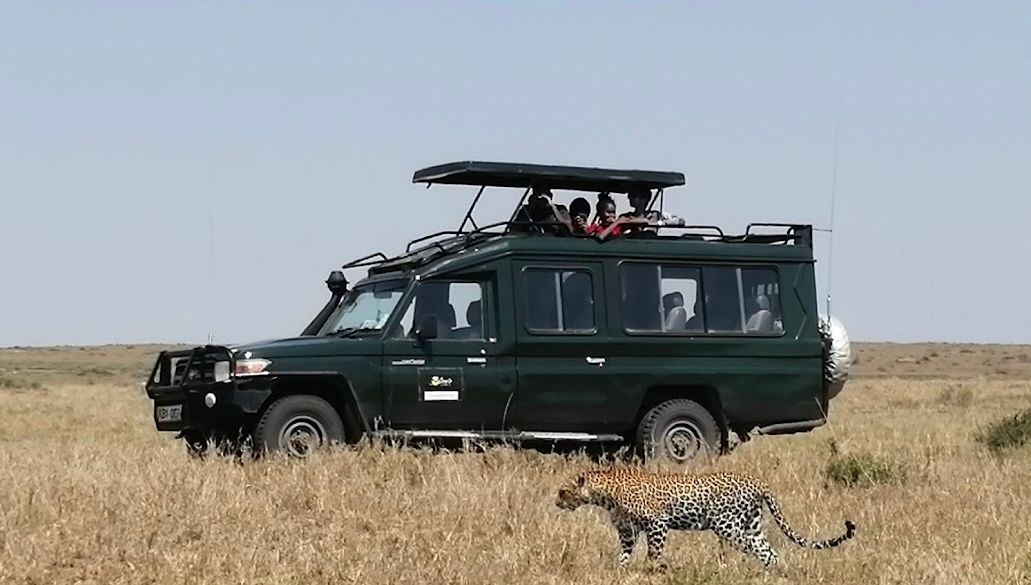
Tanzania's safari parks (Serengeti, Ngorongoro, Tarangire, Lake Manyara, Selous/Nyerere) are safe. You'll be with a professional guide at all times during game drives, and wildlife encounters are managed by experienced operators.
Key rules: Stay in your vehicle during game drives (unless specifically instructed otherwise by your guide on a walking safari). Don't feed animals. Follow your guide's instructions regarding distance from wildlife. Don't leave your tent or room at night in camps without an escort — nocturnal predators (hippos, hyenas, leopards) may be present in unfenced camps.
The actual risk: Traffic accidents during long drives between parks are statistically the biggest safety concern for safari-goers. Tanzania's roads — particularly the highways connecting Arusha to Serengeti and Ngorongoro — can be rough, and driving standards vary. Choose operators with good vehicles and professional drivers.
Our Day-trip to Serval Wildlife Reserve from Zanzibar is a supervised wildlife encounter between Kilimanjaro and Mount Meru, offering a safe alternative for travelers who want animal interaction without a multi-day safari commitment.
Zanzibar Safety
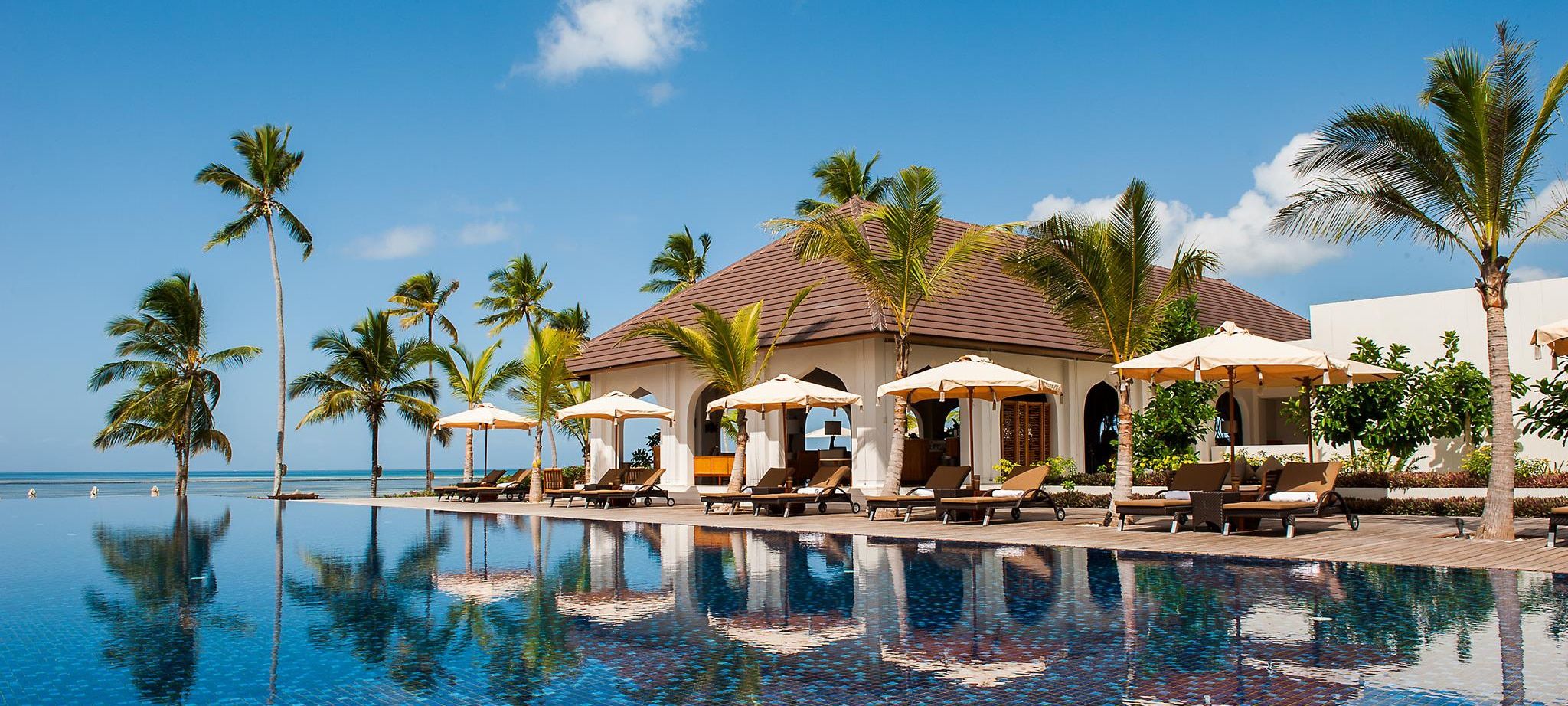
Zanzibar is generally safe for tourists and significantly calmer than mainland cities. The main safety considerations:
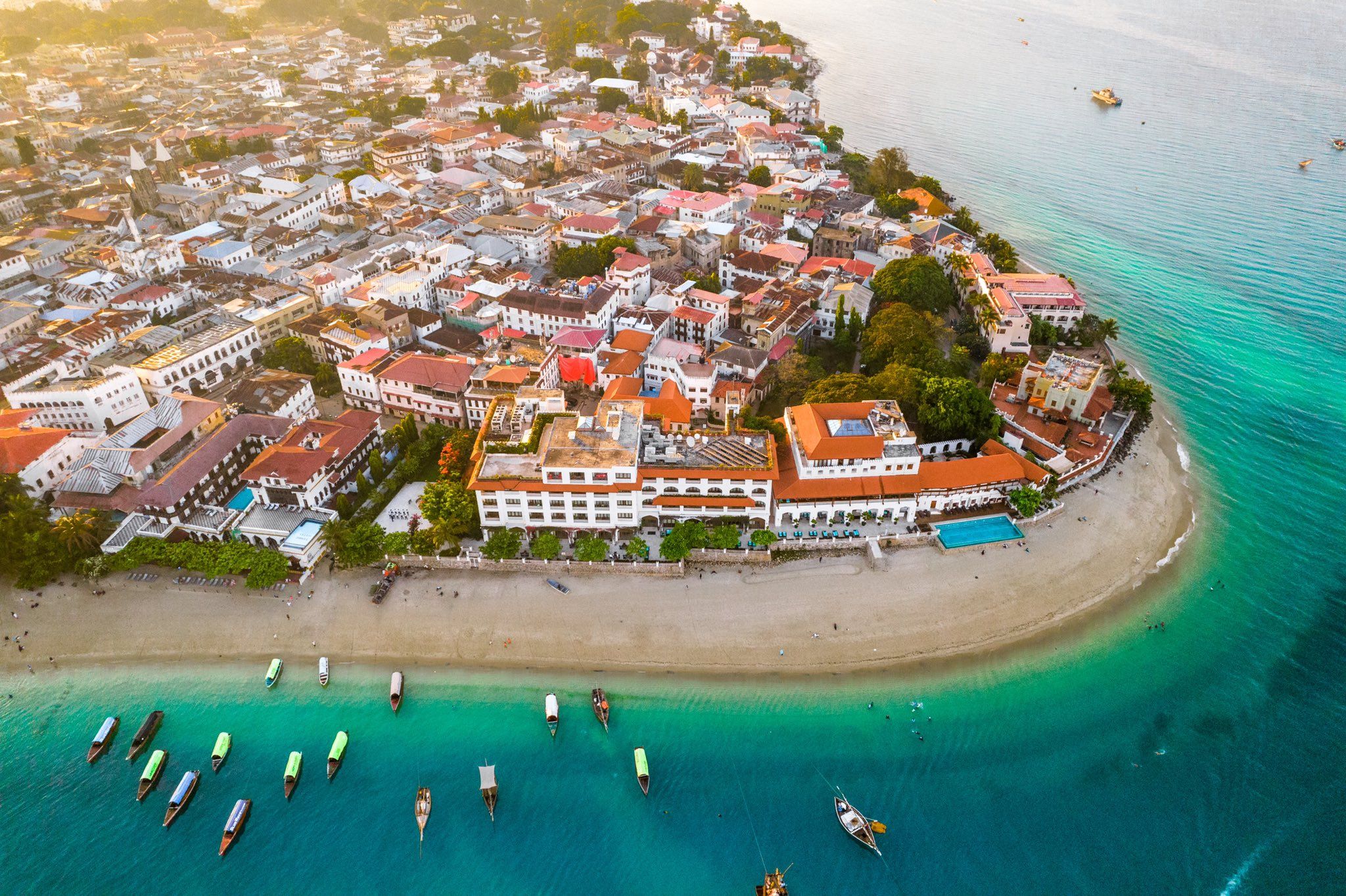
Stone Town: Petty theft (pickpocketing, bag snatching) occurs in crowded lanes and near the waterfront. The narrow, maze-like streets of the old town can feel disorienting at night — stick to well-lit, busy routes after dark or take a taxi.
Beach areas (Nungwi, Paje, Kendwa): Very safe. The resort areas are calm, and the biggest "risk" is persistent beach vendors trying to sell tours and souvenirs. A polite "hapana asante" (no thank you) works.
Swimming: Ocean currents can be strong, particularly on the east coast. Respect local advice about tides and currents. The east coast has dramatic tidal changes — don't swim far out during an incoming tide.
Hotel theft: Reports of items being stolen from hotel rooms (even while sleeping) exist, particularly at budget guesthouses. Use hotel safes, lock your room, and read recent reviews about security before booking.
Kilimanjaro Safety
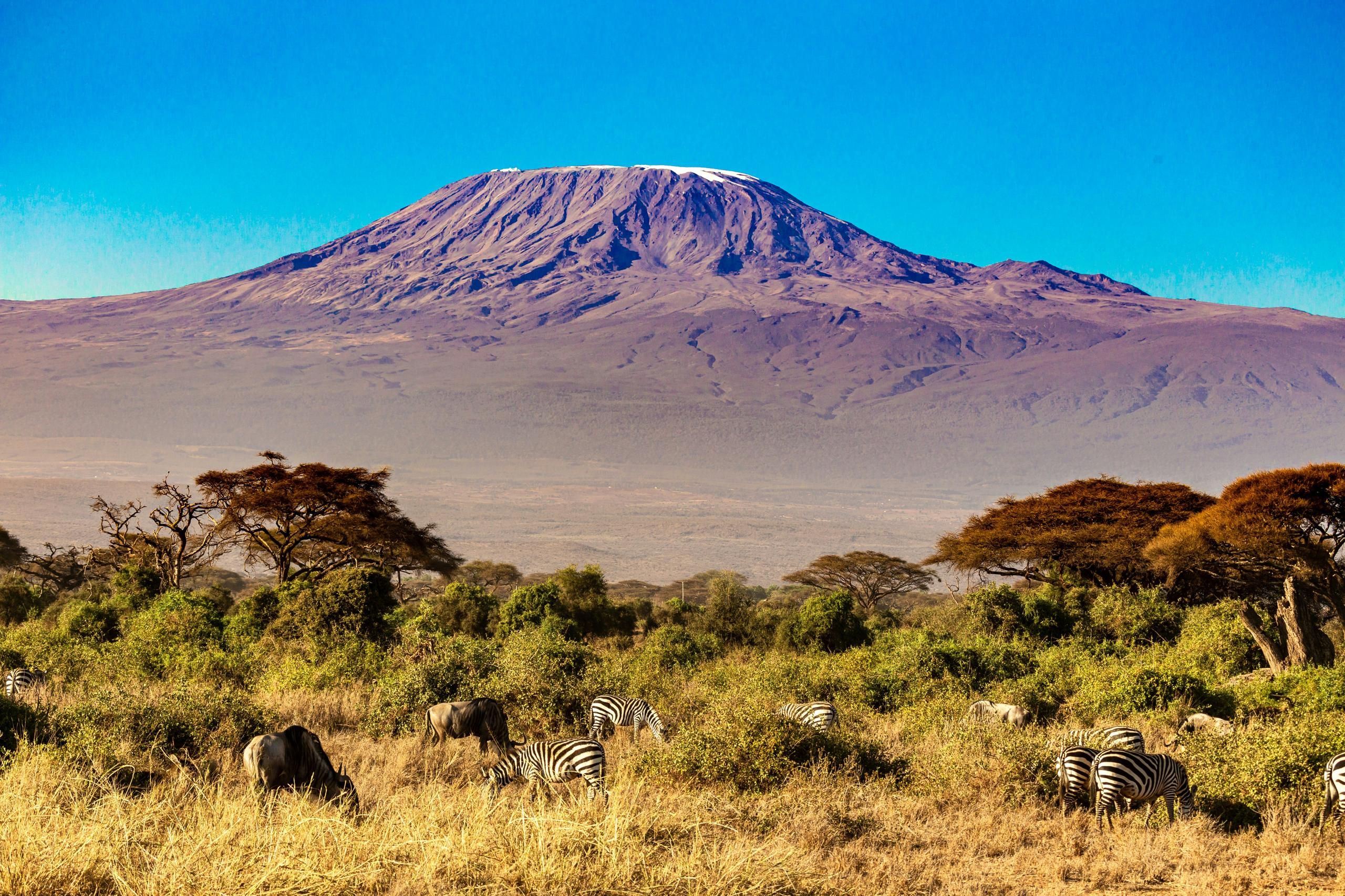
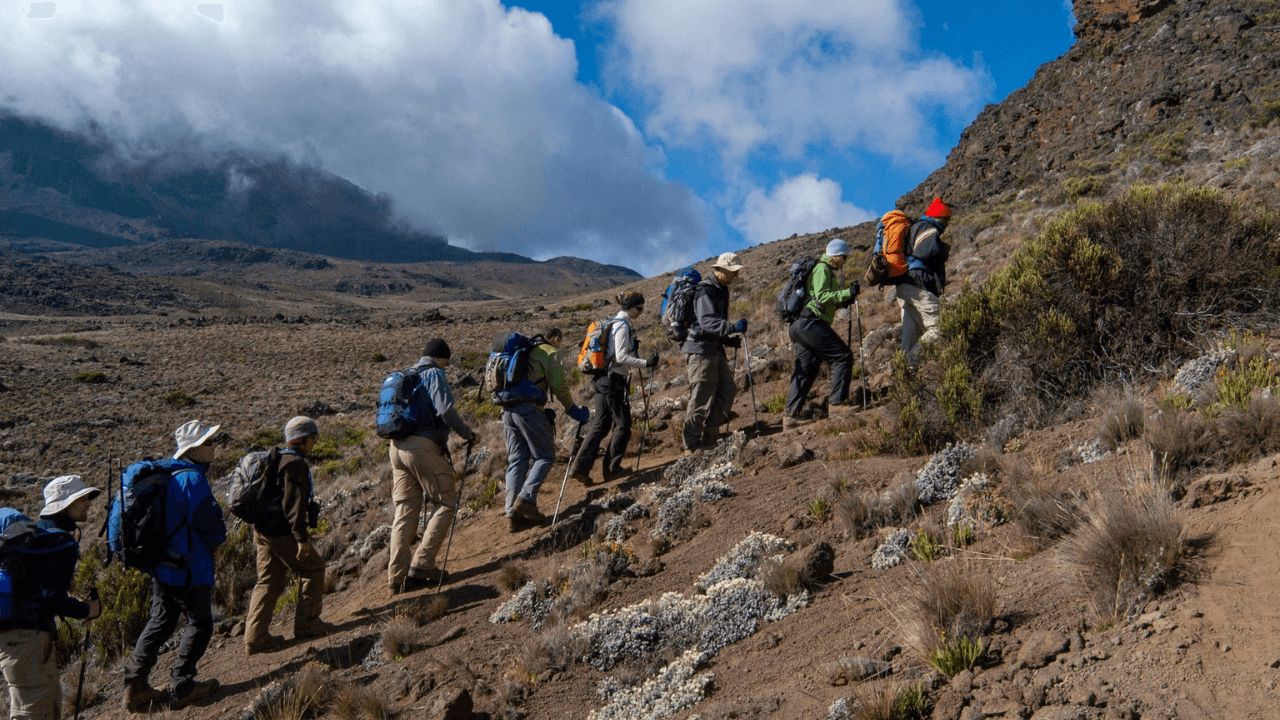
Climbing Mount Kilimanjaro is a physical challenge, not a security concern. The mountain has excellent infrastructure with well-established routes, mandatory guides, and porter teams. Over 50,000 people attempt the summit annually.
The real risk on Kilimanjaro is altitude sickness. At 5,895 meters, the summit is high enough to cause serious altitude-related illness. Choose a longer route (7-8 days) for better acclimatization, drink plenty of water, and listen to your guide if they advise turning back. Reputable operators monitor climbers' health throughout the trek.
Health Safety
Malaria
Tanzania is a malaria zone, including Zanzibar. Take antimalarial medication (Malarone or doxycycline are most common). Use insect repellent with DEET, sleep under mosquito nets, and wear long sleeves in the evening. Malaria is a real risk and should not be taken lightly.
Water and Food
Tap water is not safe to drink anywhere in Tanzania. Drink bottled water only (widely available). Ice in tourist-facing restaurants is generally made from purified water, but exercise caution at street stalls. Cooked food is safe; avoid raw salads and unpeeled fruit from street vendors if you have a sensitive stomach.
Vaccinations
Yellow fever vaccination is required if arriving from an endemic country. Recommended: hepatitis A, hepatitis B, typhoid, and routine vaccinations. Consult a travel health clinic 4-6 weeks before departure.
Medical Facilities
Dar es Salaam and Arusha have private hospitals with reasonable standards. Zanzibar's medical facilities are more limited. Safari areas and Kilimanjaro have basic medical support — evacuation by air to Nairobi (Kenya) is the protocol for serious emergencies. Comprehensive travel insurance with medical evacuation coverage is essential.
Safety for Women
Tanzania is generally safe for female travelers, including solo women. The country is culturally conservative, and modest dress (covering shoulders and knees) is both respectful and reduces unwanted attention, particularly outside resort/beach areas and especially on Zanzibar (a predominantly Muslim island).
Practical tips: Dress modestly in Stone Town and rural areas. Beach areas have relaxed standards. Avoid walking alone after dark in urban areas. Use organized transport for evening travel. Catcalling and persistent attention from men occur but rarely escalate beyond verbal interaction. A firm, polite response is usually sufficient.
LGBTQ+ Safety
Same-sex sexual activity is illegal in Tanzania, including Zanzibar (where penalties are more severe). LGBTQ+ travelers should exercise discretion — avoid public displays of affection and be cautious about disclosing orientation. While enforcement against tourists is extremely rare, the legal and social environment is not accepting.
Road Safety
Tanzania's roads are the most statistically dangerous aspect of travel in the country. Driving standards are erratic, vehicles may be poorly maintained, and road conditions outside major highways are challenging (potholes, unpaved surfaces, livestock on roads).
Recommendation: Do not self-drive in Tanzania if you're unfamiliar with the country. Use professional drivers through your safari operator or accommodation. For intercity travel, domestic flights (significantly safer than long drives) connect major destinations: Arusha, Serengeti, Zanzibar, Dar es Salaam.
Political and Social Stability
Tanzania is one of the more politically stable countries in East Africa. There are no active armed conflicts, and political transitions have been peaceful. Occasional demonstrations occur in Dar es Salaam — avoid any gatherings if they occur.
Zanzibar has its own semi-autonomous political dynamics, and tensions can arise around election periods. Check current advisories if traveling near election dates, but this rarely affects tourists.
Practical Safety Checklist
Before you go: Register with your embassy's travel notification system. Get vaccinations and antimalarials. Arrange travel insurance with medical evacuation. Download offline maps of your destinations. Share your itinerary with someone at home.
While there: Keep copies of your passport (digital and physical). Use hotel safes. Drink bottled water. Take malaria prophylaxis daily. Don't walk alone after dark in unfamiliar urban areas. Book reputable operators for safaris and Kilimanjaro climbs.
Emergency contacts: Tanzania police: 112 or 114. Tourist police in Arusha: available at the Cultural Heritage Centre. U.S. Embassy Dar es Salaam: +255 22 229 4000.
Explore all Tanzania experiences — from safari day trips and wildlife encounters to Zanzibar activities, all with vetted local hosts.
Frequently Asked Questions
Is Tanzania safer than Kenya?
Both countries have similar safety profiles for tourists. Tanzania has slightly lower rates of urban crime than Nairobi, but Kenya's tourist infrastructure (particularly in the Masai Mara) is more developed. Neither should cause safety concerns for a prepared traveler. Safari areas in both countries are safe.
Is Zanzibar safe for solo female travelers?
Yes, with standard precautions. Zanzibar is culturally conservative (Muslim majority), so modest dress outside beach areas is both respectful and practical. Stone Town requires more awareness than beach resort areas. Most solo female travelers report positive experiences, particularly when using established accommodation and organized activities.
Are there areas I should avoid?
The Tanzanian-Mozambican border region has occasional security advisories related to instability in northern Mozambique. The area around Lake Victoria's western shore near Burundi/DRC can have localized tensions. Standard tourist itineraries (northern circuit safaris, Zanzibar, Kilimanjaro, Dar es Salaam) are well away from any concern areas.
How do I avoid scam safari operators?
Book through a verified platform or operators with strong online reviews across multiple platforms. Red flags: prices dramatically below market rate, requests for cash-only payment, no physical office in Arusha or Dar es Salaam, and inability to provide references. A quality 7-day safari should cost at least $200/person/day — anything significantly below that is cutting dangerous corners.