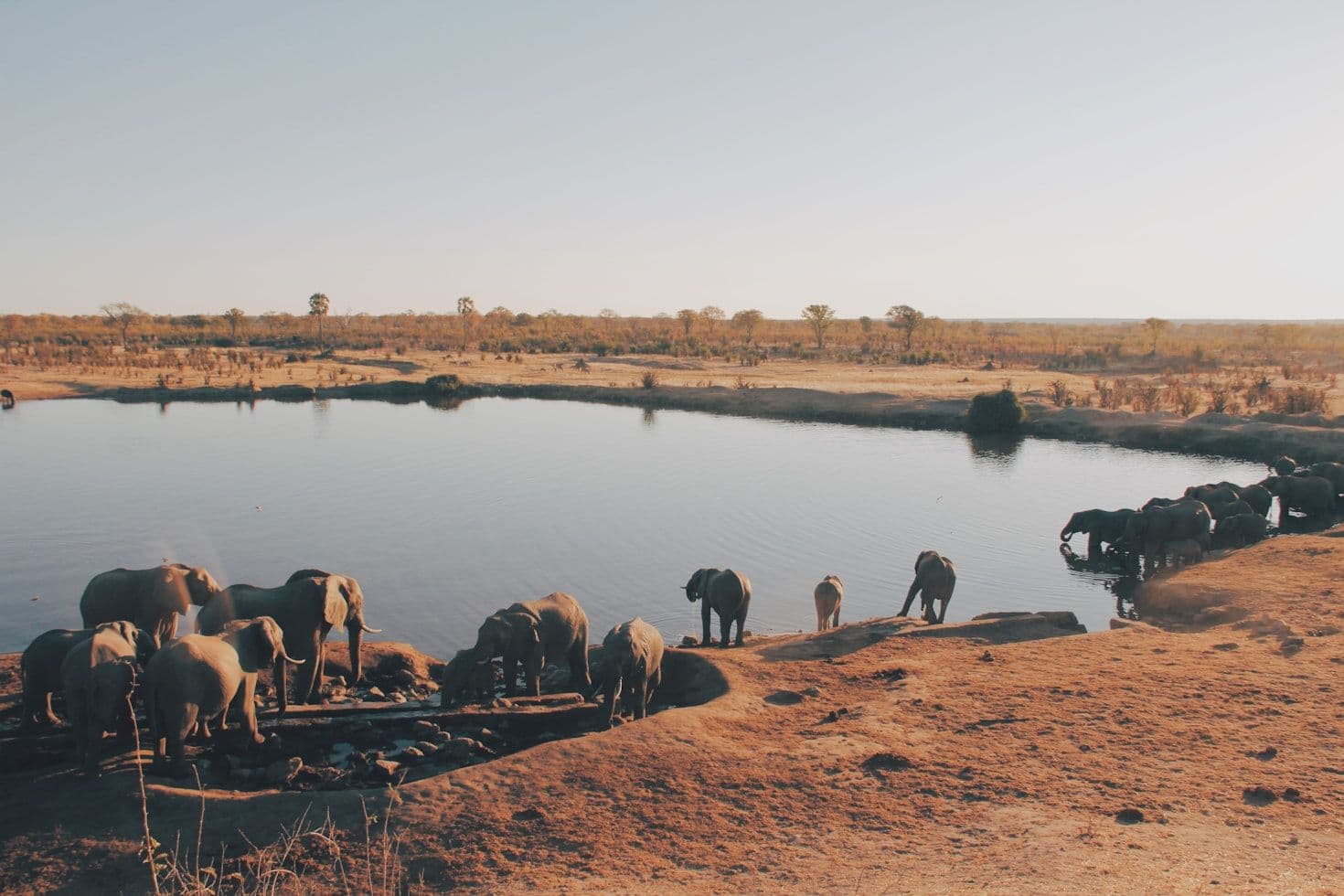
Hwange is Zimbabwe's largest national park — 14,650 square kilometers of savannah, woodland, and Kalahari sandveld supporting one of the highest concentrations of wildlife in Africa. The park is home to over 100 mammal species and 400 bird species, including some of Africa's largest elephant herds, thriving populations of wild dogs (one of the continent's most endangered predators), and the full suite of big cats.
Despite this, Hwange receives a fraction of the visitors that the Masai Mara, Serengeti, or Kruger attract. For travelers who want world-class game viewing without the crowds, Hwange is arguably the best-value major safari destination in Africa.
Why Hwange Is Underrated
Zimbabwe's tourism industry suffered during the country's political and economic turbulence in the 2000s. While the country has stabilized significantly and tourism infrastructure has been rebuilt, the reputational damage lingers — many travelers still bypass Zimbabwe entirely, heading to neighboring Botswana or South Africa instead.
This is good news for those who do visit. Hwange's wildlife is extraordinary, its guides are among the best-trained in Africa (Zimbabwe's guiding standards are legendarily rigorous), and the visitor numbers remain low enough that you'll rarely share a sighting with more than one or two other vehicles.
What You'll See
Elephants
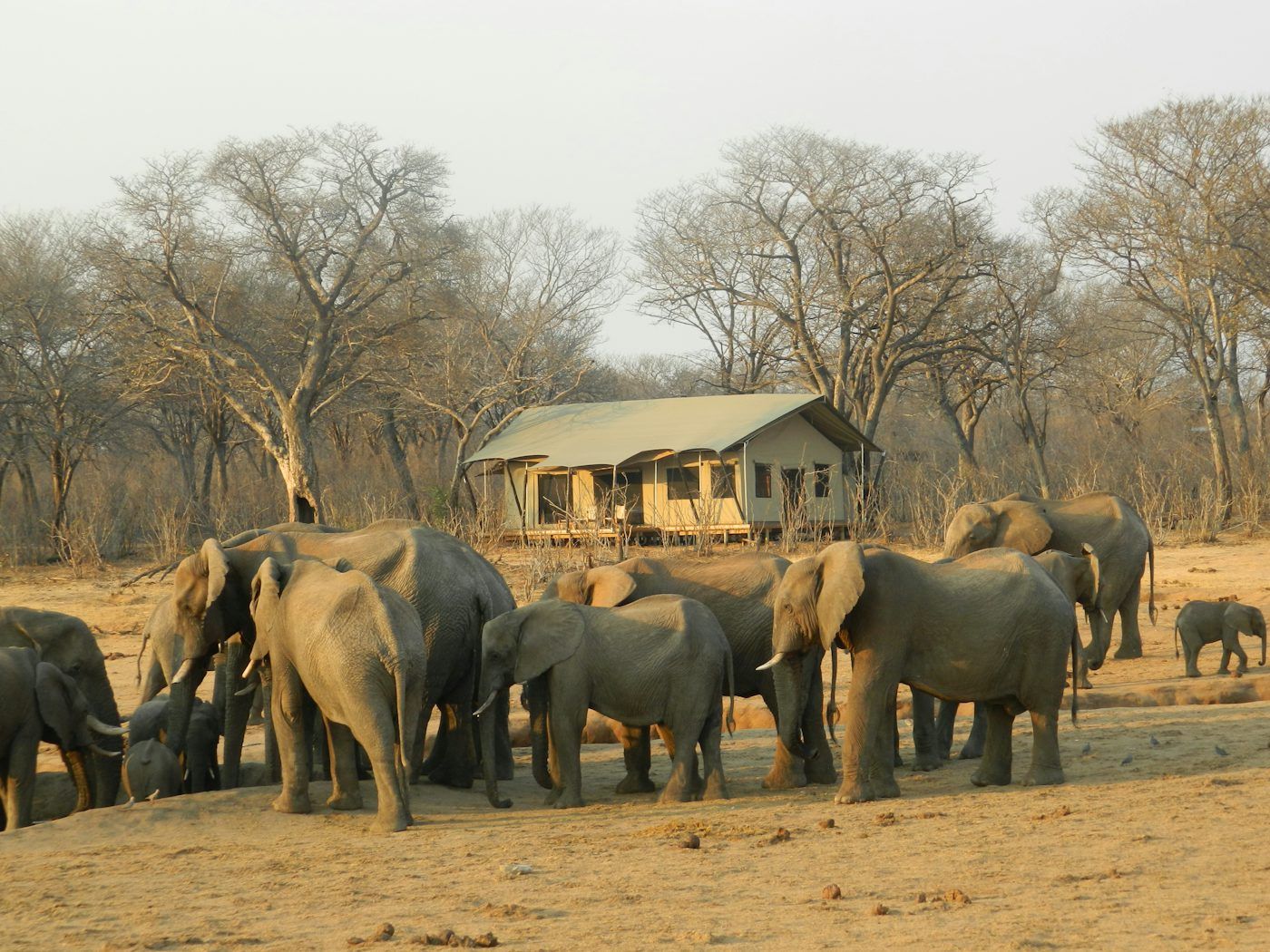
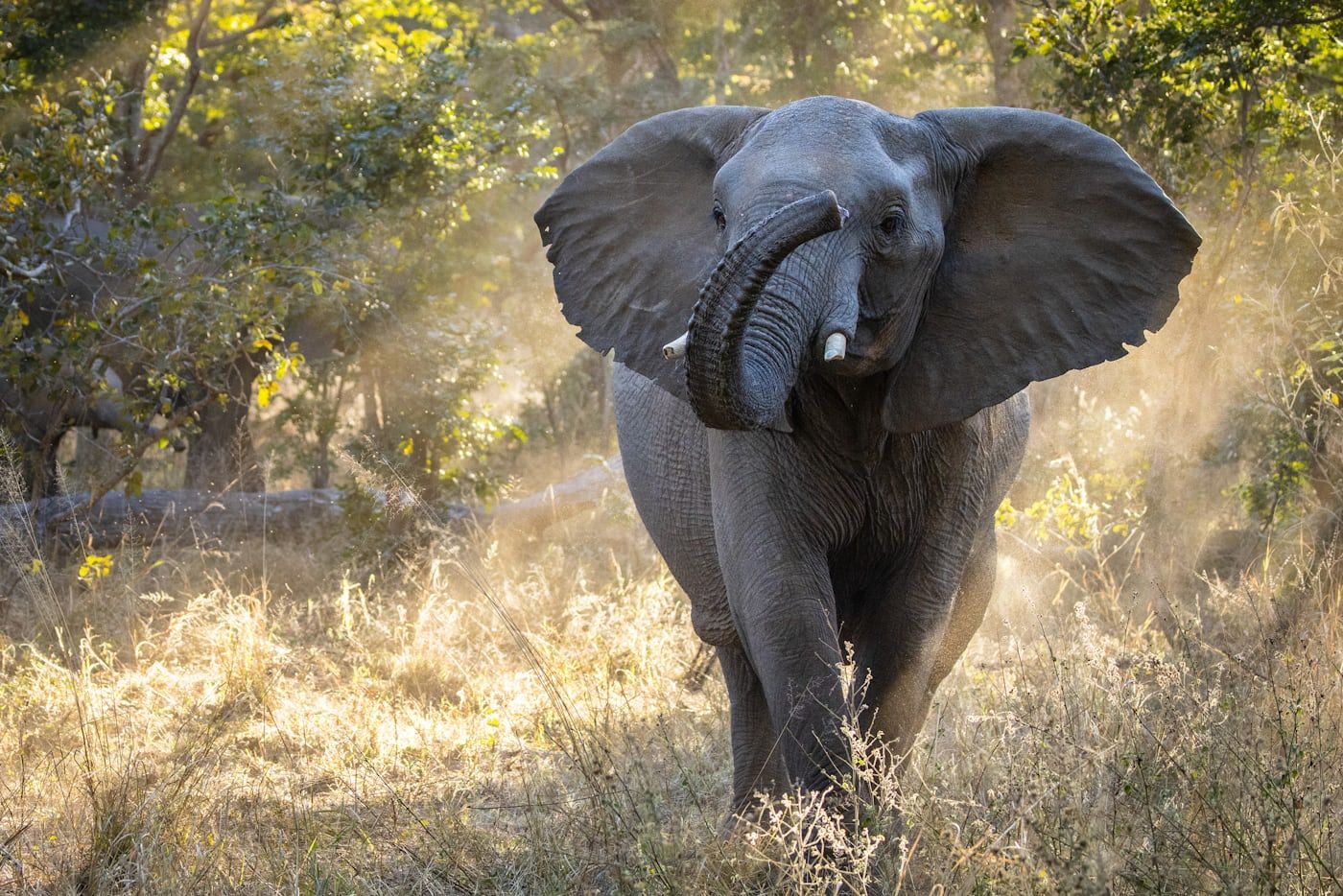
Hwange's elephant population is estimated at 40,000-50,000 — one of the largest in Africa. During the dry season (July-October), herds of hundreds gather at the park's artificial waterholes (pumped by solar and wind power), creating scenes of almost overwhelming abundance. Watching 200+ elephants drink, bathe, and interact at a single waterhole is a Hwange signature experience.
Wild Dogs (Painted Wolves)
Hwange has one of the healthiest wild dog populations in Africa. These endangered, highly social predators are notoriously difficult to find in most safari destinations, but Hwange's guides have deep knowledge of pack movements. Sightings aren't guaranteed, but your chances here are better than almost anywhere else.
Big Cats
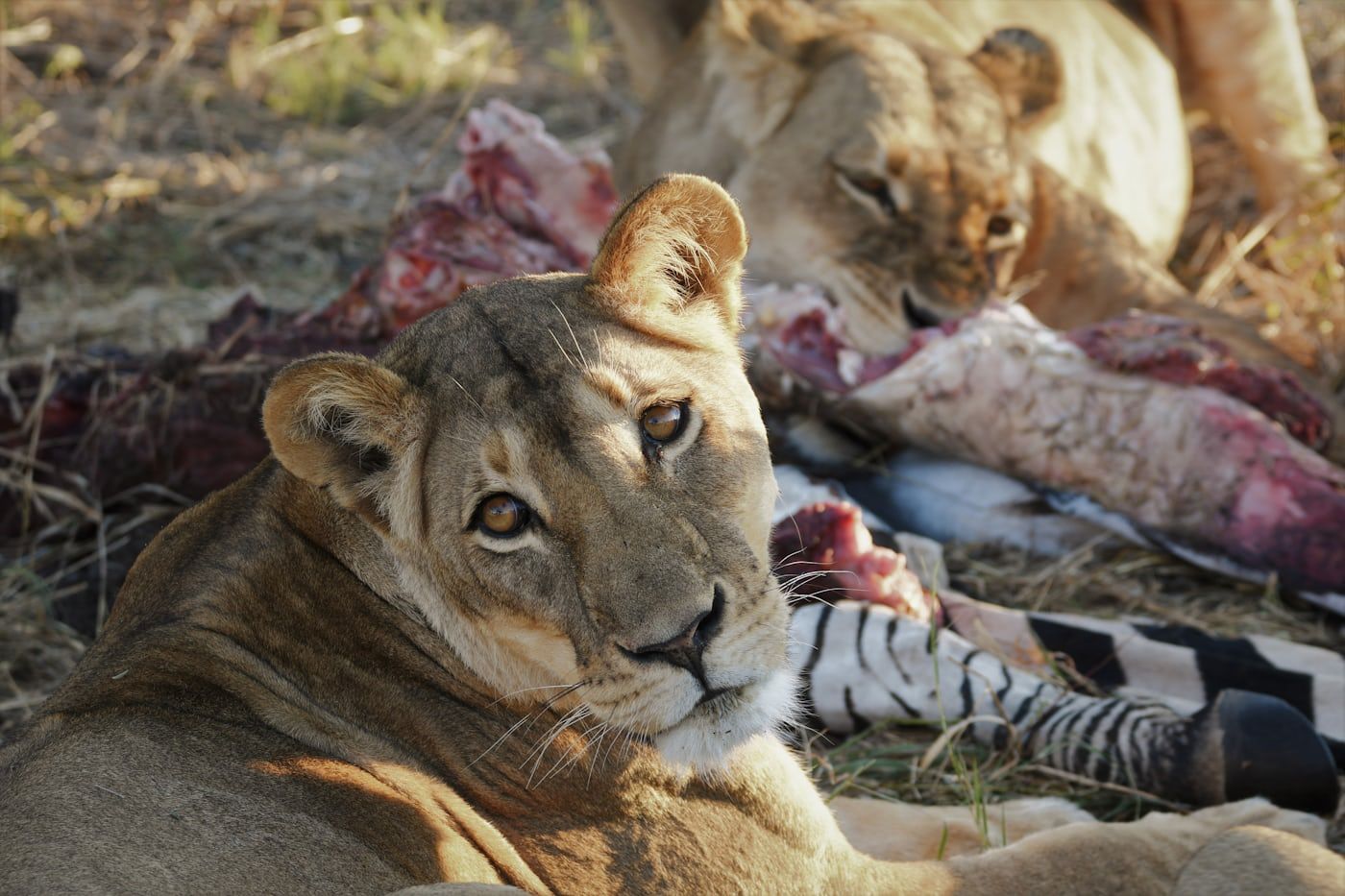
Lion prides, leopards, and cheetahs all inhabit Hwange. The Ngamo and Kennedy pan areas are particularly productive for lion sightings. Leopards are more elusive but present. Cheetahs frequent the open grassland areas in the east of the park.
Other Wildlife
Sable antelope, roan antelope (both rare species hard to find elsewhere), buffalo, giraffe, zebra, kudu, hyena, and impressive birdlife including martial eagles, secretary birds, and ground hornbills.
How to Visit Hwange
Getting There
From Victoria Falls: 2-3 hours by road (approximately 200 km). This makes Hwange an easy addition to a Victoria Falls visit — and it's the most common combination. Many operators offer 2-3 day Hwange extensions from Victoria Falls.
From Bulawayo: 3.5 hours by road (approximately 300 km). Bulawayo, Zimbabwe's second city, has international flight connections and is another viable gateway.
By air: Small charter flights land at airstrips within the park. Some luxury camps include fly-in transfers from Victoria Falls.
Self-Drive vs Guided
Self-drive is possible in Hwange (unlike many East African parks). The main roads are accessible to 2WD vehicles in dry season, and NPA (National Parks) camps provide affordable accommodation. Self-drivers miss the expertise of professional guides, however — and in a park this large, local knowledge makes a significant difference.
Guided safaris with professional operators are recommended. Zimbabwe's guides undergo some of the most rigorous training in Africa (FGASA Level 3 equivalent), and their tracking skills, wildlife knowledge, and storytelling ability elevate the experience enormously.
Where to Stay
National Parks camps (budget): Sinamatella, Robins, and Main Camp offer basic but functional accommodation — chalets, campsites, and basic cooking facilities. Rates from $20-$50/night. Book through Zimbabwe Parks and Wildlife Management Authority.
Private concession lodges (mid-range to luxury): Lodges like Somalisa, Davison's Camp, The Hide, Nehimba, and Camp Hwange operate on private concessions within or bordering the park. They offer guided game drives, walking safaris, night drives (not allowed in the main park), and high-quality accommodation. Rates range from $300-$1,000/person/night all-inclusive.
The sweet spot: Mid-range private lodges ($300-$500/night) deliver outstanding guiding, comfortable accommodation, and exclusive concession access at prices that would be 50-100% higher in Botswana's Okavango Delta for a comparable experience.
When to Visit
Best months: July-October (dry season). As water becomes scarce across the landscape, animals concentrate at the park's 60+ pumped waterholes. The concentration effect creates spectacular game viewing. October is the most intense — temperatures are high but the wildlife density is at its peak.
Green season (November-April): The park transforms into a lush green landscape with migratory birds and newborn animals. Wildlife disperses from waterholes (harder to find), but the scenery is beautiful and prices drop significantly. Rates at private lodges can be 30-50% lower than peak season.
Avoid: The heart of the rainy season (January-February) makes some roads impassable. Some camps close during this period.
Sample Itinerary: Victoria Falls + Hwange
| Day | Location | Highlights |
|---|---|---|
| 1 | Arrive Victoria Falls | See the falls, settle in |
| 2 | Victoria Falls | Activities: helicopter, sunset cruise, or rafting |
| 3 | Victoria Falls → Hwange | Morning transfer, afternoon game drive |
| 4 | Hwange | Full-day game drives, waterhole viewing |
| 5 | Hwange | Morning walking safari, afternoon game drive |
| 6 | Hwange → Victoria Falls / Depart | Morning game drive, transfer back |
This 6-day combination gives you the best of both destinations. A 4-Day Ultimate Victoria Falls & Livingstone Adventure covers the Victoria Falls portion; Hwange can be added as a 2-3 day extension.
Hwange vs Other Safari Parks
| Hwange | Kruger (SA) | Masai Mara (Kenya) | Chobe (Botswana) | |
|---|---|---|---|---|
| Size | 14,650 km² | 19,485 km² | 1,510 km² | 10,566 km² |
| Crowds | Very low | Moderate-high | High (peak season) | Moderate |
| Self-drive | Yes (dry season) | Yes (excellent) | Possible | Yes |
| Daily cost (mid-range) | $200-$500 | $150-$400 | $300-$600 | $300-$800 |
| Elephants | 40,000+ | 17,000+ | ~2,500 | 120,000+ |
| Wild dogs | Excellent | Good | Rare | Good |
| Guide quality | Outstanding | Good-excellent | Good-excellent | Good-excellent |
Browse all Zimbabwe experiences and things to do in Livingstone for combining both destinations.
Frequently Asked Questions
Is Zimbabwe safe for tourists?
Yes. Zimbabwe's tourist areas (Victoria Falls, Hwange, Matobo Hills, Eastern Highlands) are safe and well-managed. The country's political and economic challenges are real but largely don't affect tourist experiences. Crime against tourists is uncommon. The people are famously welcoming and the guiding standards are world-class.
How does Hwange compare to Botswana's parks?
Wildlife quality is comparable. Hwange's elephant concentrations rival Chobe's, and its wild dog populations rival the Okavango's. The main difference is cost: Hwange's private lodges cost 30-50% less than equivalent properties in Botswana. Botswana offers more exclusive, water-based experiences; Hwange offers classic savannah safari at better value.
Can I combine Hwange with Botswana?
Yes. Hwange is close to the Botswana border (Kazungula crossing near Kasane). A common combination: 2-3 days Hwange + Victoria Falls + 2-3 days Chobe. This gives you two countries and three iconic destinations in a week.
Do I need a visa for Zimbabwe?
Most nationalities can obtain a visa on arrival or through the eVisa portal. US citizens pay $30 for a single-entry visa. The KAZA UniVisa ($50) covers both Zimbabwe and Zambia — ideal if combining with Victoria Falls.