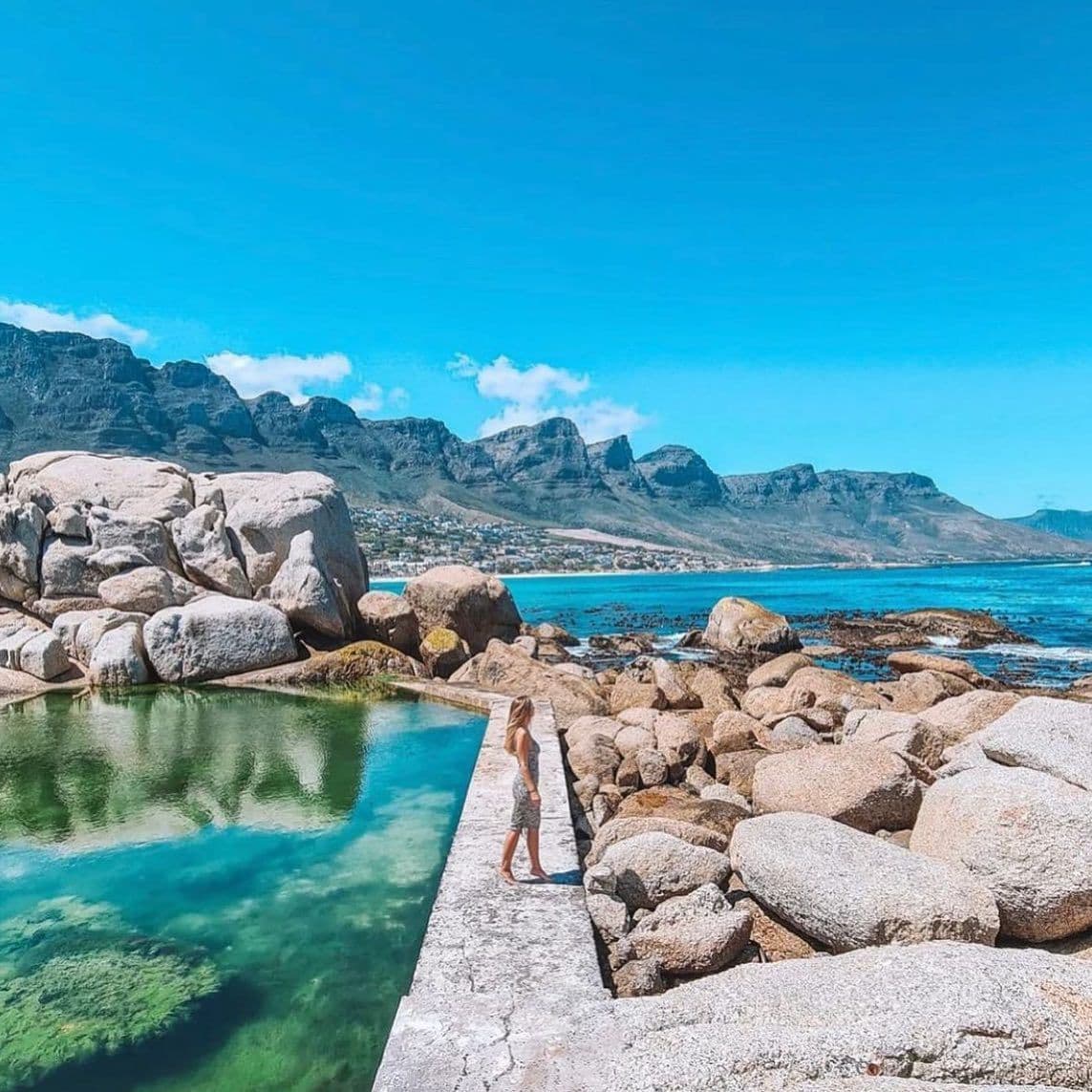
Cape Town is one of the world's great cities — a place where a flat-topped mountain looms over a coastline of white beaches, world-class vineyards sit 30 minutes from the city center, and penguins waddle along the shore at the southern tip of Africa. In three days, you can experience all of this without rushing.
This itinerary balances Cape Town's must-sees with enough flexibility for spontaneity. It works year-round, though the specifics shift slightly by season.
Day 1: Table Mountain, City Bowl & Bo-Kaap
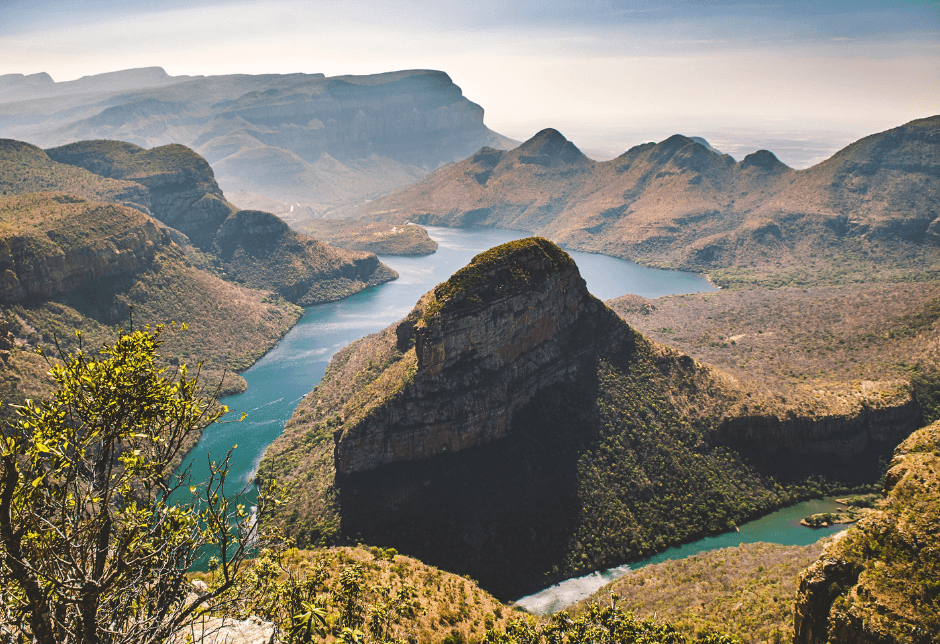
Morning: Table Mountain
Start with Cape Town's defining landmark. The aerial cableway takes 5 minutes to reach the summit (1,085 meters), where flat-topped walking paths offer 360-degree views over the city, ocean, and surrounding mountains.
Timing: Go first thing in the morning (cableway opens at 8:00 or 8:30 AM depending on season). The mountain frequently clouds over by mid-morning ("the tablecloth"), and the cableway closes in high winds. Morning gives you the best chance of clear views.
Alternative: Hike up via Platteklip Gorge (1.5-2 hours, steep but straightforward) and take the cableway down. This is the most direct hiking route and gives a real sense of the mountain's scale.
Cost: Cableway round trip approximately R400 (~$22). Hiking is free. Book cableway tickets online to skip queues.
Afternoon: City Bowl Walking Tour
Walk through Cape Town's compact city center. Key stops:
Company's Garden — a peaceful park dating to 1652 when the Dutch East India Company established a vegetable garden to supply passing ships. Now filled with old trees, squirrels, and museums.
Bo-Kaap — the photogenic neighborhood of brightly colored houses on the slopes of Signal Hill. This is the historic Malay Quarter, home to Cape Town's Muslim community since the 1700s. The cobblestone streets and mosques make for excellent walking and photography.
Greenmarket Square — an open-air market selling African crafts, clothing, and art. Good for souvenirs and people-watching.
Evening: Sunset at Signal Hill or Lion's Head
Signal Hill is a 10-minute drive from the city center and offers stunning sunset views over the Atlantic, with Table Mountain as the backdrop. Bring a picnic and a bottle of local wine.
For the more ambitious: hike Lion's Head (1-1.5 hours to the summit). The trail includes some chain-assisted scrambling near the top and rewards with the best sunset panorama in Cape Town.
Day 2: Cape Peninsula & Penguins
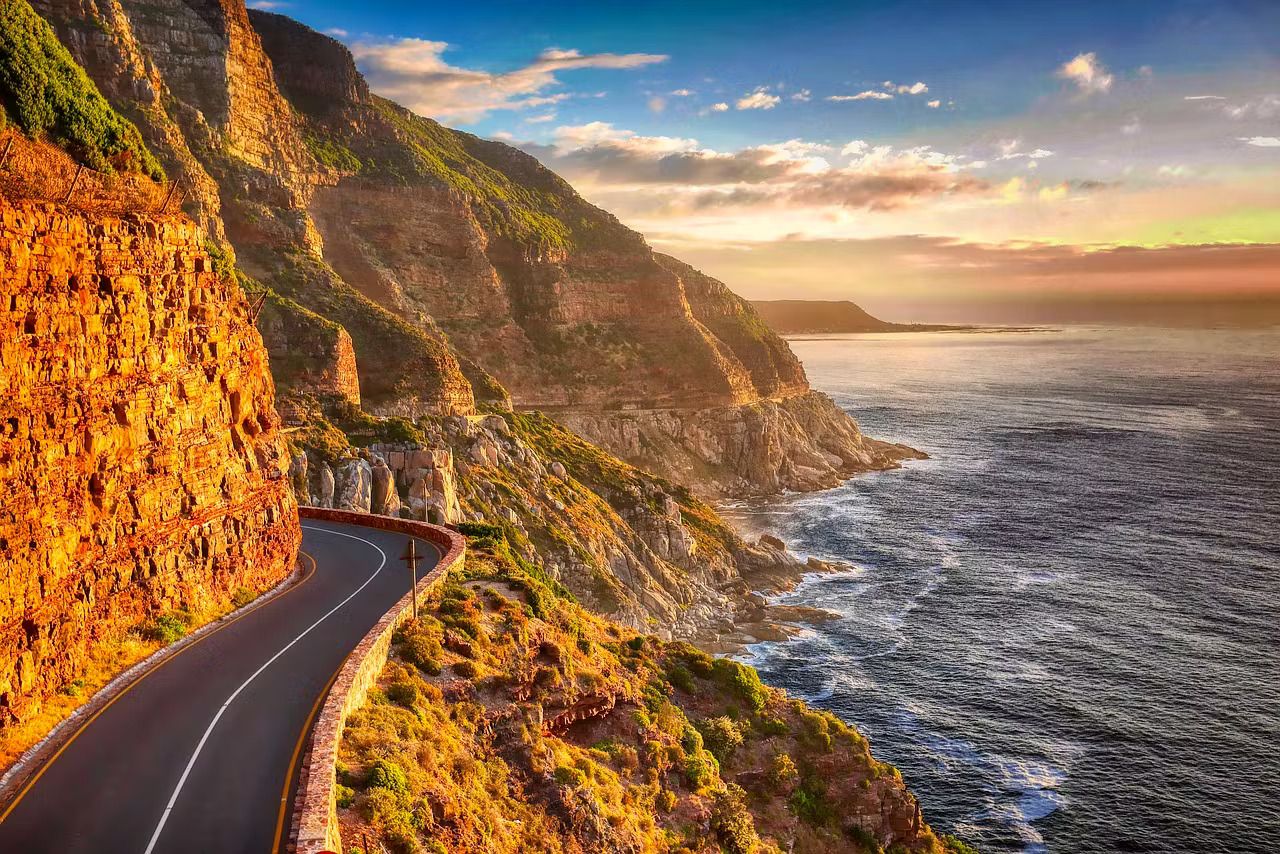
Full Day: The Cape Peninsula Drive
This is Cape Town's best day trip — a circular drive along one of the world's most scenic coastal roads, taking in beaches, wildlife, and the southwestern tip of Africa.
Route: City center → Hout Bay → Chapman's Peak Drive → Cape Point → Boulders Beach → Simon's Town → Kalk Bay → City center.
Key Stops
Chapman's Peak Drive — a 9-kilometer road carved into the cliff face between Hout Bay and Noordhoek. One of the most dramatic coastal drives anywhere. Toll road (R52/~$3). Stop at the viewpoints.
Cape of Good Hope / Cape Point — the southwestern tip of the continent (not technically the southernmost point — that's Cape Agulhas). Hike to the old lighthouse at Cape Point (30 minutes) for dramatic cliff views where the Atlantic and Indian Oceans collide. The funicular runs if you prefer not to hike.
Boulders Beach — home to a colony of approximately 3,000 African penguins. Boardwalks wind through the colony, and you can swim on the adjacent beach alongside penguins waddling in the shallows. Entry approximately R176 (~$10). This is a unique wildlife experience — African penguins exist only in southern Africa.
Simon's Town — a charming naval town with Victorian architecture, waterfront restaurants, and a small-town atmosphere. Good for lunch.
Kalk Bay — a bohemian fishing village with independent bookshops, galleries, cafés, and a working harbor where fishing boats land the day's catch. The Brass Bell and the Harbour House are excellent for seafood with ocean views.
Time: Allow a full day (8-10 hours) for the peninsula loop. Start by 8:30 AM to avoid crowds at Cape Point.
Day 3: Winelands or Waterfront & Robben Island

You have two excellent options for your final day — choose based on your interests.
Option A: Stellenbosch & the Winelands
The Cape Winelands are 45 minutes from central Cape Town and produce some of the world's finest wines — particularly Chenin Blanc, Pinotage, and Cabernet Sauvignon blends.
Stellenbosch is the most accessible wine town — a beautiful university town with Cape Dutch architecture, oak-lined streets, and dozens of wine estates within a short drive. Most estates offer tastings ($5-$15) with cheese or chocolate pairings.
Franschhoek (30 minutes beyond Stellenbosch) is the culinary capital of South Africa — some of the country's best restaurants are here, set against a backdrop of mountains and vineyards.
Getting there: Self-drive, Uber, or organized wine tour. Don't drink and drive — wine tour shuttles and designated drivers are widely available and affordable.
Option B: V&A Waterfront + Robben Island
Robben Island — the prison where Nelson Mandela spent 18 of his 27 years of imprisonment. The ferry from the V&A Waterfront takes 30 minutes, and guided tours are led by former political prisoners — making this one of the most powerful museum experiences in the world.
Book well in advance — tours sell out, especially in peak season. Ferries depart 3-4 times daily. Allow 3.5 hours for the complete experience (ferry + island tour + ferry return).
V&A Waterfront — Cape Town's waterfront development has restaurants, shops, the Zeitz Museum of Contemporary Art Africa (MOCAA, in a converted grain silo — architecturally stunning), the Two Oceans Aquarium, and harbor views. It's touristy but well-executed and a pleasant place to spend an afternoon.
Where to Eat

Cape Town's food scene is outstanding and affordable by international standards.
The Test Kitchen (Woodstock) — one of Africa's most celebrated restaurants. Book months ahead.
Harbour House (Kalk Bay) — seafood with ocean views. The setting is as memorable as the food.
The Pot Luck Club (Woodstock) — tapas-style sharing plates with city views from the top of the Old Biscuit Mill.
Mzansi Restaurant (city center) — authentic South African cuisine: bunny chow, bobotie, boerewors. An accessible introduction to local food.
Old Biscuit Mill (Woodstock) — Saturday morning food market with dozens of stalls. The best single food experience in Cape Town.
Practical Tips
Getting around: Uber and Bolt work excellently in Cape Town and are affordable. Renting a car is ideal for the Peninsula drive and Winelands. MyCiti bus system covers the central corridor and airport.
Safety: Cape Town has real safety considerations. Tourist areas (Waterfront, city center, Atlantic Seaboard, Camps Bay, wine country) are well-policed and safe. Avoid walking alone in isolated areas after dark. Don't leave valuables visible in your car. Use common sense, and you'll be fine.
When to visit: November-March (summer) for beach weather and longest days. April-May and September-October for fewer crowds and pleasant temperatures. June-August (winter) for whale watching (Hermanus), dramatic skies, and lower prices — but expect rain.
Budget: Cape Town is excellent value. Restaurant meals $10-$25 at mid-range venues. Wine tastings $5-$15. Uber across the city $5-$10. Accommodation ranges widely: $30/night (hostels) to $500+/night (boutique hotels in Camps Bay).
Explore other South Africa experiences for guided tours, activities, and day trips in and around Cape Town.
Frequently Asked Questions
Is 3 days enough for Cape Town?
Three days covers the essential highlights well. Five to seven days allows you to add the Winelands as a full day (not just a half-day), explore more neighborhoods (Woodstock, Camps Bay, Constantia), and take day trips to Hermanus for whale watching or further afield.
What if Table Mountain is clouded over?
This happens frequently. Check the webcam at the cableway website before heading up. If it's cloudy on Day 1, swap your itinerary — do the Peninsula drive instead and try Table Mountain on another morning. The mountain often clears by early afternoon as well.
Is Cape Town safe?
Tourist areas are safe with standard precautions. Cape Town's crime reputation relates primarily to gang violence in specific townships — areas that tourists have no reason to visit. The Waterfront, city center, Atlantic Seaboard, Southern Suburbs, and Winelands are well-managed and busy with visitors year-round.
Should I rent a car?
Highly recommended for the Peninsula drive (Day 2) and the Winelands (Day 3 Option A). Day 1 works fine with Uber alone. Driving is on the left (same as UK). Traffic on the N2 highway can be heavy during rush hours.