
At-a-Glance: 7-Day Morocco Route Summary
Day 1 – Marrakech Arrival & First Impressions: Arrive in Marrakech, transfer to the Medina or Gueliz, and experience Djemaa el-Fna and the Koutoubia Mosque.
Day 2 – Marrakech Culture & Souks: Explore Bahia Palace, Saadian Tombs, Jardin Majorelle, and the historic souks of Marrakech.
Day 3 – High Atlas Mountains & Kasbahs: Cross the High Atlas Mountains and visit Ait Benhaddou before overnighting in Ouarzazate.
Day 4 – Valleys & Gorges Route: Travel through Skoura Oasis, Dades Gorges, and Todra Gorge en route toward the desert.
Day 5 – Sahara Desert Experience: Reach Merzouga, trek by camel across Erg Chebbi dunes, and sleep in a desert camp.
Day 6 – Desert to Imperial City: Journey from Merzouga to Fes via Ziz Valley, Midelt, and Ifrane.
Day 7 – Fes Medina & Departure: Explore Fes el-Bali, historic tanneries, madrasas, and depart from Fes or return to Marrakech.
A 7-day Morocco itinerary provides an immersive experience for first-time visitors, blending vibrant cities, dramatic mountain landscapes, and the unforgettable Sahara Desert. This best route for first-timers typically begins in Marrakech, crosses the High Atlas Mountains, explores historic kasbahs and valleys, culminates in a desert camping experience, and concludes in the imperial city of Fes. It offers a balanced introduction to Morocco’s culture, geography, and pace of travel, especially for visitors following a structured Morocco itinerary by region.
Day 1: Arrival in Marrakech – The Red City Beckons
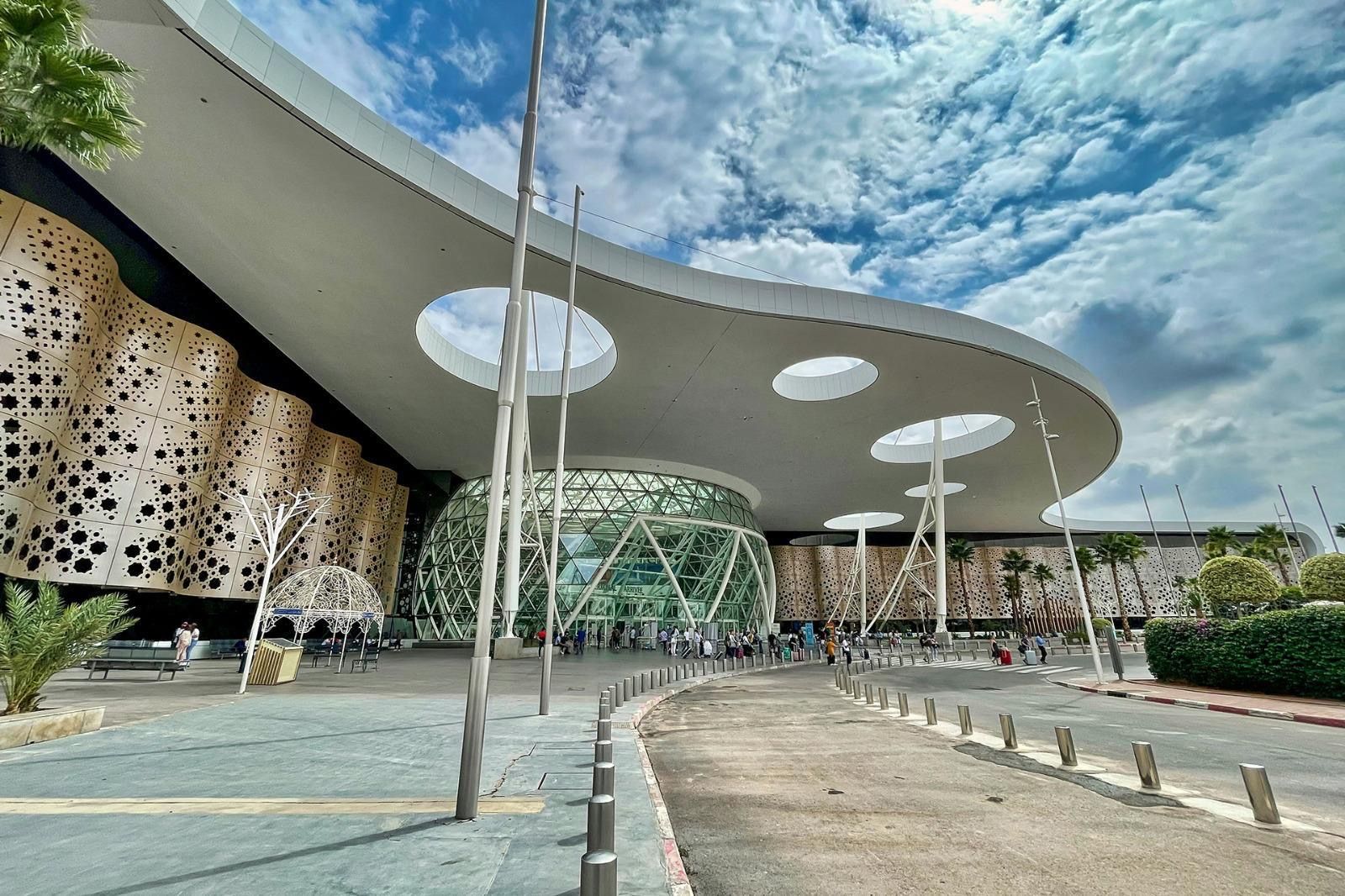
Marrakech is an imperial city in western Morocco, known for its palaces, gardens, mosques, and lively public squares. The best time to visit Marrakech is spring (March–May) or autumn (September–November) when temperatures are comfortable for walking. It is best for culture lovers, foodies, and first-time visitors, with 2–3 full days recommended overall.
Djemaa el-Fna: The main square in Marrakech and a UNESCO World Heritage site, known for its performers, food stalls, and nightly transformation. Best time to visit: sunset and evening. Best for: cultural immersion and street food. Time needed: 1–2 hours.
Koutoubia Mosque: Marrakech’s largest mosque and most recognizable landmark, visible from much of the city. Best time to visit: daytime for photography. Best for: architecture appreciation and orientation. Time needed: 30 minutes.
Day 2: Marrakech Exploration – Palaces, Gardens, and Souks
Bahia Palace: A 19th-century palace showcasing Moroccan craftsmanship through courtyards, zellij tilework, and carved ceilings. Best time to visit: early morning. Best for: history and architecture enthusiasts. Time needed: 2–3 hours.
Saadian Tombs: Royal burial grounds from the 16th century, rediscovered in 1917. Best time to visit: early morning to avoid queues. Best for: history and Islamic art lovers. Time needed: 1–2 hours.
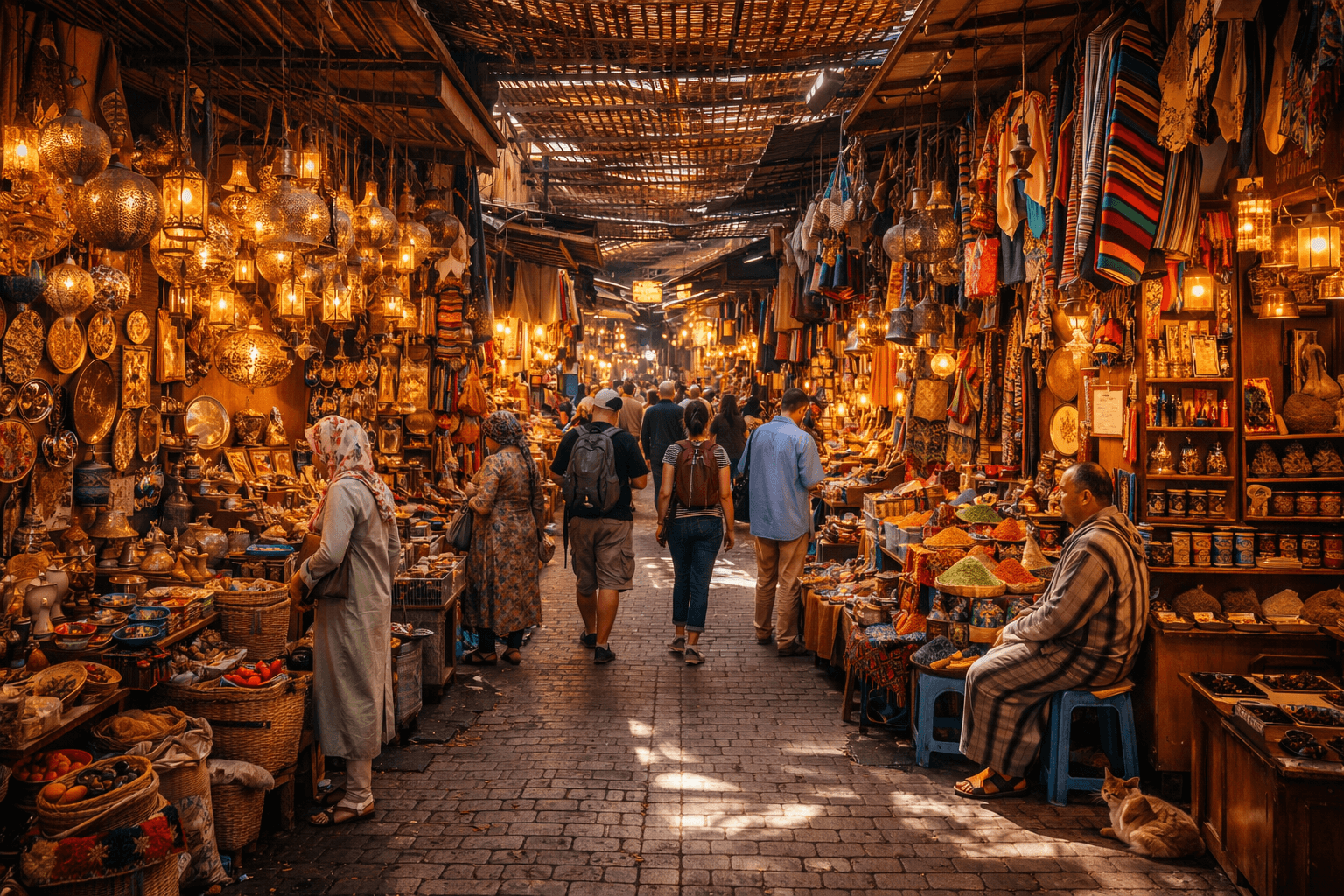
Marrakech Souks: A maze of traditional markets selling spices, textiles, leather goods, and metalwork. Best time to visit: late morning or afternoon. Best for: shopping and cultural encounters. Time needed: 2–3 hours.
Day 3: High Atlas Mountains & Ait Benhaddou – Ancient Fortifications
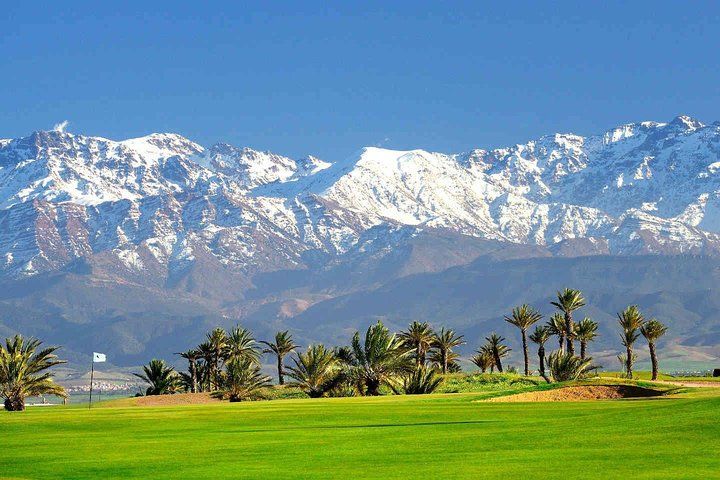
Day 3 transitions from city to countryside, taking you across the High Atlas Mountains toward southern Morocco.
High Atlas Mountains (Tizi n’Tichka Pass): A scenic mountain route connecting Marrakech to Ouarzazate. Best time to visit: spring and autumn. Best for: photography and panoramic views. Time needed: pass-through with stops.
Ait Benhaddou: A UNESCO-listed ksar famous for its earthen architecture and film history. Best time to visit: late afternoon. Best for: history and photography. Time needed: 2–3 hours.
Overnight in Ouarzazate, often included in longer routes featured within curated Morocco group tours and adventures.
Day 4: Valleys & Gorges – Canyons and Oases
Skoura Oasis: A palm grove dotted with historic kasbahs. Best time to visit: daytime. Best for: cultural photography. Time needed: 1–2 hours.
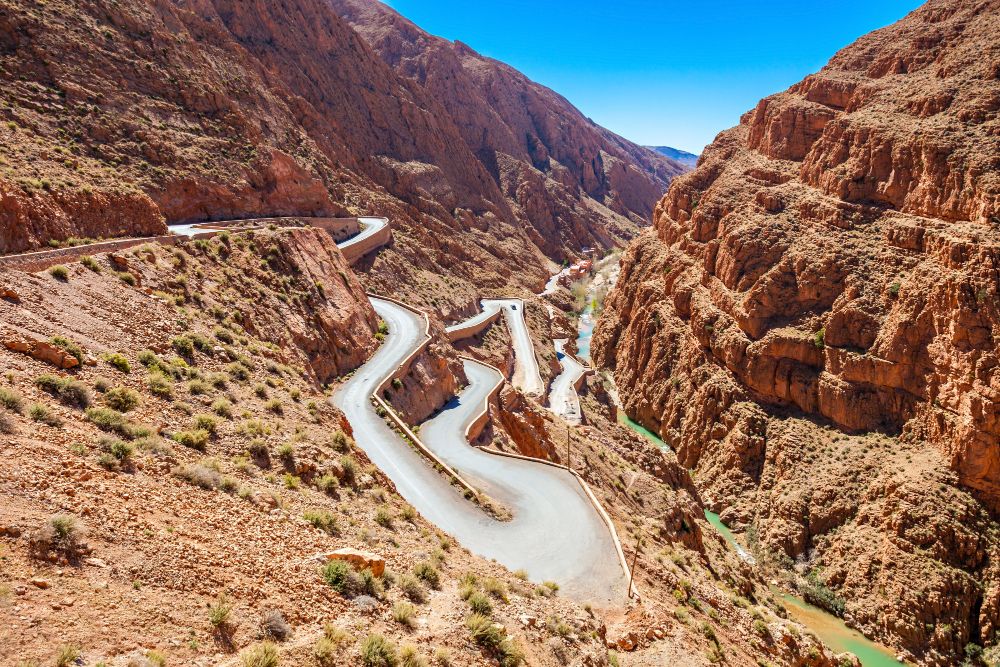
Dades Gorges: A winding canyon with rock formations and mountain roads. Best time to visit: late afternoon. Best for: scenic drives and light hiking. Time needed: 1–2 hours.
Todra Gorge: Towering limestone canyon popular with hikers and climbers. Best time to visit: morning. Best for: nature lovers. Time needed: 1–2 hours.
Overnight near the gorges before continuing toward the desert.
Day 5: Sahara Desert Experience – Merzouga & Erg Chebbi
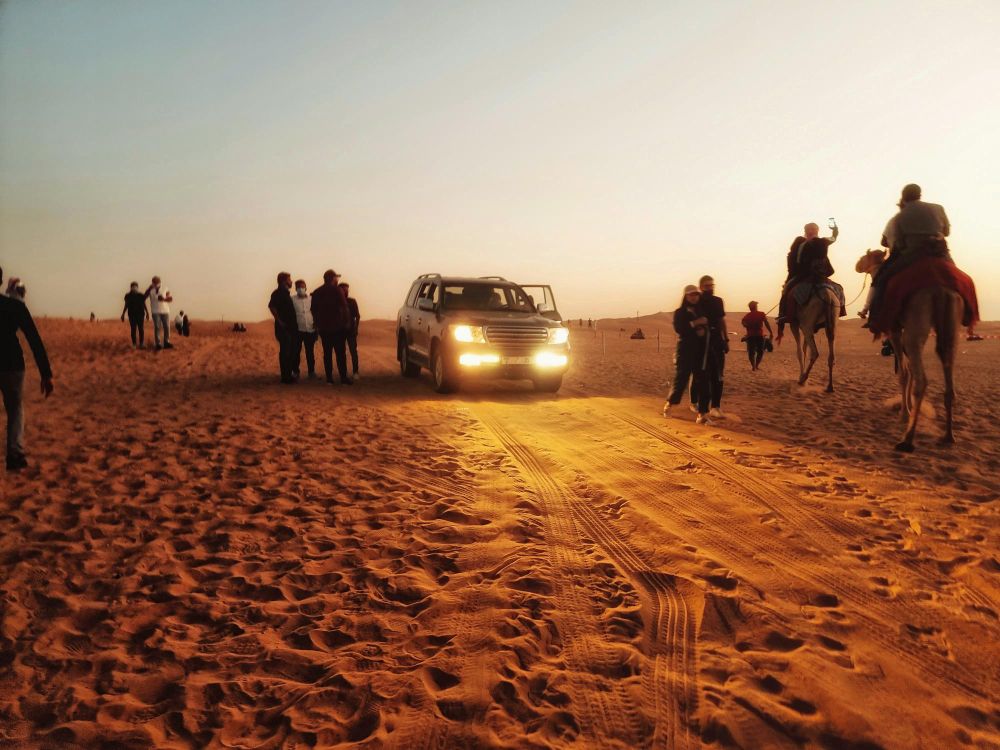
Erg Chebbi Dunes: Golden sand dunes rising dramatically from the desert floor. Best time to visit: October–April. Best for: camel trekking and stargazing. Time needed: overnight.
Camel trekking and desert camping experiences are often included in structured Morocco desert tours, making logistics smoother for first-time visitors.
Day 6: Merzouga to Fes – From Desert to Mountains
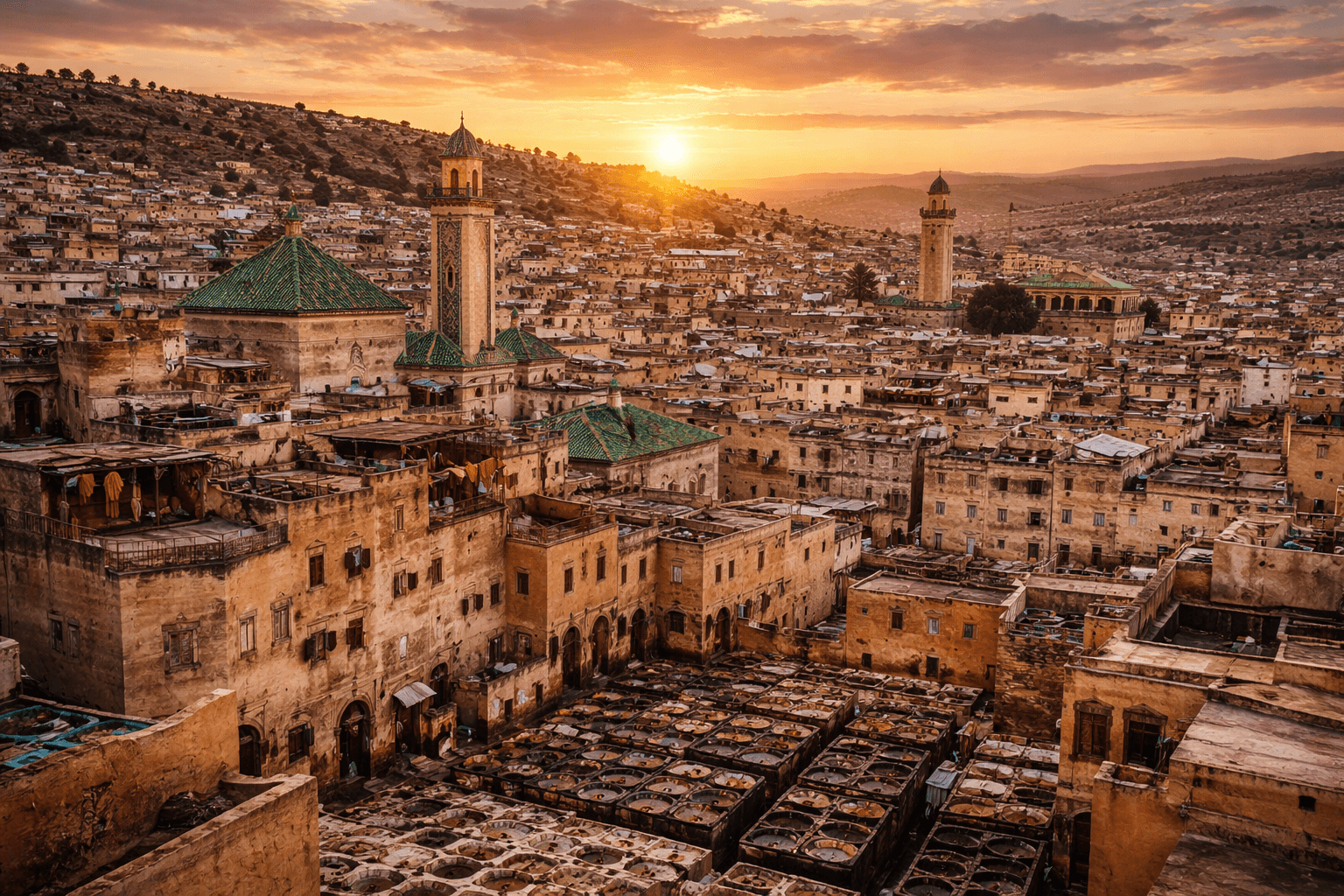
Day 6 is a long but scenic transfer day, connecting the Sahara to northern Morocco.
Ziz Valley: A palm-filled valley contrasting desert terrain. Best time to visit: anytime. Best for: scenic stops. Time needed: brief photo stops.
Midelt: A Middle Atlas town and common lunch stop. Best for: rest breaks. Time needed: 1 hour.
Ifrane: A mountain town known for alpine-style architecture. Best time to visit: spring or autumn. Best for: quick sightseeing. Time needed: 30 minutes.
Arrive in Fes by evening.
Day 7: Fes Exploration & Departure – Ancient Medina
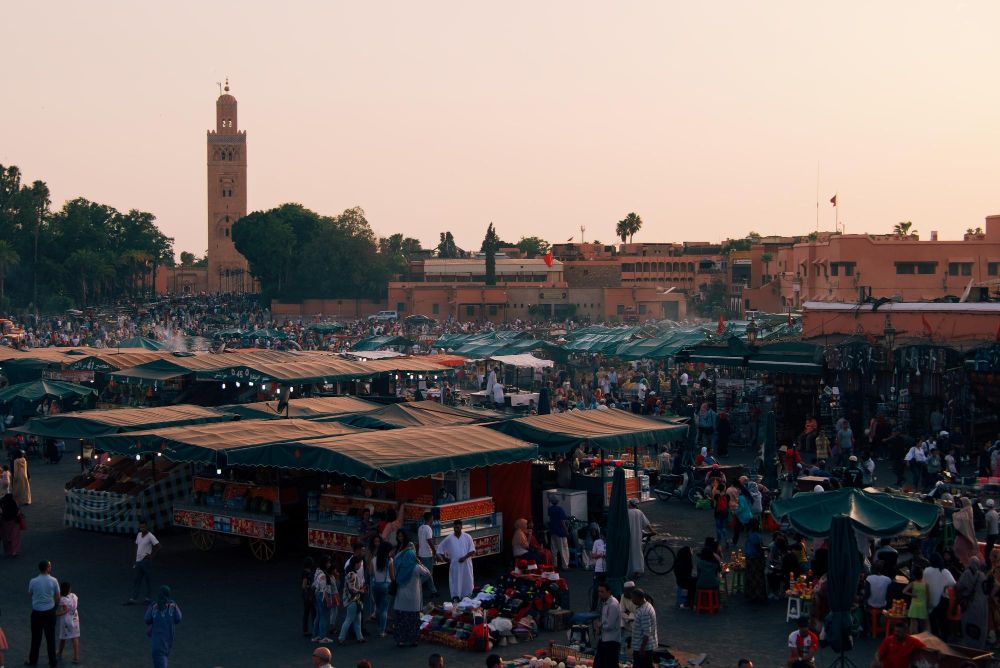
Fes el-Bali: One of the world’s largest car-free medinas and a UNESCO World Heritage site. Best time to visit: morning. Best for: culture and history. Time needed: full day.
Chouara Tannery: Traditional leather-dyeing complex. Best time to visit: morning. Best for: cultural insight. Time needed: 1 hour.
Al-Attarine Madrasa: A 14th-century Islamic school with intricate decoration. Best time to visit: anytime. Best for: architecture lovers. Time needed: 30–45 minutes.
Bab Bou Jeloud: The main entrance to the old medina. Best time to visit: anytime. Best for: photography. Time needed: short stop.
Frequently Asked Questions About a 7-Day Morocco Itinerary
Is a 7-day Morocco itinerary enough time?
A 7-day Morocco itinerary is sufficient for a fast-paced overview of the country's highlights, covering major imperial cities like Marrakech and Fes, along with the High Atlas Mountains and the Sahara Desert, though it requires significant travel between destinations. It's often considered the minimum duration to experience Morocco's diverse offerings without feeling overly rushed at each stop.
What is the best way to travel around Morocco for 7 days?
The best way to travel around Morocco for 7 days is typically by hiring a private driver or joining an organized tour, especially for the desert portion, as this offers flexibility, comfort, and local expertise to navigate varying road conditions and languages. Public transport like trains (for city-to-city) and grand taxis (for shorter distances) can be used but might be less efficient for covering a broad 7-day itinerary across diverse regions. You can find options for Morocco tours for self-travelers or guided experiences.
What should I pack for a week in Morocco?
For a week in Morocco, pack lightweight, modest clothing suitable for varying temperatures, including layers for cool evenings in the desert or mountains, comfortable walking shoes for city exploration, and essentials like sunscreen, a hat, sunglasses, and a reusable water bottle. Remember to bring a universal adapter, basic toiletries, and any personal medications, while a small daypack is useful for daily excursions.
Is Morocco safe for first-time visitors?
Morocco is generally safe for first-time visitors, especially in major tourist areas and cities like Marrakech and Fes, with locals often welcoming to travelers. While common-sense precautions against petty theft and scams are advisable, most visitors experience a warm and hospitable environment, making it a popular and secure destination for international tourism.
What is the best currency to use in Morocco?
The best currency to use in Morocco is the Moroccan Dirham (MAD), which is the official currency and is required for most transactions, though euros are sometimes accepted in larger tourist establishments. It is advisable to exchange currency at official bureaus or use ATMs, and be aware that Dirhams cannot be officially imported or exported, so plan to exchange them upon arrival and before departure.
Can I customize a 7-day Morocco itinerary to my preferences?
Yes, a 7-day Morocco itinerary can often be customized to your preferences, especially if you opt for a private tour or self-guided travel, allowing you to focus more on specific interests like culture, adventure, or relaxation. Many tour operators offer tailor-made options where you can adjust destinations, activities, and accommodation levels to suit your budget and desired pace, ensuring a personalized experience.
What kind of food should I expect on a 7-day Morocco trip?
On a 7-day Morocco trip, you should expect a rich and flavorful culinary experience dominated by tagines, couscous, and fresh bread, often accompanied by mint tea. Dishes typically feature a blend of spices, vegetables, and slow-cooked meats, with street food like harira soup and pastillas also widely available, promising a delightful exploration of traditional Moroccan cuisine. This comprehensive 7-day Morocco itinerary allows first-time travelers to experience the country's breathtaking diversity, from the vibrant markets of Marrakech to the serene dunes of the Sahara. For seamless planning and to discover a wide range of things to do across Morocco, consider using TripZapp. It simplifies the process of finding and booking vetted, trusted providers for your experiences, allowing you to pay securely in multiple supported currencies and benefit from relevant local expertise.